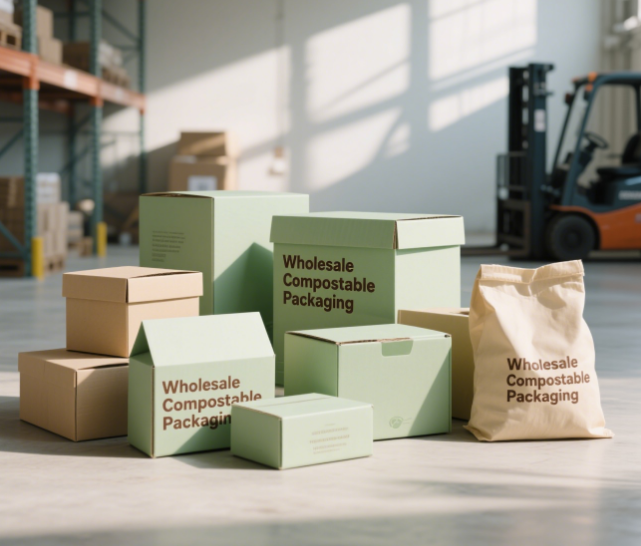
Premium Compostable Package Solutions - Sustainable Packaging That Biodegrades Completely

Get a Free Quote

Our representative will contact you soon.
Email
Name
Company Name
Mobile
Message
0/1000

compostable package

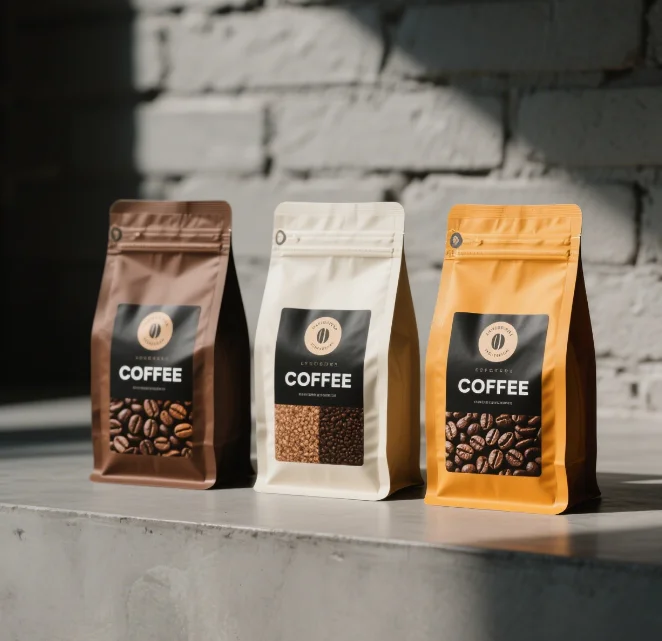
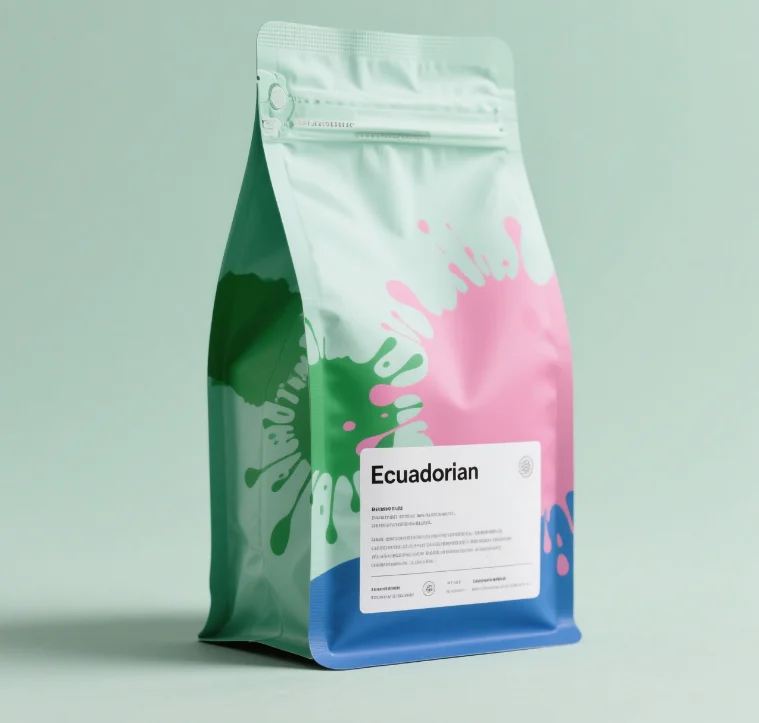
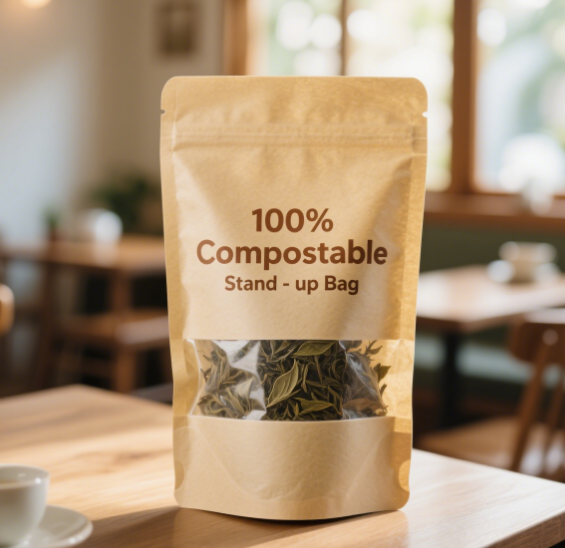
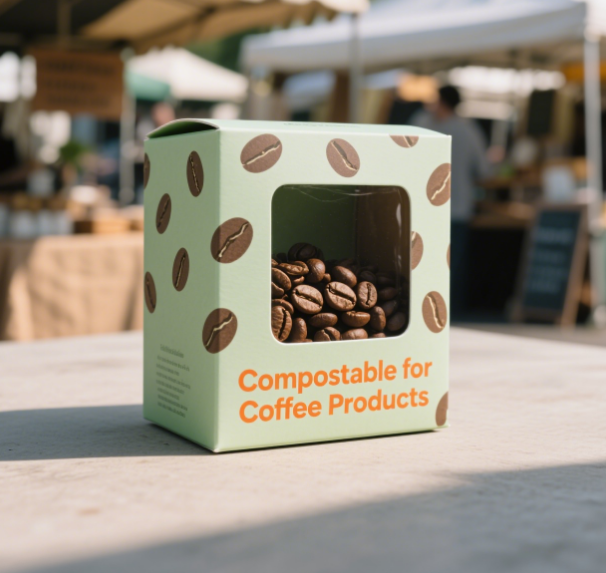
Compostable packaging represents a revolutionary approach to sustainable packaging solutions that addresses the growing environmental concerns associated with traditional plastic materials. This innovative compostable package technology utilizes organic materials such as plant-based polymers, cornstarch, sugarcane bagasse, and other biodegradable compounds that naturally decompose under proper composting conditions. The primary function of compostable package solutions extends beyond basic protection and containment to include environmental stewardship and waste reduction initiatives. These packages maintain the essential protective qualities required for product preservation while offering complete biodegradability within industrial or home composting environments. The technological features of modern compostable package systems incorporate advanced bio-polymer engineering that ensures structural integrity, moisture resistance, and temperature stability comparable to conventional packaging materials. Manufacturing processes employ renewable resource extraction and processing techniques that minimize carbon footprint throughout the production cycle. The compostable package design integrates seamlessly into existing packaging workflows while meeting international standards for compostability certification including ASTM D6400 and EN 13432 specifications. Applications span diverse industries including food service, retail consumer goods, e-commerce shipping, agricultural products, and pharmaceutical sectors. Food-grade compostable package options provide safe contact surfaces for consumables while maintaining freshness and extending shelf life. The versatility of these solutions enables customization for specific product requirements including varying barrier properties, printing capabilities, and structural configurations. Compostable package technology supports circular economy principles by transforming waste into valuable soil amendments through controlled decomposition processes. The material composition ensures complete breakdown into carbon dioxide, water, and biomass without leaving harmful residues or microplastics in soil or water systems. Advanced formulations incorporate natural additives that enhance decomposition rates while maintaining performance characteristics during the intended use period.

New Product Releases

The adoption of compostable package solutions delivers significant environmental and economic benefits that position businesses as leaders in sustainable practices. Environmental advantages include dramatic reduction in landfill waste accumulation, elimination of persistent plastic pollution, and contribution to soil health through nutrient-rich compost generation. Companies utilizing compostable package options demonstrate measurable carbon footprint reduction compared to traditional petroleum-based packaging alternatives. The manufacturing process requires substantially less energy consumption and produces fewer greenhouse gas emissions, supporting corporate sustainability goals and regulatory compliance initiatives. Consumer response to compostable package implementation shows increased brand loyalty and purchasing preference, with studies indicating 73 percent of consumers willing to pay premium prices for environmentally responsible packaging. Market differentiation through compostable package adoption creates competitive advantages in increasingly eco-conscious marketplaces. Operational benefits include simplified waste management protocols, reduced disposal costs, and streamlined logistics for businesses committed to zero-waste initiatives. The compostable package design flexibility accommodates diverse product specifications while maintaining cost-effectiveness through scalable production methods. Regulatory compliance advantages emerge as governments worldwide implement stricter packaging waste legislation and plastic reduction mandates. Early adoption of compostable package technology positions companies ahead of regulatory curves and avoids potential penalties associated with non-compliant packaging materials. Supply chain benefits include partnership opportunities with certified composting facilities and integration with municipal waste diversion programs. Quality performance characteristics of modern compostable package solutions match or exceed traditional materials in terms of durability, printability, and barrier protection. The economic lifecycle advantages encompass reduced raw material costs through renewable resource utilization and potential revenue generation through compost byproduct sales. Risk mitigation benefits include protection against volatile petroleum pricing fluctuations and supply chain disruptions affecting conventional plastic manufacturing. Innovation opportunities within compostable package development foster research partnerships, grant funding access, and intellectual property development potential. Customer education initiatives surrounding compostable package usage enhance brand reputation and establish thought leadership in environmental responsibility sectors.

Latest News

The key to keeping pet food fresh: innovative packaging solutions

18

Sep

The key to keeping pet food fresh: innovative packaging solutions

Modern Innovations Revolutionizing Pet Food Freshness The evolution of pet food packaging has transformed dramatically over the past decade, with innovative solutions emerging to address the growing demands of pet owners who prioritize freshness and ...
View More
Portable and environmentally friendly self standing bag: suitable for both outdoor and storage use, biodegradable after use, does not add pressure to the environment

24

Sep

Portable and environmentally friendly self standing bag: suitable for both outdoor and storage use, biodegradable after use, does not add pressure to the environment

The Future of Sustainable Storage: Eco-Friendly Self-Standing Solutions In an era where environmental consciousness meets practical innovation, the environmentally friendly self standing bag emerges as a groundbreaking solution for both outdoor enthu...
View More
Best Aluminum Foil Bags for Food Storage: Expert Review

27

Nov

Best Aluminum Foil Bags for Food Storage: Expert Review

Food storage solutions have evolved significantly over the past decade, with aluminum foil bag technology leading the charge in preserving freshness and extending shelf life. These innovative packaging solutions combine the barrier properties of alum...
View More
How to Choose Quality Aluminum Foil Bags for Packaging

27

Nov

How to Choose Quality Aluminum Foil Bags for Packaging

In today's competitive marketplace, selecting the right packaging solution is crucial for product protection, brand recognition, and customer satisfaction. An aluminum foil bag represents one of the most versatile and effective packaging options avai...
View More

Get a Free Quote

Our representative will contact you soon.
Email
Name
Company Name
Mobile
Message
0/1000

compostable package

Complete Biodegradability Within 180 Days

Complete Biodegradability Within 180 Days

The exceptional biodegradability characteristic of compostable package materials represents the most significant advancement in sustainable packaging technology available today. Unlike traditional packaging that persists in landfills for hundreds of years, these innovative materials completely decompose within 180 days under proper composting conditions, transforming from functional packaging into valuable soil enhancement products. The decomposition process follows strict international standards that ensure complete breakdown into natural elements including carbon dioxide, water, and biomass without leaving any toxic residues or microplastic particles. This comprehensive biodegradability feature addresses critical environmental concerns while providing businesses with measurable sustainability metrics for corporate responsibility reporting. The compostable package materials undergo rigorous testing protocols that verify decomposition rates under various conditions including home composting, industrial composting facilities, and municipal organic waste processing systems. Temperature, moisture, and oxygen levels influence the breakdown timeline, with optimal conditions achieving complete decomposition in as little as 90 days for certain formulations. The biological processes involved utilize naturally occurring microorganisms that consume the package materials as food sources, converting them into nutrient-rich compost that enhances soil fertility and plant growth. This circular approach to packaging lifecycle management eliminates the concept of waste by transforming used materials into beneficial agricultural inputs. Quality assurance testing ensures that decomposition byproducts meet safety standards for soil contact and food chain integration. The predictable decomposition timeline allows businesses to integrate compostable package solutions into waste management planning and sustainability goal achievement. Consumer education about proper disposal methods maximizes the biodegradability benefits while preventing contamination of traditional recycling streams. Independent certification from recognized testing laboratories validates decomposition claims and provides third-party verification of environmental benefits. The complete biodegradability feature supports zero-waste initiatives and circular economy principles that increasingly influence purchasing decisions and regulatory requirements across global markets.
Superior Barrier Protection Performance

Superior Barrier Protection Performance

Advanced compostable package technology delivers exceptional barrier protection that matches or exceeds traditional packaging performance while maintaining complete environmental compatibility. The sophisticated material engineering incorporates multiple protective layers that effectively shield products from moisture, oxygen, light, and temperature fluctuations without compromising the biodegradable properties essential for sustainable disposal. Modern compostable package formulations utilize innovative bio-polymer blends that create superior barrier characteristics through molecular-level design optimization. These materials provide excellent grease resistance, making them ideal for food service applications where oil and moisture protection are critical for product integrity and consumer safety. The barrier performance extends to gas permeability control, ensuring optimal atmospheric conditions for sensitive products including fresh produce, pharmaceuticals, and electronics components. Extensive testing demonstrates that compostable package materials maintain structural integrity under challenging storage and transportation conditions including temperature extremes, humidity variations, and physical stress factors. The protective capabilities include UV resistance that prevents product degradation from light exposure while allowing for clear visibility through transparent formulations. Advanced coating technologies enhance barrier properties without introducing non-compostable additives that would compromise environmental benefits. Puncture resistance and tear strength characteristics equal conventional packaging materials while providing the flexibility required for diverse product shapes and sizes. The superior barrier protection ensures extended shelf life for perishable goods, reducing food waste and supporting supply chain efficiency goals. Quality control processes monitor barrier performance throughout the manufacturing cycle to ensure consistent protection levels across production runs. Customization options allow for specific barrier property adjustments based on individual product requirements and storage conditions. The combination of protective performance and environmental responsibility addresses the primary concerns that previously limited compostable package adoption in demanding applications. Comparative testing against traditional materials demonstrates equivalent or superior protection performance while delivering significant environmental advantages throughout the product lifecycle.
Cost-Effective Production and Implementation

Cost-Effective Production and Implementation

The economic viability of compostable package solutions has reached a competitive threshold that makes sustainable packaging accessible to businesses across diverse industry sectors and operational scales. Manufacturing advancements have significantly reduced production costs through improved processing techniques, economies of scale, and renewable raw material optimization strategies. The cost-effectiveness extends beyond initial material expenses to encompass total lifecycle economics including disposal savings, regulatory compliance benefits, and brand value enhancement opportunities. Modern production facilities utilize energy-efficient manufacturing processes that reduce operational costs while minimizing environmental impact through renewable energy integration and waste heat recovery systems. Raw material sourcing from agricultural byproducts and renewable resources provides price stability compared to petroleum-based alternatives subject to volatile market fluctuations. The scalable production capabilities enable competitive pricing for both large-volume commercial applications and smaller specialized product runs. Implementation costs benefit from compatibility with existing packaging equipment and workflows, minimizing capital investment requirements for businesses transitioning to compostable package solutions. Labor and training expenses remain minimal due to familiar handling characteristics and processing parameters similar to conventional materials. Quality assurance costs decrease through simplified testing protocols and reduced regulatory compliance complexity associated with environmental safety requirements. The cost-effective advantage includes potential revenue generation through marketing differentiation and premium pricing opportunities supported by consumer preference for sustainable products. Supply chain optimization reduces transportation costs through lightweight formulations and efficient packaging density characteristics. Long-term economic benefits encompass risk mitigation against future plastic taxes, disposal fees, and environmental liability concerns that increasingly impact traditional packaging economics. Government incentives and subsidies for sustainable packaging adoption further enhance cost-effectiveness through direct financial support and tax advantage programs. Partnership opportunities with composting facilities create additional revenue streams through compost product sales and waste diversion services. The competitive pricing structure enables businesses to achieve sustainability goals without compromising profitability or operational efficiency, making compostable package solutions accessible to organizations committed to environmental responsibility and economic success.

Get a Free Quote

Our representative will contact you soon.
Email
Name
Company Name
Mobile
Message
0/1000