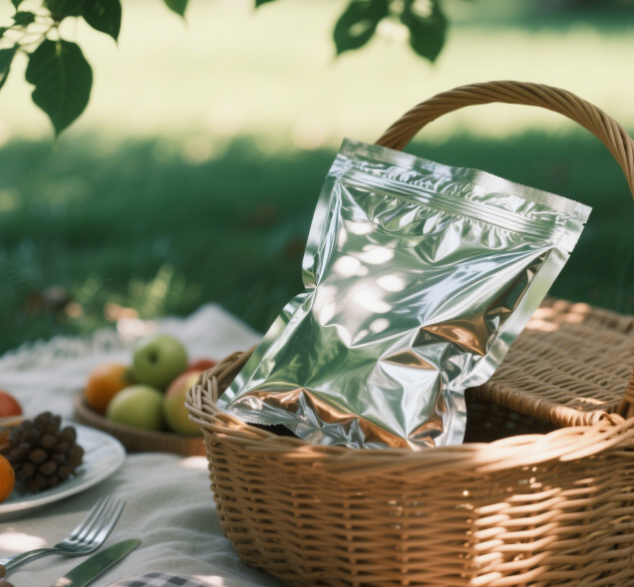
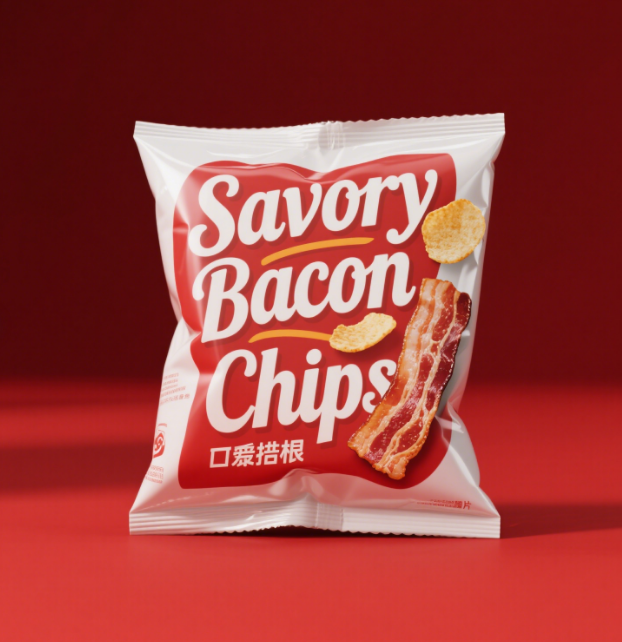
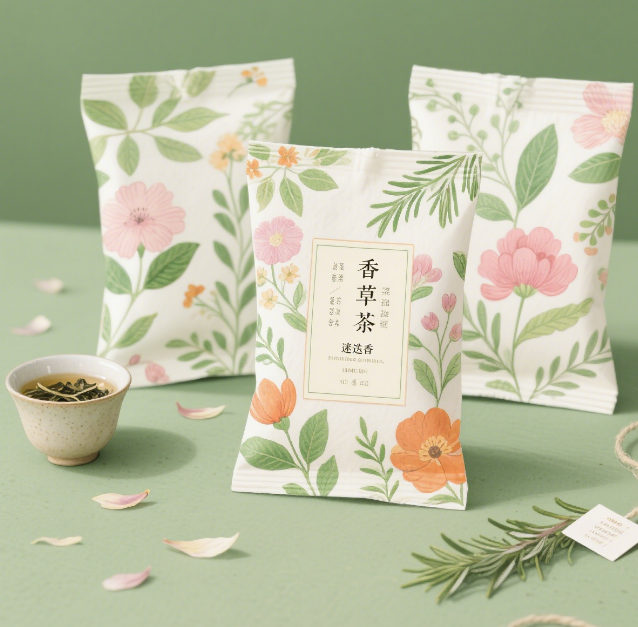
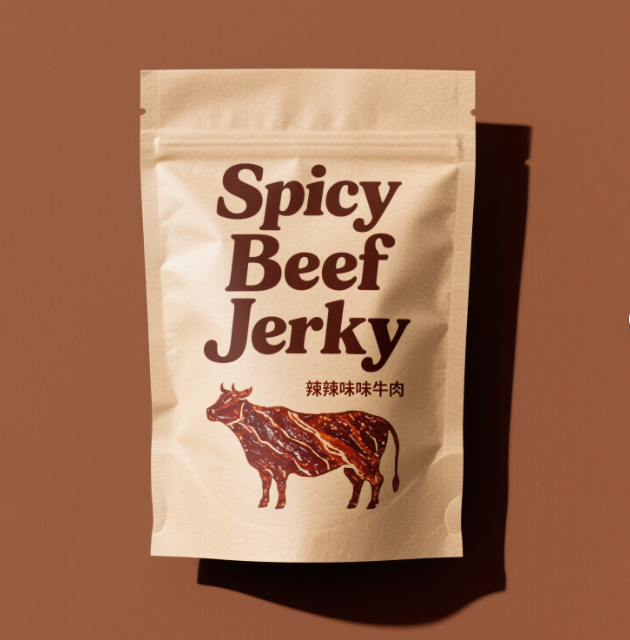
mga bag para sa pagpapakita ng pagkain
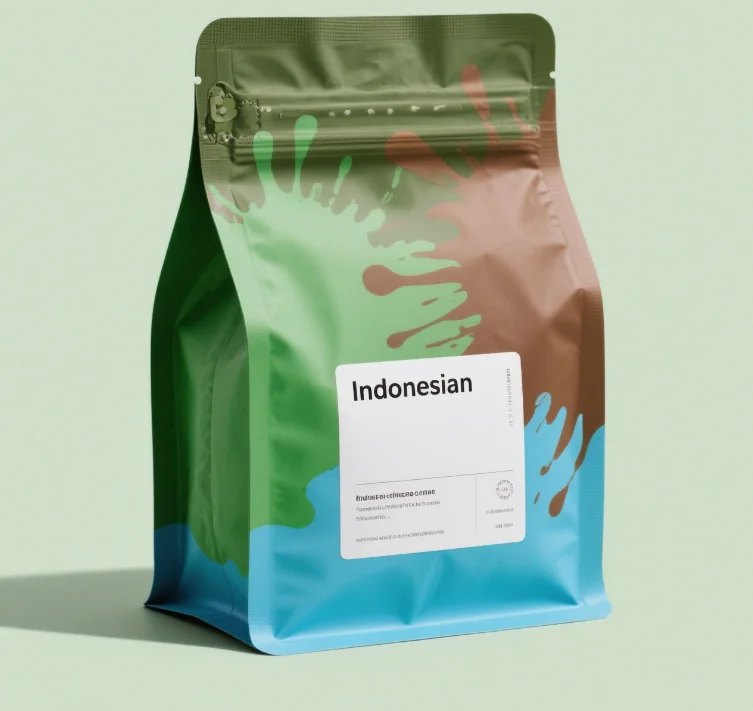
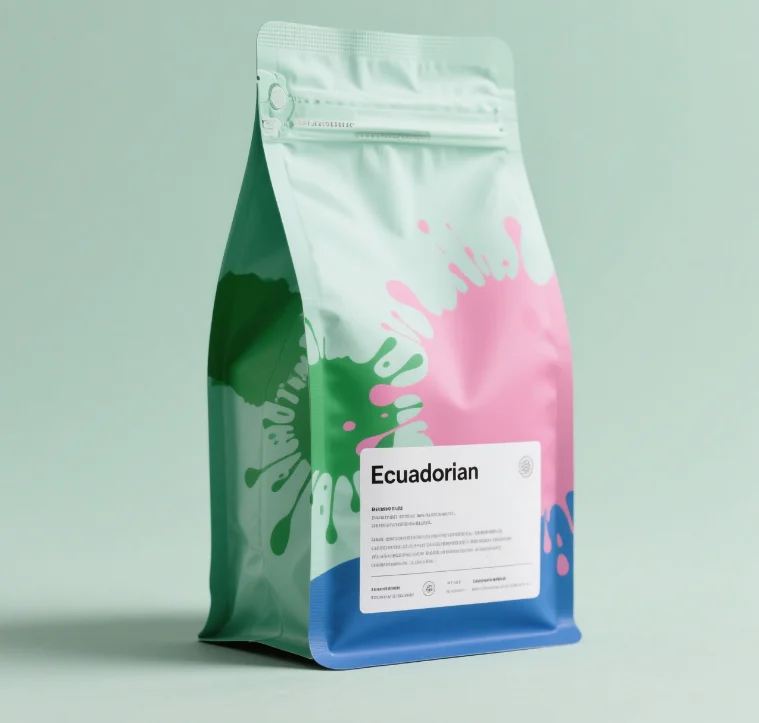
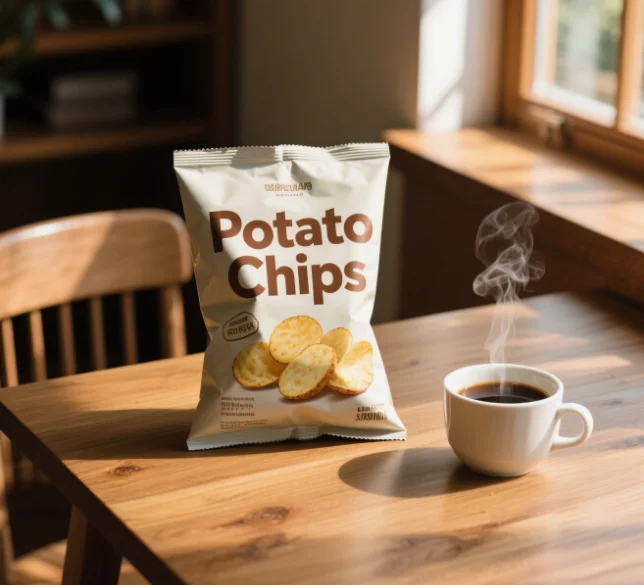
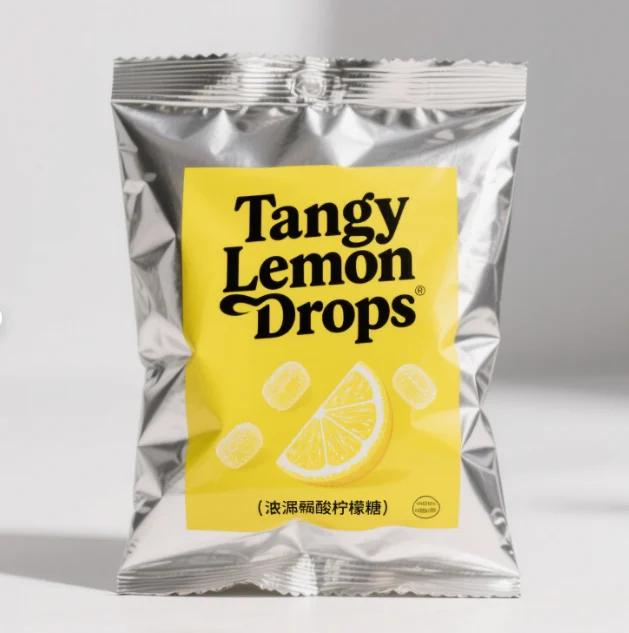
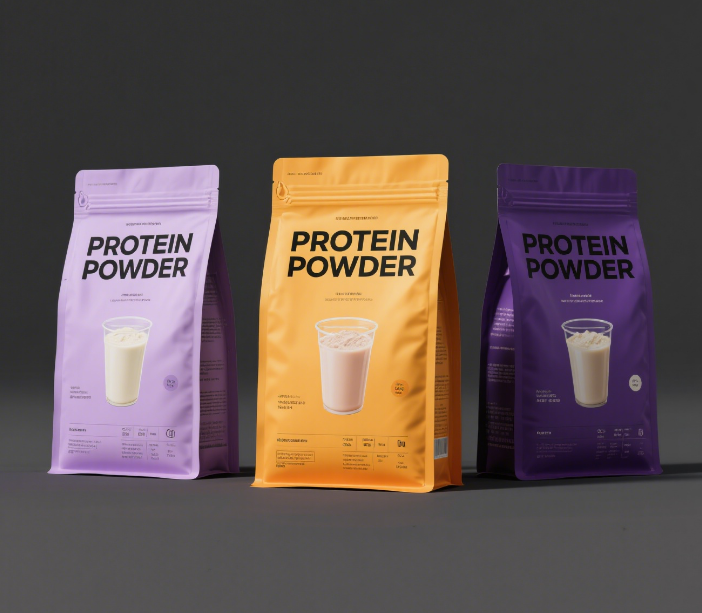
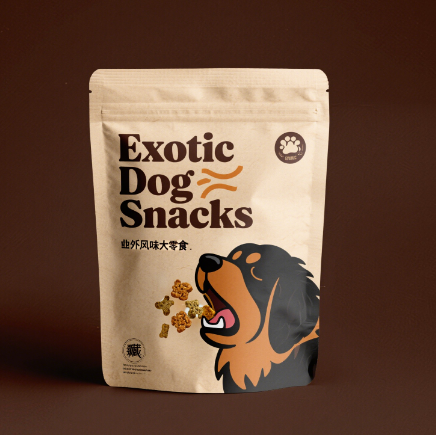
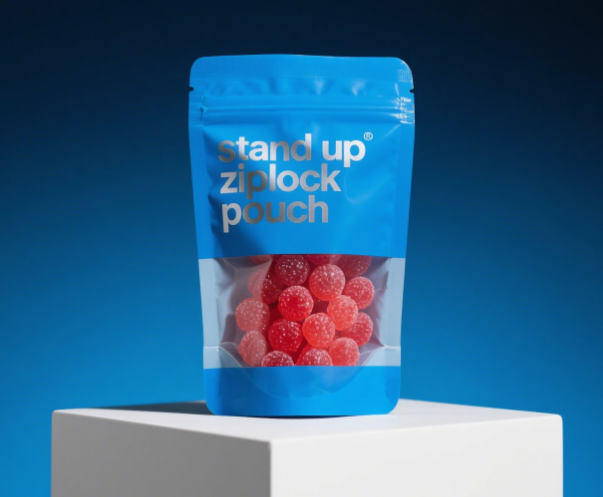
Kinakatawan ng mga supot para sa pagpapacking ng pagkain ang isang pundasyon ng modernong mga solusyon sa pagpapacking, na idinisenyo upang mapanatili ang sariwa, mapalawig ang tagal ng imbakan, at matiyak ang ligtas na transportasyon ng iba't ibang mga produkto na makakain. Ginagamit ng mga espesyalisadong lalagyan na ito ang mga advanced na materyales at proseso sa pagmamanupaktura upang lumikha ng protektibong hadlang laban sa kahalumigmigan, oksiheno, liwanag, at mga kontaminante na maaaring masira ang kalidad ng pagkain. Ang pangunahing tungkulin ng mga supot sa pagpapacking ng pagkain ay ang pagpreserba, proteksyon, kontrol sa sukat ng bahagi, at presentasyon ng tatak, na ginagawa silang mahalaga sa buong supply chain ng pagkain. Kasama sa mga teknolohikal na katangian ang konstruksyon na may maraming layer na binubuo ng mga materyales tulad ng polietileno, polipropileno, dahon ng aluminio, at mga espesyalisadong barrier film. Ang bawat layer ay nagtutulungan upang lumikha ng napapasadyang antas ng proteksyon batay sa partikular na pangangailangan ng produkto. Tinitiyak ng mga advanced na teknolohiya sa pagse-selyo ang hermetikong pagsasara, habang pinahihintulutan ng mga inobatibong kakayahan sa pagpi-print ang masiglang mga disenyo at malinaw na display ng mahahalagang impormasyon tungkol sa produkto. Malawak ang aplikasyon ng mga supot sa pagpapacking ng pagkain sa iba't ibang sektor tulad ng mga snack, produktong nakakulong, sariwang gulay at prutas, karne at manok, mga produkto ng gatas, inumin, at mga kendi. Nakikinabang ang mga palengke sa kanilang kaakit-akit na anyo, samantalang hinahangaan ng mga operasyon sa paghahanda ng pagkain ang kontrol nila sa sukat at kahusayan sa imbakan. Tinatanggap ng mga supot ang iba't ibang sukat, mula sa single-serving hanggang sa malalaking dami, na sumusuporta pareho sa kaginhawahan ng mamimili at komersyal na operasyon. Umaasa ang mga pasilidad sa pagmamanupaktura sa mga solusyong ito sa pagpapacking para sa epektibong integrasyon sa production line at mga automated filling process. Ang mga kamakailang pag-unlad sa teknolohiya ay nagpakilala ng mga smart packaging feature tulad ng mga indicator ng sariwa, monitoring ng temperatura, at mga selyong anti-tamper. Ang mga konsiderasyon sa sustenibilidad ay humantong sa pagbuo ng mga biodegradable at maaring i-recycle na opsyon, na tumutugon sa mga alalahanin sa kapaligiran nang hindi kinukompromiso ang mga pamantayan sa pagganap. Patuloy na umuunlad ang mga supot na ito upang tugunan ang mga nagbabagong kagustuhan ng mamimili, regulasyon, at posibilidad ng teknolohiya, na nagtatatag sa kanila bilang mahahalagang bahagi sa modernong sistema ng distribusyon ng pagkain.

 EN
EN