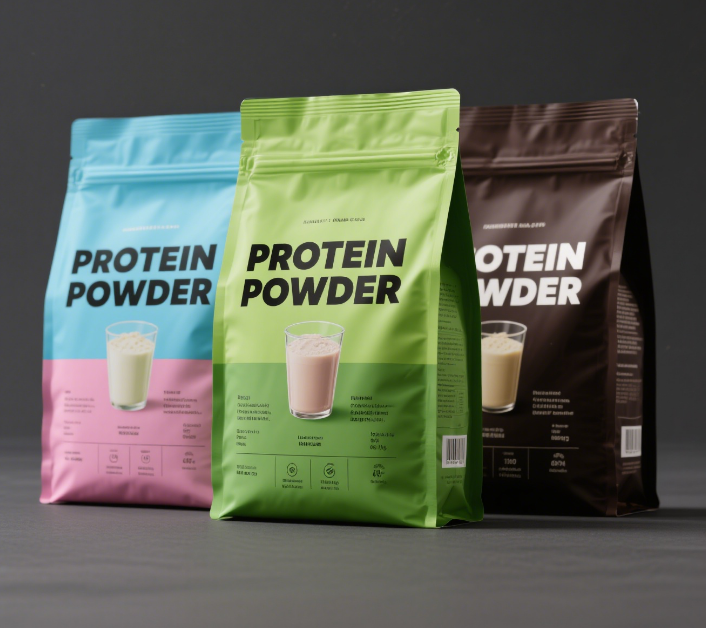
mga plastikong sakla na may zipper
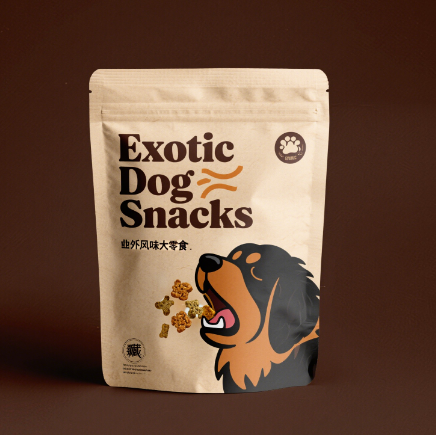
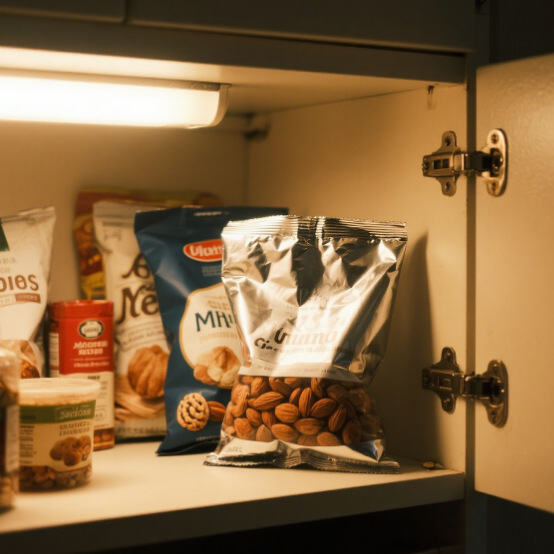
Ang mga plastik na pakete na may zipper ay kumakatawan sa isang rebolusyonaryong pag-unlad sa modernong solusyon sa pagpapacking, na pinagsasama ang kaginhawahan, kaligtasan, at versatility sa isang disenyo ng produkto. Ang mga inobatibong lalagyan na ito ay mayroong maaasahang mekanismo ng pagsara na nagagarantiya na mananatiling sariwa, ligtas, at madaling ma-access ang nilalaman. Binubuo ng zipper ang eksaktong inhenyerya ng mga plastik na landas na kumakabit kapag pinipisil, na lumilikha ng isang airtight seal na nagsisilbing proteksyon laban sa kahalumigmigan, hangin, at mga kontaminante. Ang teknolohikal na batayan ng plastik na pakete na may zipper ay nakabase sa advanced na polymer science, gamit ang mga materyales tulad ng polyethylene, polypropylene, at mga espesyalisadong barrier film na nagbibigay ng superior na lakas at kakayahang umunat. Ang mga materyales na ito ay dumaan sa mahigpit na proseso ng kontrol sa kalidad upang masiguro ang pare-parehong pagganap sa iba't ibang saklaw ng temperatura at kondisyon ng imbakan. Ang mismong mekanismo ng zipper ay kumakatawan sa sopistikadong inhinyeriya, kung saan ang mga interlocking ridges at valleys ay dinisenyo upang lumikha ng maramihang punto ng contact para sa mas mataas na epektibidad ng sealing. Ang mga proseso sa pagmamanupaktura ay sumasama sa eksaktong extrusion techniques, heat sealing technologies, at mga protokol sa pagsubok ng kalidad upang garantisado ang katiyakan ng produkto. Ang mga aplikasyon ng plastik na pakete na may zipper ay sumasakop sa maraming industriya at segment ng mga mamimili. Ang pagpapacking ng pagkain ang pinakamalaking segment ng merkado, kung saan pinapanatili ng mga bag na ito ang sariwa para sa mga snacks, frozen foods, cereals, at mga perishable item. Ginagamit ng mga kompanya sa pharmaceutical ang mga lalagyan na ito sa pag-iimbak ng gamot, na nagagarantiya ng sterile na kondisyon at tamper-evident na seguridad. Umaasa ang mga tagagawa ng electronic component sa mga anti-static na bersyon upang maprotektahan ang sensitibong circuitry habang isinusuporta at iniimbak. Kasama sa retail na aplikasyon ang packaging ng damit, pag-iimbak ng laruan, at pamamahagi ng promotional item. Ang mga industrial na gamit ay sumasakop sa chemical sample storage, laboratory specimen containment, at mga sistema ng pag-oorganisa ng mga bahagi. Ang versatility ng plastik na pakete na may zipper ay umaabot pa sa household na aplikasyon, kung saan ginagamit ng mga konsyumer ang mga ito sa pag-oorganisa ng closet, pag-iimbak ng seasonal items, at pangangalaga ng mga dokumento. Ang mga pagsasaalang-alang sa kalikasan ang nagtutulak sa patuloy na inobasyon sa siyensya ng materyales, na nagdudulot ng biodegradable at recyclable na opsyon na nagpapanatili ng performance habang binabawasan ang epekto sa ekolohiya.

 EN
EN