sakong itinuturo para sa pagkain
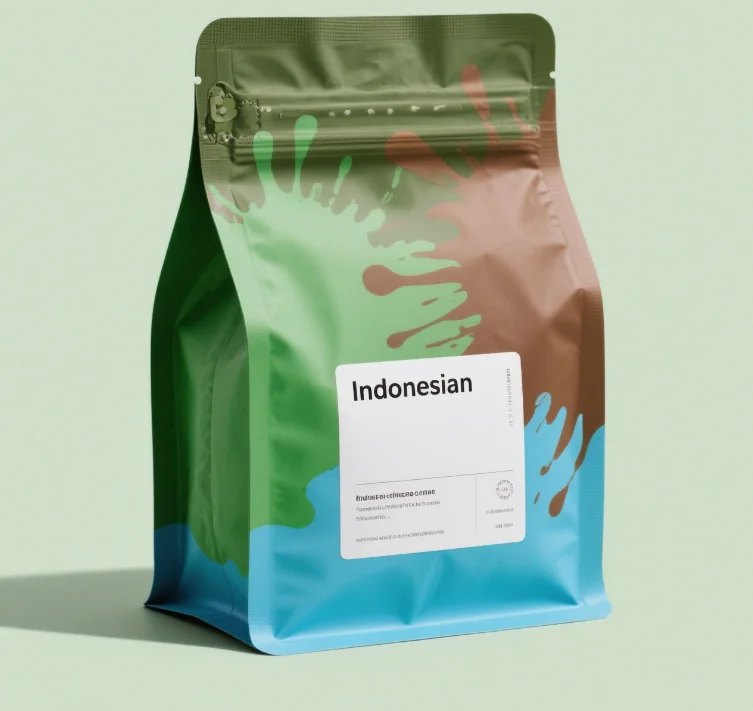
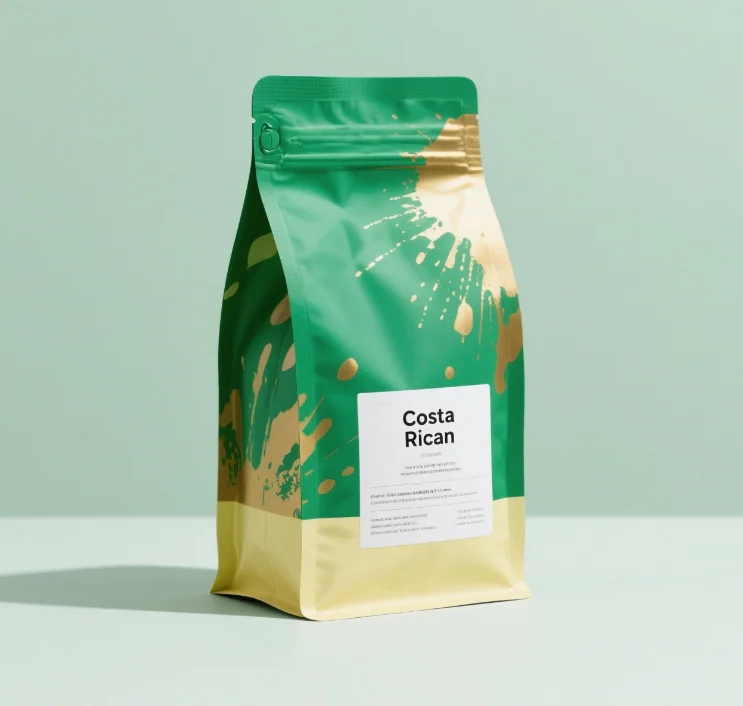
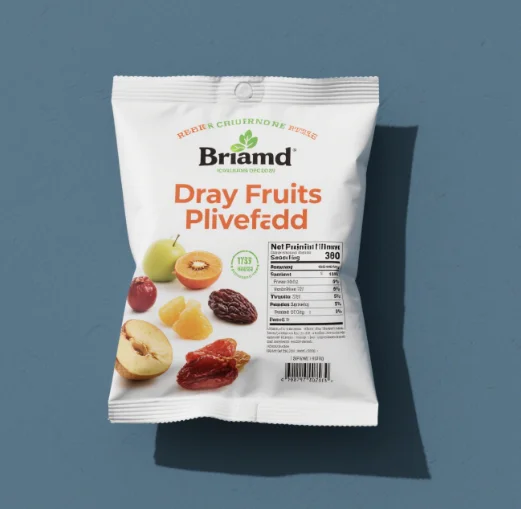
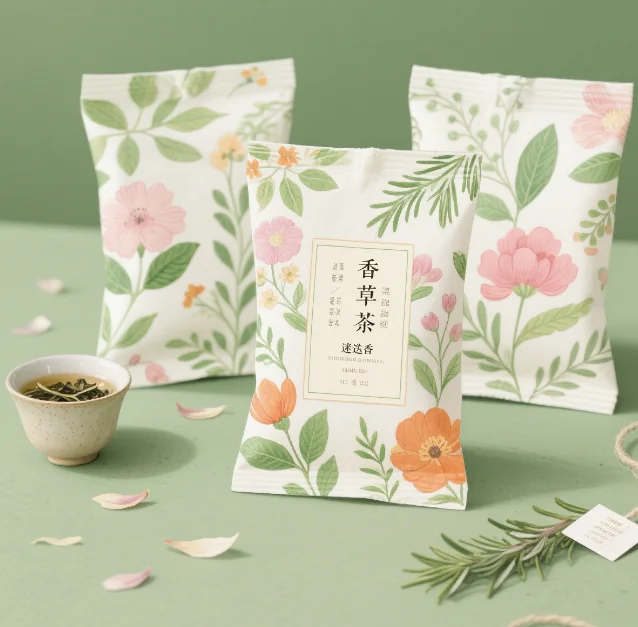
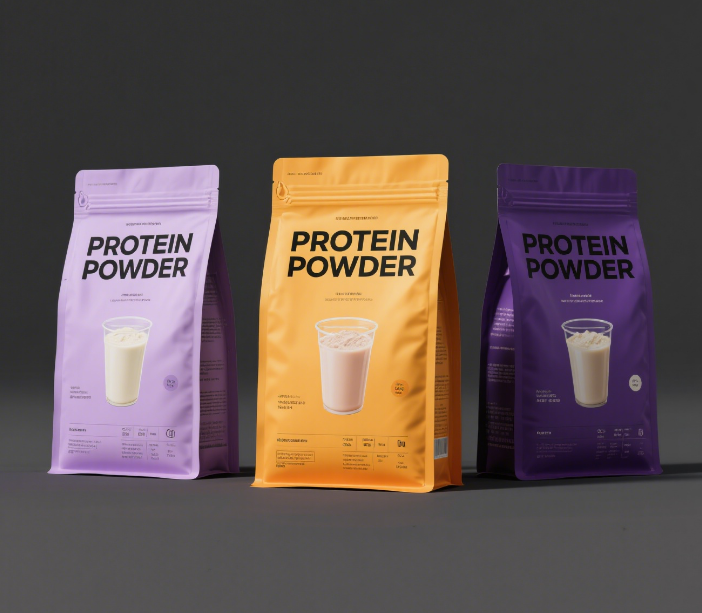
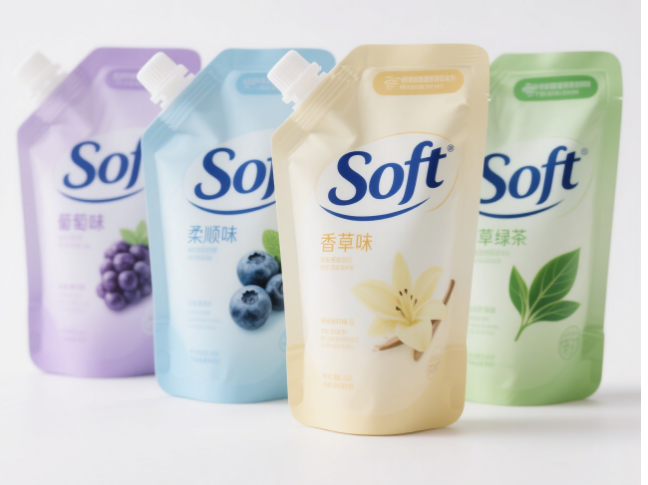
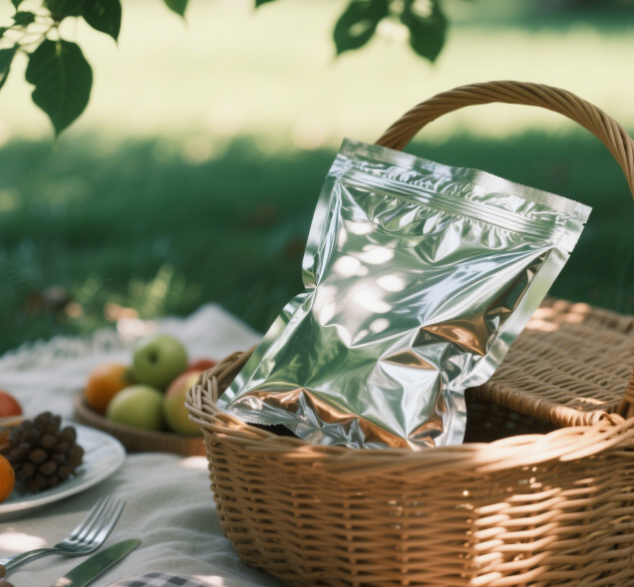
Ang isang nakaselyong pakete para sa pagkain ay kumakatawan sa isang mapagpabagong paraan ng pagpreserba ng pagkain, na pinagsasama ang mga makabagong materyales sa agham at praktikal na disenyo upang lumikha ng epektibong hadlang laban sa mga salik sa kapaligiran na sumisira sa kalidad ng pagkain. Ginagamit ng mga espesyalisadong lalagyan na ito ang multi-layer na konstruksyon, na may kasamang mga materyales tulad ng polyethylene, polypropylene, at aluminum foil upang makalikha ng impermeableng selyo na nagpoprotekta sa laman mula sa kahalumigmigan, oksiheno, liwanag, at mga contaminant. Ang nakaselyong pakete para sa pagkain ay gumagana gamit ang teknolohiyang vacuum o mga prinsipyo ng modified atmosphere packaging, na inaalis ang hangin at pinalalitan ito ng inert gases kung kinakailangan. Ang prosesong ito ay malaki ang ambag sa pagpapahaba ng shelf life sa pamamagitan ng pagpigil sa paglago ng bakterya, pag-iwas sa oxidation, at pananatili ng nutritional value. Ang modernong nakaselyong pakete para sa pagkain ay may heat-sealed na gilid na lumilikha ng airtight na selyo, na nagsisiguro ng ganap na paghihiwalay mula sa mga panlabas na elemento. Kasama sa teknolohikal na balangkas ng mga pakete na ito ang barrier coating na humahadlang sa paglipat ng gas, mga materyales na resistente sa butas na nagpapanatili ng structural integrity habang inililipat, at food-grade na sertipikasyon na nagsisiguro sa mga pamantayan ng kaligtasan. Ang mga aplikasyon nito ay sumasakop sa maraming industriya, mula sa pang-araw-araw na pag-iimbak ng pagkain sa tahanan hanggang sa komersyal na pagpoproseso ng pagkain, pagpapacking ng pharmaceuticals, at mga suplay para sa emergency preparedness. Ginagamit ng mga restawran ang nakaselyong pakete para sa pagkain para sa kontrol sa bahagi at pamamahala ng imbentaryo, samantalang ang mga konsyumer ay nakikinabang sa mas kaunting basura ng pagkain at mas mahabang panahon ng sariwa. Ang versatility ng nakaselyong pakete para sa pagkain ay nagbibigay-daan sa pag-customize ng sukat, kapal, at mga katangian ng barrier upang maakomodar ang iba't ibang uri ng pagkain, mula sa mahinang produkto hanggang sa matitibay na protina. Ang mga proseso sa pagmamanupaktura ay gumagamit ng sopistikadong mga hakbang sa quality control, kabilang ang mga sistema ng pagtuklas ng butas at mga protokol sa pagsusuri ng materyales, upang masiguro na ang bawat nakaselyong pakete para sa pagkain ay natutugunan ang mahigpit na pamantayan sa pagganap para sa dependibilidad at epektibidad.

 EN
EN