biodégradálható rugalmas csomagolás
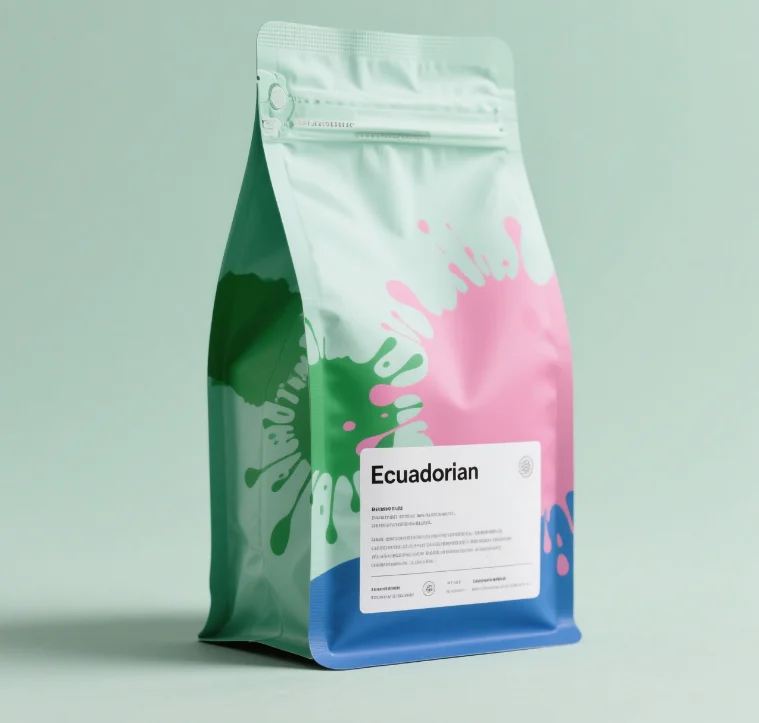
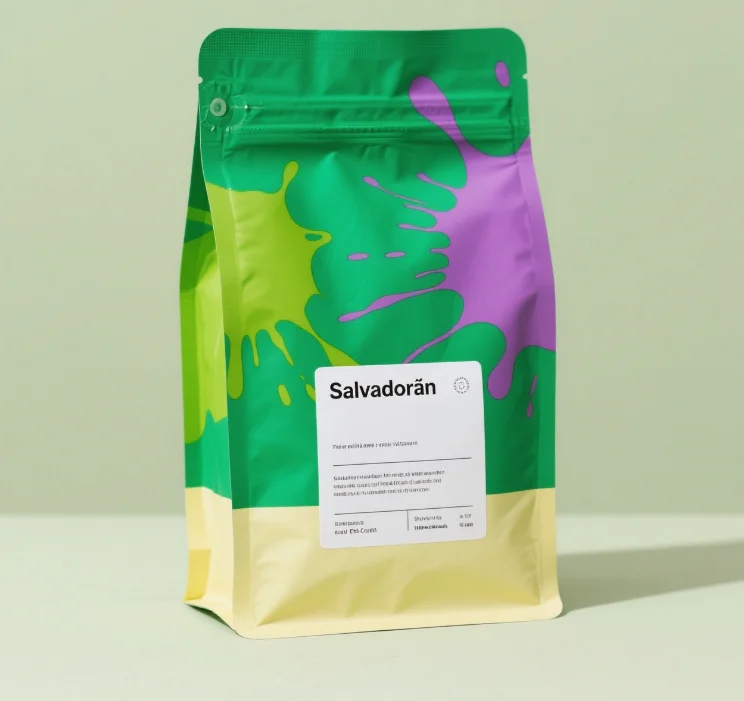
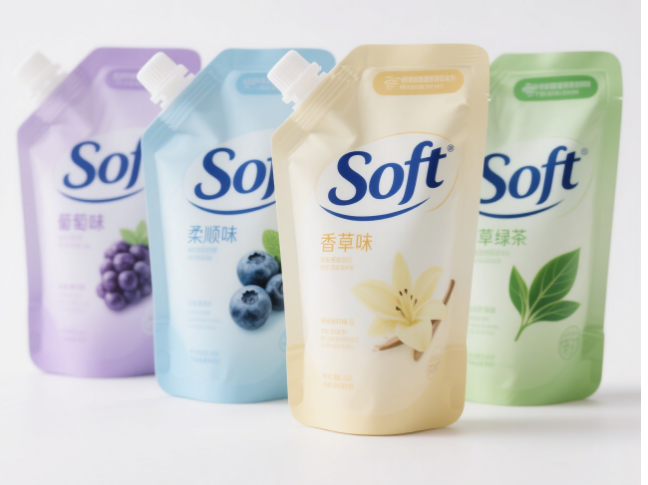
A biológiailag lebomló rugalmas csomagolás forradalmi fejlődést jelent a fenntartható csomagolási megoldások terén, amelyet az egyre növekvő környezeti aggályok kezelésére dolgoztak ki, miközben kiváló teljesítményi szintet tartanak fenn. Ez az innovatív csomagolási technológia ötvözi a hagyományos rugalmas anyagok kényelmét és sokoldalúságát a teljes körű biológiailag lebomlással járó környezeti előnyökkel. A biológiailag lebomló rugalmas csomagolás elsődleges funkciója a termékek védelme raktározás, szállítás és kiskereskedelmi kialakítás során, miközben biztosítja, hogy a csomagolóanyagok káros maradék nélkül bomljanak le természetes úton. Ezek az anyagok korszerű polimer tudományt használnak, beépítve növényi alapú komponenseket, mint például kukoricaszövet, cukornád-származékok és más megújuló biomasszaforrások. A technikai jellemzők közé tartoznak a javított gátló tulajdonságok, amelyek védelmet nyújtanak a nedvesség, az oxigén és a fény hatásával szemben, így biztosítva a termék frissességét és meghosszabbítva az eltarthatóságot. A gyártási folyamatok korszerű extrúziós és laminálási technikákat alkalmaznak, amelyek többrétegű szerkezeteket hoznak létre, képesek a hagyományos csomagolás teljesítményének megfelelni. Az alkalmazások több iparágra is kiterjednek, beleértve az élelmiszer- és italipart, a gyógyszeripart, a személyápolási termékeket és az e-kereskedelmi szállítást. Az élelmiszer-csomagolási alkalmazások közé tartoznak a friss zöldség-gyümölcs zacskók, a csemegeszatyak, a kávécsomagolás és a fagyasztott élelmiszerek burkolatai. A gyógyszeripar ezeket az anyagokat gyógyszerzacskókhoz, steril csomagolóanyagokhoz és védőfóliákhoz használja. A személyápolási alkalmazások közé tartoznak a kozmetikumok tasakjai, samponzacskók és bőrápoló termékek csomagolása. Az e-kereskedelmi alkalmazásokban postázó zacskók, védőburkolatok és ütközésvédő anyagok találhatók. A lebontási folyamat általában 90 és 180 nap között zajlik le megfelelő komposztálási körülmények között, vízzé, szén-dioxiddá és szerves anyaggá bomlik, amely gazdagítja a talaj minőségét. A gyártási szabványoknak megfelelnek a nemzetközi tanúsítványoknak, beleértve az ASTM D6400 és az EN 13432 szabványokat, így biztosítva a hitelesített komposzthatóságot és biológiailag lebomlási arányokat. A minőségirányítási intézkedések garantálják az anyagok konzisztens tulajdonságait, beleértve a szakítószilárdságot, szúrásállóságot és zárás integritását, amelyek megfelelnek az ipari követelményeknek a termékvédelemhez és a kezelés hatékonyságához.

 EN
EN