Biodegradable Flexible Packaging Solutions - Sustainable, High-Performance Protection

Get a Free Quote

Our representative will contact you soon.
Email
Name
Company Name
Mobile
Message
0/1000

biodegradable flexible packaging

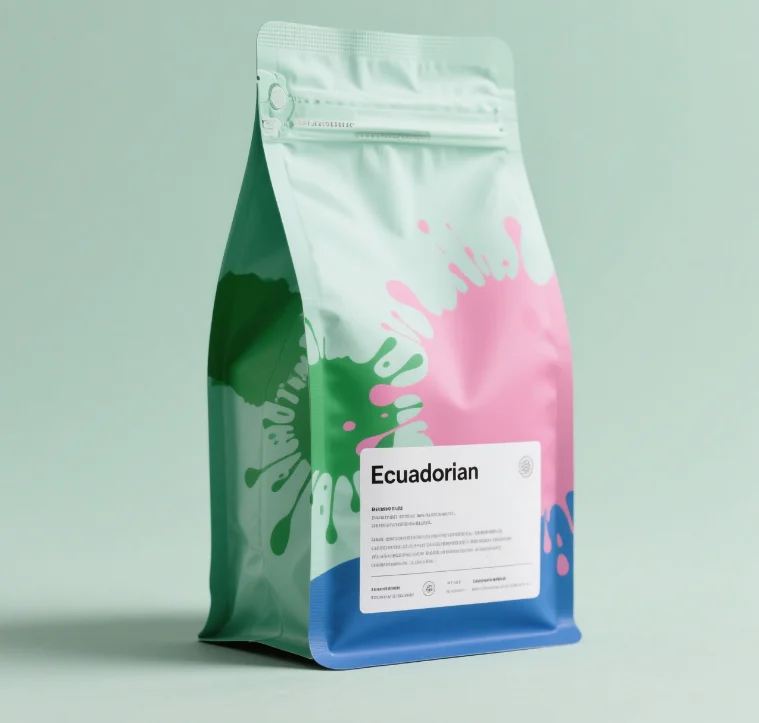
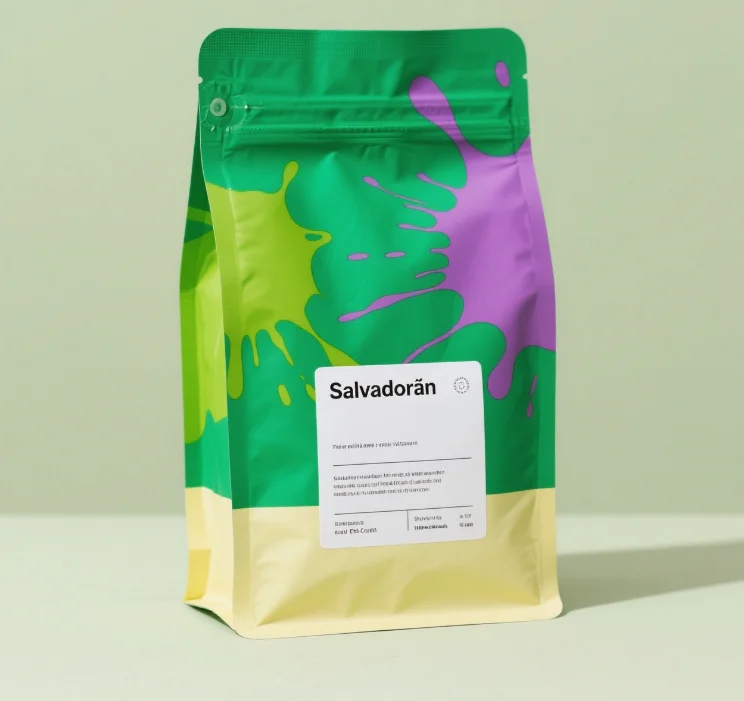
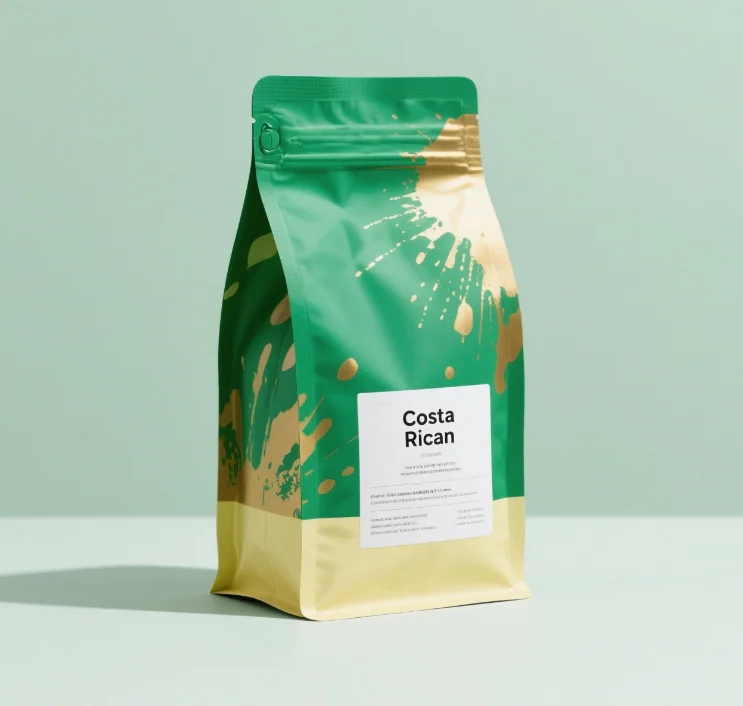
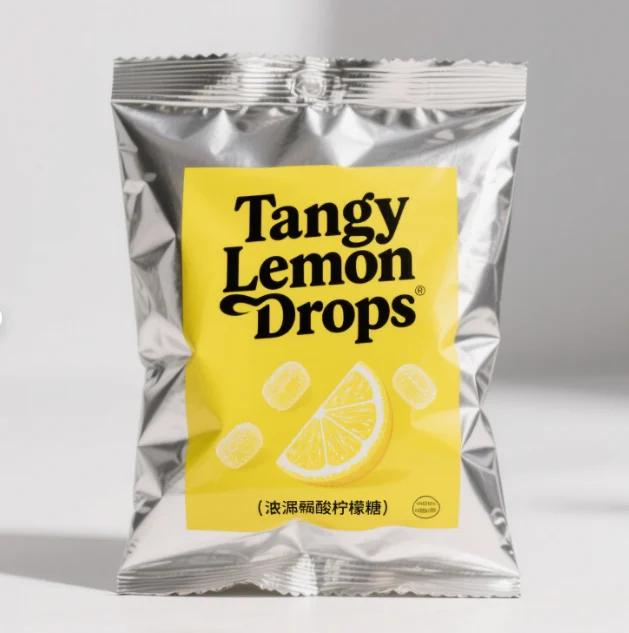
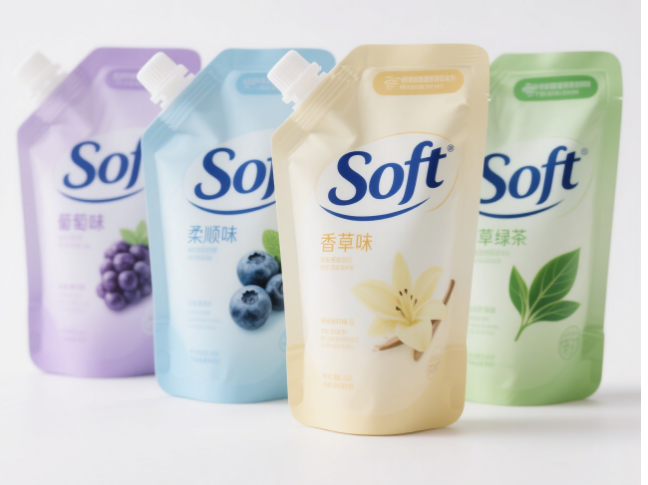
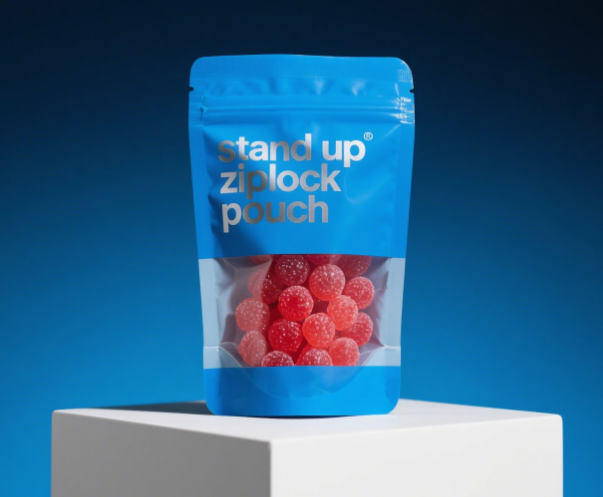
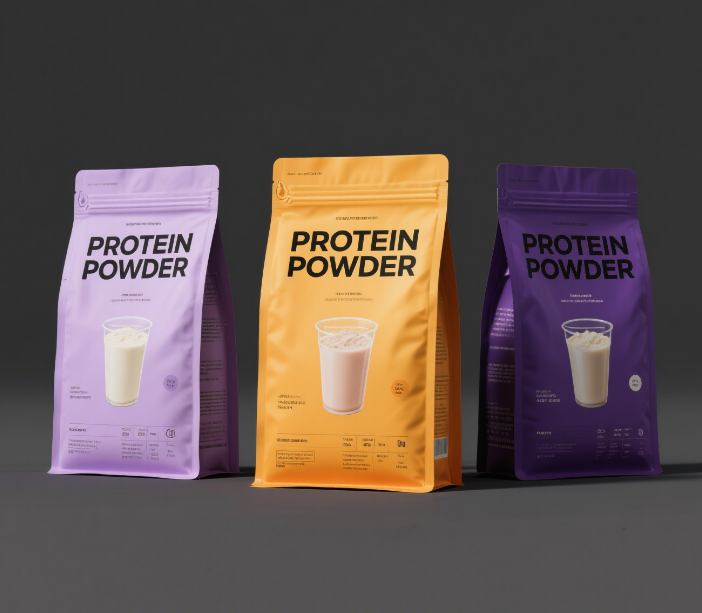
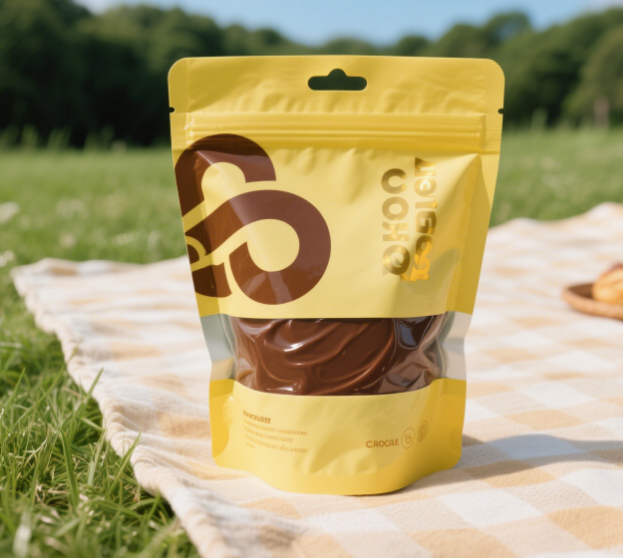
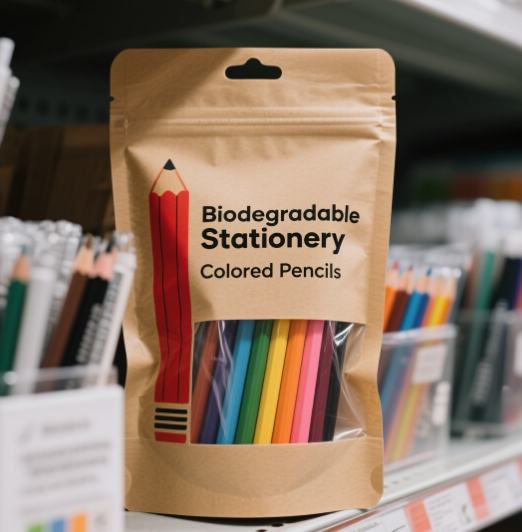
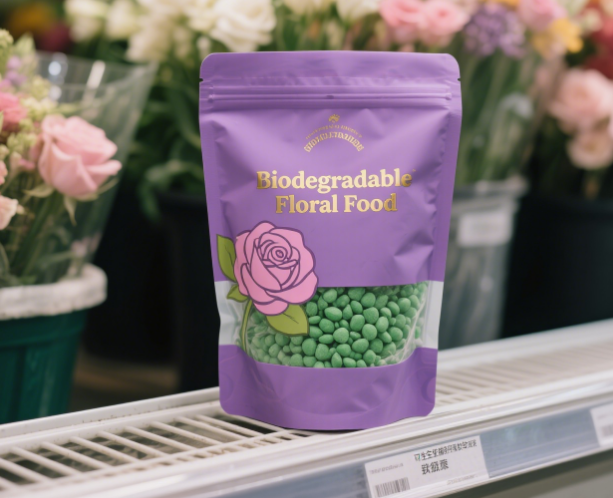
Biodegradable flexible packaging represents a revolutionary advancement in sustainable packaging solutions, designed to address growing environmental concerns while maintaining exceptional performance standards. This innovative packaging technology combines the convenience and versatility of traditional flexible materials with the environmental benefits of complete biodegradability. The primary function of biodegradable flexible packaging centers on protecting products during storage, transportation, and retail display while ensuring the packaging materials naturally decompose without leaving harmful residues. These materials utilize advanced polymer science, incorporating plant-based components such as corn starch, sugarcane derivatives, and other renewable biomass sources. The technological features include enhanced barrier properties that protect against moisture, oxygen, and light exposure, ensuring product freshness and extended shelf life. Manufacturing processes employ cutting-edge extrusion and lamination techniques that create multi-layer structures capable of matching conventional packaging performance. Applications span across multiple industries including food and beverage, pharmaceuticals, personal care products, and e-commerce shipping. Food packaging applications encompass fresh produce bags, snack pouches, coffee packaging, and frozen food wraps. The pharmaceutical sector utilizes these materials for medicine pouches, sterile wrapping, and protective covers. Personal care applications include cosmetic sachets, shampoo pouches, and skincare product packaging. E-commerce applications feature mailer bags, protective wrapping, and product cushioning materials. The decomposition process typically occurs within 90 to 180 days under proper composting conditions, breaking down into water, carbon dioxide, and organic matter that enriches soil quality. Manufacturing standards comply with international certifications including ASTM D6400 and EN 13432, ensuring verified compostability and biodegradation rates. Quality control measures guarantee consistent material properties, including tensile strength, puncture resistance, and seal integrity that meet industry requirements for product protection and handling efficiency.


New Product Recommendations

Biodegradable flexible packaging offers substantial environmental benefits that directly address waste management challenges facing modern businesses and consumers. Companies adopting these sustainable solutions demonstrate corporate responsibility while reducing their carbon footprint and contributing to circular economy principles. The decomposition process eliminates long-term waste accumulation in landfills, where traditional plastics persist for hundreds of years. Manufacturing processes require significantly less energy compared to petroleum-based alternatives, reducing greenhouse gas emissions throughout the production cycle. Raw materials derive from renewable agricultural sources, supporting sustainable farming practices and reducing dependence on fossil fuel extraction. Cost efficiency emerges through multiple channels including reduced waste disposal fees, potential tax incentives for sustainable practices, and improved brand reputation leading to increased customer loyalty. Production scalability allows manufacturers to meet growing demand while maintaining competitive pricing structures. Supply chain optimization benefits include lighter weight materials that reduce transportation costs and lower storage requirements due to efficient space utilization. Regulatory compliance advantages help businesses meet increasingly strict environmental regulations and avoid potential penalties associated with non-sustainable packaging choices. Consumer appeal continues growing as environmental awareness increases, with studies showing 73% of consumers willing to pay premium prices for sustainable packaging options. Brand differentiation opportunities arise through clear sustainability messaging that resonates with environmentally conscious target audiences. Performance characteristics match or exceed traditional flexible packaging standards, including moisture barrier protection, puncture resistance, and printing quality for attractive product presentation. Processing compatibility allows existing packaging machinery to handle these materials with minimal modifications, reducing equipment upgrade costs. International market access improves as global regulations increasingly favor biodegradable alternatives over conventional plastics. Risk mitigation benefits include protection against future regulatory changes and consumer preference shifts toward sustainable products. Innovation opportunities enable companies to develop new product lines specifically designed around sustainable packaging features, creating competitive advantages in emerging market segments.

Tips And Tricks

New Choice of Green Packaging: Analysis of the Multiple Advantages of Environmentally Friendly Packaging Bags

27

Aug

New Choice of Green Packaging: Analysis of the Multiple Advantages of Environmentally Friendly Packaging Bags

The Rise of Sustainable Packaging Solutions in Modern Commerce As global environmental awareness reaches unprecedented levels, the packaging industry stands at a crucial turning point. Environmentally friendly packaging bags have emerged as a revolut...
View More
The key to keeping pet food fresh: innovative packaging solutions

18

Sep

The key to keeping pet food fresh: innovative packaging solutions

Modern Innovations Revolutionizing Pet Food Freshness The evolution of pet food packaging has transformed dramatically over the past decade, with innovative solutions emerging to address the growing demands of pet owners who prioritize freshness and ...
View More
Stand on your own without tilting, take it upside down without spilling - a snack/dry goods special stand up bag that can be opened with one hand!

21

Oct

Stand on your own without tilting, take it upside down without spilling - a snack/dry goods special stand up bag that can be opened with one hand!

Revolutionizing Packaging Design with Innovative Stand Up Pouches The world of packaging has witnessed a remarkable transformation with the introduction of specialized stand up bags that are revolutionizing how we store and consume snacks and dry goo...
View More
No excess waste generated! The self standing bag can stand on its own when opened, without the need to find additional containers. It is environmentally friendly and convenient

21

Oct

No excess waste generated! The self standing bag can stand on its own when opened, without the need to find additional containers. It is environmentally friendly and convenient

Transforming Everyday Storage with Innovative Self-Supporting Design In our fast-paced world, the evolution of storage solutions has taken a remarkable turn with the introduction of self standing bags. These innovative containers represent a perfect ...
View More

Get a Free Quote

Our representative will contact you soon.
Email
Name
Company Name
Mobile
Message
0/1000

biodegradable flexible packaging

Complete Environmental Breakdown Within 180 Days

Complete Environmental Breakdown Within 180 Days

The most compelling feature of biodegradable flexible packaging lies in its scientifically proven ability to completely decompose within 90 to 180 days under proper composting conditions, transforming packaging waste from a long-term environmental burden into valuable soil enrichment. This remarkable characteristic stems from advanced polymer engineering that incorporates naturally occurring microorganisms capable of breaking down complex molecular structures into harmless organic compounds. The decomposition process begins immediately upon exposure to appropriate moisture levels, temperature ranges between 50-60 degrees Celsius, and oxygen availability found in commercial composting facilities. Independent laboratory testing confirms that these materials achieve 90% biodegradation within the specified timeframe, meeting strict international standards established by ASTM D6400 and EN 13432 certification bodies. Unlike conventional plastic packaging that fragments into harmful microplastics persisting in ecosystems for centuries, biodegradable flexible packaging completely disappears without leaving toxic residues or chemical contaminants. The resulting organic matter contributes beneficial nutrients to soil systems, supporting plant growth and ecosystem health rather than causing environmental damage. Home composting applications demonstrate successful decomposition in backyard compost bins within 6-12 months, providing consumers with convenient disposal options that align with sustainable lifestyle choices. Industrial composting facilities report processing efficiency improvements when handling biodegradable flexible packaging compared to sorting and managing traditional plastic waste streams. Environmental impact assessments reveal significant reductions in landfill accumulation, with each ton of biodegradable packaging preventing approximately 2.5 tons of conventional plastic waste from entering waste management systems. Marine environment protection benefits include elimination of ocean plastic pollution risks, as accidental disposal results in natural breakdown rather than persistent contamination affecting marine life and food chains.
Superior Barrier Protection Matching Traditional Performance

Superior Barrier Protection Matching Traditional Performance

Biodegradable flexible packaging delivers exceptional barrier protection properties that equal or surpass conventional plastic materials, ensuring optimal product preservation while maintaining environmental sustainability goals. Advanced multi-layer construction techniques create sophisticated barrier systems that effectively block moisture transmission, oxygen permeability, and light exposure that could compromise product quality and shelf life. Moisture barrier performance achieves transmission rates below 0.1 grams per square meter per day, protecting sensitive products including pharmaceuticals, electronics components, and moisture-sensitive foods from humidity damage. Oxygen barrier capabilities reach levels suitable for extending perishable food freshness, with permeability rates comparable to traditional polyethylene and polypropylene materials commonly used in food packaging applications. Manufacturing processes incorporate natural wax coatings and plant-based polymer layers that enhance protective qualities without compromising biodegradability characteristics. Temperature resistance properties enable safe storage and transportation across varied climate conditions, maintaining structural integrity from -20 to 60 degrees Celsius without material degradation or barrier compromise. Puncture resistance testing demonstrates superior strength characteristics that prevent package failures during handling, shipping, and storage operations. Seal integrity performance ensures airtight closures that maintain product freshness and prevent contamination throughout distribution channels. Compatibility with standard packaging machinery eliminates operational disruptions while delivering consistent barrier performance across high-volume production runs. Quality control protocols include comprehensive testing procedures that verify barrier properties throughout manufacturing processes, ensuring every package meets specified protection standards. Custom barrier formulations address specific product requirements, enabling tailored solutions for unique preservation challenges across diverse industry applications. Laboratory validation studies confirm long-term barrier stability, demonstrating consistent protection properties throughout recommended storage periods before natural decomposition processes begin.
Cost-Effective Implementation With Immediate ROI Benefits

Cost-Effective Implementation With Immediate ROI Benefits

Biodegradable flexible packaging implementation delivers measurable return on investment through multiple cost reduction channels and revenue enhancement opportunities that justify initial adoption investments within 12-18 months. Direct cost savings emerge through reduced waste disposal fees, as biodegradable materials eliminate expensive landfill charges and hazardous waste management requirements associated with traditional plastic packaging disposal. Transportation cost reductions result from lighter material weights that decrease shipping expenses and fuel consumption throughout distribution networks. Manufacturing efficiency improvements include streamlined production processes that require fewer chemical additives and processing steps compared to conventional plastic manufacturing. Regulatory compliance benefits prevent potential fines and penalties associated with environmental violations, while positioning companies advantageously for future legislation favoring sustainable packaging solutions. Brand value enhancement creates premium pricing opportunities, with market research indicating consumers willingly pay 15-25% higher prices for products featuring verified sustainable packaging. Marketing cost efficiencies arise through authentic sustainability messaging that generates organic customer engagement and reduces advertising expenditure requirements. Supply chain optimization reduces inventory carrying costs through improved space utilization and simplified waste management procedures. Tax incentive opportunities include government rebates and credits available for companies adopting environmentally responsible packaging practices. Employee satisfaction improvements reduce recruitment and retention costs, as sustainability initiatives attract top talent and improve workplace culture. Insurance premium reductions become available through environmental risk mitigation and corporate responsibility demonstration. Export market access expansion creates new revenue streams in regions with strict environmental packaging regulations. Partnership opportunities with environmentally conscious retailers and distributors create competitive advantages and preferential shelf placement. Long-term cost protection includes hedging against rising petroleum prices that affect traditional plastic material costs, while renewable raw material sources provide price stability and supply security.

Get a Free Quote

Our representative will contact you soon.
Email
Name
Company Name
Mobile
Message
0/1000