Ecofriendly Flexible Packaging Solutions - Sustainable, High-Performance Environmental Packaging

Get a Free Quote

Our representative will contact you soon.
Email
Name
Company Name
Mobile
Message
0/1000

ecofriendly flexible packaging

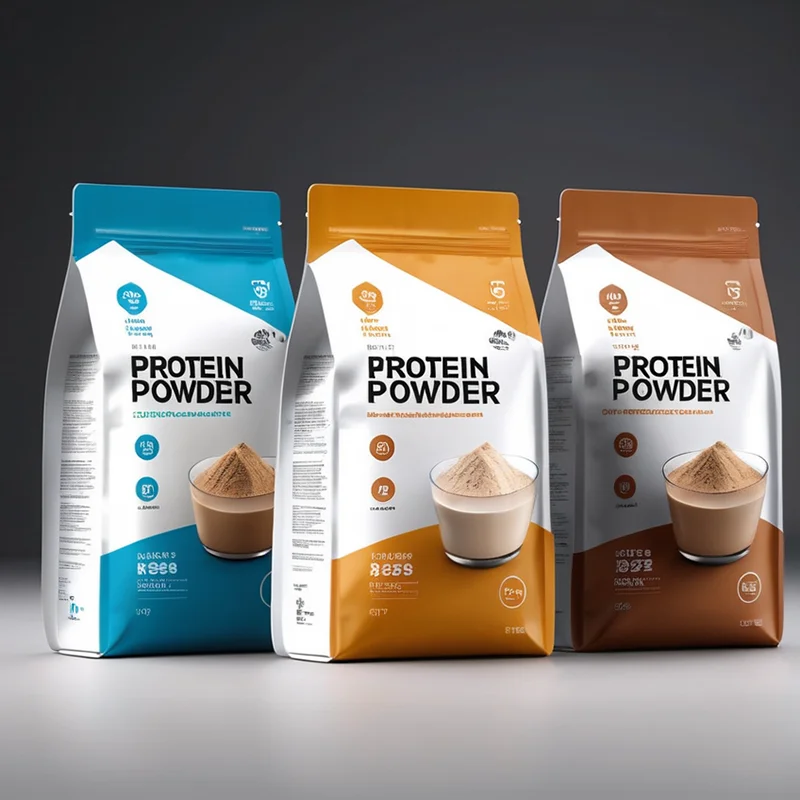
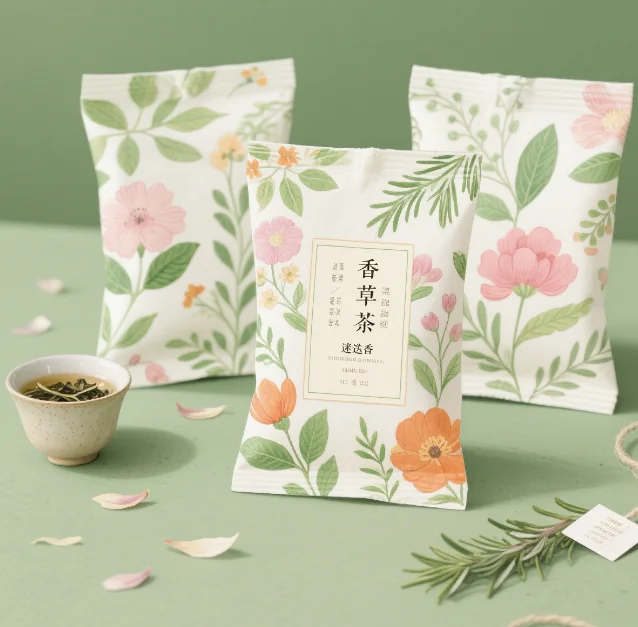
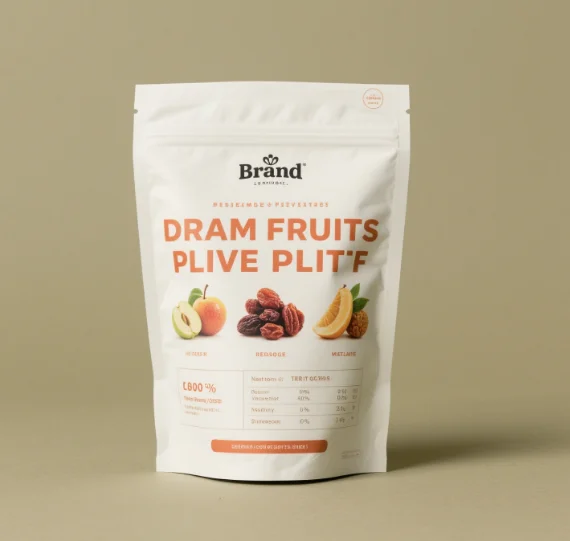
Ecofriendly flexible packaging represents a revolutionary approach to modern packaging solutions that combines environmental responsibility with superior performance characteristics. This innovative packaging technology utilizes biodegradable materials, recyclable components, and sustainable production processes to minimize environmental impact while maintaining the protective and functional qualities essential for product preservation. The main functions of ecofriendly flexible packaging include barrier protection against moisture, oxygen, and light exposure, ensuring product freshness and extending shelf life through advanced material engineering. These packaging solutions incorporate cutting-edge technological features such as bio-based polymer matrices, compostable film structures, and water-based adhesive systems that decompose naturally without leaving harmful residues. The technological innovation extends to specialized coating applications that provide enhanced durability while remaining completely biodegradable within industrial composting facilities. Applications span across diverse industries including food and beverage sectors, where ecofriendly flexible packaging protects perishable goods while reducing carbon footprint. Pharmaceutical companies utilize these solutions for medication packaging that meets stringent safety requirements while supporting sustainability goals. Consumer goods manufacturers leverage ecofriendly flexible packaging for cosmetics, personal care products, and household items, responding to growing consumer demand for environmentally conscious packaging alternatives. The technology incorporates renewable resource utilization, reducing dependency on fossil fuel-derived materials through plant-based polymer development and agricultural waste integration. Advanced manufacturing processes minimize energy consumption during production while maintaining cost-effectiveness for large-scale commercial applications. Quality control systems ensure consistent performance standards across various environmental conditions, providing reliable protection for diverse product categories. The versatile nature of ecofriendly flexible packaging allows customization for specific industry requirements while maintaining core sustainability principles, making it an ideal choice for businesses seeking to align packaging strategies with environmental stewardship objectives.


New Products

Ecofriendly flexible packaging delivers significant environmental benefits that directly translate into tangible advantages for businesses and consumers alike. These packaging solutions reduce landfill waste accumulation by utilizing materials that decompose naturally within composting environments, eliminating long-term environmental burden associated with traditional plastic packaging. Companies adopting ecofriendly flexible packaging experience enhanced brand reputation and customer loyalty as consumers increasingly prioritize sustainable purchasing decisions. The manufacturing process requires substantially less energy compared to conventional rigid packaging alternatives, resulting in reduced production costs and lower carbon emissions throughout the supply chain. Businesses benefit from improved regulatory compliance as governments worldwide implement stricter environmental regulations and packaging waste reduction mandates. The lightweight nature of ecofriendly flexible packaging significantly reduces shipping costs and transportation fuel consumption, providing immediate cost savings for distribution operations. Storage efficiency improves dramatically as flexible formats require minimal warehouse space compared to bulky rigid containers, optimizing inventory management and reducing overhead expenses. Product protection capabilities remain exceptionally high while utilizing renewable materials, ensuring that quality standards never compromise sustainability objectives. Consumer convenience increases through easy-open features and resealable options that maintain product freshness without sacrificing environmental principles. Marketing advantages emerge as ecofriendly flexible packaging serves as a visible commitment to sustainability, attracting environmentally conscious consumers and differentiating products in competitive markets. Supply chain flexibility improves through reduced material sourcing complexity and simplified disposal processes that eliminate specialized recycling requirements. Innovation opportunities expand as manufacturers continuously develop new bio-based materials and production techniques, providing access to cutting-edge packaging technologies. Cost predictability enhances through reduced exposure to volatile petroleum prices that affect traditional plastic production, offering more stable long-term pricing structures. Employee satisfaction and recruitment benefits arise from corporate sustainability initiatives that attract top talent and improve workplace culture. Risk mitigation occurs through diversified material sourcing that reduces dependency on single suppliers and volatile commodity markets, ensuring consistent packaging availability while supporting environmental goals.

Practical Tips

From 'disposable' to 'return to nature': the environmental code for biodegradable packaging bags

27

Aug

From 'disposable' to 'return to nature': the environmental code for biodegradable packaging bags

The Revolution of Sustainable Packaging in Modern Commerce The packaging industry stands at a crucial turning point as environmental consciousness reshapes consumer behavior and business practices. At the heart of this transformation lies the growing...
View More
From Health to Environmental Protection: Why have eco-friendly packaging bags become a new standard in daily life?

27

Aug

From Health to Environmental Protection: Why have eco-friendly packaging bags become a new standard in daily life?

The Rise of Sustainable Packaging Solutions in Modern Society The landscape of consumer packaging has undergone a dramatic transformation in recent years, with eco-friendly packaging bags emerging as a cornerstone of sustainable living. As environmen...
View More
Recyclable+self standing and stable storage! It is used for daily chemical samples and travel packaging, which is both environmentally friendly and leak proof

21

Oct

Recyclable+self standing and stable storage! It is used for daily chemical samples and travel packaging, which is both environmentally friendly and leak proof

Revolutionizing Storage with Sustainable Solutions In today's environmentally conscious world, the demand for sustainable storage solutions has never been greater. Recyclable self-standing containers have emerged as a game-changing innovation, offeri...
View More
Aluminum Foil Bag vs Plastic: Which is Better?

27

Nov

Aluminum Foil Bag vs Plastic: Which is Better?

The packaging industry continues to evolve as businesses seek optimal solutions for product protection, sustainability, and cost-effectiveness. When comparing packaging materials, the debate between aluminum foil bag options and traditional plastic a...
View More

Get a Free Quote

Our representative will contact you soon.
Email
Name
Company Name
Mobile
Message
0/1000

ecofriendly flexible packaging

Revolutionary Biodegradable Material Technology

Revolutionary Biodegradable Material Technology

The cornerstone of ecofriendly flexible packaging lies in its revolutionary biodegradable material technology that fundamentally transforms how products interact with the environment after disposal. This advanced technology incorporates specially engineered bio-polymers derived from renewable plant sources such as corn starch, sugarcane, and agricultural waste products, creating packaging materials that maintain exceptional strength and flexibility while remaining completely compostable. The biodegradable matrix structure breaks down through natural microbial processes within 90 to 180 days under industrial composting conditions, leaving no toxic residues or microplastics that could harm ecosystems. Manufacturing processes utilize innovative extrusion and lamination techniques that create multi-layer barrier films without compromising biodegradability, ensuring products receive optimal protection against moisture, oxygen, and contamination. The technology incorporates controlled degradation triggers that activate only when exposed to specific composting environments, preventing premature breakdown during storage and transportation while ensuring rapid decomposition after disposal. Quality assurance protocols verify consistent performance across varying environmental conditions, maintaining product integrity throughout distribution cycles while guaranteeing complete biodegradation within specified timeframes. Cost-effectiveness emerges through streamlined production processes that eliminate complex recycling infrastructure requirements, reducing overall packaging lifecycle costs for manufacturers and waste management systems. Innovation continues through ongoing research and development that expands material capabilities, introducing enhanced barrier properties and specialized applications for sensitive products requiring extended shelf life. Consumer education programs accompany biodegradable technology implementation, providing clear disposal instructions and highlighting environmental benefits to maximize positive impact. Certification standards from recognized environmental organizations validate biodegradability claims, ensuring transparency and building consumer confidence in sustainable packaging choices. The technology supports circular economy principles by converting packaging waste into valuable compost that enriches soil and supports agricultural productivity, creating positive environmental outcomes that extend far beyond waste reduction.
Superior Barrier Protection with Zero Environmental Compromise

Superior Barrier Protection with Zero Environmental Compromise

Ecofriendly flexible packaging achieves superior barrier protection that rivals traditional packaging materials while maintaining complete environmental compatibility through innovative engineering and sustainable material selection. Advanced multi-layer construction utilizes bio-based polymers and natural mineral coatings to create impermeable barriers against moisture, oxygen, light, and aromatic compounds that could compromise product quality or safety. The barrier technology incorporates molecular-level design principles that optimize protective performance without relying on petroleum-derived materials or toxic additives that persist in environmental systems. Specialized coating applications utilize plant-based waxes and proteins that enhance barrier properties while remaining completely biodegradable, ensuring product protection never comes at environmental expense. Performance testing demonstrates equivalent or superior protection compared to conventional plastic packaging across diverse product categories including fresh foods, pharmaceuticals, and sensitive electronic components. Temperature stability maintains barrier integrity across extreme conditions from frozen storage to high-heat environments, providing reliable protection throughout complex distribution networks and varying climate conditions. Puncture resistance and tear strength meet or exceed industry standards through fiber reinforcement and cross-linking technologies derived from renewable sources, ensuring package integrity during handling and transportation. Gas transmission rates achieve optimal levels for specific product requirements through precisely controlled molecular structure modification, extending shelf life and maintaining product freshness without synthetic chemical intervention. UV protection capabilities safeguard light-sensitive products through natural pigments and bio-based UV absorbers that prevent degradation while remaining environmentally safe. Quality consistency emerges through advanced manufacturing controls that ensure uniform barrier performance across production runs, providing predictable protection levels for critical applications. The barrier technology adapts to specific industry requirements through customizable formulations that address unique protection needs while maintaining sustainability principles, offering tailored solutions for diverse market segments. Compatibility testing with various product types confirms barrier effectiveness across chemical, physical, and biological interactions, ensuring comprehensive protection without environmental compromise or performance degradation.
Economic Efficiency and Market Competitive Advantages

Economic Efficiency and Market Competitive Advantages

Ecofriendly flexible packaging provides substantial economic efficiency and competitive market advantages that directly impact business profitability while supporting environmental sustainability objectives through optimized resource utilization and operational improvements. Manufacturing cost reduction occurs through simplified production processes that eliminate expensive additives and complex recycling infrastructure requirements, resulting in lower per-unit packaging costs compared to traditional alternatives. Supply chain optimization emerges from lightweight design characteristics that reduce transportation fuel consumption by up to 40 percent compared to rigid packaging alternatives, translating into immediate cost savings for distribution operations. Inventory management efficiency improves dramatically through space-saving flexible formats that require 70 percent less storage volume than equivalent rigid containers, reducing warehouse costs and improving inventory turnover rates. Market differentiation advantages arise from visible sustainability commitments that attract environmentally conscious consumers, commanding premium pricing and building brand loyalty in competitive markets. Regulatory compliance benefits eliminate potential fines and penalties associated with packaging waste regulations while positioning companies ahead of evolving environmental legislation requirements. Employee productivity increases through simplified handling and processing procedures that reduce training requirements and minimize workplace safety concerns associated with rigid packaging materials. Customer retention improves as businesses demonstrate genuine environmental commitment through sustainable packaging choices, building long-term relationships with increasingly eco-aware consumer bases. Innovation opportunities expand through collaboration with sustainable material suppliers and research institutions, providing access to cutting-edge technologies and potential intellectual property development. Risk management advantages include reduced exposure to volatile petroleum prices and supply chain disruptions that affect traditional plastic packaging production, ensuring more predictable cost structures. Export market access improves as international regulations increasingly favor sustainable packaging solutions, opening new business opportunities in environmentally conscious global markets. Investment attraction increases from sustainability-focused investors and stakeholders who prioritize environmental, social, and governance criteria in funding decisions. Long-term cost stability emerges through renewable resource utilization that reduces dependency on finite fossil fuel supplies, providing predictable pricing structures for strategic business planning and budget forecasting.

Get a Free Quote

Our representative will contact you soon.
Email
Name
Company Name
Mobile
Message
0/1000