Environmentally Friendly Flexible Packaging Solutions - Sustainable Protection Technology

Get a Free Quote

Our representative will contact you soon.
Email
Name
Company Name
Mobile
Message
0/1000

environmentally friendly flexible packaging

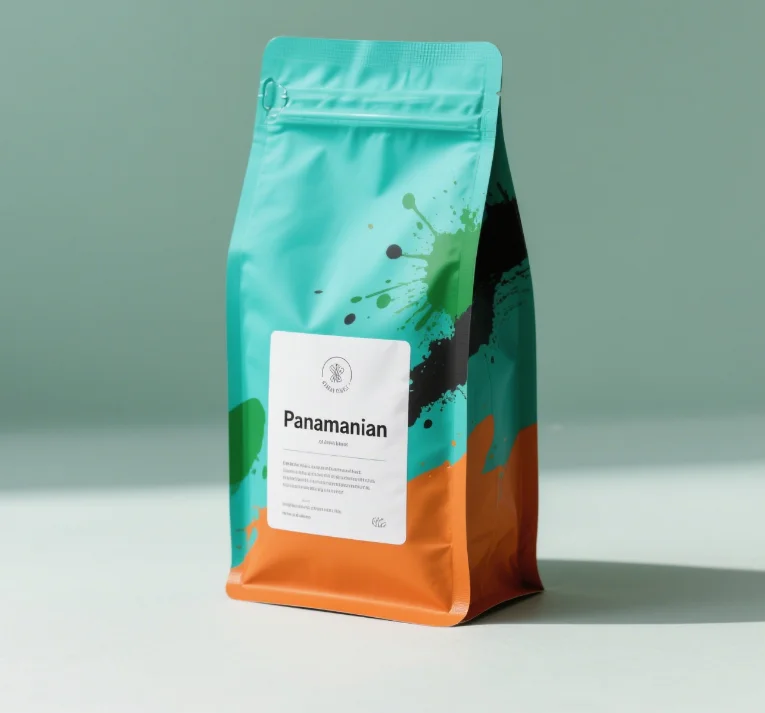
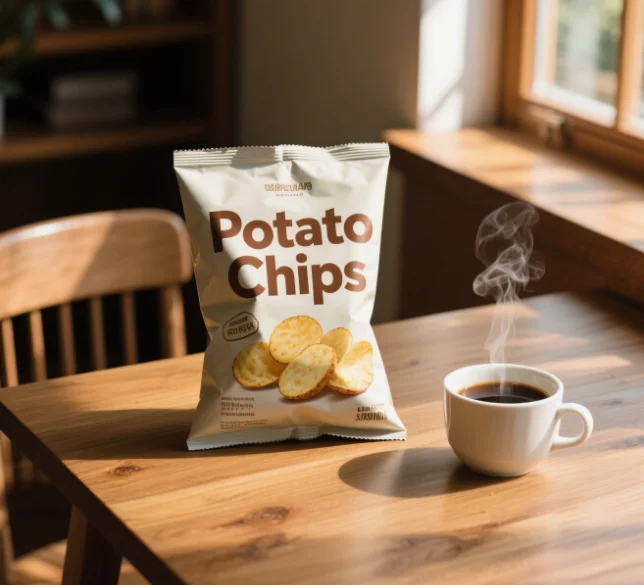
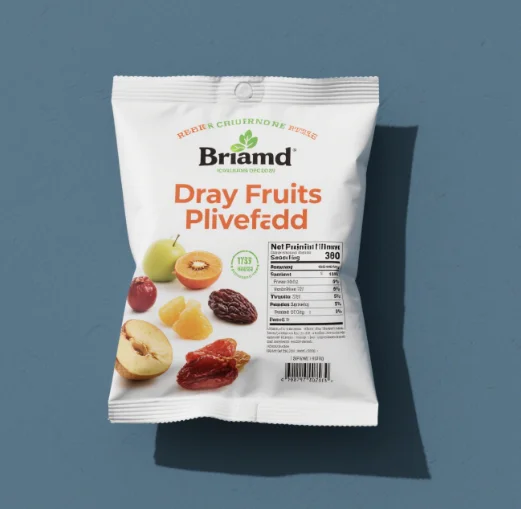
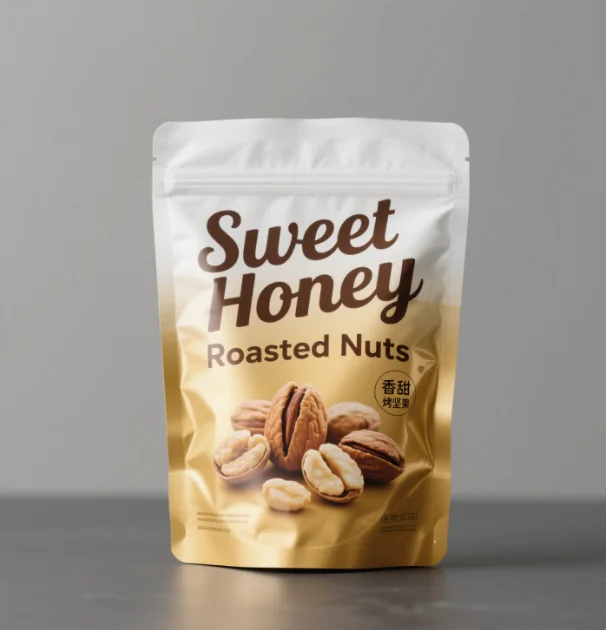
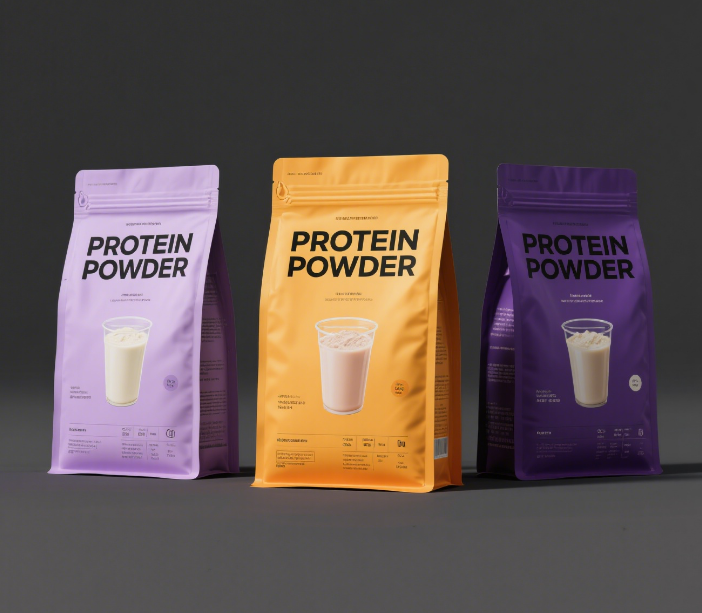
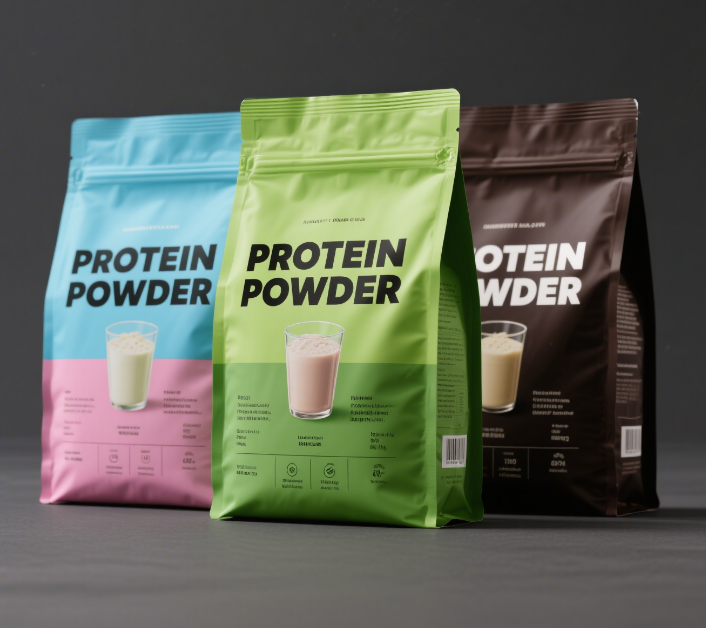
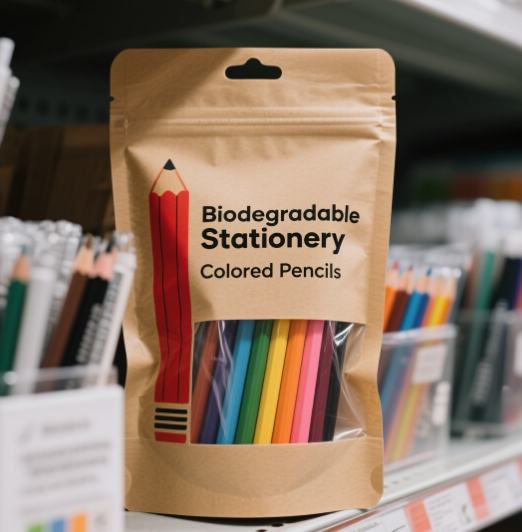
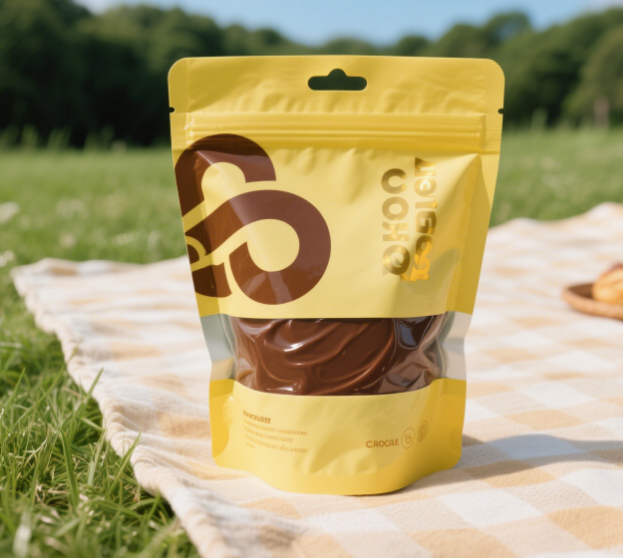
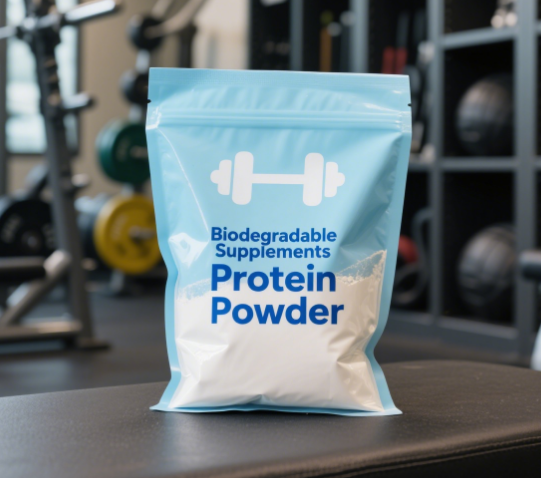
Environmentally friendly flexible packaging represents a revolutionary approach to sustainable product protection and preservation. This innovative packaging solution combines advanced material science with ecological responsibility, creating products that serve multiple essential functions while minimizing environmental impact. The primary functions of environmentally friendly flexible packaging include product protection, extended shelf life, moisture and contamination barriers, and easy transportation facilitation. These packages excel at maintaining product integrity during storage and transit, ensuring consumers receive items in optimal condition. The technological features of environmentally friendly flexible packaging encompass biodegradable polymers, compostable materials, renewable resource sourcing, and innovative barrier technologies. Manufacturers utilize plant-based materials such as corn starch, sugarcane derivatives, and cellulose fibers to create packaging that naturally breaks down without leaving harmful residues. Advanced lamination techniques allow these materials to maintain excellent strength and flexibility while preserving their eco-friendly characteristics. The applications of environmentally friendly flexible packaging span numerous industries including food and beverage, pharmaceuticals, personal care, and consumer goods. Food manufacturers particularly benefit from these solutions as they maintain freshness while aligning with sustainability goals. Pharmaceutical companies use these packages for medication protection, ensuring patient safety while demonstrating environmental stewardship. Personal care brands leverage environmentally friendly flexible packaging to appeal to eco-conscious consumers who prioritize sustainable purchasing decisions. Retail applications include everything from snack foods and frozen products to household cleaners and cosmetics. The versatility of these packaging solutions allows customization for specific product requirements while maintaining environmental benefits. Manufacturing processes for environmentally friendly flexible packaging often require less energy than traditional alternatives, further reducing carbon footprints. Quality control measures ensure these packages meet strict performance standards while maintaining their sustainable characteristics throughout the supply chain.

New Product Releases

Environmentally friendly flexible packaging delivers substantial benefits that directly impact business operations and customer satisfaction. Companies adopting these solutions reduce their carbon footprint significantly, demonstrating corporate responsibility while meeting increasingly strict environmental regulations. This packaging choice helps businesses attract environmentally conscious consumers who actively seek sustainable products, expanding market reach and building brand loyalty. Cost savings emerge through reduced material usage and optimized shipping efficiency, as environmentally friendly flexible packaging typically weighs less than rigid alternatives, lowering transportation expenses. The lightweight nature of these packages allows companies to ship more products per container, maximizing logistics efficiency and reducing fuel consumption. Manufacturing processes for environmentally friendly flexible packaging often require less energy than traditional methods, resulting in lower production costs and reduced environmental impact. Storage benefits include space optimization, as flexible packages conform to available areas more effectively than rigid containers, reducing warehouse requirements and associated costs. Product protection remains excellent despite the sustainable focus, with advanced barrier technologies preventing moisture, oxygen, and contaminants from compromising product quality. Extended shelf life capabilities help reduce food waste, addressing a critical environmental concern while providing economic benefits to both manufacturers and retailers. Consumer convenience improves through features like easy-open seals, resealable closures, and portion control options that enhance user experience. Brand differentiation occurs naturally as companies demonstrating environmental commitment gain competitive advantages in crowded marketplaces. Regulatory compliance becomes simpler as governments worldwide implement stricter packaging waste regulations, making early adoption of environmentally friendly flexible packaging a strategic advantage. Supply chain resilience improves through diversified material sources and reduced dependence on petroleum-based plastics. Customer satisfaction increases as consumers feel good about purchasing products that align with their values, leading to repeat purchases and positive word-of-mouth marketing. Innovation opportunities expand as manufacturers develop new applications and improvements for environmentally friendly flexible packaging, creating competitive moats and intellectual property advantages.

Tips And Tricks

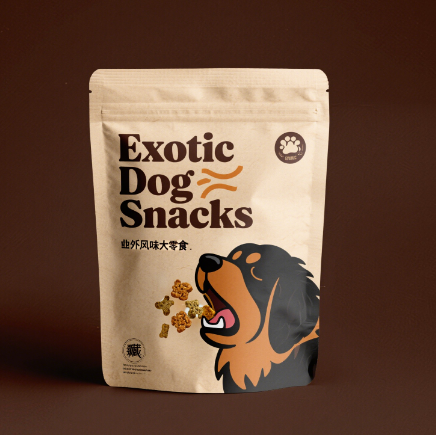
Exploring Sustainable and Durable Options for Pet Food Packaging

08

Sep

Exploring Sustainable and Durable Options for Pet Food Packaging

The Evolution of Modern Pet Food Packaging Solutions The landscape of pet food packaging has undergone a remarkable transformation in recent years, driven by increasing environmental consciousness and the growing demand for sustainable solutions. As ...
View More
Food/daily necessities universal: environmentally friendly self standing bag, sealed and non leaking+biodegradable, balancing convenience and green

18

Sep

Food/daily necessities universal: environmentally friendly self standing bag, sealed and non leaking+biodegradable, balancing convenience and green

The Evolution of Sustainable Packaging Solutions In our modern world, the intersection of convenience and environmental responsibility has become increasingly important. The emergence of environmentally friendly self standing bags represents a signif...
View More
Block air+stand on your own and stabilize! Pet food/flower tea can still be stored standing after opening

21

Oct

Block air+stand on your own and stabilize! Pet food/flower tea can still be stored standing after opening

Revolutionary Storage Solutions for Maintaining Freshness After Opening In our daily lives, we often struggle with keeping opened packages of pet food and flower tea fresh and properly stored. The innovative block air+stand storage solution addresses...
View More
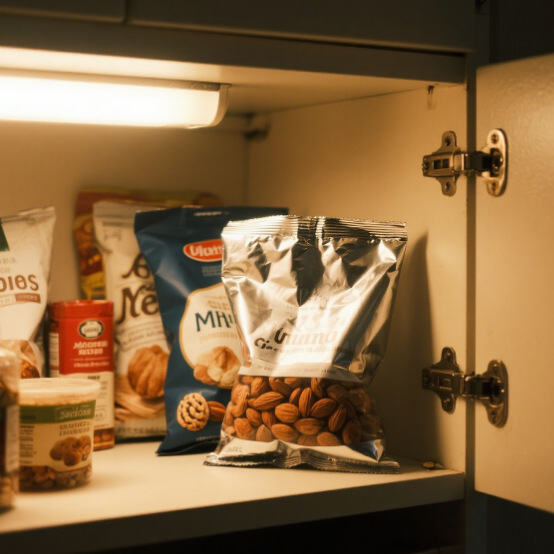
Best Aluminum Foil Bags for Food Storage: Expert Review

27

Nov

Best Aluminum Foil Bags for Food Storage: Expert Review

Food storage solutions have evolved significantly over the past decade, with aluminum foil bag technology leading the charge in preserving freshness and extending shelf life. These innovative packaging solutions combine the barrier properties of alum...
View More

Get a Free Quote

Our representative will contact you soon.
Email
Name
Company Name
Mobile
Message
0/1000

environmentally friendly flexible packaging

Revolutionary Biodegradable Technology

Revolutionary Biodegradable Technology

The cornerstone of environmentally friendly flexible packaging lies in its revolutionary biodegradable technology that transforms how products are protected while ensuring minimal environmental impact. This advanced technology utilizes sophisticated polymer chains derived from renewable sources such as corn starch, potato starch, and sugarcane, creating materials that maintain exceptional strength and flexibility during use but decompose naturally when exposed to composting conditions. The biodegradation process occurs through microbial action, where naturally occurring bacteria and fungi break down the packaging materials into carbon dioxide, water, and organic matter, leaving no toxic residues or microplastics in the environment. This technology represents years of research and development, incorporating molecular engineering techniques that optimize material properties for specific applications while maintaining biodegradability standards. The controlled degradation timeline allows products to maintain integrity throughout their intended lifecycle, typically ranging from 12 to 36 months under normal storage conditions, before beginning the biodegradation process when disposed of properly. Manufacturing facilities producing environmentally friendly flexible packaging with this technology often achieve significant reductions in greenhouse gas emissions compared to traditional plastic production, as bio-based feedstocks require less energy to process and generate fewer carbon emissions during production. Quality assurance protocols ensure consistent performance across different environmental conditions, with rigorous testing procedures validating barrier properties, tensile strength, and degradation timelines. The technology adapts to various product requirements, allowing customization of thickness, barrier properties, and degradation rates based on specific application needs. Consumer education plays a crucial role in maximizing the benefits of this biodegradable technology, as proper disposal methods ensure optimal environmental outcomes. Certification programs from recognized organizations validate the biodegradability claims, providing transparency and confidence to both businesses and consumers investing in these sustainable solutions.
Enhanced Product Protection Performance

Enhanced Product Protection Performance

Environmentally friendly flexible packaging delivers enhanced product protection performance that rivals and often exceeds traditional packaging materials while maintaining sustainable characteristics throughout the product lifecycle. Advanced barrier technologies integrated into these eco-friendly solutions provide superior protection against moisture, oxygen, light, and other environmental factors that can compromise product quality, freshness, and safety. Multi-layer construction techniques allow manufacturers to combine different bio-based materials, creating synergistic effects that optimize protection properties for specific product categories while ensuring complete biodegradability. The molecular structure of these advanced materials creates tight barrier networks that prevent moisture transmission rates below critical thresholds, essential for products like pharmaceuticals, electronics, and sensitive food items. Oxygen barrier capabilities protect products prone to oxidation, extending shelf life naturally without requiring additional preservatives or chemical treatments that could impact product quality or consumer health. Puncture resistance and tear strength properties match or exceed conventional flexible packaging options, ensuring products remain secure during transportation, handling, and storage phases. Temperature stability allows environmentally friendly flexible packaging to maintain protective properties across wide temperature ranges, from frozen food applications to products stored in warm climates. UV protection features shield light-sensitive products from degradation while maintaining transparency when visual product inspection is required. Seal integrity testing demonstrates consistent performance under various stress conditions, including pressure changes during air transport and mechanical stress from automated packaging equipment. Compatibility testing with different product formulations ensures no adverse interactions occur between packaging materials and contents, maintaining product purity and safety standards. Accelerated aging studies validate long-term performance characteristics, providing confidence in extended shelf life claims and storage recommendations. Quality control measures throughout production ensure consistent barrier properties across all package units, eliminating weak points that could compromise product protection. These enhanced protection capabilities enable manufacturers to confidently transition to sustainable packaging solutions without sacrificing the product integrity that consumers expect and deserve.
Cost-Effective Sustainability Solution

Cost-Effective Sustainability Solution

Environmentally friendly flexible packaging represents a cost-effective sustainability solution that delivers measurable economic benefits while supporting environmental responsibility goals across multiple business operations. Initial investment considerations often concern decision-makers, but comprehensive cost analysis reveals significant long-term savings through reduced material consumption, optimized shipping efficiency, and improved waste management outcomes. Material usage efficiency stems from the lightweight nature of these packages, which require less raw material per unit compared to rigid alternatives, directly reducing procurement costs and storage requirements for packaging inventories. Transportation cost reductions occur through weight optimization, allowing companies to ship larger quantities per container while reducing fuel consumption and associated carbon emissions, creating dual benefits of cost savings and environmental improvement. Manufacturing efficiency improvements result from streamlined production processes that often require less energy than traditional plastic production, reducing utility costs and operational overhead while supporting sustainability initiatives. Waste disposal cost reductions become significant as environmentally friendly flexible packaging eliminates expensive special handling requirements associated with traditional plastic waste, while composting options may generate revenue through organic waste programs. Labor cost optimization occurs through improved handling characteristics, as flexible packages often require less manual intervention during filling, sealing, and packaging operations compared to rigid alternatives. Storage space efficiency translates directly to reduced warehouse costs, as flexible packages maximize available cubic space utilization, allowing businesses to store more inventory in existing facilities or reduce facility footprint requirements. Brand premium opportunities emerge as environmentally conscious consumers increasingly choose sustainable products, often accepting higher price points for environmentally responsible options, improving profit margins while supporting market differentiation strategies. Regulatory compliance cost avoidance becomes increasingly important as governments implement plastic waste taxes and restrictions, making early adoption of sustainable alternatives a strategic financial decision that prevents future compliance expenses and potential penalties. Risk mitigation benefits include reduced exposure to volatile petroleum-based raw material price fluctuations, as bio-based materials often demonstrate more stable pricing patterns tied to agricultural commodities rather than oil markets.

Get a Free Quote

Our representative will contact you soon.
Email
Name
Company Name
Mobile
Message
0/1000