Sustainable Flexible Packaging Solutions: Eco-Friendly Innovation for Modern Industry

Get a Free Quote

Our representative will contact you soon.
Email
Name
Company Name
Mobile
Message
0/1000

sustainable flexible packaging

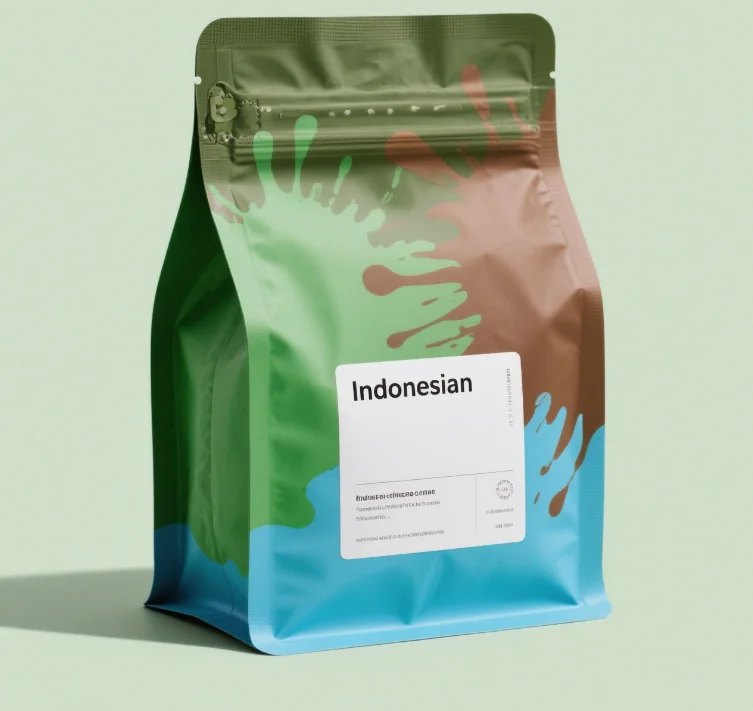
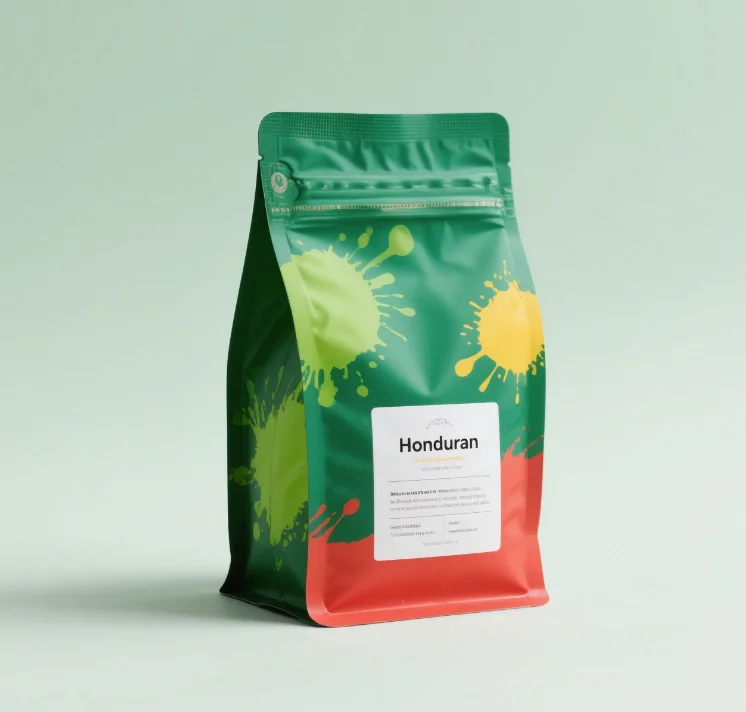
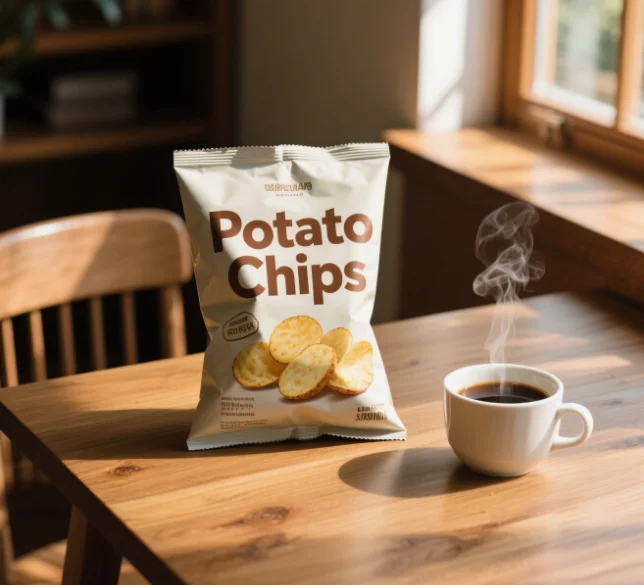
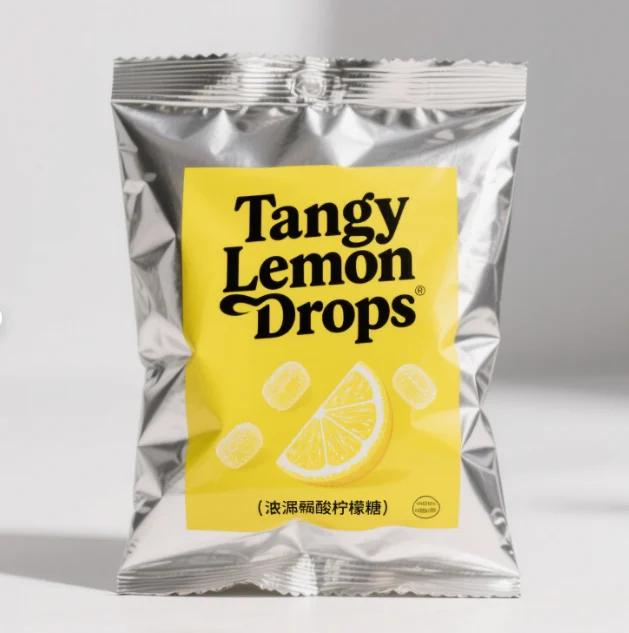
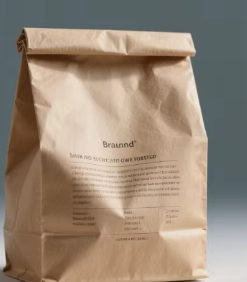
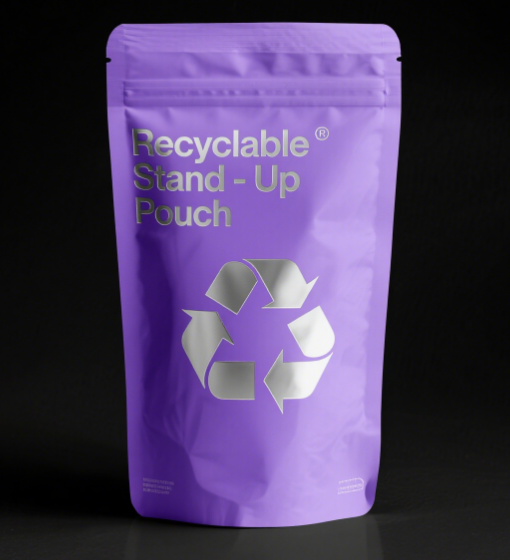
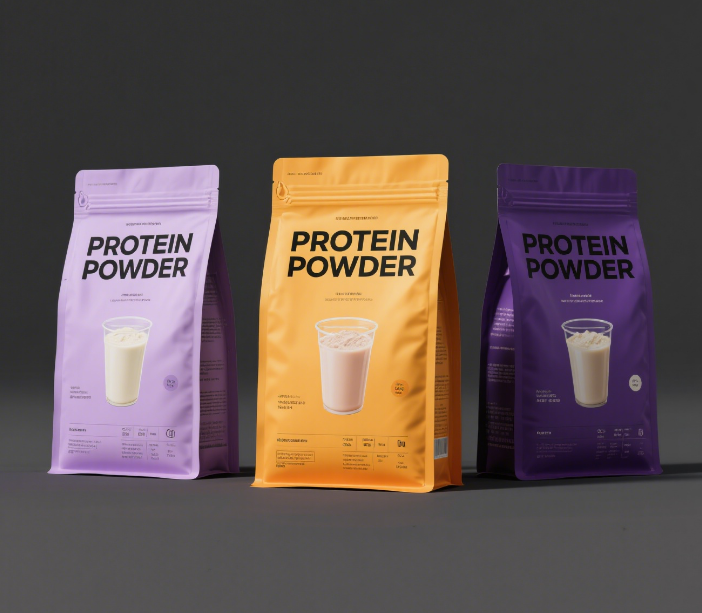
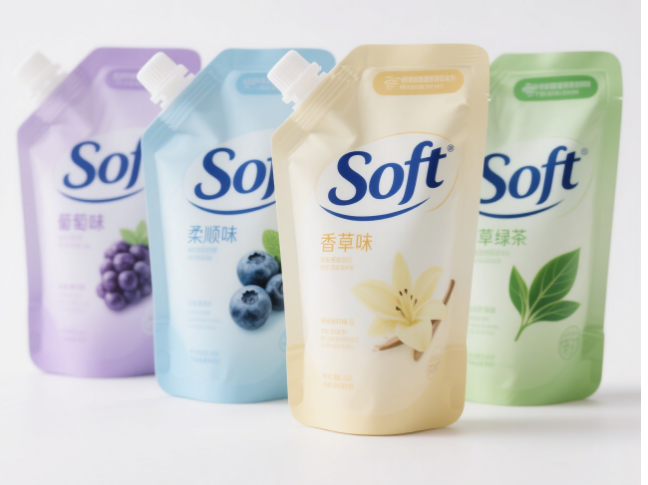
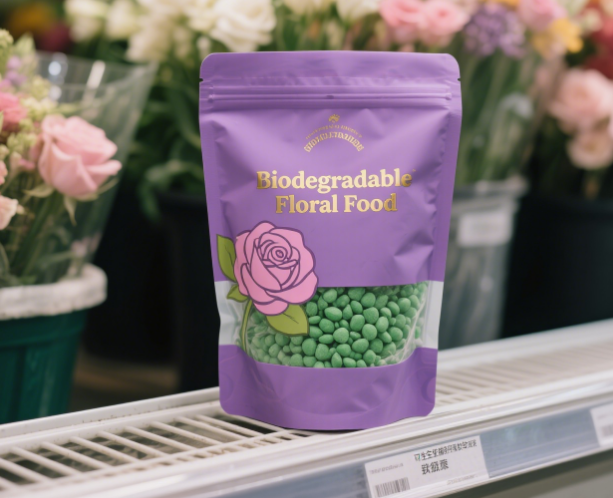
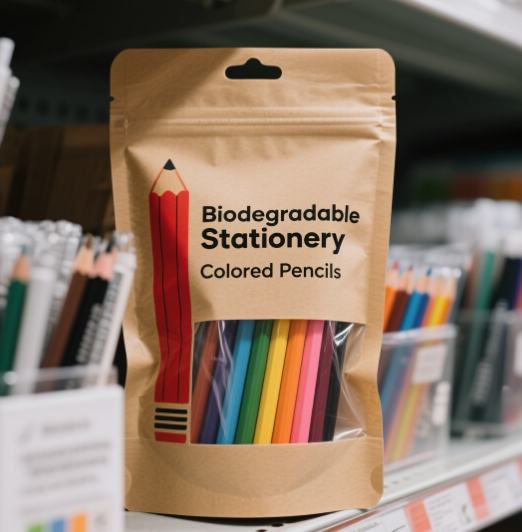
Sustainable flexible packaging represents a revolutionary approach to modern packaging solutions, combining environmental responsibility with exceptional performance characteristics. This innovative packaging technology utilizes eco-friendly materials and manufacturing processes to create versatile, lightweight solutions that meet diverse industry requirements while minimizing environmental impact. The primary functions of sustainable flexible packaging include product protection, shelf-life extension, barrier properties against moisture and oxygen, and convenient user experience through resealable closures and easy-open features. These packaging solutions serve as protective barriers that maintain product integrity during transportation, storage, and retail display. Technological features of sustainable flexible packaging encompass advanced material science innovations, including biodegradable polymers, compostable films, and recyclable multi-layer structures. Manufacturing processes incorporate renewable energy sources, water-efficient production methods, and waste reduction techniques. The technology integrates smart barrier properties that preserve product freshness while using significantly less material compared to traditional rigid packaging alternatives. Applications span across numerous industries, including food and beverage, pharmaceuticals, personal care products, and industrial goods. In food packaging, sustainable flexible packaging maintains freshness for perishables, extends shelf life for processed foods, and provides convenient portion control options. Pharmaceutical applications benefit from moisture protection and tamper-evident features essential for medication safety. Personal care products utilize these solutions for leak-proof containers and attractive presentation formats. Industrial applications leverage durability and chemical resistance properties for specialized product protection. The versatility of sustainable flexible packaging enables customization for specific product requirements, including various sizes, shapes, and functional features. Advanced printing capabilities allow for vibrant graphics and essential product information display, supporting brand recognition and consumer communication while maintaining environmental sustainability principles throughout the entire packaging lifecycle.


New Products

Sustainable flexible packaging delivers substantial environmental benefits that directly impact corporate sustainability goals and consumer preferences. Companies reduce their carbon footprint through lightweight packaging that requires less energy for transportation and storage. The materials decompose naturally or integrate into existing recycling streams, eliminating long-term landfill accumulation. Manufacturing processes consume significantly less water and energy compared to traditional packaging methods, contributing to overall resource conservation efforts. Cost savings represent another compelling advantage, as sustainable flexible packaging reduces material usage by up to 75% compared to rigid alternatives. Transportation costs decrease due to reduced weight and volume, allowing more products per shipment. Storage efficiency improves through space-saving designs that maximize warehouse capacity utilization. Labor costs diminish through automated packaging processes and reduced handling requirements. Enhanced product protection capabilities ensure reduced waste from damaged goods during distribution channels. Superior barrier properties maintain product quality longer, extending shelf life and reducing inventory turnover pressures. Moisture resistance prevents contamination and degradation, while oxygen barriers preserve nutritional value and flavor integrity for food products. Temperature stability protects sensitive items during various storage conditions and climate variations. Consumer convenience features boost market appeal and customer satisfaction levels. Easy-open mechanisms improve user experience for elderly consumers and individuals with mobility limitations. Resealable closures maintain product freshness after initial opening, reducing food waste in household environments. Portion control options support healthy lifestyle choices and reduce overconsumption tendencies. Transparent materials allow visual product inspection, building consumer confidence and purchase decisions. Customization capabilities enable brand differentiation through unique shapes, colors, and functional features. Marketing opportunities expand through high-quality printing surfaces that showcase product information and promotional messaging effectively. Regulatory compliance becomes easier with materials that meet food safety standards and international packaging regulations. Supply chain flexibility improves through compatibility with existing packaging equipment and distribution systems, facilitating smooth implementation processes without significant infrastructure investments.

Practical Tips

From Health to Environmental Protection: Why have eco-friendly packaging bags become a new standard in daily life?

27

Aug

From Health to Environmental Protection: Why have eco-friendly packaging bags become a new standard in daily life?

The Rise of Sustainable Packaging Solutions in Modern Society The landscape of consumer packaging has undergone a dramatic transformation in recent years, with eco-friendly packaging bags emerging as a cornerstone of sustainable living. As environmen...
View More
How to Elevate Your Product Presentation with High-Quality Packaging Bags

27

Aug

How to Elevate Your Product Presentation with High-Quality Packaging Bags

Transform Your Brand Identity Through Strategic Packaging Solutions The way you present your products speaks volumes about your brand's values and commitment to quality. In today's competitive market, packaging bags have become more than just protect...
View More
Exploring Sustainable and Durable Options for Pet Food Packaging

08

Sep

Exploring Sustainable and Durable Options for Pet Food Packaging

The Evolution of Modern Pet Food Packaging Solutions The landscape of pet food packaging has undergone a remarkable transformation in recent years, driven by increasing environmental consciousness and the growing demand for sustainable solutions. As ...
View More
The key to keeping pet food fresh: innovative packaging solutions

18

Sep

The key to keeping pet food fresh: innovative packaging solutions

Modern Innovations Revolutionizing Pet Food Freshness The evolution of pet food packaging has transformed dramatically over the past decade, with innovative solutions emerging to address the growing demands of pet owners who prioritize freshness and ...
View More

Get a Free Quote

Our representative will contact you soon.
Email
Name
Company Name
Mobile
Message
0/1000

sustainable flexible packaging

Revolutionary Biodegradable Materials Technology

Revolutionary Biodegradable Materials Technology

The cornerstone of sustainable flexible packaging lies in its groundbreaking biodegradable materials technology, which transforms traditional packaging paradigms through innovative polymer science and renewable resource utilization. These advanced materials incorporate plant-based components, including corn starch, sugarcane derivatives, and cellulose fibers, creating packaging solutions that naturally decompose within controlled timeframes while maintaining superior performance characteristics during product lifecycle stages. The biodegradable technology eliminates persistent environmental pollution associated with conventional plastic packaging, as these materials break down into harmless organic compounds when exposed to composting conditions or natural environmental factors. Manufacturing processes utilize renewable feedstocks that regenerate annually, creating closed-loop systems that minimize resource depletion and support agricultural sustainability initiatives. Advanced polymer chemistry enables precise control over decomposition rates, ensuring packaging integrity throughout required shelf life periods while guaranteeing complete biodegradation within specified timeframes after disposal. Quality control measures verify material consistency and performance reliability, meeting stringent industry standards for barrier properties, mechanical strength, and chemical compatibility. The technology supports various additive systems that enhance functionality without compromising biodegradability, including natural antimicrobial agents, plant-based colorants, and bio-compatible barrier coatings. Research and development continues advancing material properties, improving processing efficiency, and reducing production costs to make sustainable flexible packaging increasingly accessible across diverse market segments. Certification programs validate biodegradation claims through standardized testing protocols, providing transparency and credibility for environmental performance assertions. Implementation requires minimal modifications to existing manufacturing equipment, facilitating smooth transitions for packaging converters and brand owners seeking sustainable alternatives. The technology scales effectively from small specialty applications to large-volume commercial productions, supporting widespread adoption across industries ranging from food service to consumer goods manufacturing.
Advanced Barrier Protection Systems

Advanced Barrier Protection Systems

Sustainable flexible packaging incorporates sophisticated barrier protection systems that surpass traditional packaging performance while maintaining environmental sustainability principles throughout material selection and manufacturing processes. These advanced barrier technologies utilize multi-layer structures combining renewable materials with innovative coating applications to create superior protection against moisture, oxygen, light, and contaminants that compromise product quality and safety. The barrier systems employ nanotechnology applications that enhance protective properties without increasing material thickness or weight, maximizing efficiency while minimizing resource consumption. Selective permeability features allow controlled gas exchange for products requiring specific atmospheric conditions, such as fresh produce packaging that maintains optimal respiration rates while preventing excessive moisture loss. Advanced coating formulations incorporate natural wax emulsions, plant-based proteins, and mineral-derived compounds that provide exceptional barrier performance comparable to synthetic alternatives. Testing protocols verify barrier effectiveness across temperature ranges, humidity levels, and storage durations relevant to specific product applications, ensuring reliable protection throughout distribution channels and retail environments. The technology addresses diverse protection requirements, from high-barrier applications protecting sensitive pharmaceuticals to breathable films supporting fresh food preservation. Integration capabilities allow combination with other functional features, including antimicrobial properties, UV protection, and antistatic characteristics, creating comprehensive packaging solutions for specialized applications. Manufacturing flexibility accommodates various production methods, including extrusion coating, lamination processes, and solution casting techniques, enabling optimization for specific performance requirements and cost objectives. Quality assurance programs monitor barrier consistency through automated testing systems that verify performance specifications and identify potential issues before products reach market channels. Customization options support unique barrier combinations tailored to specific product sensitivities and storage conditions, providing optimized protection while maintaining sustainability commitments. The systems demonstrate excellent compatibility with existing packaging equipment and processing conditions, facilitating implementation without significant capital investments or operational disruptions.
Comprehensive End-of-Life Solutions

Comprehensive End-of-Life Solutions

Sustainable flexible packaging provides comprehensive end-of-life solutions that address growing environmental concerns while supporting circular economy principles through innovative disposal pathways and material recovery systems. These solutions encompass multiple disposal options including industrial composting, home composting, chemical recycling, and specialized collection programs that ensure responsible material management after consumer use. Industrial composting facilities process sustainable flexible packaging through controlled decomposition environments that optimize temperature, moisture, and microbial activity to achieve complete biodegradation within 90 to 180 days, producing valuable compost materials for agricultural applications. Home composting compatibility enables consumers to dispose of packaging in backyard compost systems, breaking down naturally alongside organic waste to create nutrient-rich soil amendments for gardening and landscaping projects. Chemical recycling technologies convert used packaging materials into valuable chemical feedstocks for manufacturing new products, creating closed-loop systems that eliminate waste while preserving material value throughout multiple use cycles. Collection and processing infrastructure continues expanding through partnerships between packaging manufacturers, waste management companies, and municipal recycling programs that facilitate convenient consumer participation in sustainable disposal practices. Education initiatives provide clear guidance for proper disposal methods, helping consumers understand optimal end-of-life pathways for different packaging types and local infrastructure capabilities. Certification programs verify end-of-life claims through standardized testing that demonstrates biodegradation rates, composting compatibility, and recycling efficiency under realistic conditions. Tracking systems monitor material flows through various disposal pathways, providing data for continuous improvement of collection efficiency and processing optimization. Economic incentives support infrastructure development through extended producer responsibility programs that fund collection and processing capabilities while encouraging packaging design improvements. Innovation continues advancing end-of-life technologies, including enzymatic recycling processes and advanced sorting systems that improve material recovery rates and reduce contamination issues. The comprehensive approach ensures sustainable flexible packaging contributes to environmental protection goals while providing practical solutions for waste management challenges facing communities worldwide.

Get a Free Quote

Our representative will contact you soon.
Email
Name
Company Name
Mobile
Message
0/1000