recyclability flexibale packaging
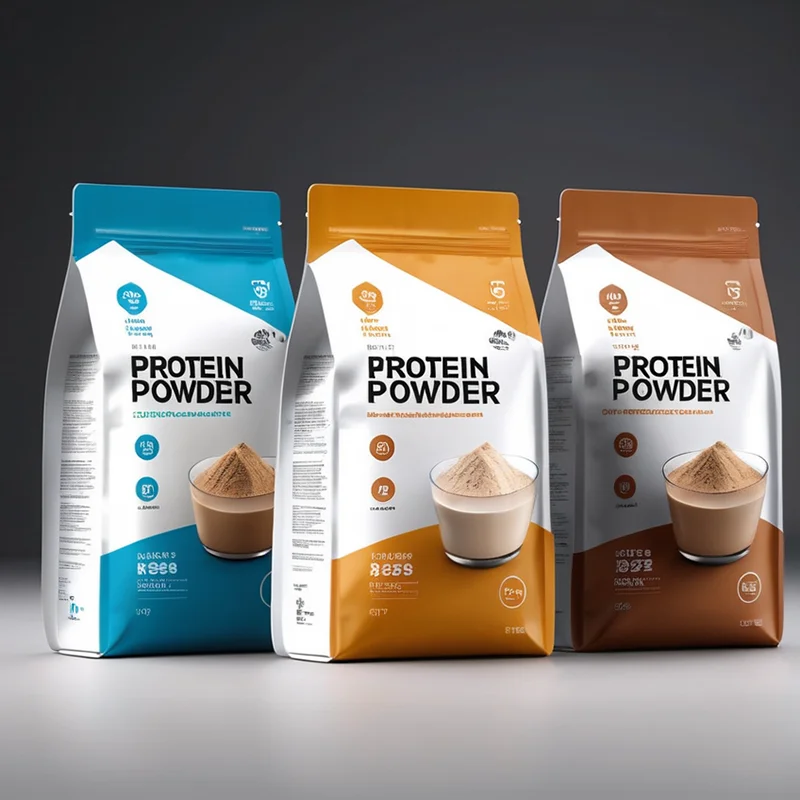
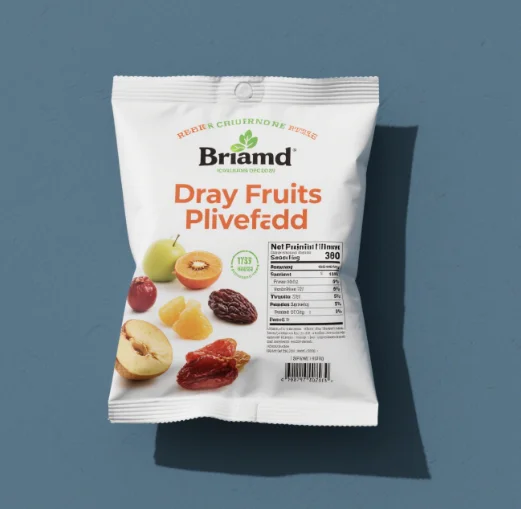
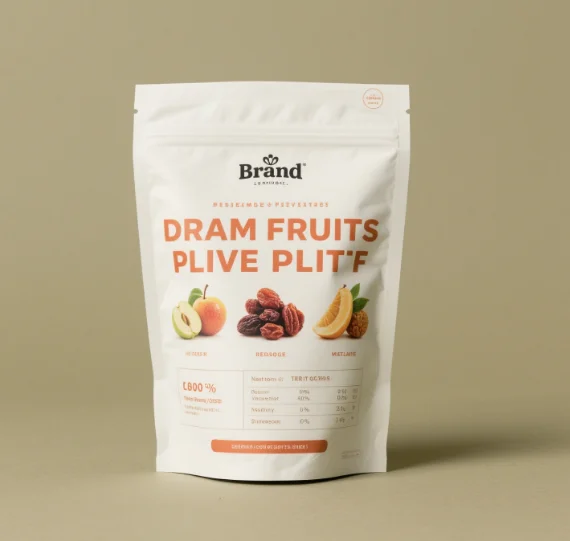
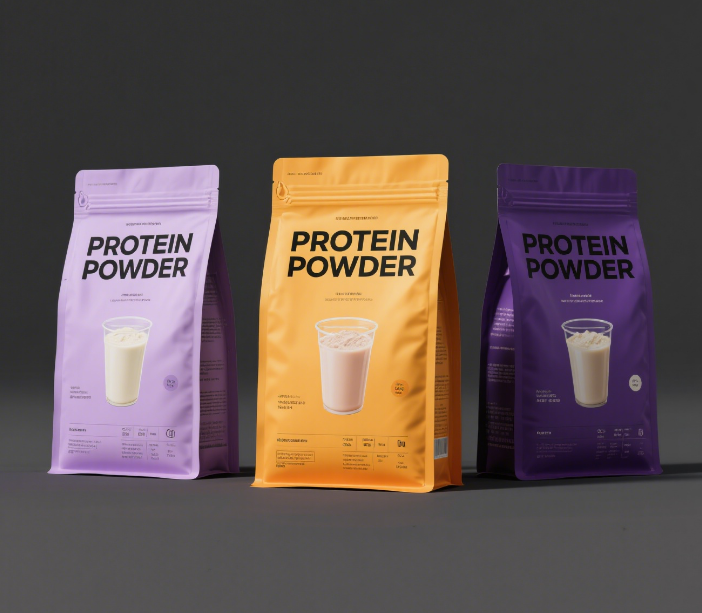
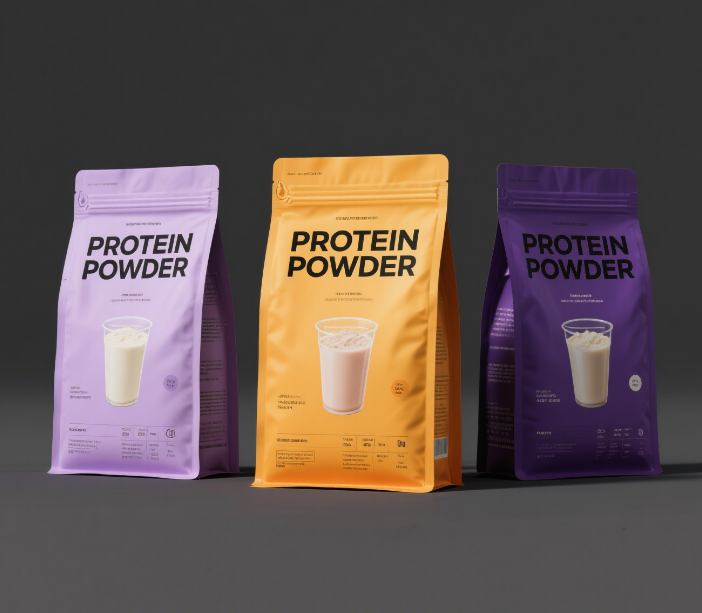
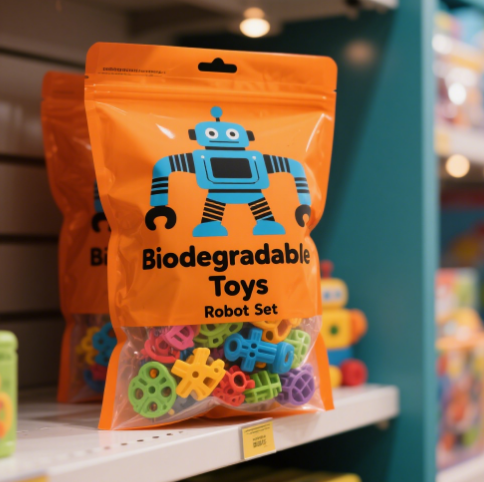
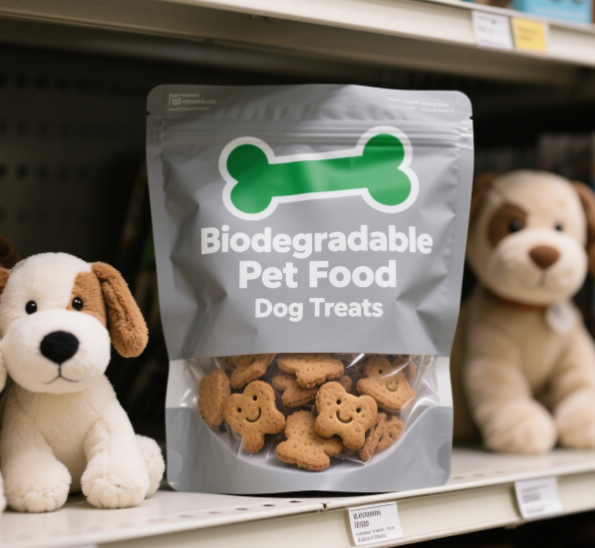
Recyclable flexible packaging represents a groundbreaking advancement in sustainable packaging solutions that addresses the growing environmental concerns while maintaining the superior performance characteristics that modern businesses require. This innovative packaging technology combines the convenience and functionality of traditional flexible materials with enhanced recyclability features, creating a comprehensive solution for companies seeking to reduce their environmental footprint. The main functions of recyclable flexible packaging encompass product protection, extended shelf life, barrier properties against moisture and oxygen, and convenient consumer handling, all while ensuring the materials can be effectively processed through existing recycling infrastructure. The technological features of recyclable flexible packaging include advanced polymer structures that maintain material integrity during the recycling process, innovative adhesive systems that allow for easy separation of different material layers, and specialized barrier coatings that provide protection without compromising recyclability. These packages utilize mono-material constructions wherever possible, reducing the complexity of the recycling process and improving the quality of recycled output. The applications of recyclable flexible packaging span across multiple industries including food and beverage, pharmaceuticals, personal care products, and industrial goods. In the food sector, this packaging maintains freshness while allowing consumers to dispose of materials responsibly. Pharmaceutical applications benefit from the sterile barrier properties while supporting sustainability initiatives. Personal care brands utilize these materials to enhance their environmental credentials without sacrificing product integrity. The technology behind recyclable flexible packaging incorporates design for recyclability principles, ensuring that materials can be efficiently sorted, cleaned, and reprocessed into new packaging or other useful products. This approach supports circular economy principles by keeping materials in productive use rather than ending up in landfills or incinerators.

 EN
EN