Revolutionary Recyclable Flexible Packaging Solutions - Sustainable Protection with Advanced Barrier Technology

Get a Free Quote

Our representative will contact you soon.
Email
Name
Company Name
Mobile
Message
0/1000

recyclability flexibale packaging

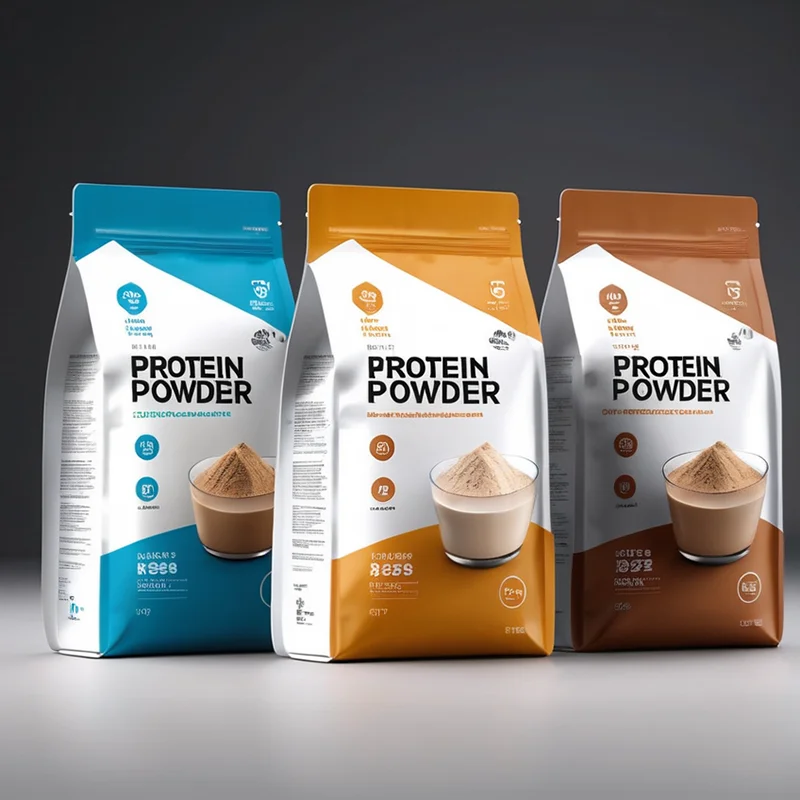
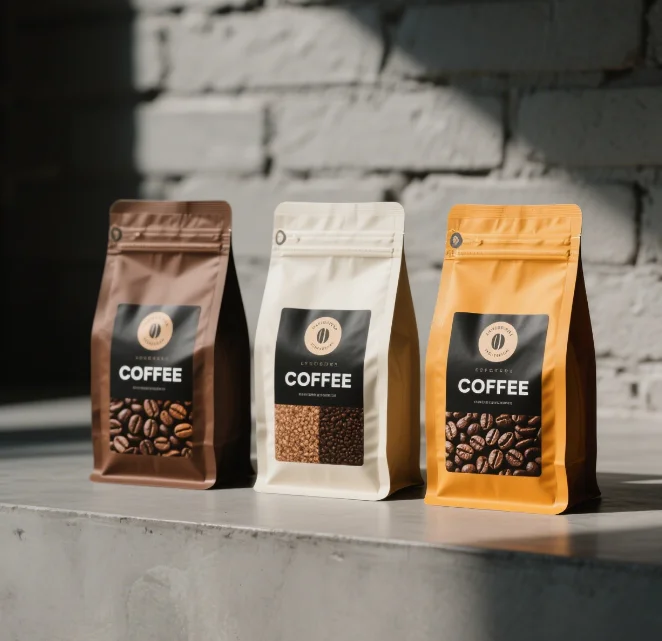
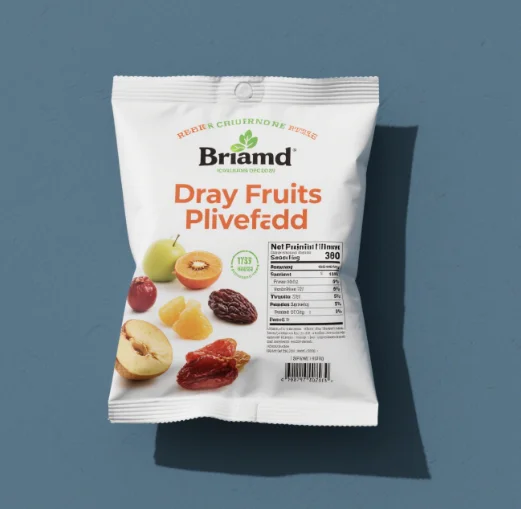
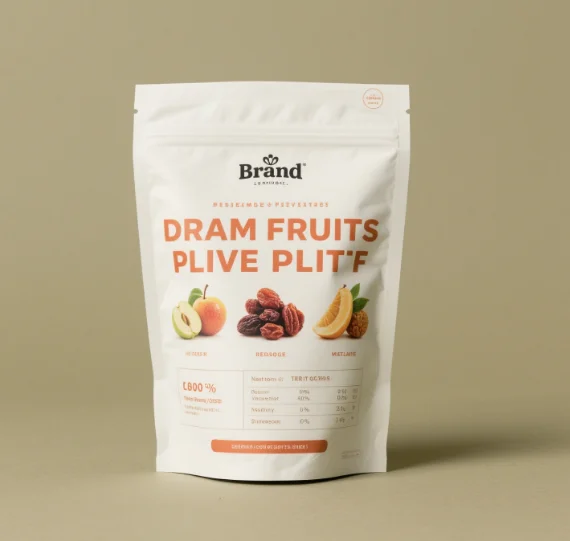
Recyclable flexible packaging represents a groundbreaking advancement in sustainable packaging solutions that addresses the growing environmental concerns while maintaining the superior performance characteristics that modern businesses require. This innovative packaging technology combines the convenience and functionality of traditional flexible materials with enhanced recyclability features, creating a comprehensive solution for companies seeking to reduce their environmental footprint. The main functions of recyclable flexible packaging encompass product protection, extended shelf life, barrier properties against moisture and oxygen, and convenient consumer handling, all while ensuring the materials can be effectively processed through existing recycling infrastructure. The technological features of recyclable flexible packaging include advanced polymer structures that maintain material integrity during the recycling process, innovative adhesive systems that allow for easy separation of different material layers, and specialized barrier coatings that provide protection without compromising recyclability. These packages utilize mono-material constructions wherever possible, reducing the complexity of the recycling process and improving the quality of recycled output. The applications of recyclable flexible packaging span across multiple industries including food and beverage, pharmaceuticals, personal care products, and industrial goods. In the food sector, this packaging maintains freshness while allowing consumers to dispose of materials responsibly. Pharmaceutical applications benefit from the sterile barrier properties while supporting sustainability initiatives. Personal care brands utilize these materials to enhance their environmental credentials without sacrificing product integrity. The technology behind recyclable flexible packaging incorporates design for recyclability principles, ensuring that materials can be efficiently sorted, cleaned, and reprocessed into new packaging or other useful products. This approach supports circular economy principles by keeping materials in productive use rather than ending up in landfills or incinerators.

Popular Products

The advantages of recyclable flexible packaging deliver significant practical benefits that directly impact business operations and environmental goals. Companies adopting recyclable flexible packaging experience reduced environmental liability while maintaining product quality and consumer satisfaction. This packaging solution offers superior protection against external factors such as moisture, oxygen, and light contamination, ensuring products remain fresh and effective throughout their shelf life. The lightweight nature of recyclable flexible packaging reduces transportation costs and carbon emissions compared to rigid alternatives, providing immediate cost savings and environmental benefits. Businesses benefit from enhanced brand reputation as consumers increasingly prefer products with sustainable packaging options. The versatility of recyclable flexible packaging allows for custom printing and branding opportunities while supporting marketing messages about environmental responsibility. Manufacturing efficiency improves through streamlined production processes that reduce material waste and energy consumption during package creation. Storage and logistics operations become more efficient due to the space-saving properties of flexible materials, allowing for optimized warehouse utilization and reduced shipping volumes. Retailers appreciate the shelf appeal and consumer convenience features that recyclable flexible packaging provides, including resealable closures and easy-open designs that enhance customer experience. The economic advantages extend beyond immediate cost savings to include reduced waste disposal fees and potential revenue from recycling programs. Companies implementing recyclable flexible packaging often qualify for sustainability certifications and green building credits that provide additional business value. The supply chain benefits from improved inventory management due to longer product shelf life and reduced spoilage rates. Consumer acceptance remains high as recyclable flexible packaging maintains the familiar look, feel, and functionality of traditional packaging while supporting environmental values. Risk management improves through reduced exposure to changing waste disposal regulations and potential packaging taxes. The scalability of recyclable flexible packaging solutions allows businesses to implement sustainable practices across their entire product portfolio without significant operational disruptions or capital investments.

Tips And Tricks

Environmental Protection+Practical Dual Online: Interpreting the Hard Core Benefits of Environmentally Friendly Packaging Bags

27

Aug

Environmental Protection+Practical Dual Online: Interpreting the Hard Core Benefits of Environmentally Friendly Packaging Bags

The Rising Impact of Sustainable Packaging Solutions In today's eco-conscious world, environmentally friendly packaging bags have emerged as a crucial solution to combat the growing waste crisis. These innovative packaging solutions represent a signi...
View More
Exploring Sustainable and Durable Options for Pet Food Packaging

08

Sep

Exploring Sustainable and Durable Options for Pet Food Packaging

The Evolution of Modern Pet Food Packaging Solutions The landscape of pet food packaging has undergone a remarkable transformation in recent years, driven by increasing environmental consciousness and the growing demand for sustainable solutions. As ...
View More
Food/daily necessities universal: environmentally friendly self standing bag, sealed and non leaking+biodegradable, balancing convenience and green

18

Sep

Food/daily necessities universal: environmentally friendly self standing bag, sealed and non leaking+biodegradable, balancing convenience and green

The Evolution of Sustainable Packaging Solutions In our modern world, the intersection of convenience and environmental responsibility has become increasingly important. The emergence of environmentally friendly self standing bags represents a signif...
View More
No excess waste generated! The self standing bag can stand on its own when opened, without the need to find additional containers. It is environmentally friendly and convenient

21

Oct

No excess waste generated! The self standing bag can stand on its own when opened, without the need to find additional containers. It is environmentally friendly and convenient

Transforming Everyday Storage with Innovative Self-Supporting Design In our fast-paced world, the evolution of storage solutions has taken a remarkable turn with the introduction of self standing bags. These innovative containers represent a perfect ...
View More

Get a Free Quote

Our representative will contact you soon.
Email
Name
Company Name
Mobile
Message
0/1000

recyclability flexibale packaging

Advanced Circular Economy Integration

Advanced Circular Economy Integration

The circular economy integration of recyclable flexible packaging represents a fundamental shift in how packaging materials flow through economic systems, creating closed-loop cycles that maximize resource utilization while minimizing environmental impact. This integration begins with the careful selection of base materials that maintain their molecular integrity through multiple recycling cycles, ensuring that each package can contribute to future packaging production rather than becoming waste. The design philosophy behind circular economy integration emphasizes material compatibility, allowing different components of recyclable flexible packaging to be efficiently separated and processed by existing recycling infrastructure. Advanced sorting technologies can identify and process these materials effectively, directing them toward appropriate recycling streams that preserve material quality and performance characteristics. The economic benefits of circular economy integration extend throughout the value chain, from raw material suppliers who can incorporate recycled content into new products, to manufacturers who benefit from reduced virgin material costs, to waste management companies who can generate revenue from high-quality recycled materials. Consumer participation becomes seamless through clear labeling and collection programs that make proper disposal convenient and rewarding. The technological innovations supporting circular economy integration include chemical recycling processes that can break down complex polymer structures and rebuild them into new packaging materials with identical performance characteristics to virgin materials. This approach eliminates the traditional degradation associated with mechanical recycling, allowing materials to maintain their properties indefinitely. Supply chain transparency improves through blockchain tracking systems that monitor material flows from production through collection and reprocessing, providing valuable data for optimization and verification of environmental claims. The environmental impact reduction achieved through circular economy integration includes decreased landfill usage, reduced greenhouse gas emissions from virgin material production, and conservation of natural resources. Companies implementing these systems often discover additional benefits including improved supplier relationships, enhanced innovation capabilities, and stronger competitive positioning in sustainability-focused markets.
Multi-Barrier Protection Technology

Multi-Barrier Protection Technology

Multi-barrier protection technology in recyclable flexible packaging delivers exceptional product preservation while maintaining full recyclability through innovative layer construction and material science advances. This sophisticated technology creates protective barriers against oxygen, moisture, ultraviolet light, and other environmental factors that can degrade product quality, all while using materials that remain compatible with recycling processes. The engineering behind multi-barrier protection involves carefully selected polymer combinations that work synergistically to provide comprehensive protection without compromising the ability to separate and recycle individual components. Advanced coating technologies allow for the application of barrier layers that bond temporarily during use but release cleanly during recycling processes, ensuring that protective properties do not interfere with material recovery. The performance characteristics of multi-barrier protection technology often exceed those of traditional packaging materials, providing extended shelf life, reduced spoilage, and maintained product efficacy throughout distribution and storage periods. Food products benefit from extended freshness periods that reduce waste at both retail and consumer levels, while pharmaceutical products maintain potency and sterility requirements. The technology adapts to specific product requirements through customizable barrier properties that can be tailored to protect against particular environmental threats while optimizing recyclability for each application. Manufacturing processes for multi-barrier protection technology utilize efficient production methods that minimize energy consumption and material waste during package creation. Quality control systems ensure consistent barrier performance across production runs while maintaining recyclability standards. The economic advantages include reduced product loss due to spoilage, decreased need for preservatives or other protective additives, and improved inventory management through extended product viability. Innovation in adhesive systems allows for secure layer bonding during use while enabling clean separation during recycling, addressing one of the primary challenges in flexible packaging recyclability. Testing protocols verify both protective performance and recyclability characteristics, ensuring that packages meet all functional requirements while supporting environmental objectives. The scalability of multi-barrier protection technology allows for implementation across diverse product categories and market segments without compromising either protection or recyclability performance.
Consumer Convenience and Accessibility Features

Consumer Convenience and Accessibility Features

Consumer convenience and accessibility features in recyclable flexible packaging create user-friendly experiences that encourage proper disposal while delivering practical benefits that enhance daily life. These features include intuitive opening mechanisms that require minimal force and dexterity, making packages accessible to users of all ages and physical capabilities. Resealable closures maintain product freshness after initial opening while incorporating materials that remain fully recyclable throughout their lifecycle. Clear recycling instructions and symbols provide consumers with confident disposal guidance, reducing contamination in recycling streams and improving overall system efficiency. The ergonomic design considerations address real-world usage scenarios, including one-handed operation for busy consumers and easy-grip surfaces that work even with wet or gloved hands. Portion control features help consumers manage product usage while reducing waste, supporting both convenience and sustainability goals simultaneously. Transparency options allow visual product inspection without compromising barrier properties, building consumer confidence while maintaining recyclability standards. The convenience features extend to storage and organization, with packages designed to stack efficiently, fit standard storage spaces, and display product information clearly for easy identification. Accessibility compliance addresses diverse consumer needs including vision impairments through tactile indicators and high-contrast labeling that remains effective throughout the package lifecycle. Innovation in convenience features includes tear strips that create clean opening experiences while keeping all materials within the recyclable waste stream. Temperature resistance allows packages to perform consistently across various storage conditions while maintaining their convenience features and recyclability characteristics. Child-resistant features provide safety benefits for appropriate products while ensuring that adult users can access contents easily and dispose of packaging properly. The convenience technology incorporates feedback from extensive consumer testing to identify and address real-world usage challenges, resulting in packages that truly serve user needs while supporting environmental objectives. Smart packaging integration possibilities include QR codes and NFC tags that provide additional product information and recycling guidance through smartphone interfaces. The balance between convenience and sustainability creates positive consumer experiences that encourage repeat purchases and brand loyalty while supporting responsible disposal behaviors that benefit recycling system effectiveness and environmental protection.

Get a Free Quote

Our representative will contact you soon.
Email
Name
Company Name
Mobile
Message
0/1000