Kiemelt kiskereskedelmi megjelenés és márkaláthatóság
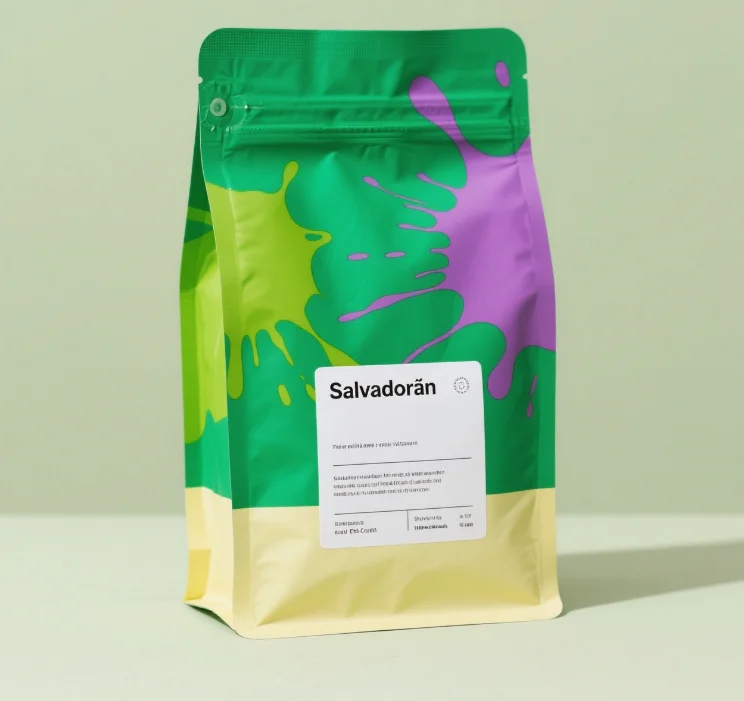
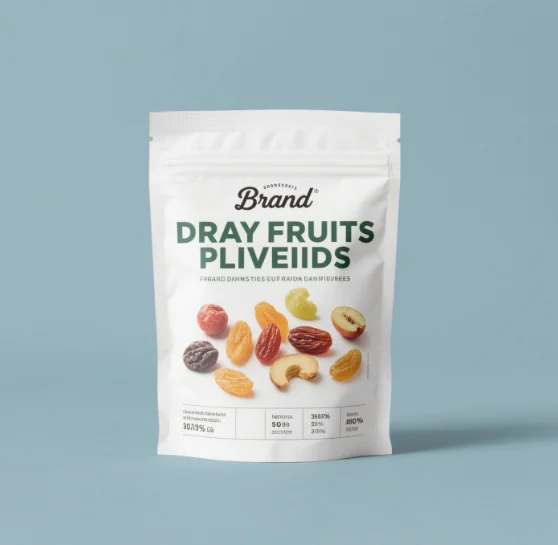
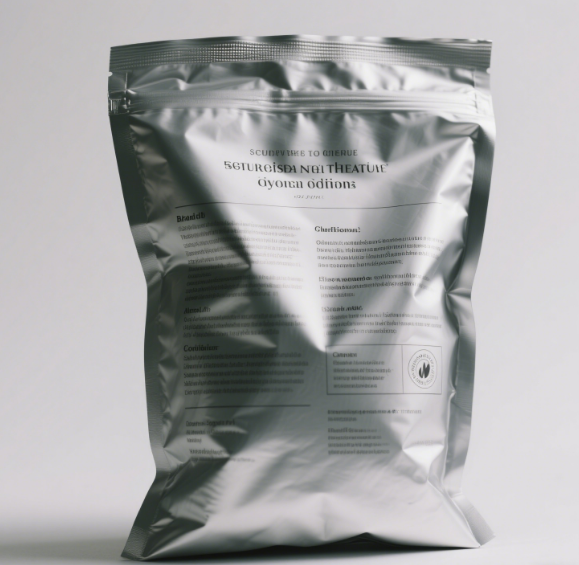
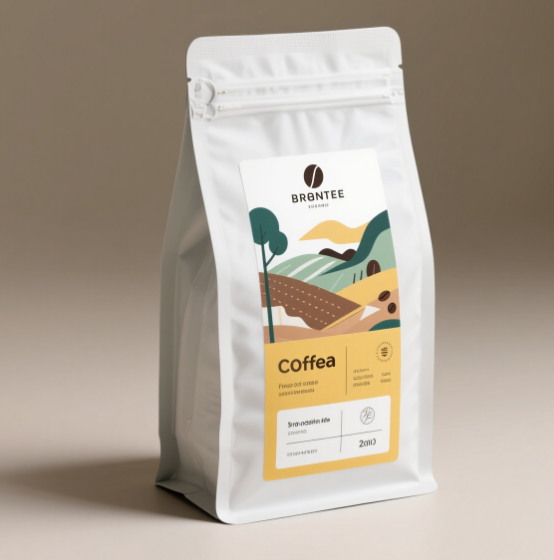
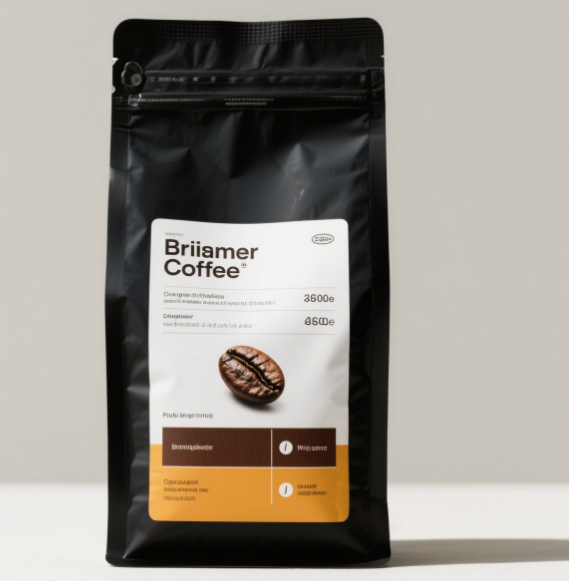
A lapos aljú kávécsomagoló zacskók átalakítják a kiskereskedelmi környezeteket, mivel páratlan kivitelállítási stabilitást és márkaismertetési lehetőségeket kínálnak, amelyek növelik a fogyasztói érintkezéseket és az eladási teljesítményt. Az önállóan álló kialakítás megszünteti a gyakori kiskereskedelmi problémát, amikor a csomagolóanyagok felborulnak vagy további támaszt igényelnek, így tisztább, rendezettebb polcképet biztosítva, ami javítja az üzlet egészének esztétikáját. Ez a stabilitási előny különösen értékes nagy forgalom idején, amikor a vásárlók gyakran kezelik a termékeket, hiszen a lapos aljú kávécsomagoló zacskók megőrzik függőleges helyzetüket akkor is, ha szomszédos csomagokat vesznek el vagy helyeznek át. A lapos aljú kávécsomagoló zacskókon rendelkezésre álló nagyobb felület lehetővé teszi a kávégyártók számára, hogy hatékonyabban közvetítsék márkaüzenetüket, a termék előnyeit és minőségi jelzőket. Az elülső és hátsó oldalak jelentős teret biztosítanak grafikai elemek, termékinformációk, főzési utasítások és marketingüzenetek számára, amelyek befolyásolják a vásárlási döntéseket. Ez a bővített márkaismertetési képesség támogatja a prémium pozícionálási stratégiákat, és segít differenciálni a termékeket versengő kiskereskedelmi környezetben. A lapos aljú kávécsomagoló zacskók professzionális megjelenése növeli a termék észlelt értékét, és megerősíti a fogyasztók bizalmát a minőség iránt. A strukturált megjelenés prémium tartalmat sugall, és vonzza a minőségre odafigyelő fogyasztókat, akik a professzionális csomagolást a magasabb minőségű termékekkel hozzák össze. Ez a vizuális hatás különösen fontos a specialitásos kávépiacon, ahol a csomagolás esztétikája jelentősen hozzájárul a márkaérzet és a fogyasztói döntéshozatal kialakulásához. A lapos aljú kávécsomagoló zacskók hatékony készletgazdálkodást is lehetővé tesznek a jobb szervezés és térhasználat révén. Az egységes forma és stabil helyzet lehetővé teszi a kiskereskedők számára, hogy rendezett, hatékony kivitelállításokat hozzanak létre, maximalizálva a termék láthatóságát, miközben minimalizálják a polcterület-igényt. Ez a hatékonyság javult készletforgási rátákhoz és növekedett jövedelmezőséghez vezet a kiskereskedelmi partnerek számára. Számos lapos aljú kávécsomagoló zacskóban elérhető átlátszósági lehetőség lehetővé teszi a fogyasztók számára, hogy szemrevételezzék a termék minőségét, így növelve a bizalmat és a biztonságot a vásárlási döntésben. Az átlátszó ablakok kiemelik a kávébab jellemzőit, pörköltségi szintjét és az általános termékhatást, érzelmi kapcsolatot teremtve, amely hozzájárul a márkahűséghez és az ismételt vásárlásokhoz.

 EN
EN