Sustainable Compostable Food Packaging Solutions - Eco-Friendly Restaurant & Food Service Containers

Get a Free Quote

Our representative will contact you soon.
Email
Name
Company Name
Mobile
Message
0/1000

compostable food packaging

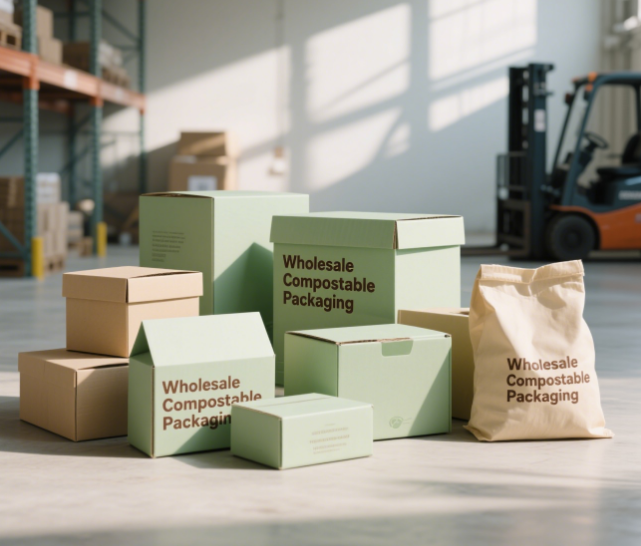
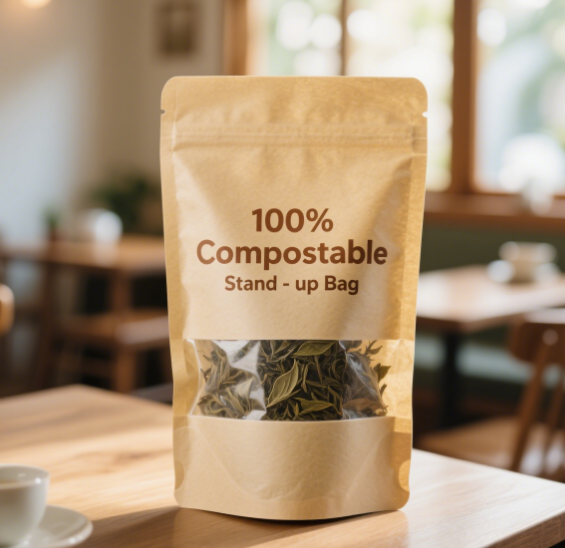
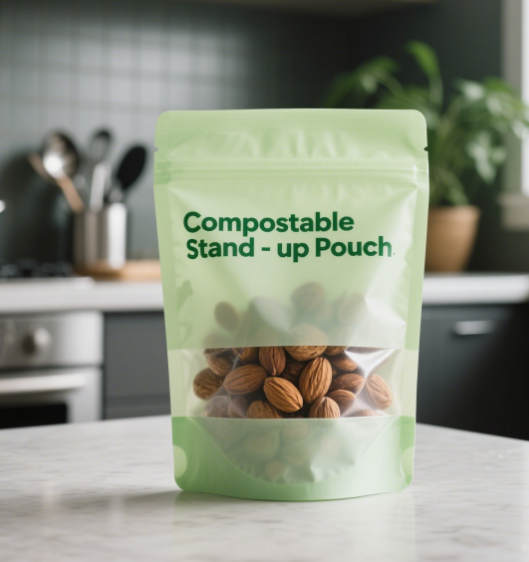
Compostable food packaging represents a revolutionary approach to sustainable food service and retail operations, offering an environmentally responsible alternative to traditional plastic containers and wrapping materials. This innovative packaging solution is manufactured using organic materials such as plant-based polymers, cornstarch, sugarcane fiber, and other biodegradable substances that naturally decompose when exposed to composting conditions. The main functions of compostable food packaging include protecting food products from contamination, maintaining freshness during storage and transportation, providing convenient portion control for consumers, and facilitating easy disposal through industrial or home composting systems. The technological features of compostable food packaging incorporate advanced bio-polymer engineering that creates materials with comparable strength and durability to conventional plastics while maintaining complete biodegradability. These packages utilize sophisticated barrier technologies to prevent moisture penetration, oxygen exposure, and microbial contamination, ensuring food safety standards are met throughout the supply chain. Temperature resistance capabilities allow compostable food packaging to withstand both hot and cold food applications, making them suitable for everything from steaming soups to frozen desserts. The manufacturing process involves precision molding techniques that create various shapes and sizes to accommodate different food types and serving requirements. Applications for compostable food packaging span across multiple industries including restaurants, cafeterias, food trucks, catering services, grocery stores, and meal delivery companies. These packages are particularly valuable in takeout operations, school lunch programs, corporate dining facilities, outdoor events, and farmers markets where environmental consciousness is prioritized. The versatility of compostable food packaging allows for customization with branding elements, portion sizes, and specialized designs that meet specific operational needs while supporting sustainability initiatives across diverse food service environments.

New Product Recommendations

Compostable food packaging delivers significant environmental benefits that directly impact your business operations and customer satisfaction. These packages reduce waste management costs by eliminating the need for specialized plastic disposal services, as they break down naturally in commercial composting facilities within 90 to 180 days. Your business demonstrates environmental leadership by choosing compostable food packaging, which appeals to eco-conscious customers who increasingly prefer supporting sustainable companies. This packaging choice helps you comply with emerging environmental regulations and plastic ban legislation that many cities and states are implementing, protecting your business from potential fines and operational disruptions. The manufacturing process of compostable food packaging produces lower carbon emissions compared to traditional plastic production, reducing your overall environmental footprint and supporting corporate sustainability goals. These packages maintain food quality and safety standards equivalent to conventional packaging while offering superior grease resistance and moisture barriers that keep food fresh longer. Customer satisfaction increases when you provide compostable food packaging because consumers appreciate businesses that prioritize environmental responsibility, leading to improved brand loyalty and positive word-of-mouth marketing. The disposal process becomes simpler for customers who can add compostable food packaging to their organic waste bins rather than sorting different types of plastic recycling, creating a more convenient experience. Your staff benefits from easier waste management procedures as compostable food packaging eliminates the complexity of separating various packaging materials for different disposal methods. Cost savings emerge over time as compostable food packaging reduces waste hauling fees and potential landfill taxes while qualifying your business for green certification programs that offer financial incentives. Marketing advantages include the ability to promote your environmental commitment on packaging labels, websites, and social media platforms, attracting environmentally conscious customers who are willing to pay premium prices for sustainable options. The durability and functionality of compostable food packaging ensure that your food presentation remains professional and appealing while supporting your environmental values.

Latest News

The impact of high-quality packaging on pet food sales

08

Sep

The impact of high-quality packaging on pet food sales

Transforming Pet Food Market Success Through Premium Packaging Solutions In today's competitive pet food industry, packaging has emerged as a critical differentiator that can make or break product success. Pet food packaging does more than just conta...
View More
Food/daily necessities universal: environmentally friendly self standing bag, sealed and non leaking+biodegradable, balancing convenience and green

18

Sep

Food/daily necessities universal: environmentally friendly self standing bag, sealed and non leaking+biodegradable, balancing convenience and green

The Evolution of Sustainable Packaging Solutions In our modern world, the intersection of convenience and environmental responsibility has become increasingly important. The emergence of environmentally friendly self standing bags represents a signif...
View More
How to Choose Quality Aluminum Foil Bags for Packaging

27

Nov

How to Choose Quality Aluminum Foil Bags for Packaging

In today's competitive marketplace, selecting the right packaging solution is crucial for product protection, brand recognition, and customer satisfaction. An aluminum foil bag represents one of the most versatile and effective packaging options avai...
View More
Retort Pouch vs Canning: Which is Better for Food Storage?

27

Nov

Retort Pouch vs Canning: Which is Better for Food Storage?

Food preservation has evolved dramatically over the past century, with traditional canning methods now competing against innovative packaging technologies. Among the most significant advancements in food storage is the retort pouch, a flexible packag...
View More

Get a Free Quote

Our representative will contact you soon.
Email
Name
Company Name
Mobile
Message
0/1000

compostable food packaging

Complete Biodegradability Within Industrial Composting Systems

Complete Biodegradability Within Industrial Composting Systems

The most compelling feature of compostable food packaging lies in its ability to completely decompose within industrial composting facilities, transforming from functional packaging into nutrient-rich soil amendment without leaving harmful residues or microplastics behind. This remarkable characteristic stems from the advanced bio-polymer technology used in manufacturing, which creates molecular structures that microorganisms can efficiently break down under controlled composting conditions. Unlike traditional plastic packaging that persists in landfills for hundreds of years, compostable food packaging follows strict ASTM D6400 and BPI certification standards that guarantee complete disintegration within 90 to 180 days when processed in commercial composting facilities. This rapid decomposition process occurs through enzymatic action from naturally occurring bacteria and fungi that recognize the organic compounds in the packaging as digestible materials, similar to food waste and yard trimmings. The resulting compost material becomes valuable soil conditioner that enriches agricultural land and supports sustainable farming practices, creating a circular economy where packaging waste becomes a beneficial input for food production. For businesses, this complete biodegradability eliminates long-term environmental liability associated with packaging waste, as the materials return to natural elements rather than accumulating in waste streams. Customers appreciate knowing that their packaging choice contributes to soil health rather than environmental pollution, creating positive associations with your brand that extend beyond the immediate transaction. The composting process requires specific temperature, humidity, and oxygen conditions that industrial facilities maintain consistently, ensuring reliable decomposition regardless of seasonal variations or local climate conditions. This dependable biodegradability gives businesses confidence in their environmental claims and allows for accurate sustainability reporting that demonstrates measurable waste reduction achievements. The transformation from packaging to compost represents a fundamental shift from linear waste disposal to regenerative resource cycling that supports broader environmental restoration efforts.
Superior Food Safety and Preservation Performance

Superior Food Safety and Preservation Performance

Compostable food packaging delivers exceptional food safety and preservation capabilities through sophisticated barrier technologies and antimicrobial properties that protect food integrity while maintaining complete biodegradability. The advanced engineering behind these packages creates multi-layer structures that effectively prevent moisture penetration, oxygen infiltration, and bacterial contamination without compromising the organic composition that enables composting. These protective barriers utilize naturally derived materials such as plant-based waxes, chitosan from shellfish waste, and cellulose films that provide grease resistance equivalent to or superior to conventional plastic coatings. Temperature stability ensures that compostable food packaging maintains its structural integrity and protective properties across a wide range of applications, from hot prepared foods exceeding 200 degrees Fahrenheit to frozen products stored below zero degrees. The antimicrobial properties inherent in many compostable materials, particularly those derived from citrus peels and other fruit waste, provide additional protection against foodborne pathogens while remaining completely safe for direct food contact. Quality control testing demonstrates that compostable food packaging meets or exceeds FDA food safety standards for migration limits, ensuring that no harmful substances transfer from packaging to food during storage or heating. The materials used in compostable food packaging resist degradation from acidic foods, oils, and moisture that commonly cause conventional packaging to fail, maintaining food freshness for extended periods comparable to traditional options. Shelf life extension results from the breathable yet protective nature of compostable materials that allow controlled gas exchange while preventing spoilage-causing contamination, particularly beneficial for fresh produce and bakery items. These performance characteristics enable businesses to maintain food quality standards while supporting environmental goals, eliminating the need to choose between sustainability and operational effectiveness. The reliability of compostable food packaging in preserving food safety reduces waste from spoilage and contamination incidents, providing additional cost savings that offset any initial price differences compared to conventional packaging options.
Regulatory Compliance and Market Differentiation Advantages

Regulatory Compliance and Market Differentiation Advantages

Compostable food packaging provides crucial regulatory compliance benefits that protect businesses from increasing environmental legislation while creating significant market differentiation opportunities in competitive food service industries. As governments worldwide implement plastic reduction mandates and extended producer responsibility programs, compostable food packaging ensures your business remains compliant with current and anticipated environmental regulations without requiring costly operational changes or emergency sourcing of alternative materials. The proactive adoption of compostable food packaging positions your business ahead of regulatory curves, avoiding the scrambling and supply chain disruptions that affect competitors when new environmental laws take effect. Certification programs such as BPI (Biodegradable Products Institute) and ASTM International provide third-party validation that your packaging meets stringent compostability standards, giving customers and regulatory agencies confidence in your environmental claims. This certified compliance eliminates risks associated with greenwashing accusations that can damage brand reputation and result in legal penalties, as the certifications provide documented proof of legitimate environmental benefits. Market differentiation through compostable food packaging attracts environmentally conscious consumers who actively seek businesses that align with their values, creating customer loyalty that extends beyond price-based competition. Studies show that consumers are willing to pay premium prices for products and services from environmentally responsible companies, with compostable packaging serving as visible evidence of your commitment to sustainability. The marketing value of compostable food packaging extends to B2B relationships, as corporate clients increasingly prioritize working with suppliers who demonstrate environmental leadership through measurable sustainability practices. Social media and digital marketing campaigns benefit from the authentic environmental story that compostable food packaging provides, generating organic engagement from customers who share and promote businesses making positive environmental impacts. The competitive advantage of early adoption becomes more pronounced as environmental regulations tighten and consumer expectations for sustainable practices increase across all market segments. Additionally, compostable food packaging qualifies businesses for green certification programs, sustainability grants, and preferential contracting opportunities with environmentally focused organizations, creating revenue streams and cost savings that compound over time while supporting long-term business growth in increasingly environmentally conscious markets.

Get a Free Quote

Our representative will contact you soon.
Email
Name
Company Name
Mobile
Message
0/1000