Compostable Packaging Food Solutions: Sustainable, High-Performance Bio-Based Food Packaging

Get a Free Quote

Our representative will contact you soon.
Email
Name
Company Name
Mobile
Message
0/1000

compostable packaging food

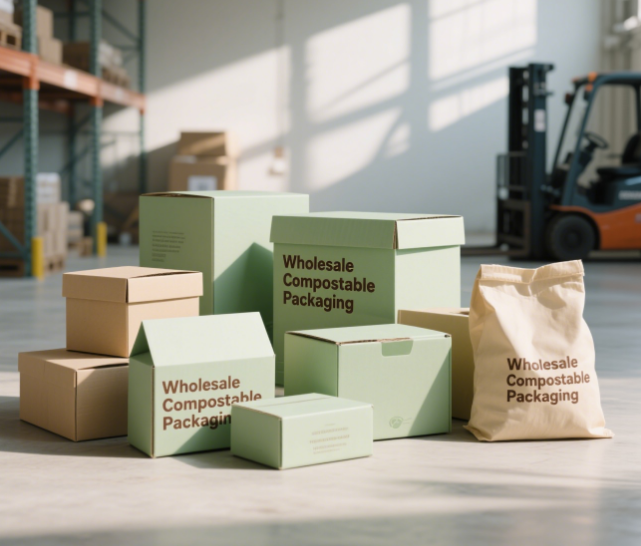
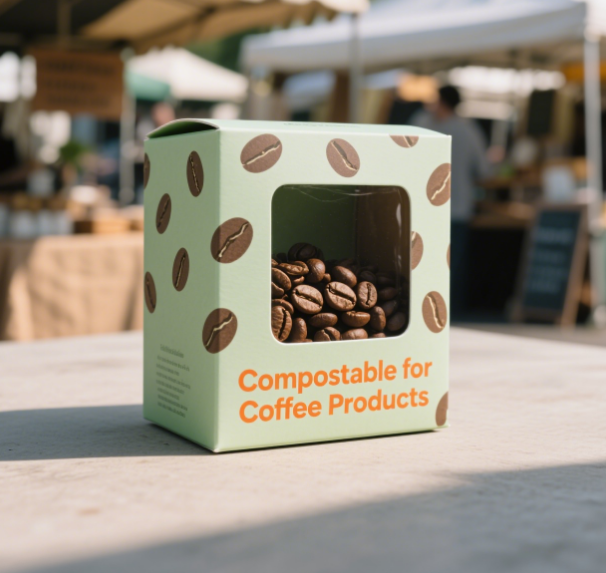
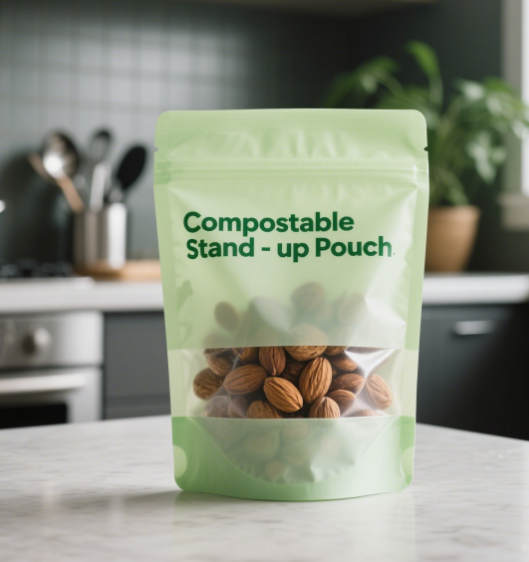
Compostable packaging food represents a revolutionary approach to sustainable food storage and distribution that addresses growing environmental concerns while maintaining product quality and safety. This innovative packaging solution utilizes materials derived from renewable resources such as plant starches, cellulose fibers, and biodegradable polymers that naturally decompose when exposed to proper composting conditions. Unlike traditional plastic packaging that persists in landfills for decades, compostable packaging food solutions break down into nutrient-rich soil amendments within 90-180 days under industrial composting facilities. The main functions of compostable packaging food include preserving freshness, preventing contamination, extending shelf life, and providing barrier protection against moisture, oxygen, and light while ensuring complete biodegradability. Technological features encompass advanced bio-based materials engineering, specialized coating applications, and innovative manufacturing processes that create packaging with comparable performance to conventional alternatives. These packages maintain structural integrity during transportation and storage while offering excellent printability for branding and labeling requirements. Applications span across various food sectors including fresh produce, baked goods, snack foods, beverages, dairy products, and prepared meals. Restaurants, grocery stores, food manufacturers, and catering services increasingly adopt compostable packaging food solutions to meet sustainability goals and consumer demand for eco-friendly alternatives. The technology behind these packages involves sophisticated polymer chemistry that creates materials capable of withstanding typical food service conditions while triggering decomposition when exposed to specific temperature, humidity, and microbial environments found in commercial composting facilities. Manufacturing processes ensure food safety compliance through rigorous testing and certification standards that validate both packaging performance and compostability claims, making compostable packaging food a reliable choice for businesses seeking environmental responsibility without compromising product protection or regulatory compliance requirements.

New Product Recommendations

Compostable packaging food offers substantial environmental benefits that directly impact your business operations and corporate sustainability objectives. You reduce landfill waste significantly by choosing packaging that transforms into valuable compost rather than accumulating as persistent pollution. This waste reduction translates into lower disposal costs and enhanced brand reputation among environmentally conscious consumers who actively seek businesses demonstrating genuine environmental stewardship. Your company gains competitive advantages through improved sustainability metrics that attract eco-minded customers and business partners while potentially qualifying for green certifications and sustainability awards. Cost savings emerge from reduced waste management fees as compostable packaging food diverts materials from expensive landfill disposal to beneficial composting programs. Many municipalities offer incentives for businesses using compostable materials, creating additional financial benefits. Consumer appeal increases dramatically as market research consistently shows growing preference for sustainable packaging options, with customers willing to pay premium prices for environmentally responsible products. Your marketing efforts benefit from authentic sustainability messaging that resonates with target audiences concerned about environmental impact. Operational flexibility improves because compostable packaging food performs comparably to traditional alternatives while offering superior end-of-life solutions. Supply chain advantages include reduced environmental compliance risks and alignment with emerging regulations favoring biodegradable materials over conventional plastics. Employee satisfaction often increases when companies demonstrate environmental responsibility through practical initiatives like adopting compostable packaging food systems. Risk mitigation occurs through proactive adoption of sustainable practices ahead of potential plastic packaging restrictions or taxes. Quality maintenance remains excellent as modern compostable packaging food technologies provide effective barrier properties, ensuring product freshness and safety throughout distribution cycles. International market access expands as many regions implement stricter packaging waste regulations that favor compostable alternatives. Long-term cost predictability improves as renewable material sources for compostable packaging food offer greater price stability compared to petroleum-based packaging materials subject to volatile oil prices and geopolitical disruptions affecting supply chains.

Tips And Tricks

How to Elevate Your Product Presentation with High-Quality Packaging Bags

27

Aug

How to Elevate Your Product Presentation with High-Quality Packaging Bags

Transform Your Brand Identity Through Strategic Packaging Solutions The way you present your products speaks volumes about your brand's values and commitment to quality. In today's competitive market, packaging bags have become more than just protect...
View More
No excess waste generated! The self standing bag can stand on its own when opened, without the need to find additional containers. It is environmentally friendly and convenient

21

Oct

No excess waste generated! The self standing bag can stand on its own when opened, without the need to find additional containers. It is environmentally friendly and convenient

Transforming Everyday Storage with Innovative Self-Supporting Design In our fast-paced world, the evolution of storage solutions has taken a remarkable turn with the introduction of self standing bags. These innovative containers represent a perfect ...
View More
Recyclable+self standing and stable storage! It is used for daily chemical samples and travel packaging, which is both environmentally friendly and leak proof

21

Oct

Recyclable+self standing and stable storage! It is used for daily chemical samples and travel packaging, which is both environmentally friendly and leak proof

Revolutionizing Storage with Sustainable Solutions In today's environmentally conscious world, the demand for sustainable storage solutions has never been greater. Recyclable self-standing containers have emerged as a game-changing innovation, offeri...
View More
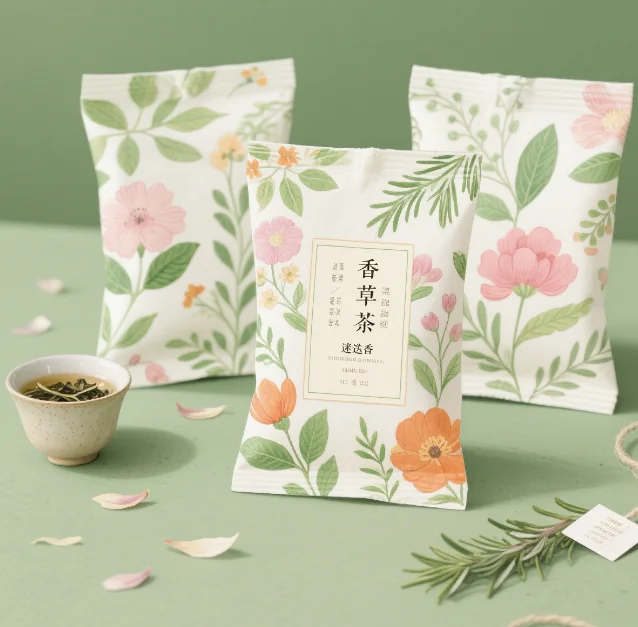
Block air+stand on your own and stabilize! Pet food/flower tea can still be stored standing after opening

21

Oct

Block air+stand on your own and stabilize! Pet food/flower tea can still be stored standing after opening

Revolutionary Storage Solutions for Maintaining Freshness After Opening In our daily lives, we often struggle with keeping opened packages of pet food and flower tea fresh and properly stored. The innovative block air+stand storage solution addresses...
View More

Get a Free Quote

Our representative will contact you soon.
Email
Name
Company Name
Mobile
Message
0/1000

compostable packaging food

Revolutionary Biodegradation Technology for Complete Environmental Integration

Revolutionary Biodegradation Technology for Complete Environmental Integration

Compostable packaging food utilizes cutting-edge biodegradation technology that represents a fundamental shift from traditional waste management approaches to regenerative environmental solutions. This advanced technology employs specially engineered bio-polymers derived from renewable plant sources including corn starch, sugarcane bagasse, and wheat fiber that undergo controlled molecular modification to achieve optimal packaging performance while maintaining complete biodegradability. The revolutionary aspect lies in the precise calibration of polymer chains that provide excellent barrier properties during product use while containing programmed degradation triggers activated under specific composting conditions. When compostable packaging food enters industrial composting facilities, elevated temperatures between 140-160°F combined with controlled moisture levels and aerobic microbial activity initiate rapid molecular breakdown processes. Unlike conventional plastics that fragment into harmful microplastics, these materials completely disintegrate into carbon dioxide, water, and nutrient-rich biomass that enhances soil quality. The technology ensures consistent decomposition timelines averaging 90-120 days, meeting international ASTM D6400 and EN 13432 standards for industrial compostability. This systematic breakdown process eliminates long-term environmental accumulation while contributing valuable organic matter to agricultural systems. The biodegradation mechanism operates through enzymatic hydrolysis where naturally occurring soil microorganisms recognize the packaging materials as food sources, systematically consuming the polymer structure until complete integration occurs. This technology addresses critical environmental challenges by transforming waste streams into beneficial resources, supporting circular economy principles, and reducing dependency on fossil fuel-based packaging materials. Implementation requires no specialized disposal infrastructure beyond existing composting facilities, making adoption seamless for businesses and consumers. The revolutionary nature extends to lifecycle benefits where compostable packaging food actually improves environmental conditions rather than merely reducing harm, creating positive ecological impact through enhanced soil carbon sequestration and reduced greenhouse gas emissions compared to landfill disposal alternatives.
Superior Performance Standards Matching Traditional Packaging Excellence

Superior Performance Standards Matching Traditional Packaging Excellence

Compostable packaging food delivers exceptional performance characteristics that equal or exceed traditional packaging materials across critical functional parameters including strength, barrier protection, shelf life extension, and aesthetic appeal. Advanced manufacturing processes create packaging with tensile strength ratings comparable to conventional plastic films while maintaining flexibility and puncture resistance essential for food safety and product integrity. Barrier properties against moisture, oxygen, and light achieve industry-standard levels through innovative coating technologies and multi-layer construction techniques that preserve food freshness and extend storage life. Temperature resistance spans appropriate ranges for frozen, refrigerated, and ambient storage conditions without compromising structural integrity or protective capabilities. Print quality and visual appeal reach professional standards through specialized surface treatments that accept high-resolution graphics, vibrant colors, and detailed branding elements essential for retail presentation and consumer recognition. The performance excellence stems from sophisticated material science that optimizes molecular structure for specific applications, ensuring compostable packaging food meets demanding requirements across diverse food categories. Seal strength and heat-sealing capabilities match conventional alternatives, enabling efficient packaging line operations without equipment modifications or process adjustments. Chemical resistance provides adequate protection against food acids, oils, and other potentially reactive substances while maintaining material stability throughout expected shelf life periods. Dimensional stability prevents package deformation during transportation and handling, ensuring consistent presentation and protection. These performance standards undergo rigorous third-party testing and certification processes that validate claims and provide confidence for food manufacturers and retailers. Quality assurance protocols monitor batch consistency and performance reliability, ensuring every compostable packaging food solution meets specified standards. The superior performance eliminates compromise between sustainability goals and operational requirements, enabling seamless transition from traditional packaging without sacrificing product protection, consumer appeal, or business efficiency. Continuous innovation in material formulations and processing techniques drives ongoing improvements in performance capabilities while maintaining complete biodegradability characteristics.
Comprehensive Cost-Effectiveness Through Lifecycle Value Optimization

Comprehensive Cost-Effectiveness Through Lifecycle Value Optimization

Compostable packaging food delivers exceptional cost-effectiveness through comprehensive lifecycle value that extends beyond initial purchase price to encompass disposal savings, brand enhancement, regulatory compliance, and market positioning advantages. Initial investment costs continue decreasing as production scales increase and technology advances, making compostable alternatives increasingly competitive with conventional packaging options. Waste disposal savings emerge immediately as businesses redirect materials from expensive landfill fees to beneficial composting programs, often reducing waste management costs by 30-50 percent depending on local disposal rates and composting availability. Brand value enhancement translates into measurable revenue increases as consumer preference for sustainable packaging drives purchase decisions, with studies indicating 60-70 percent of consumers willing to pay premium prices for environmentally responsible products. Marketing efficiency improves through authentic sustainability messaging that resonates with target demographics, reducing advertising costs while increasing conversion rates and customer loyalty. Regulatory compliance advantages protect against future packaging taxes, restrictions, or mandates favoring biodegradable materials over conventional plastics, providing long-term cost predictability and operational security. Supply chain optimization occurs through simplified end-of-life management that eliminates complex recycling logistics and contamination concerns associated with traditional packaging waste streams. Employee productivity benefits include reduced time spent on waste sorting and disposal management, allowing focus on core business activities. Risk mitigation value protects against potential liability issues related to environmental impact while positioning companies advantageously for sustainability-focused partnerships and procurement opportunities. Insurance considerations may favor businesses demonstrating environmental responsibility through reduced risk profiles and qualification for eco-friendly business programs. Government incentives and tax benefits increasingly support businesses adopting compostable packaging food solutions, providing direct financial advantages and improving overall return on investment. Market access expansion enables entry into sustainability-focused retail channels and institutional buyers prioritizing environmental criteria in procurement decisions. Long-term cost stability emerges from renewable resource feedstocks that offer greater price predictability compared to petroleum-based materials subject to volatile energy markets and geopolitical supply disruptions affecting conventional packaging costs.

Get a Free Quote

Our representative will contact you soon.
Email
Name
Company Name
Mobile
Message
0/1000