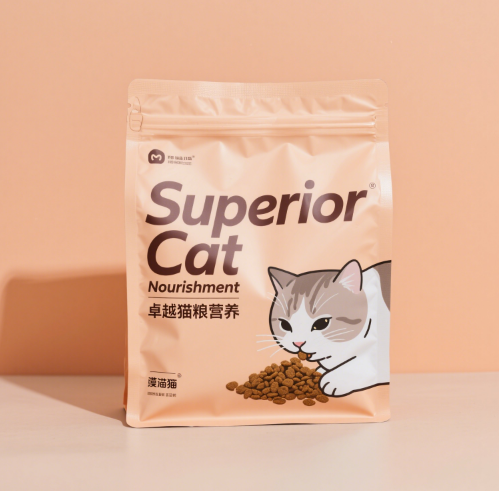
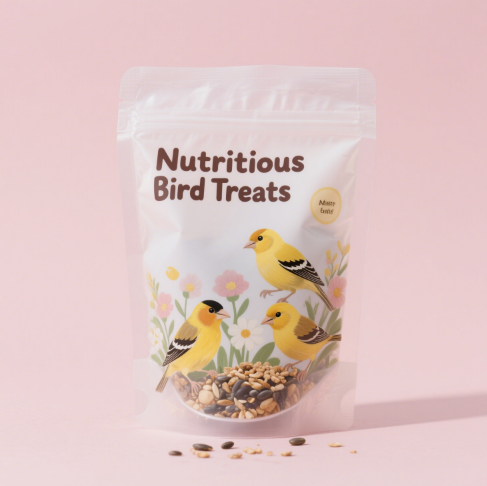
Premium Compostable Pet Food Packaging Solutions - Eco-Friendly & Food-Safe Containers

Get a Free Quote

Our representative will contact you soon.
Email
Name
Company Name
Mobile
Message
0/1000

compostable pet food packaging

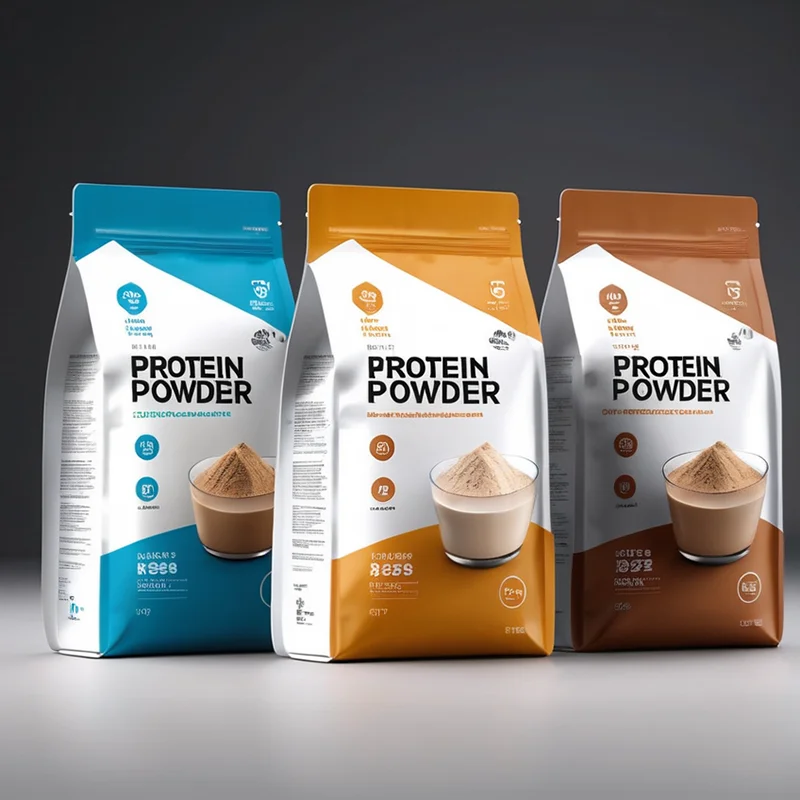
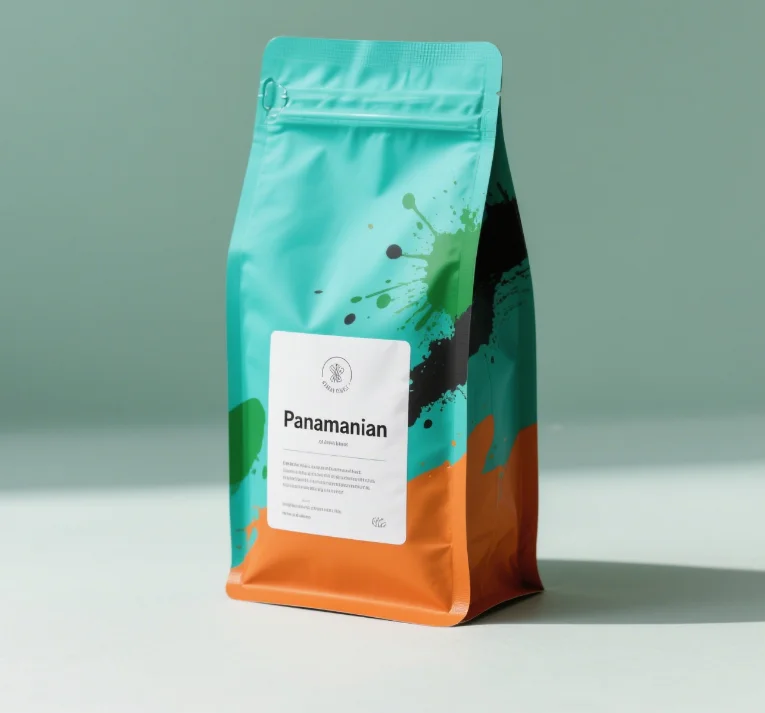
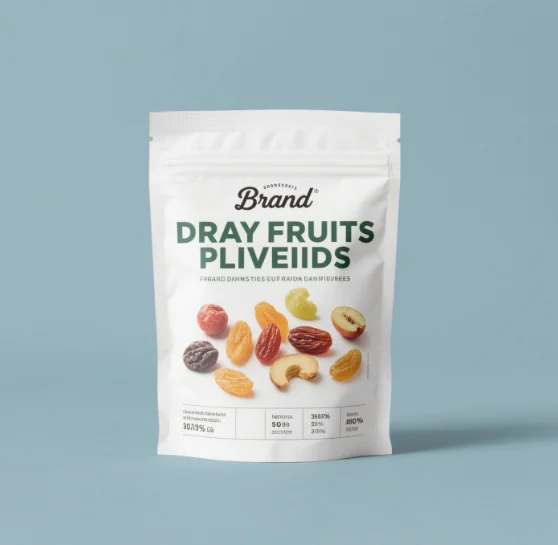
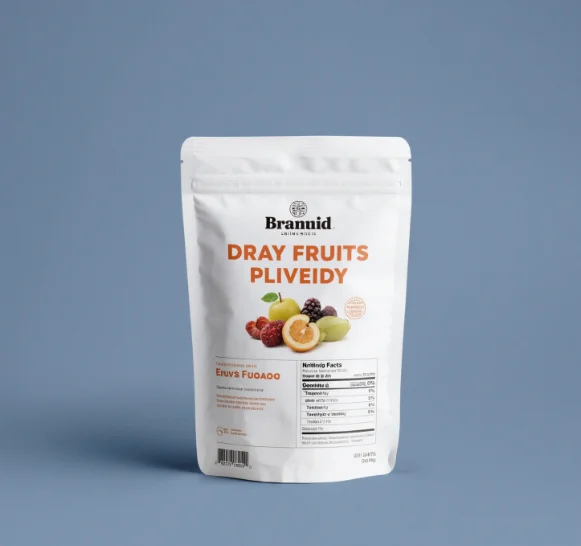
Compostable pet food packaging represents a revolutionary advancement in sustainable packaging solutions, designed specifically to address the environmental challenges posed by traditional pet food containers. This innovative packaging technology combines cutting-edge materials science with environmental responsibility, creating containers that break down naturally in composting environments without leaving harmful residues. The main functions of compostable pet food packaging include preserving food freshness, maintaining nutritional integrity, and providing complete biodegradability within industrial composting facilities. These containers utilize advanced bio-based polymers derived from renewable resources such as plant starches, cellulose fibers, and other organic compounds that ensure complete decomposition. The technological features encompass specialized barrier properties that protect against moisture, oxygen, and light exposure while maintaining structural integrity throughout the product lifecycle. Manufacturing processes incorporate precision molding techniques that create durable yet environmentally friendly containers capable of withstanding normal handling and storage conditions. Applications span across various pet food categories including dry kibble, wet food, treats, and specialty dietary products for dogs, cats, and other companion animals. The packaging design accommodates different sizes and formats, from small treat pouches to large kibble bags, ensuring versatility across product lines. Advanced printing technologies allow for vibrant graphics and essential product information while maintaining compostability standards. Quality control measures ensure each package meets both food safety regulations and environmental certification requirements. The integration of smart packaging features enables enhanced traceability and consumer engagement while preserving the eco-friendly characteristics. These containers support the circular economy model by transforming waste into valuable compost material, contributing to soil health and agricultural sustainability. The technology addresses growing consumer demand for environmentally responsible pet care products while meeting stringent industry standards for food preservation and safety.


New Product Recommendations

Compostable pet food packaging delivers significant environmental benefits that directly impact our planet's health and sustainability. Pet owners reduce their carbon footprint substantially by choosing these eco-friendly containers over traditional plastic packaging. The decomposition process transforms waste into nutrient-rich compost material that enriches soil quality and supports plant growth in gardens and agricultural applications. This creates a positive environmental cycle where packaging waste becomes a valuable resource rather than a burden on landfills and recycling systems. The manufacturing process utilizes renewable resources, reducing dependence on fossil fuels and minimizing greenhouse gas emissions compared to conventional plastic production. Cost savings emerge through reduced waste management expenses as municipalities increasingly charge premium rates for non-recyclable materials disposal. Pet owners experience peace of mind knowing their purchasing decisions align with environmental values while maintaining product quality and safety standards. The packaging maintains superior freshness preservation capabilities, extending shelf life and reducing food waste through advanced barrier technologies. Storage convenience remains unchanged as these containers provide the same functionality as traditional packaging while offering additional environmental benefits. Supply chain efficiency improves as manufacturers reduce packaging inventory complexity by adopting standardized compostable solutions across product lines. Brand reputation enhancement occurs naturally as companies demonstrate genuine commitment to sustainability through tangible packaging improvements. Consumer education opportunities arise as brands communicate environmental benefits directly through package messaging and marketing initiatives. Health considerations benefit from reduced exposure to potentially harmful chemicals found in some traditional plastic packaging materials. The composting process typically completes within 90 to 180 days under proper industrial composting conditions, significantly faster than traditional plastic degradation timelines. Economic incentives include potential tax benefits and reduced regulatory compliance costs as environmental legislation increasingly favors sustainable packaging solutions. Long-term cost stability emerges as renewable resource pricing becomes more predictable compared to volatile petroleum-based material markets. Community impact grows as widespread adoption supports local composting infrastructure development and creates green jobs in the sustainable packaging industry.

Latest News

New Choice of Green Packaging: Analysis of the Multiple Advantages of Environmentally Friendly Packaging Bags

27

Aug

New Choice of Green Packaging: Analysis of the Multiple Advantages of Environmentally Friendly Packaging Bags

The Rise of Sustainable Packaging Solutions in Modern Commerce As global environmental awareness reaches unprecedented levels, the packaging industry stands at a crucial turning point. Environmentally friendly packaging bags have emerged as a revolut...
View More
From Health to Environmental Protection: Why have eco-friendly packaging bags become a new standard in daily life?

27

Aug

From Health to Environmental Protection: Why have eco-friendly packaging bags become a new standard in daily life?

The Rise of Sustainable Packaging Solutions in Modern Society The landscape of consumer packaging has undergone a dramatic transformation in recent years, with eco-friendly packaging bags emerging as a cornerstone of sustainable living. As environmen...
View More
Exploring Sustainable and Durable Options for Pet Food Packaging

08

Sep

Exploring Sustainable and Durable Options for Pet Food Packaging

The Evolution of Modern Pet Food Packaging Solutions The landscape of pet food packaging has undergone a remarkable transformation in recent years, driven by increasing environmental consciousness and the growing demand for sustainable solutions. As ...
View More
Best Aluminum Foil Bags for Food Storage: Expert Review

27

Nov

Best Aluminum Foil Bags for Food Storage: Expert Review

Food storage solutions have evolved significantly over the past decade, with aluminum foil bag technology leading the charge in preserving freshness and extending shelf life. These innovative packaging solutions combine the barrier properties of alum...
View More

Get a Free Quote

Our representative will contact you soon.
Email
Name
Company Name
Mobile
Message
0/1000

compostable pet food packaging

Advanced Biodegradable Material Technology

Advanced Biodegradable Material Technology

The cornerstone of effective compostable pet food packaging lies in its sophisticated biodegradable material composition, which represents years of scientific research and development in sustainable polymer chemistry. These advanced materials combine multiple bio-based components including modified plant starches, cellulose derivatives, and proprietary organic polymers that work synergistically to create packaging with exceptional performance characteristics. The molecular structure of these materials ensures complete biodegradation under controlled composting conditions while maintaining structural integrity during normal use and storage periods. Manufacturing processes utilize precision extrusion and molding techniques that create uniform wall thickness and consistent barrier properties throughout each container. The material formulation incorporates natural additives that enhance decomposition rates without compromising food safety or package functionality. Quality assurance protocols verify that each batch meets strict compostability standards established by international certification bodies such as ASTM D6400 and EN 13432. The technology addresses traditional concerns about biodegradable packaging durability by incorporating reinforcement fibers and cross-linking agents derived from renewable sources. Moisture resistance capabilities match or exceed conventional plastic packaging through innovative surface treatments and barrier coatings that maintain effectiveness throughout the product lifecycle. Temperature stability ensures proper performance across various storage environments, from warehouse facilities to retail displays and consumer homes. The material composition allows for standard printing processes, enabling vibrant graphics and essential product information while preserving environmental benefits. Research and development continues to improve material properties, with ongoing innovations focusing on enhanced barrier performance, extended shelf life capabilities, and accelerated decomposition rates. These technological advancements position compostable pet food packaging as a viable long-term replacement for traditional packaging materials while supporting growing consumer demand for sustainable product options.
Superior Food Preservation and Safety Standards

Superior Food Preservation and Safety Standards

Compostable pet food packaging excels in maintaining optimal food quality and safety through innovative preservation technologies that rival traditional packaging solutions while delivering environmental benefits. The multi-layer barrier system incorporates natural moisture-resistant compounds that prevent humidity infiltration and protect dry kibble from becoming stale or developing mold growth during extended storage periods. Oxygen barrier properties utilize bio-based materials that create an effective seal against oxidation, preserving essential nutrients, vitamins, and flavor profiles that pets require for optimal health and nutrition. Advanced sealing technologies ensure airtight closure mechanisms that maintain package integrity from manufacturing through consumer use, preventing contamination from external environmental factors. Food-grade compliance meets or exceeds all regulatory requirements established by food safety authorities, ensuring complete safety for pet consumption without risk of chemical migration or contamination. The packaging design incorporates tamper-evident features that provide visual confirmation of product integrity while maintaining compostable characteristics throughout all components. Shelf life extension capabilities allow manufacturers to maintain standard distribution timelines without compromising product quality or increasing spoilage rates. Light barrier properties protect sensitive nutrients from UV degradation while allowing for transparent window options that showcase product appearance to consumers. Temperature resistance ensures package performance across various climate conditions, from hot summer storage to cold winter transport. Microbial barrier effectiveness prevents bacterial growth and contamination while allowing the package to decompose naturally under proper composting conditions. Quality control testing protocols verify barrier performance, seal integrity, and food safety compliance throughout manufacturing processes. The preservation system maintains pet food palatability and nutritional value, ensuring animals receive the same high-quality nutrition expected from traditional packaging formats. These safety and preservation features demonstrate that environmental responsibility does not require compromising product quality or consumer expectations.
Comprehensive Environmental Impact Reduction

Comprehensive Environmental Impact Reduction

The environmental impact reduction achieved through compostable pet food packaging extends far beyond simple waste diversion, creating measurable benefits across multiple ecological systems and contributing to global sustainability goals. Lifecycle assessment studies demonstrate significant reductions in carbon emissions compared to traditional plastic packaging, with improvements spanning raw material extraction, manufacturing processes, transportation efficiency, and end-of-life disposal methods. The composting process transforms packaging waste into valuable organic matter that enhances soil structure, improves water retention capabilities, and provides essential nutrients for plant growth in agricultural and horticultural applications. Landfill diversion benefits include reduced methane emissions, decreased leachate production, and conservation of valuable landfill space for non-compostable materials that currently lack alternative disposal methods. Ocean pollution reduction occurs as compostable materials eliminate the risk of persistent plastic contamination in marine environments, protecting aquatic ecosystems and wildlife from harmful microplastic ingestion. Resource conservation extends to reduced petroleum consumption during manufacturing, as bio-based materials utilize renewable plant resources that regenerate annually rather than finite fossil fuel deposits. Water usage optimization during production processes results in lower environmental impact compared to traditional plastic manufacturing, which requires significant water resources for cooling and cleaning operations. Energy efficiency improvements in manufacturing facilities reduce overall environmental footprint while maintaining production capacity and quality standards. Biodiversity support emerges as composting operations create habitat enhancements and soil improvements that benefit local ecosystems and wildlife populations. Climate change mitigation occurs through carbon sequestration in composted materials and reduced greenhouse gas emissions throughout the product lifecycle. Circular economy advancement transforms linear waste streams into closed-loop systems where packaging materials return to the environment as beneficial inputs rather than persistent pollutants. Community environmental health improves as reduced plastic waste decreases exposure to harmful chemicals and microplastics in local environments. These comprehensive environmental benefits demonstrate the transformative potential of sustainable packaging solutions for creating positive ecological outcomes while meeting consumer needs and industry requirements.

Get a Free Quote

Our representative will contact you soon.
Email
Name
Company Name
Mobile
Message
0/1000