self sealing bags for food
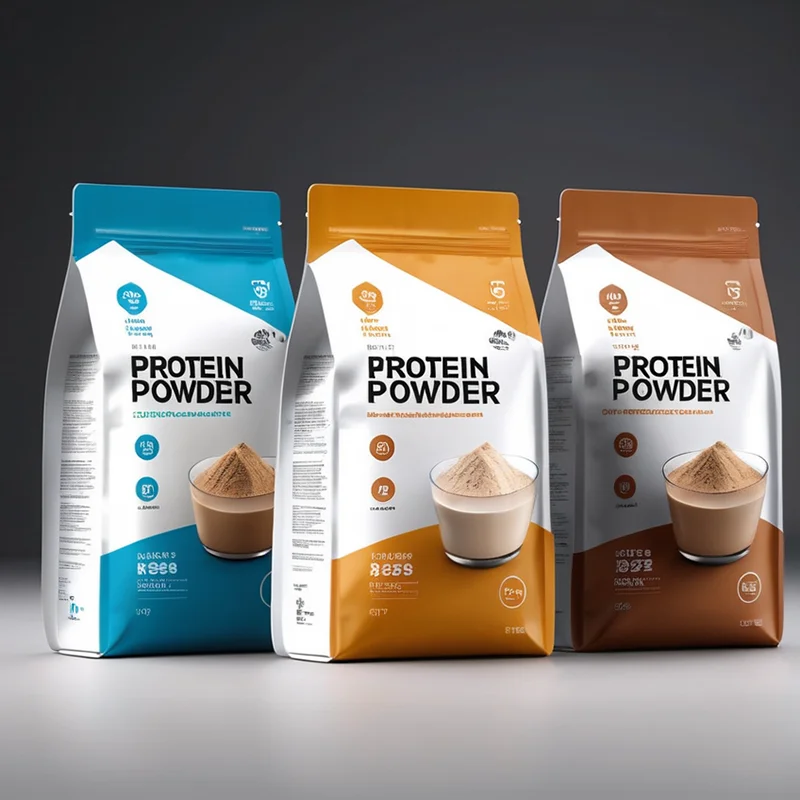
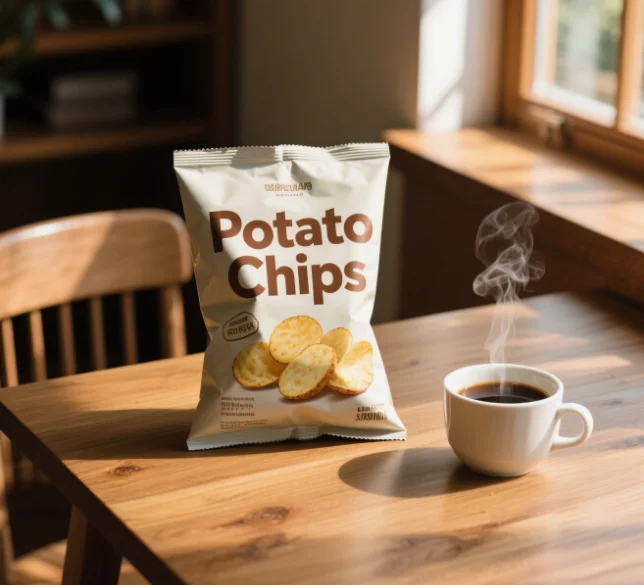
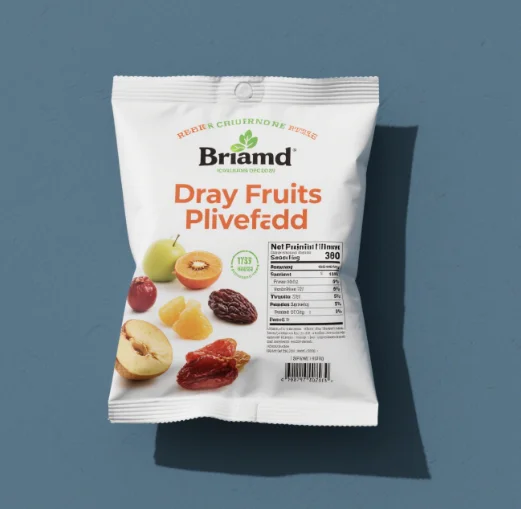
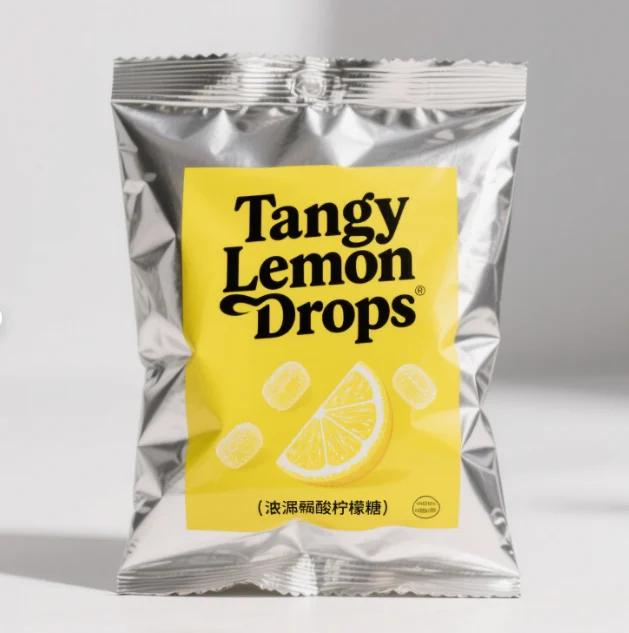
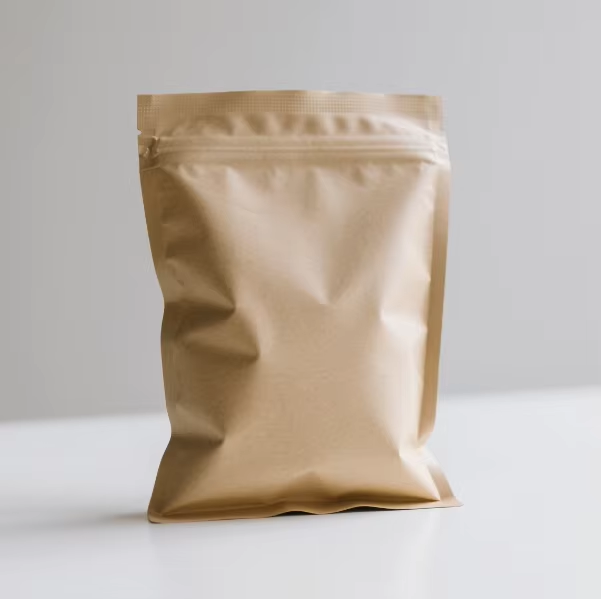
Self sealing bags for food represent a revolutionary advancement in food storage technology, combining convenience with superior preservation capabilities. These innovative packaging solutions feature an integrated sealing mechanism that eliminates the need for external clips, ties, or additional sealing equipment. The primary function of self sealing bags for food centers on maintaining optimal freshness while providing effortless access and secure closure for various food items. The technological foundation of these bags relies on specialized adhesive strips or pressure-activated sealing systems that create an airtight barrier when properly engaged. Advanced polymer materials used in manufacturing ensure durability while maintaining flexibility for repeated opening and closing cycles. The sealing mechanism typically involves either a zip-lock style closure with enhanced grip ridges or an adhesive strip that maintains its bonding properties through multiple uses. Food safety standards drive the material selection process, ensuring that all components meet stringent requirements for direct food contact. These bags effectively prevent moisture infiltration, oxygen exposure, and contamination from external sources, significantly extending the shelf life of stored products. Applications span across residential kitchens, commercial food service operations, retail packaging, and industrial food processing facilities. Home users appreciate the convenience for storing leftovers, meal preparation ingredients, and bulk food purchases. Commercial establishments utilize self sealing bags for food to maintain ingredient freshness, portion control, and efficient inventory management. The versatility extends to both dry goods like cereals, nuts, and snacks, as well as fresh items including fruits, vegetables, and prepared meals. Temperature resistance allows these bags to function effectively in refrigerated environments, freezer storage, and ambient temperature conditions, making them suitable for diverse storage scenarios across the food supply chain.

 EN
EN