
 EN
EN



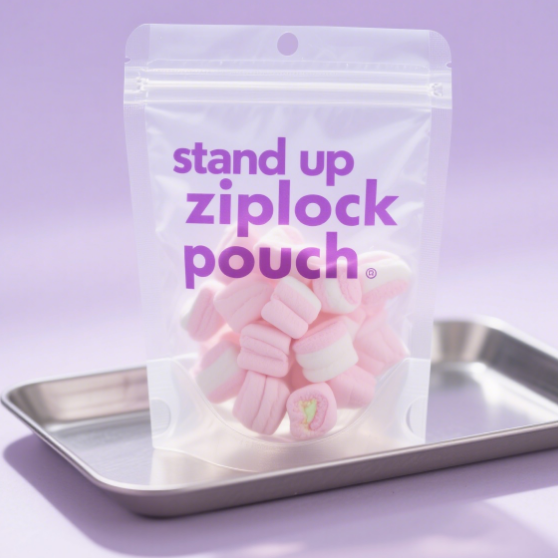
Selecting the right packaging solution can make or break your product's success in today's competitive marketplace. A stand up zipper bag offers the perfect combination of functionality, convenience, and visual appeal that modern consumers demand. These versatile packaging solutions have revolutionized how businesses present their products while providing customers with practical storage options that extend product freshness and usability.
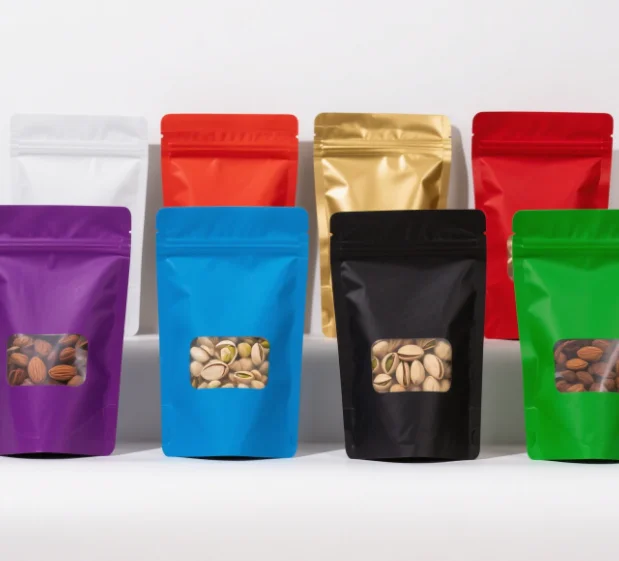
The growing demand for sustainable and user-friendly packaging has positioned stand up zipper bags as a preferred choice across multiple industries. From food products to cosmetics, pharmaceutical items to retail merchandise, these bags deliver exceptional performance while maintaining cost-effectiveness. Understanding the key factors involved in selecting the ideal stand up zipper bag will help you make informed decisions that align with your brand objectives and customer expectations.
Understanding Stand Up Zipper Bag Construction and Materials
Multi-Layer Film Technology
Modern stand up zipper bags utilize sophisticated multi-layer film construction that combines different materials to achieve optimal performance characteristics. The outer layer typically consists of oriented polypropylene or polyethylene terephthalate, providing excellent printability and durability. The middle barrier layer often incorporates aluminum foil or metallized films that offer superior protection against moisture, oxygen, and light exposure.
The inner sealant layer directly contacts your product and must meet specific food safety standards when applicable. This layer is usually made from polyethylene or specialized food-grade materials that ensure product integrity while maintaining the seal strength of the zipper mechanism. The combination of these layers creates a robust packaging solution that protects contents while maintaining structural integrity during handling and storage.
Barrier Properties and Protection Levels
Different products require varying levels of barrier protection, making it essential to understand the specific requirements of your application. Oxygen transmission rates, moisture vapor transmission rates, and light transmission properties all play crucial roles in determining product shelf life and quality maintenance. High-barrier films are necessary for products sensitive to oxidation, while moderate barrier properties may suffice for items with shorter shelf lives.
Temperature resistance is another critical factor, especially for products that may experience temperature fluctuations during storage or transportation. Some stand up zipper bags incorporate specialized materials that maintain their integrity across wide temperature ranges, ensuring consistent performance regardless of environmental conditions. Understanding these barrier properties helps you select packaging that provides adequate protection without over-engineering the solution.
Size and Capacity Considerations
Dimensional Planning and Product Fit
Proper sizing ensures optimal product presentation while minimizing material waste and shipping costs. The dimensions of your stand up zipper bag should accommodate your product comfortably while leaving sufficient headspace for easy filling and proper seal formation. Consider both the filled and unfilled dimensions, as the bag's appearance on retail shelves directly impacts consumer perception and purchase decisions.
Width, height, and gusset measurements must be carefully balanced to create an attractive package profile that stands securely while maximizing shelf space efficiency. Custom sizing options allow you to optimize the packaging for your specific product while ensuring compatibility with existing filling equipment and storage systems. Proper dimensional planning also affects shipping efficiency and storage requirements throughout the supply chain.
Volume Optimization and Fill Ratios
The relationship between bag capacity and actual fill volume significantly impacts both functionality and economics. Overfilling can compromise seal integrity and affect the zipper's performance, while underfilling may create an unprofessional appearance and waste packaging material. Optimal fill ratios typically range from seventy to eighty-five percent of total capacity, depending on product characteristics and settling behavior.
Consider how your product behaves after packaging, including potential settling, expansion, or compression over time. Some products may require additional headspace to accommodate volume changes, while others benefit from minimal air space to maintain freshness and prevent oxidation. Understanding these dynamics helps you select the appropriate bag size that maintains product quality while optimizing packaging efficiency.
Zipper Mechanism Types and Performance
Press-to-Close Zipper Systems
Traditional press-to-close zippers offer reliable resealing performance for most applications while maintaining cost-effectiveness. These systems feature interlocking profiles that create an airtight seal when properly closed, making them ideal for products requiring moderate barrier protection. The ease of opening and closing makes them consumer-friendly, though they may require some manual dexterity for proper operation.
Press-to-close mechanisms work well for dry products, snacks, and items that don't require frequent access. The seal strength and integrity depend on proper alignment and adequate closure pressure, making consumer education important for optimal performance. These zippers typically offer good value for applications where basic resealing functionality meets product requirements without additional complexity.
Slider Zipper Technology
Slider zippers provide enhanced ease of use and more reliable closure performance, making them ideal for premium products or applications requiring frequent access. The slider mechanism ensures consistent compression along the entire zipper length, creating superior seal integrity compared to manual press-to-close systems. This technology particularly benefits elderly consumers or those with limited manual dexterity.
The added convenience of slider zippers comes with increased cost, making them most suitable for higher-value products or applications where user experience is paramount. These systems also offer better visual appeal and perceived quality, potentially justifying premium pricing. Consider slider zippers for products requiring frequent opening and closing or when targeting consumer segments that value convenience and ease of use.
Design and Branding Opportunities
Printing Technologies and Quality
Advanced printing capabilities transform stand up zipper bags into powerful marketing tools that communicate brand values and product benefits. Rotogravure printing delivers exceptional quality for high-volume production runs, offering vibrant colors and sharp graphics that enhance shelf appeal. Flexographic printing provides cost-effective solutions for smaller quantities while maintaining good print quality and color consistency.
Digital printing technologies enable short-run customization and variable data printing, making it possible to create region-specific packaging or limited edition designs. The choice of printing method depends on quantity requirements, color complexity, and budget considerations. High-quality printing enhances brand recognition and consumer perception while differentiating your product from competitors.
Special Features and Functional Elements
Transparent windows allow consumers to view product contents while maintaining package integrity, building trust and enabling quality assessment before purchase. Tear notches facilitate easy opening for first-time use while preserving the zipper mechanism for subsequent resealing. Hang holes enable versatile display options that maximize retail presence and accessibility.
Matte or gloss finishes create different tactile experiences and visual effects that can reinforce brand positioning. Anti-static treatments prevent dust accumulation and improve product appearance during extended shelf life. These special features should align with your brand strategy and target market expectations while providing practical benefits that justify any additional costs.
Industry-Specific Applications and Requirements
Food and Beverage Packaging Standards
Food-grade stand up zipper bags must comply with strict regulatory requirements including FDA approval for direct food contact materials. Migration testing ensures that no harmful substances transfer from packaging to food products over expected shelf life periods. Temperature resistance becomes critical for products requiring pasteurization or sterilization processes.
Barrier properties for food applications focus on preventing contamination while maintaining freshness and extending shelf life. Moisture and oxygen barriers are particularly important for dry goods, while light protection helps preserve vitamins and prevent color degradation in sensitive products. Understanding specific food safety requirements helps ensure compliance while optimizing product protection and quality maintenance.
Pharmaceutical and Healthcare Applications
Pharmaceutical packaging requires adherence to Good Manufacturing Practice guidelines and specific regulatory approvals for drug contact materials. Child-resistant features may be necessary for certain medications, while tamper-evident seals provide security and consumer confidence. Moisture protection becomes critical for maintaining drug stability and efficacy throughout the product lifecycle.
Traceability requirements in pharmaceutical applications may necessitate special printing capabilities for lot numbers, expiration dates, and other variable information. The packaging must maintain sterility when required while providing convenient access for healthcare providers and patients. These specialized requirements often justify premium materials and features that ensure product safety and regulatory compliance.
Cost Analysis and Value Engineering
Total Cost of Ownership Evaluation
Evaluating stand up zipper bag costs requires consideration of factors beyond initial purchase price, including shipping expenses, storage requirements, and filling line efficiency. Higher-quality bags may reduce product loss due to packaging failures while improving customer satisfaction and reducing returns. The relationship between packaging cost and product value affects profit margins and competitive positioning.
Volume commitments often provide significant cost savings through economies of scale, but must be balanced against inventory carrying costs and demand uncertainty. Custom features and specialized materials command premium pricing but may deliver superior performance that justifies the additional investment. Long-term partnerships with packaging suppliers can provide cost stability and technical support that adds value beyond price considerations.
Return on Investment Calculations
Premium packaging features can justify higher costs through improved shelf life, reduced waste, and enhanced consumer appeal that supports premium pricing. The ability to extend product freshness directly translates to reduced spoilage and improved customer satisfaction. Enhanced visual appeal and functionality can drive increased sales velocity and market share gains.
Brand building benefits of high-quality packaging compound over time, creating customer loyalty and price premium opportunities. The cost of packaging failures, including product recalls, customer complaints, and brand damage, often exceeds the incremental cost of higher-quality solutions. Quantifying these factors helps justify investment in superior packaging systems that deliver long-term value.
FAQ
What factors determine the shelf life of products in stand up zipper bags
Product shelf life in stand up zipper bags depends primarily on the barrier properties of the packaging material, storage conditions, and the nature of the product itself. High-barrier films that prevent oxygen and moisture transmission significantly extend shelf life for sensitive products. Temperature control, light exposure, and proper sealing techniques also play crucial roles in maintaining product quality over time.
How do I calculate the optimal bag size for my product
Optimal bag sizing requires measuring your product dimensions in both loose and settled states, then adding appropriate headspace for filling and sealing operations. Generally, aim for seventy to eighty-five percent fill capacity to ensure proper appearance and functionality. Consider product settling characteristics and any volume changes that may occur during storage when determining final dimensions.
What printing methods work best for small quantity orders
Digital printing offers the most cost-effective solution for small quantities, typically under ten thousand units, providing excellent quality without requiring expensive printing plates. Flexographic printing becomes economical for medium quantities while rotogravure printing delivers premium quality for large volume runs. Consider your quantity requirements, color complexity, and budget when selecting the appropriate printing method.
Are stand up zipper bags suitable for frozen food applications
Many stand up zipper bags are suitable for frozen food applications when manufactured with appropriate cold-temperature materials and adhesives. The packaging must maintain flexibility and seal integrity at freezing temperatures while preventing moisture migration that could cause freezer burn. Consult with packaging suppliers about specific temperature requirements and testing certifications for frozen food applications.