
 EN
EN




Modern food packaging has evolved significantly to address the growing demands of consumers and businesses seeking reliable preservation solutions. The moisture-proof aluminum foil food packaging bag represents a breakthrough in maintaining product freshness while extending shelf life across various food categories. These innovative packaging solutions combine advanced materials science with practical design elements to create barrier protection against environmental factors that commonly compromise food quality. The integration of aluminum foil layers with moisture-resistant properties ensures optimal storage conditions for snacks, biscuits, dried fruits, and numerous other food products requiring extended preservation periods.
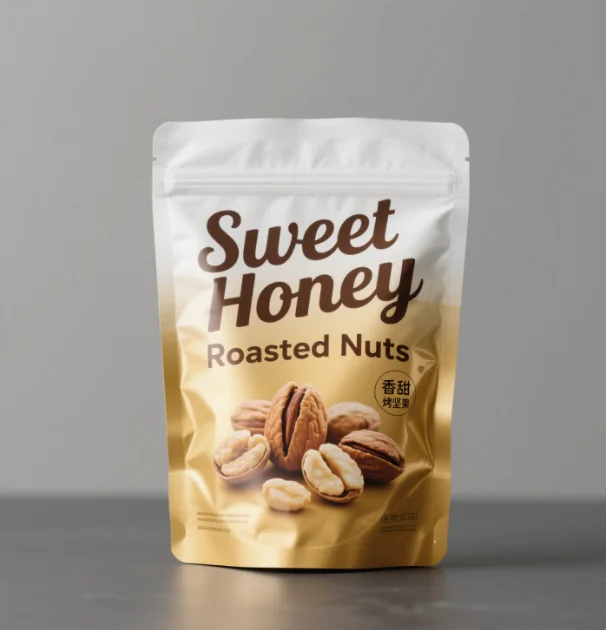
The food packaging industry has recognized the critical importance of barrier properties in maintaining nutritional value and preventing spoilage. Moisture-proof aluminum foil food packaging bag technology addresses multiple preservation challenges simultaneously, including oxygen transmission, water vapor permeability, and light exposure protection. These comprehensive barrier systems enable manufacturers to guarantee product quality throughout distribution channels and retail environments. The sophisticated construction methods employed in creating these bags ensure consistent performance across temperature variations and humidity fluctuations commonly encountered in supply chain operations.
Advanced Barrier Technology and Material Composition
Multi-Layer Construction Benefits
The effectiveness of moisture-proof aluminum foil food packaging bag designs stems from their multi-layer construction approach that combines different material properties for optimal performance. The aluminum foil core provides exceptional barrier protection against moisture, oxygen, and light transmission while maintaining structural integrity under various storage conditions. Outer polymer layers contribute flexibility and puncture resistance, ensuring the package maintains its protective qualities during handling and transportation processes. This layered architecture creates a synergistic effect where individual material weaknesses are compensated by complementary layer strengths.
Manufacturing precision in layer lamination processes directly impacts the final barrier performance characteristics of these specialized packaging solutions. Advanced adhesive systems bond different materials without compromising individual layer properties or creating potential failure points that could reduce overall package integrity. The careful selection of compatible materials ensures long-term stability while preventing delamination issues that might occur under stress conditions. Quality control measures throughout production processes verify that each moisture-proof aluminum foil food packaging bag meets stringent performance specifications required for food safety applications.
Aluminum Foil Properties and Performance
Aluminum foil serves as the primary barrier component in these advanced packaging systems due to its exceptional impermeability to gases and moisture vapor. The metallic structure creates a complete barrier that prevents molecular transmission, effectively blocking oxygen and water vapor that typically cause food deterioration. This barrier effectiveness remains consistent across temperature ranges commonly encountered in food storage and distribution environments. The inherent properties of aluminum foil also provide protection against ultraviolet light exposure, which can degrade sensitive food components like vitamins and natural pigments.
The thickness and alloy composition of aluminum foil layers are carefully optimized to balance barrier performance with package flexibility requirements. Thinner foil gauges maintain necessary barrier properties while allowing easier package handling and forming operations during manufacturing processes. Surface treatments applied to aluminum foil enhance adhesion characteristics with adjacent polymer layers, ensuring robust laminate structures that resist separation under mechanical stress. These technical considerations enable moisture-proof aluminum foil food packaging bag designs to achieve superior performance standards while maintaining cost-effectiveness for commercial applications.
Zipper Integration and Resealability Features
Zipper Mechanism Design and Functionality
The incorporation of high-quality zipper closures transforms static barrier packaging into convenient resealable solutions that extend product usability for consumers. Zipper integration requires precise engineering to maintain the overall barrier integrity of the moisture-proof aluminum foil food packaging bag while providing reliable opening and closing functionality. The zipper track design must create an effective seal that prevents air and moisture infiltration when closed, essentially extending the barrier protection throughout the product consumption period. Advanced zipper materials resist fatigue from repeated use while maintaining consistent sealing performance over hundreds of opening cycles.
Manufacturing processes for zipper attachment involve specialized welding techniques that create strong, leak-proof bonds between the zipper components and the bag structure. Heat sealing parameters are carefully controlled to ensure proper fusion without compromising the barrier properties of adjacent materials or creating weak points susceptible to failure. The positioning of zippers within the package design considers both functional accessibility and structural integrity requirements. Quality testing procedures verify that completed packages maintain their barrier effectiveness even after extensive zipper operation cycles under various environmental conditions.
Consumer Convenience and Product Protection Balance
Effective resealable packaging design must balance ease of consumer use with maintaining product protection throughout the consumption period. The moisture-proof aluminum foil food packaging bag with integrated zipper systems provides this balance by offering intuitive operation while preserving barrier properties. Ergonomic considerations in zipper design ensure consumers can easily operate the closure mechanism without requiring excessive force or creating potential damage to the package structure. Clear visual indicators help users identify proper zipper alignment for optimal sealing performance.
Long-term storage effectiveness depends on consumer compliance with proper resealing procedures, making intuitive design features essential for maintaining product quality. Educational elements integrated into package graphics provide guidance on optimal storage practices and proper zipper operation techniques. The durability of zipper components ensures consistent performance throughout the expected product consumption timeline while resisting common failure modes like track separation or slider wear. These design considerations contribute to overall customer satisfaction and product protection effectiveness in real-world usage scenarios.
Standing Bag Configuration and Stability Advantages
Structural Design Elements for Shelf Display
Standing bag configurations provide significant advantages for both retail display and consumer storage applications by optimizing vertical space utilization and product visibility. The bottom gusset design creates a stable base that allows moisture-proof aluminum foil food packaging bag products to maintain upright positioning without external support structures. This self-supporting capability enhances retail shelf presentation while maximizing display density in limited space environments. The structural engineering involved in creating stable standing bags requires careful consideration of material properties and seam placement to achieve optimal balance between flexibility and rigidity.
Manufacturing techniques for standing bag production involve specialized forming processes that create precise fold patterns and heat-sealed seams for structural integrity. The bottom panel configuration distributes product weight evenly across the base area, preventing tipping or instability issues commonly associated with flexible packaging formats. Corner reinforcement techniques strengthen high-stress areas where material folding creates potential weak points that could compromise package integrity. Quality control measures verify that completed standing bags maintain their upright positioning characteristics across varying fill weights and product densities.
Consumer Storage and Handling Benefits
The standing bag format significantly improves consumer storage organization by enabling efficient pantry and cupboard space utilization compared to traditional flat packaging formats. Moisture-proof aluminum foil food packaging bag designs in standing configurations occupy minimal shelf depth while maximizing product identification through enhanced front panel visibility. The stable positioning reduces the likelihood of accidental spills or package damage that might occur with unstable packaging formats during storage or retrieval activities. This improved handling characteristic contributes to overall product protection and consumer satisfaction throughout the usage period.
Ergonomic advantages of standing bag designs include easier product access and portion control capabilities that enhance the consumer experience. The upright orientation facilitates controlled product dispensing while maintaining visibility of remaining contents for inventory management. Resealing operations become more convenient when packages maintain stable positioning during zipper manipulation, reducing the risk of spillage or contamination during use. These practical benefits contribute to consumer preference for standing bag formats in competitive retail environments where convenience features influence purchasing decisions.
Food Safety and Regulatory Compliance Standards
FDA and International Safety Requirements
Compliance with food safety regulations represents a fundamental requirement for moisture-proof aluminum foil food packaging bag manufacturers serving domestic and international markets. FDA guidelines specify approved materials, migration limits, and testing protocols that ensure packaging components do not compromise food safety or contribute harmful substances to packaged products. International standards from organizations like ISO and ASTM provide additional frameworks for quality assurance and performance verification across global supply chains. Manufacturers must demonstrate compliance through comprehensive testing programs that validate material safety and performance characteristics under intended use conditions.
Documentation requirements for regulatory compliance include detailed material specifications, manufacturing process controls, and quality assurance protocols that ensure consistent production standards. Testing procedures must verify barrier performance, seal integrity, and material migration characteristics according to established protocols for intended food contact applications. Regular audits and certification renewals maintain compliance status while adapting to evolving regulatory requirements in different market regions. These comprehensive compliance programs provide confidence to food manufacturers and consumers regarding product safety and quality standards.
Quality Assurance and Testing Protocols
Rigorous quality assurance programs ensure that moisture-proof aluminum foil food packaging bag products consistently meet performance specifications and safety requirements throughout production cycles. Testing protocols evaluate barrier properties using standardized methods that measure oxygen transmission rates, water vapor permeability, and seal strength characteristics under controlled laboratory conditions. Accelerated aging studies simulate extended storage conditions to verify long-term performance stability and identify potential degradation mechanisms that could affect product protection capabilities. Statistical process control methods monitor key performance indicators throughout manufacturing operations to maintain consistent quality standards.
Batch testing procedures verify that individual production runs meet established specifications before release for commercial distribution. Incoming material inspections ensure that raw materials conform to approved specifications while preventing defective components from entering production processes. Environmental monitoring programs track conditions in manufacturing facilities to maintain optimal processing environments that support consistent product quality. These comprehensive quality systems provide traceability and accountability throughout the supply chain while supporting continuous improvement initiatives that enhance product performance and customer satisfaction.
Applications Across Food Industry Segments
Snack Food and Confectionery Applications
The snack food industry relies heavily on moisture-proof aluminum foil food packaging bag technology to maintain product crispness and prevent staleness that diminishes consumer appeal. Potato chips, crackers, nuts, and similar products require immediate protection from atmospheric moisture that rapidly compromises texture and flavor characteristics. The superior barrier properties provided by aluminum foil laminate structures extend shelf life significantly compared to traditional packaging materials while maintaining product quality throughout distribution and retail cycles. Specialized formulations address specific challenges like oil resistance and flavor retention that are critical for maintaining snack food appeal.
Confectionery applications benefit from the light barrier properties that prevent chocolate bloom and color fading in sensitive candy products. Temperature stability characteristics of these advanced packaging systems help maintain product integrity during seasonal temperature variations and transportation through various climate zones. The flexibility of moisture-proof aluminum foil food packaging bag designs accommodates irregular product shapes while providing consistent protection across different confectionery formats. Custom printing capabilities enable brand differentiation while maintaining functional performance requirements essential for product protection and shelf life extension.
Dried Foods and Ingredient Preservation
Dried food products including fruits, vegetables, spices, and specialty ingredients require sophisticated moisture control to prevent rehydration and quality degradation during storage periods. The exceptional moisture barrier properties of aluminum foil laminates create controlled environments that maintain optimal water activity levels for extended preservation. These packaging solutions enable manufacturers to guarantee product quality throughout extended distribution channels while reducing waste associated with premature product deterioration. The chemical inertness of aluminum foil prevents flavor contamination and aroma loss that commonly affects dried food products in permeable packaging materials.
Institutional and food service applications utilize larger format moisture-proof aluminum foil food packaging bag designs for bulk ingredient storage and portion control systems. The scalability of these packaging technologies accommodates various package sizes from individual portions to commercial bulk formats while maintaining consistent barrier performance characteristics. Ingredient manufacturers benefit from extended shelf life capabilities that reduce inventory turnover requirements and support global distribution strategies. The tamper-evident features integrated into many designs provide additional security for high-value specialty ingredients and organic products requiring chain of custody verification.
Environmental Considerations and Sustainability
Recyclability and Waste Reduction
Environmental responsibility in packaging design involves balancing product protection requirements with end-of-life disposal considerations and resource conservation goals. Moisture-proof aluminum foil food packaging bag designs incorporate recyclable materials where possible while maintaining essential barrier performance characteristics required for food safety applications. Aluminum components offer excellent recyclability properties with established collection and processing infrastructure in many regions supporting circular economy principles. Material selection strategies prioritize renewable resources and reduced environmental impact while ensuring compliance with performance specifications essential for food protection applications.
Waste reduction initiatives focus on optimizing package sizes to minimize material usage while maintaining adequate product protection throughout the intended shelf life period. Right-sizing strategies reduce over-packaging while ensuring sufficient barrier properties and structural integrity for distribution requirements. Source reduction programs work with suppliers to minimize packaging material usage through improved manufacturing efficiency and design optimization techniques. These environmental considerations align with corporate sustainability goals while maintaining the functional performance standards essential for food safety and quality preservation applications.
Innovation in Sustainable Materials
Ongoing research and development efforts focus on incorporating bio-based and compostable materials into moisture-proof aluminum foil food packaging bag designs while maintaining essential barrier properties. Advanced polymer technologies enable partial substitution of petroleum-based materials with renewable alternatives that reduce carbon footprint without compromising performance characteristics. Biodegradable coating systems provide alternative approaches to traditional barrier layers while supporting end-of-life disposal in composting systems where infrastructure exists. These innovations represent important steps toward more sustainable packaging solutions that address environmental concerns while maintaining food safety standards.
Life cycle assessment methodologies evaluate the complete environmental impact of packaging systems from raw material extraction through end-of-life disposal scenarios. These comprehensive analyses guide material selection and design decisions that optimize environmental performance while maintaining functional requirements essential for food protection applications. Collaboration between packaging manufacturers, material suppliers, and end users drives innovation toward more sustainable solutions that meet evolving environmental expectations without compromising product safety or quality standards essential for consumer confidence and regulatory compliance.
FAQ
What makes aluminum foil effective for moisture-proof food packaging applications
Aluminum foil provides exceptional barrier properties due to its metallic structure that completely blocks moisture vapor and oxygen transmission at the molecular level. The continuous metallic surface creates an impermeable barrier that maintains consistent performance across temperature variations commonly encountered in food storage environments. When properly laminated with protective polymer layers, aluminum foil maintains its barrier effectiveness while providing flexibility and durability required for packaging applications. This combination of properties makes moisture-proof aluminum foil food packaging bag designs highly effective for extending shelf life and maintaining product quality in demanding storage conditions.
How does zipper integration affect the overall barrier performance of standing bags
Proper zipper integration maintains barrier integrity through specialized sealing techniques that create leak-proof connections between the zipper components and the bag structure. Advanced manufacturing processes ensure that zipper attachment points do not compromise the moisture-proof aluminum foil food packaging bag barrier properties while providing reliable resealable functionality. High-quality zipper materials and precision assembly techniques create effective seals when closed, extending barrier protection throughout the product consumption period. Quality control testing verifies that completed packages maintain their protective characteristics even after extensive opening and closing cycles under various environmental conditions.
What food products benefit most from moisture-proof aluminum foil packaging technology
Products that are particularly sensitive to moisture, oxygen, and light exposure gain the greatest benefits from these advanced packaging systems. Snack foods like chips and crackers maintain crispness significantly longer when protected by moisture-proof aluminum foil food packaging bag barriers compared to traditional materials. Dried foods including nuts, fruits, and spices preserve their texture and flavor characteristics throughout extended storage periods when properly sealed in aluminum foil laminate packages. Coffee, tea, and other aromatic products maintain their volatile compounds and prevent staleness when packaged in these high-barrier systems that block external contamination and internal aroma loss.
How do standing bag designs improve retail display and consumer convenience
Standing bag configurations maximize shelf space utilization while enhancing product visibility through upright positioning that showcases front panel graphics and branding elements. The self-supporting design eliminates the need for additional display fixtures while allowing retailers to create attractive product presentations that attract consumer attention. For consumers, the stable upright positioning facilitates easier storage organization and product access while reducing the likelihood of spills during use. The combination of moisture-proof aluminum foil food packaging bag barrier protection with convenient standing functionality creates packaging solutions that satisfy both functional performance requirements and user convenience expectations in competitive retail environments.
Table of Contents
- Advanced Barrier Technology and Material Composition
- Zipper Integration and Resealability Features
- Standing Bag Configuration and Stability Advantages
- Food Safety and Regulatory Compliance Standards
- Applications Across Food Industry Segments
- Environmental Considerations and Sustainability
-
FAQ
- What makes aluminum foil effective for moisture-proof food packaging applications
- How does zipper integration affect the overall barrier performance of standing bags
- What food products benefit most from moisture-proof aluminum foil packaging technology
- How do standing bag designs improve retail display and consumer convenience