User-Friendly Design Features for Enhanced Convenience
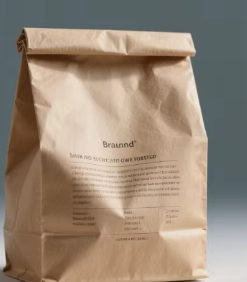
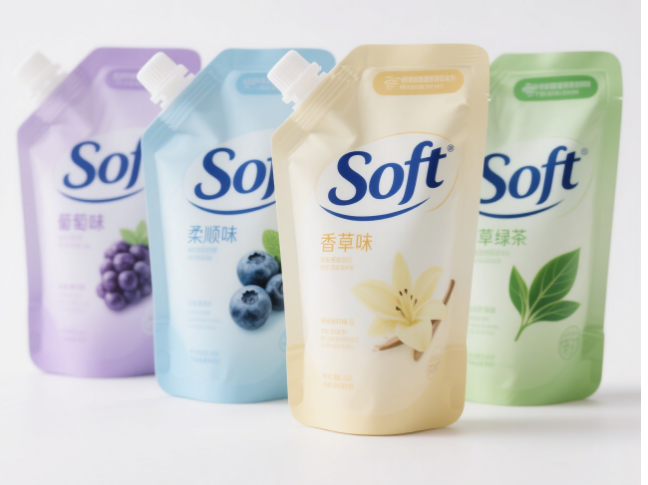
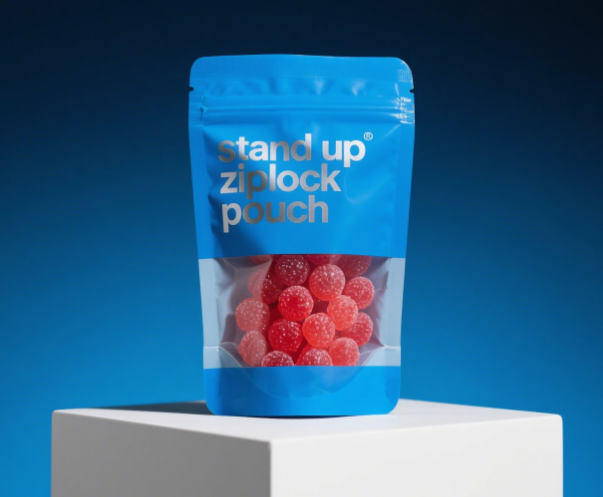
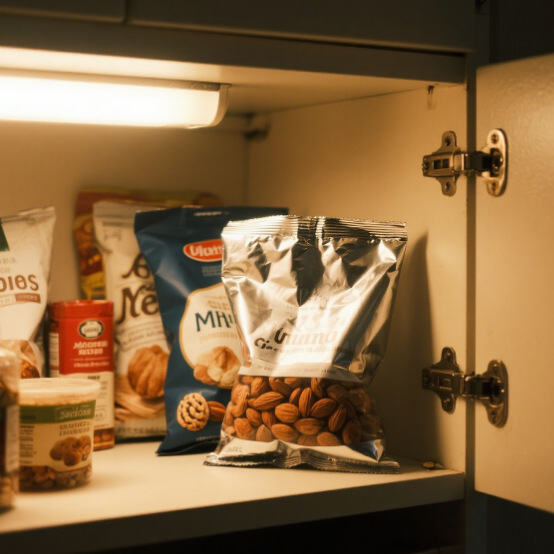
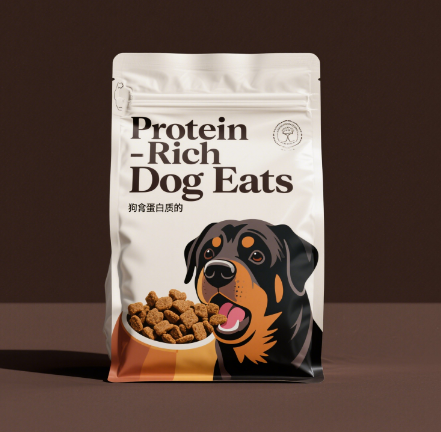
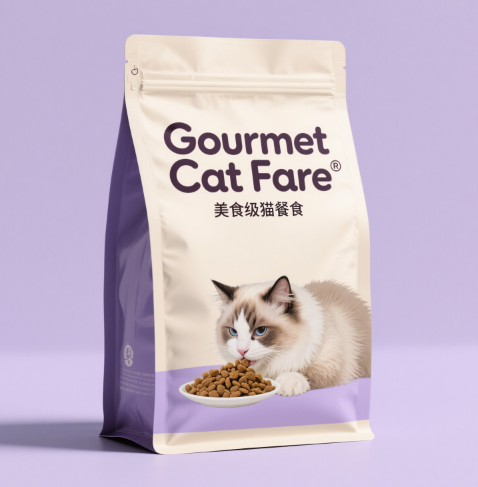
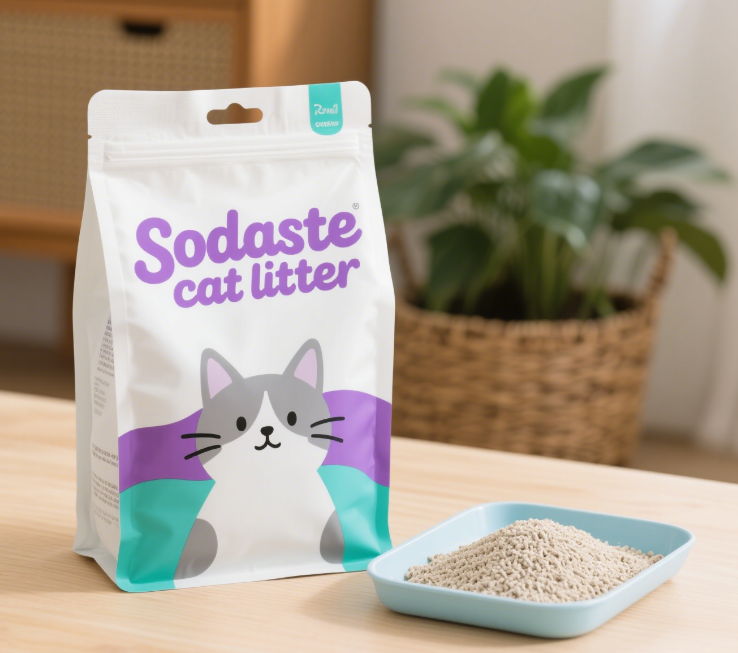
Recyclable pet food packaging incorporates thoughtful design elements that prioritize user experience while maintaining environmental responsibility and product protection standards. These convenience features begin with ergonomic handling considerations that make packages easy to carry, open, and store in typical household environments. The package shape and size optimization ensures efficient storage in pantries, cabinets, or feeding areas while maximizing product volume and minimizing material usage. Easy-open mechanisms eliminate the need for scissors or additional tools, featuring tear strips, zipper closures, or snap-lock systems that function reliably throughout the product's lifespan. These opening systems undergo extensive durability testing to ensure they remain functional even after repeated use, preventing frustration and maintaining package integrity. Portion control features include measurement guides, serving suggestions, and compartmentalized sections that help pet owners provide appropriate food quantities for their animals' specific nutritional needs. Clear visibility windows or transparent sections allow consumers to assess product quality and remaining quantity without opening the package, reducing unnecessary exposure to air and moisture. The resealable closure systems utilize advanced zipper technology or fold-over designs that create airtight seals, preserving freshness between feeding times while preventing spills or pest infiltration. Labeling design incorporates high-contrast colors, clear fonts, and logical information hierarchy that makes feeding instructions, nutritional data, and recycling guidelines easily accessible to users of all ages. Handle integration or grip features accommodate users with different physical capabilities, ensuring that elderly pet owners or those with mobility challenges can manage packages effectively. Storage optimization includes stackable designs that maximize shelf efficiency and reduce storage footprint in retail environments and consumer homes. The package structure also considers dispensing convenience, with pour spouts, measuring cups, or controlled flow mechanisms that prevent waste and mess during feeding preparation. Child-resistant features protect curious children while remaining accessible to adults, incorporating safety mechanisms that prevent accidental ingestion or choking hazards. Communication elements include QR codes or digital links that provide additional product information, feeding guides, and recycling instructions through smartphone integration, enhancing the overall user experience while supporting responsible pet ownership practices.

 EN
EN