spout pouch printing
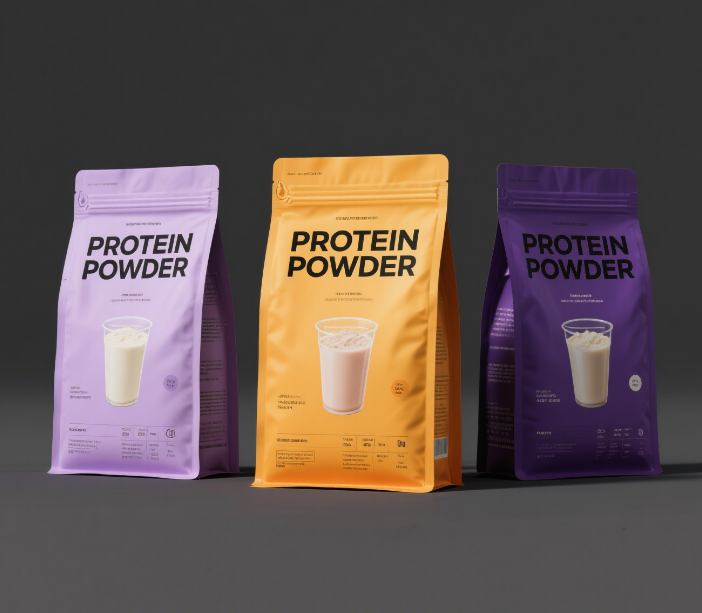
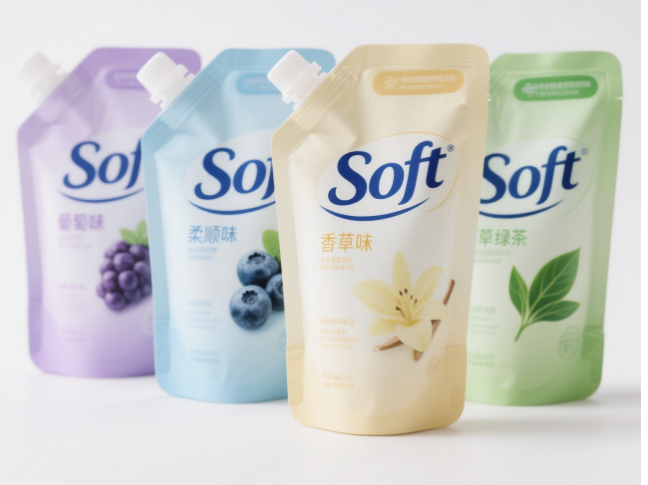
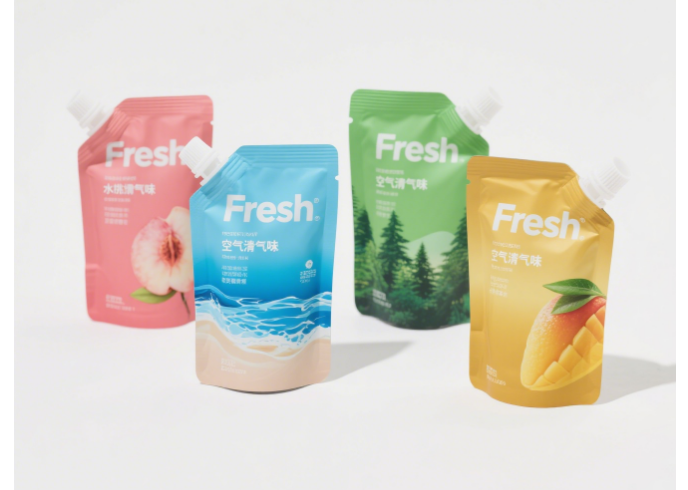
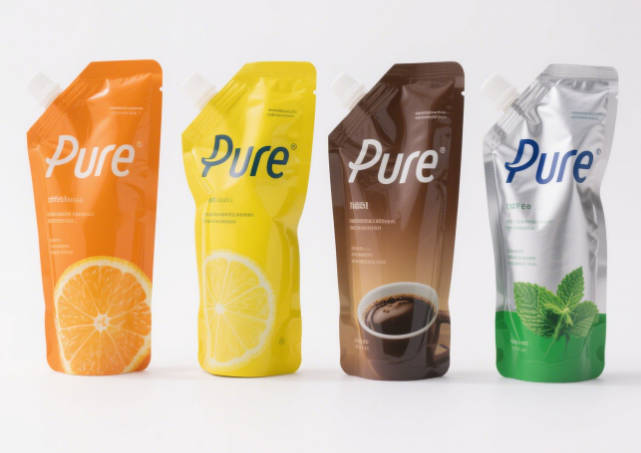
Spout pouch printing represents a revolutionary advancement in flexible packaging technology that combines innovative design with cutting-edge printing capabilities. This sophisticated packaging solution features a distinctive spout mechanism integrated into a flexible pouch structure, creating an ideal container for liquid and semi-liquid products. The spout pouch printing process involves specialized techniques that ensure high-quality graphics, vibrant colors, and durable finishes on these unique packaging formats. The main functions of spout pouch printing encompass brand identification, product information display, consumer engagement, and shelf appeal enhancement. These pouches serve as effective marketing tools while maintaining product integrity and freshness. The technological features of spout pouch printing include advanced digital printing methods, rotogravure printing capabilities, flexographic printing options, and specialized ink formulations designed for flexible substrates. Modern spout pouch printing employs multi-layer lamination processes that bond different materials together, creating barriers against moisture, oxygen, and light penetration. The printing technology incorporates precise color matching systems, ensuring consistent brand representation across production runs. Quality control mechanisms monitor print registration, color density, and surface adhesion throughout the manufacturing process. Applications for spout pouch printing span numerous industries including beverages, food products, personal care items, household cleaners, and industrial liquids. Popular products utilizing this packaging format include fruit juices, energy drinks, baby food, sauces, detergents, and automotive fluids. The versatility of spout pouch printing enables customization for various product viscosities and consumer preferences. Environmental considerations drive innovations in spout pouch printing, with manufacturers developing recyclable materials and eco-friendly printing inks. The integration of smart printing technologies allows for enhanced traceability, anti-counterfeiting features, and interactive consumer experiences through QR codes and augmented reality elements.

 EN
EN