
 EN
EN



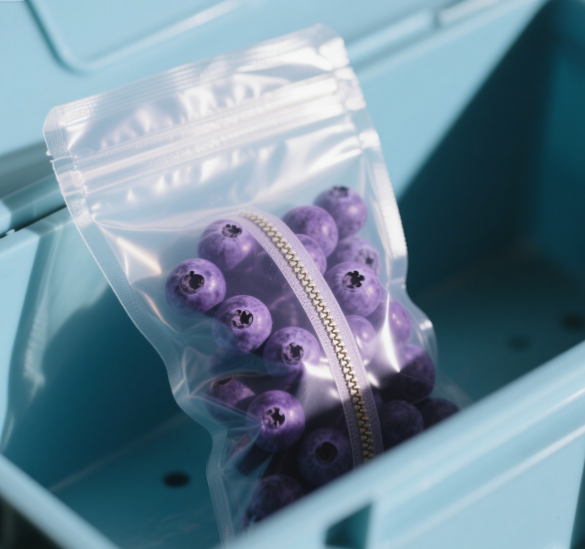
Modern packaging solutions have revolutionized how businesses approach product storage and consumer convenience. The stand up zipper bag represents one of the most versatile and practical packaging innovations available today, combining structural integrity with user-friendly features that benefit both manufacturers and end consumers. These bags have gained tremendous popularity across industries ranging from food and beverage to pharmaceuticals and retail products, offering superior protection while maintaining an attractive shelf presence.
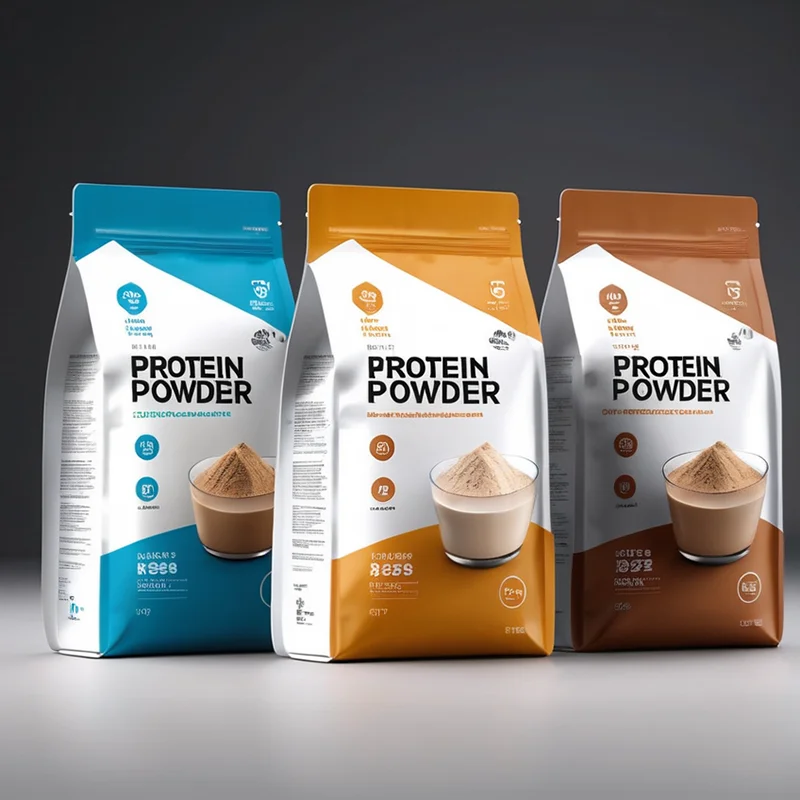
The evolution of flexible packaging has been driven by consumer demands for convenience, sustainability, and product freshness. Stand up zipper bags address all these requirements while providing brands with enhanced marketing opportunities through customizable printing surfaces. Their unique design allows for optimal space utilization during shipping and storage, making them an economical choice for businesses seeking to reduce packaging costs without compromising quality or functionality.
Structural Design Excellence
Advanced Bottom Gusset Construction
The foundation of any quality stand up zipper bag lies in its bottom gusset construction, which provides exceptional stability when filled with products. This engineering marvel allows the bag to maintain its upright position even when partially empty, creating an appealing display that attracts consumer attention. The gusset design distributes weight evenly across the base, preventing tipping and ensuring optimal shelf presentation in retail environments.
Modern manufacturing techniques have refined gusset construction to maximize internal volume while minimizing material usage. The precise folding and sealing processes create a robust foundation that can withstand the pressures of transportation and handling. This structural integrity is particularly important for products with varying densities, from lightweight snacks to heavier items like nuts or hardware components.
Reinforced Side Seals
Side seal reinforcement represents a critical advancement in stand up zipper bag technology, providing enhanced durability and leak resistance. These reinforced edges are created through specialized heat-sealing processes that create multiple layers of protection against punctures and tears. The result is a packaging solution that maintains its integrity throughout the entire product lifecycle, from manufacturing to final consumption.
The reinforcement extends beyond basic sealing to include stress-point management, where additional material thickness is strategically placed at locations most susceptible to wear. This proactive approach to structural design significantly reduces package failure rates and enhances consumer satisfaction. Quality manufacturers invest in precision sealing equipment to ensure consistent reinforcement across all production runs.
Barrier Protection Properties
Multi-Layer Film Technology
Contemporary stand up zipper bags utilize sophisticated multi-layer film technology to provide superior barrier protection against moisture, oxygen, light, and other environmental factors that can compromise product quality. These laminated structures typically combine polyester, polyethylene, and specialized barrier films to create a comprehensive protective envelope. Each layer serves a specific function, from providing puncture resistance to blocking harmful UV radiation.
The selection of appropriate barrier materials depends on the specific requirements of the packaged product. Food items may require oxygen barriers to prevent oxidation, while pharmaceutical products might need moisture barriers to maintain active ingredient stability. Advanced film technologies can incorporate multiple barrier properties within a single structure, optimizing protection while maintaining cost-effectiveness and sustainability considerations.
Aroma and Flavor Preservation
Specialized barrier coatings within modern stand up zipper bags excel at preserving product aromas and flavors, particularly crucial for coffee, spices, and other aromatic products. These coatings prevent flavor migration and maintain the sensory characteristics that consumers expect. The technology works by creating molecular barriers that block the passage of volatile compounds while allowing the package to maintain its flexibility and durability.
Research in polymer science has led to the development of selective permeability barriers that can be tailored to specific product requirements. Some formulations allow controlled gas exchange while blocking unwanted compounds, creating ideal storage environments for products like roasted coffee beans that require degassing capabilities. This level of customization enables manufacturers to optimize product shelf life and quality retention.
Convenience and Functionality Features
Zipper Closure Innovation
The zipper closure system in modern stand up zipper bag designs represents a significant advancement in consumer convenience and product freshness maintenance. These closures are engineered for repeated use while maintaining their sealing integrity, allowing consumers to access portions of the product while preserving the remainder. The zipper mechanism is designed to provide tactile and audible feedback, ensuring users can confirm proper closure.
Modern zipper systems incorporate child-resistant features when required, while maintaining ease of use for adult consumers. The materials used in zipper construction are selected for their durability and compatibility with various filling processes, including hot-fill applications. Quality control measures ensure that zipper performance remains consistent across temperature variations and extended storage periods.
Easy-Open Features
Consumer-friendly opening features have become standard in premium stand up zipper bag designs, incorporating tear notches, hang holes, and ergonomic grip areas. These elements are strategically positioned to provide intuitive opening experiences while maintaining package integrity during transportation and display. The tear notch design requires precise engineering to ensure clean, straight tears that do not compromise the zipper functionality.
Hang hole placement considers both functional and aesthetic requirements, allowing for versatile display options while maintaining the bag's structural integrity. The diameter and reinforcement of hang holes are calculated based on the expected product weight and handling requirements. These features contribute significantly to the overall user experience and can influence purchasing decisions at the point of sale.
Sustainability and Environmental Considerations
Recyclable Material Options
Environmental consciousness has driven significant innovations in stand up zipper bag materials, with manufacturers developing recyclable and biodegradable options that maintain performance characteristics. These sustainable alternatives utilize bio-based polymers and recycled content while preserving the barrier properties and durability that define quality packaging. The development process involves extensive testing to ensure that environmental benefits do not compromise product protection or consumer safety.
Recycling programs specifically designed for flexible packaging have emerged, creating closed-loop systems that transform used stand up zipper bags into new packaging materials or other products. Consumer education initiatives help maximize participation in these programs, while clear labeling identifies recyclable components and proper disposal methods. The integration of recycling codes and sustainability messaging on package design reinforces brand commitment to environmental responsibility.
Reduced Material Usage
Efficiency improvements in stand up zipper bag design have led to significant reductions in material usage without compromising performance or aesthetics. Advanced modeling techniques optimize wall thickness distribution, concentrating materials where strength is most needed while minimizing excess in non-critical areas. This approach reduces environmental impact while providing cost benefits that can be passed on to consumers.
Lightweighting initiatives extend beyond material reduction to include transportation efficiency gains, as lighter packages reduce shipping costs and carbon emissions. The cumulative environmental benefits of these improvements become substantial when considered across millions of packages. Manufacturers continue to invest in research and development to identify additional opportunities for material optimization without sacrificing quality or functionality.
Manufacturing and Quality Control
Precision Production Processes
State-of-the-art manufacturing facilities utilize computer-controlled processes to ensure consistent quality in stand up zipper bag production. These systems monitor critical parameters including seal strength, barrier properties, and dimensional accuracy throughout the production cycle. Real-time quality control enables immediate corrections when variations are detected, minimizing waste and ensuring that every package meets specified standards.
Investment in advanced production equipment allows for complex multi-color printing, precise die-cutting, and sophisticated sealing operations within integrated production lines. The automation reduces human error while increasing production speeds and consistency. Quality management systems track performance metrics and maintain detailed records that support continuous improvement initiatives and customer confidence.
Testing and Certification Standards
Comprehensive testing protocols validate the performance characteristics of stand up zipper bags across multiple criteria including seal integrity, barrier effectiveness, and mechanical strength. These tests simulate real-world conditions including temperature extremes, humidity variations, and physical stress scenarios. Certification programs provide independent verification of performance claims, building trust between manufacturers, brands, and consumers.
International standards organizations have developed specific testing methodologies for flexible packaging, ensuring consistency in performance evaluation across global markets. These standards address food safety requirements, pharmaceutical regulations, and environmental considerations. Compliance with established standards facilitates market access and provides assurance that products will perform as expected throughout their intended lifecycle.
Market Applications and Industry Trends
Food and Beverage Sector Growth
The food and beverage industry represents the largest market segment for stand up zipper bags, driven by consumer preferences for convenient, resealable packaging that maintains product freshness. Applications range from snack foods and coffee to pet treats and frozen products, each requiring specific barrier properties and design considerations. The versatility of these packages allows brands to differentiate their products while meeting regulatory requirements for food contact materials.
Trending product categories including organic foods, protein supplements, and specialty beverages have adopted stand up zipper bags as preferred packaging solutions. The premium appearance and functionality align with consumer expectations for quality products, while the customizable printing surfaces enable effective brand communication. Market research indicates continued growth in this segment, particularly for products targeting health-conscious consumers.
Industrial and Commercial Applications
Beyond consumer products, stand up zipper bags serve important functions in industrial and commercial applications where reliable containment and easy access are essential. These applications include chemical samples, pharmaceutical ingredients, electronic components, and automotive parts. The customizable nature of these packages allows for specific modifications including anti-static properties, chemical resistance, and specialized closure systems.
Business-to-business markets appreciate the efficiency gains provided by stand up zipper bags in inventory management, portion control, and product identification systems. The stable standing characteristics reduce storage space requirements while facilitating automated handling processes. Custom printing capabilities support traceability requirements and regulatory compliance across various industries.
FAQ
What makes stand up zipper bags more effective than traditional packaging options
Stand up zipper bags offer superior space efficiency, enhanced product protection, and improved consumer convenience compared to rigid containers or simple pouches. Their self-supporting design maximizes shelf appeal while the resealable zipper maintains product freshness after opening. The flexible nature allows for efficient shipping and storage, reducing overall packaging costs while providing excellent barrier properties against environmental factors that can degrade product quality.
How do I choose the right barrier properties for my specific product
Selecting appropriate barrier properties depends on your product's sensitivity to oxygen, moisture, light, and other environmental factors. Food products typically require oxygen barriers to prevent rancidity and maintain flavor, while moisture-sensitive items need specialized films that block water vapor transmission. Consulting with packaging engineers helps identify the optimal film structure that balances protection requirements with cost considerations and sustainability goals.
Are stand up zipper bags suitable for hot-fill applications
Many stand up zipper bags are engineered to handle hot-fill applications, though specific temperature ratings depend on the film materials and sealing systems used. Hot-fill capable bags utilize specialized polymers and reinforced sealing areas that maintain integrity during filling and cooling processes. Always verify temperature specifications with the manufacturer and conduct validation testing to ensure proper performance with your specific filling conditions and product characteristics.
What customization options are available for branding and marketing purposes
Customization options include full-color printing, special finishes like matte or gloss coatings, metallic accents, and unique shapes or sizes. Advanced printing techniques enable photo-quality graphics, while specialized inks provide effects like color-changing properties or enhanced scratch resistance. Window panels, hang holes, and promotional text areas can be incorporated into the design. Working with experienced packaging suppliers ensures that customization elements integrate properly with functional requirements while maximizing visual impact and brand recognition.