
 EN
EN



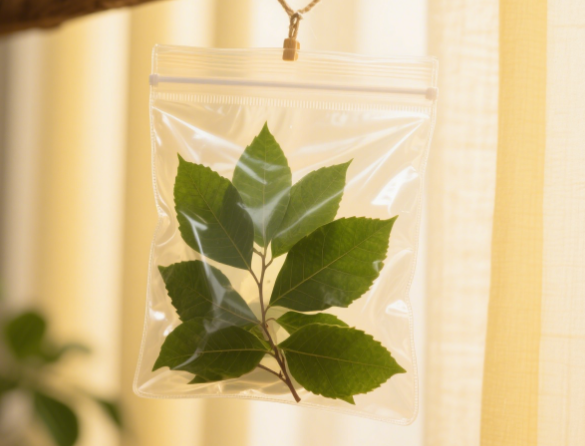
Food storage has evolved significantly in recent years, with innovative packaging solutions revolutionizing how we preserve freshness and extend shelf life. Among the most practical and versatile options available today is the self sealing bag, which has become an indispensable tool for both commercial food operations and home kitchens. These advanced storage solutions offer superior protection against moisture, air, and contaminants while providing the convenience of effortless sealing without additional equipment or heat sources.
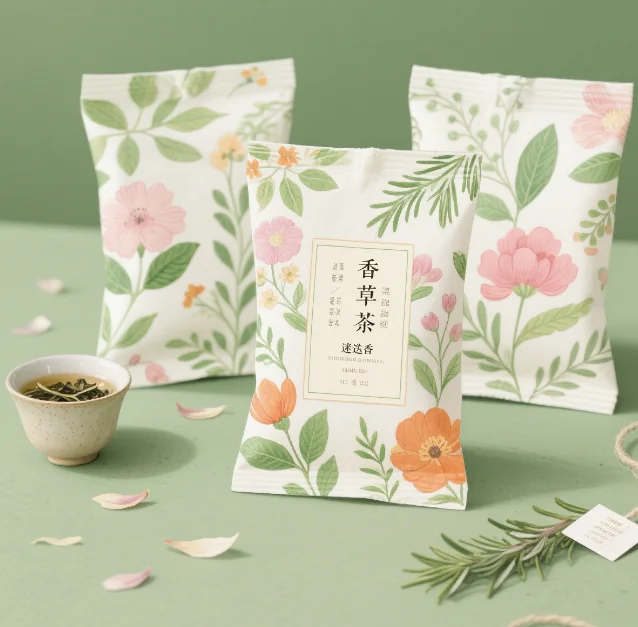
The growing demand for sustainable and efficient food packaging has driven manufacturers to develop increasingly sophisticated sealing technologies. Modern self sealing bags incorporate advanced materials and closure mechanisms that ensure optimal preservation while maintaining ease of use. Whether you're storing dry goods, fresh produce, or prepared meals, selecting the right self sealing bag can significantly impact food quality, storage duration, and overall convenience in your daily food management routine.
Advanced Material Technologies in Modern Food Storage
Multi-Layer Barrier Construction
Contemporary self sealing bags utilize sophisticated multi-layer constructions that provide exceptional barrier properties against oxygen, moisture, and light exposure. These advanced materials typically combine polyethylene, aluminum foil, and specialized polymer layers to create an impermeable seal that maintains product integrity. The innovative layering system ensures that volatile compounds and flavors are retained while preventing external contaminants from compromising food quality during extended storage periods.
The integration of aluminum foil layers in premium self sealing bags offers superior protection against UV radiation and temperature fluctuations. This metallic barrier effectively blocks light transmission, which is crucial for preserving sensitive nutrients and preventing oxidation in stored foods. Additionally, the reflective properties of aluminum help maintain consistent internal temperatures, making these bags ideal for storing temperature-sensitive items in varying environmental conditions.
Food-Grade Safety Certifications
Safety standards for food contact materials have become increasingly stringent, requiring manufacturers to obtain comprehensive certifications for their self sealing bag products. FDA-approved materials ensure that no harmful chemicals migrate from packaging into food products, while BPA-free formulations provide additional consumer confidence. These certifications guarantee that the packaging materials meet strict regulatory requirements for direct food contact applications across various temperature ranges and storage durations.
Quality assurance testing for food-grade materials involves extensive migration studies, toxicological evaluations, and long-term stability assessments. Manufacturers must demonstrate that their self sealing bag materials maintain their safety properties throughout the intended shelf life of packaged products. This rigorous testing ensures that consumers can confidently use these storage solutions for all types of food items without concerns about chemical contamination or adverse health effects.
Optimal Sealing Mechanisms and Performance Features
Pressure-Activated Closure Systems
The effectiveness of a self sealing bag largely depends on its closure mechanism, which must provide reliable sealing while remaining user-friendly. Pressure-activated systems utilize specially designed interlocking ridges and channels that create an airtight seal when pressed together. These mechanisms are engineered to maintain their sealing integrity through multiple opening and closing cycles, ensuring consistent performance throughout the bag's useful life.
Advanced pressure-activated closures incorporate tactile and audible feedback systems that confirm proper sealing. Users can feel the interlocking mechanism engage and often hear a distinctive clicking sound when the seal is properly formed. This immediate feedback prevents incomplete sealing that could compromise food preservation, while the intuitive design ensures that users of all ages can achieve reliable results without special training or techniques.
Resealable Design Advantages
The resealable nature of modern self sealing bags provides significant advantages over traditional single-use packaging options. These designs allow consumers to access stored products multiple times while maintaining protective barrier properties between uses. The ability to reseal effectively extends product freshness and reduces food waste by enabling portion control and gradual consumption of stored items without compromising the remaining contents.
Durability testing of resealable closures evaluates performance across hundreds of opening and closing cycles to ensure long-term reliability. High-quality self sealing bag products maintain their sealing effectiveness even after extensive use, providing excellent value and consistent protection. This durability makes them particularly suitable for frequently accessed items like snacks, coffee, or cooking ingredients that require repeated opening throughout their storage period.
Applications Across Different Food Categories
Dry Goods and Pantry Storage
Self sealing bags excel in preserving dry goods such as cereals, grains, nuts, and dried fruits by creating moisture-proof environments that prevent staleness and spoilage. The airtight seal prevents humidity infiltration while blocking access to insects and other pests that commonly affect pantry items. This protection is particularly valuable in humid climates or during seasonal weather changes that can introduce moisture into storage areas.
The convenience factor for dry goods storage cannot be overstated, as these bags eliminate the need for additional containers or clips while providing superior protection. Users can easily portion bulk purchases into smaller quantities, label contents with expiration dates, and stack bags efficiently for optimal pantry organization. The transparent or translucent materials commonly used allow for easy identification of contents while maintaining product visibility for inventory management.
Fresh Produce and Prepared Foods
Fresh produce benefits significantly from the controlled atmosphere created within properly sealed bags, which can extend freshness by several days compared to traditional storage methods. The reduced oxygen environment slows enzymatic browning and bacterial growth while maintaining optimal humidity levels for different types of fruits and vegetables. Specialized bags designed for produce often incorporate micro-perforations that allow controlled gas exchange while maintaining protective barrier properties.
Prepared foods and leftovers require reliable protection against contamination and moisture loss during refrigerator or freezer storage. Self sealing bags provide an excellent solution for meal prep enthusiasts and busy families who need efficient food storage systems. The bags conform closely to food shapes, minimizing air exposure and freezer burn while taking up minimal storage space in crowded refrigerators or freezers.
Size Variations and Capacity Considerations
Small Format Options for Portion Control
Small self sealing bags are ideal for individual portions, travel-sized quantities, and sample packaging applications. These compact options typically range from snack-sized portions up to single-serving meal containers, providing precise portion control that supports dietary goals and reduces food waste. The smaller format also makes these bags perfect for organizing small items like spices, supplements, or craft supplies within larger storage systems.
The cost-effectiveness of small format bags makes them attractive for both commercial and residential applications where precise portioning is important. Restaurants and food service operations often use these sizes for condiment packets, sauce portions, and take-away items that require individual packaging. Home users appreciate the convenience for packing lunches, organizing medications, or creating grab-and-go snack portions for busy lifestyles.
Large Capacity Solutions for Bulk Storage
Large capacity self sealing bags accommodate bulk food storage needs for families, commercial kitchens, and food service operations. These sizes typically range from one-gallon capacity up to industrial-sized options that can hold several pounds of product. The robust construction required for larger bags ensures they can handle substantial weights while maintaining seal integrity and barrier properties throughout extended storage periods.
Bulk storage applications benefit from the space efficiency and stackability of large self sealing bags compared to rigid containers. The flexible nature allows bags to conform to available storage space while the flat-bottom designs common in larger sizes provide stability for upright storage. This versatility makes them excellent choices for restaurant inventory management, emergency food storage, and seasonal bulk purchasing strategies.
Environmental Impact and Sustainability Features
Recyclable Material Compositions
Environmental consciousness has driven innovation in self sealing bag materials, with manufacturers increasingly offering recyclable options that reduce waste stream impact. Advanced polymer blends and mono-material constructions facilitate easier recycling processes while maintaining the performance characteristics required for effective food storage. These sustainable alternatives help consumers align their storage choices with environmental values without compromising functionality.
The development of bio-based materials for self sealing bag applications represents a significant advancement in sustainable packaging technology. These materials derived from renewable sources offer comparable performance to traditional petroleum-based options while reducing carbon footprint and dependence on fossil fuels. As production scales increase, these eco-friendly alternatives are becoming more accessible to mainstream consumers and commercial operators.
Reusability and Waste Reduction
The reusable nature of high-quality self sealing bags contributes significantly to waste reduction compared to single-use packaging options. Proper care and cleaning can extend the useful life of these bags through dozens of uses, dramatically reducing the per-use environmental impact. This reusability factor makes them attractive to environmentally conscious consumers who seek to minimize packaging waste in their daily food storage routines.
Waste reduction benefits extend beyond the bags themselves to include reduced food spoilage and extended shelf life for stored products. By maintaining optimal storage conditions, these bags help prevent food waste that would otherwise contribute to landfill volumes and methane emissions. The combination of reusable packaging and improved food preservation creates a compound environmental benefit that supports broader sustainability goals.
Commercial Applications and Industry Standards
Food Service and Restaurant Use
Commercial food service operations rely heavily on efficient storage solutions that maintain food safety standards while supporting operational efficiency. Self sealing bags provide ideal solutions for ingredient storage, portion control, and take-away packaging that meets health department requirements. The ability to clearly label and date contents supports HACCP compliance and inventory rotation protocols essential for commercial food operations.
Restaurant applications often require bags that can withstand frequent handling and temperature variations without compromising seal integrity. Commercial-grade self sealing bags are designed to meet these demanding conditions while providing consistent performance across high-volume operations. The time savings associated with easy sealing mechanisms translates directly to labor cost reductions in busy commercial kitchens.
Retail and Consumer Packaging
Retail packaging applications for self sealing bags continue to expand as consumers demand more convenient and functional packaging options. Products ranging from gourmet foods to health supplements utilize these bags to provide freshness protection while offering resealable convenience that enhances user experience. The professional appearance and customization options available make them suitable for premium product positioning.
Consumer preference trends increasingly favor packaging that provides value beyond the initial purchase through reusability and extended product life. Self sealing bags meet these expectations by offering ongoing utility that justifies premium pricing for quality products. The transparency of materials allows for attractive product presentation while the functional benefits create positive brand associations and customer satisfaction.
FAQ
How long can food stay fresh in self sealing bags
Food storage duration in self sealing bags depends on the type of food, storage conditions, and bag quality. Dry goods like cereals and snacks can maintain freshness for several months when stored in high-quality bags with proper barrier properties. Fresh produce typically stays fresh 3-7 days longer than traditional storage methods, while frozen foods can be preserved for 6-12 months without significant quality degradation when properly sealed.
Are self sealing bags safe for microwave and freezer use
Most food-grade self sealing bags are safe for freezer storage and many are suitable for microwave reheating when used according to manufacturer guidelines. Always check product specifications for temperature ratings and recommended uses. Bags designed for freezer use typically withstand temperatures down to -18°C, while microwave-safe options can handle reheating temperatures without releasing harmful chemicals or compromising structural integrity.
Can self sealing bags be washed and reused safely
High-quality self sealing bags can be safely washed and reused multiple times when properly cleaned and maintained. Use warm soapy water for cleaning, ensure complete drying before storage, and inspect seals regularly for wear or damage. Avoid using bags that previously contained raw meat or fish for other foods, and replace bags when sealing mechanisms show signs of deterioration or when materials become cloudy or brittle.
What makes some self sealing bags more expensive than others
Price variations in self sealing bags reflect differences in material quality, barrier properties, durability, and manufacturing standards. Premium bags typically feature multi-layer constructions, enhanced barrier materials, more robust sealing mechanisms, and stricter quality control processes. Food-grade certifications, specialized features like stand-up designs or enhanced puncture resistance, and brand reputation also contribute to pricing differences in the marketplace.