
 EN
EN




Food preservation has become increasingly critical in today's world where minimizing waste and maximizing freshness directly impacts both household budgets and business profitability. Modern storage solutions have evolved significantly from traditional methods, with advanced packaging technologies leading the charge in extending product shelf life. Among these innovations, the self sealing bag stands out as a revolutionary approach to maintaining product integrity across various industries. These sophisticated packaging solutions combine convenience with superior protective capabilities, making them indispensable for both commercial and residential applications.
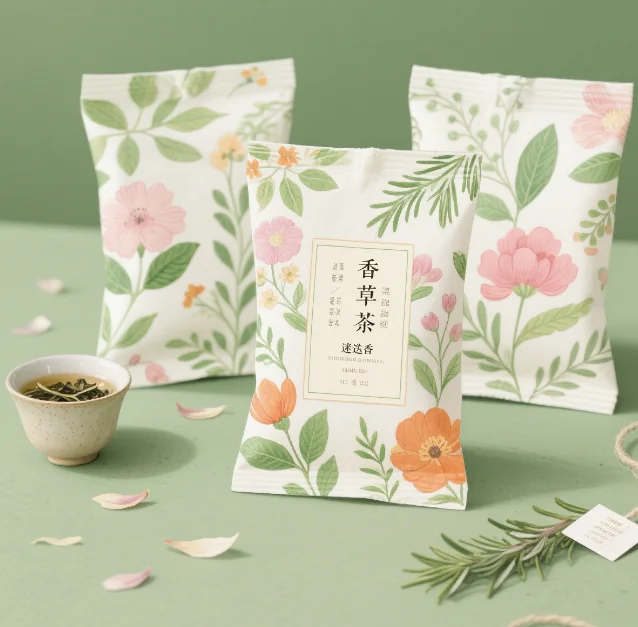
The science behind effective food preservation centers on controlling environmental factors that accelerate spoilage and degradation. Oxygen exposure, moisture infiltration, temperature fluctuations, and light exposure all contribute to the breakdown of organic compounds and the growth of harmful microorganisms. Traditional storage methods often fall short in addressing these multiple threats simultaneously, leading to premature spoilage and significant economic losses. Understanding these preservation challenges helps explain why advanced sealing technologies have become essential components in modern packaging strategies.
Advanced Sealing Technology Fundamentals
Barrier Properties and Material Science
The effectiveness of any self sealing bag relies heavily on its barrier properties, which determine how well it prevents the passage of gases, moisture, and other environmental contaminants. High-quality sealing bags utilize multi-layer construction featuring specialized polymers and metallic films that create virtually impermeable barriers. These materials undergo rigorous testing to ensure optimal performance across varying temperature ranges and humidity levels. The molecular structure of these barrier materials has been engineered to resist permeation while maintaining flexibility and durability during handling and storage.
Advanced sealing technologies incorporate heat-activated adhesives and pressure-sensitive compounds that create hermetic seals without requiring external equipment or tools. These self-activating mechanisms respond to manual pressure or ambient heat, forming molecular bonds that effectively eliminate air gaps and potential leak points. The precision engineering behind these sealing systems ensures consistent performance across thousands of opening and closing cycles, making them ideal for products requiring frequent access while maintaining freshness.
Oxygen and Moisture Control Mechanisms
Oxygen scavenging represents one of the most critical functions of premium self sealing bag designs, as oxidative processes are responsible for rancidity, flavor deterioration, and nutritional loss in many food products. Advanced bags incorporate oxygen-absorbing compounds within their structure or utilize specialized barrier films that dramatically reduce oxygen transmission rates. These mechanisms can extend product shelf life by several months compared to conventional packaging methods, particularly for sensitive items like nuts, dried fruits, and processed meats.
Moisture management requires equally sophisticated approaches, as excess humidity promotes bacterial growth, mold formation, and textural changes that render products unpalatable or unsafe. High-performance sealing bags feature moisture-barrier layers that maintain optimal humidity levels while preventing condensation buildup inside the package. This controlled environment preservation helps maintain product quality throughout extended storage periods, even in challenging climatic conditions.
Commercial Applications and Industry Benefits
Food Service and Restaurant Operations
Commercial food service operations have embraced self sealing bag technology as a cornerstone of their inventory management and food safety protocols. Restaurants and catering companies utilize these bags for portion control, ingredient prep storage, and leftover preservation, significantly reducing food waste while maintaining strict quality standards. The convenience of quick sealing and reopening capabilities allows kitchen staff to efficiently organize ingredients while ensuring freshness throughout service periods.
Professional kitchens particularly value the space-saving benefits of quality sealing bags, as they can store larger quantities of ingredients in smaller spaces compared to rigid containers. This storage efficiency translates to reduced refrigeration costs and improved inventory rotation systems. Many establishments report substantial cost savings after implementing comprehensive sealing bag systems for their dry goods, prepared ingredients, and portion-controlled items.
Manufacturing and Distribution Networks
Large-scale manufacturers rely on self sealing bag technology to maintain product integrity throughout complex distribution networks that may span continents and involve multiple handling points. These bags provide reliable protection during shipping, warehousing, and retail display phases, ensuring that end consumers receive products in optimal condition. The durability of professional-grade sealing bags withstands the mechanical stresses of automated packaging lines and transportation vibrations.
Distribution efficiency improves significantly when products are packaged in self sealing bags, as they require less protective packaging and can be stacked more efficiently during transport. This optimization reduces shipping costs while minimizing environmental impact through reduced packaging waste. Many manufacturers have redesigned their entire packaging strategies around high-performance sealing bag systems to achieve these operational advantages.
Residential Storage Solutions and Household Benefits
Pantry Organization and Bulk Storage
Home storage applications for self sealing bag technology have revolutionized how families approach food preservation and pantry management. Bulk purchasing of dry goods becomes more practical when households can confidently store large quantities without worrying about spoilage or pest infiltration. Quality sealing bags enable families to take advantage of bulk pricing while maintaining product freshness over extended periods.
Pantry organization becomes significantly more efficient when utilizing standardized sealing bag systems that can accommodate various product types and quantities. These bags take up less space than traditional rigid containers while providing superior protection against humidity, temperature fluctuations, and pest intrusion. Many households report reduced food waste and lower grocery expenses after implementing comprehensive sealing bag storage systems throughout their kitchens and pantries.
Specialty Item Preservation
Collectors and enthusiasts who need to preserve valuable or sensitive items have found self sealing bag technology invaluable for protecting documents, photographs, electronic components, and hobby materials. The archival-quality barrier properties of premium sealing bags prevent deterioration from environmental factors that commonly damage stored items over time. These applications extend far beyond food preservation to include important papers, collectibles, and seasonal items that require long-term protection.
Emergency preparedness planning increasingly incorporates sealing bag technology for creating long-term storage solutions for essential supplies and medications. The reliability and shelf-stability of properly sealed emergency supplies provide peace of mind while ensuring that critical items remain viable when needed most. Many emergency preparedness experts recommend high-quality sealing bags as essential components of comprehensive disaster readiness strategies.
Environmental Impact and Sustainability Considerations
Waste Reduction Through Extended Shelf Life
The environmental benefits of effective food preservation extend far beyond individual households to encompass global sustainability efforts aimed at reducing food waste. When products remain fresh longer through proper sealing technology, less food enters waste streams, reducing methane emissions from landfills and decreasing the overall environmental footprint of food production systems. Studies indicate that widespread adoption of advanced sealing technologies could significantly reduce global food waste percentages.
Resource conservation becomes measurable when self sealing bag technology prevents spoilage of products that required substantial water, energy, and land resources to produce. The multiplication effect of preservation means that saving one pound of food also saves all the resources invested in its production, processing, and transportation. This resource efficiency alignment makes sealing bag technology an important component of sustainable consumption practices.
Recyclability and Material Innovation
Modern self sealing bag manufacturers have increasingly focused on developing recyclable materials that maintain high performance while reducing environmental impact. New polymer formulations and multi-layer constructions are being designed with end-of-life considerations, enabling recycling through standard municipal programs. These innovations demonstrate that environmental responsibility and product performance can be achieved simultaneously through thoughtful engineering and material selection.
Biodegradable and compostable sealing bag options are emerging as viable alternatives for applications where single-use packaging is necessary. These advanced materials break down safely in commercial composting facilities while providing the same barrier properties and sealing effectiveness as traditional options. The development of these sustainable alternatives represents a significant step forward in packaging technology evolution.
Quality Standards and Performance Evaluation
Testing Protocols and Certification Requirements
Professional-grade self sealing bag evaluation involves comprehensive testing protocols that assess barrier properties, seal integrity, material durability, and chemical compatibility across various conditions. These standardized tests ensure that products meet industry requirements for specific applications, from food contact safety to pharmaceutical storage compliance. Understanding these quality benchmarks helps consumers and businesses select appropriate sealing solutions for their particular needs.
Certification programs from recognized organizations provide validation that sealing bag products meet or exceed established performance criteria for their intended applications. These certifications cover aspects such as food safety compliance, material purity, environmental impact, and manufacturing quality control. Products bearing relevant certifications offer users confidence in their performance and safety characteristics.
Performance Metrics and Comparison Criteria
Evaluating self sealing bag performance requires consideration of multiple metrics including oxygen transmission rate, moisture vapor transmission rate, seal strength, and temperature resistance. These quantifiable measures allow direct comparison between different products and help users select optimal solutions for specific storage requirements. Understanding these technical specifications enables informed decision-making for both commercial and residential applications.
Long-term performance evaluation includes assessment of seal integrity over time, barrier property degradation, and material stability under various storage conditions. Premium sealing bags maintain consistent performance throughout their intended service life, providing reliable protection without requiring frequent replacement or maintenance. This durability factor significantly impacts the total cost of ownership and overall value proposition of quality sealing solutions.
Implementation Strategies and Best Practices
Proper Storage Techniques and Handling Procedures
Maximizing the effectiveness of self sealing bag technology requires proper implementation techniques that optimize their protective capabilities. Correct filling procedures, appropriate headspace management, and proper sealing techniques all contribute to achieving maximum shelf life extension and product protection. Training users in these procedures ensures consistent results and prevents common mistakes that can compromise packaging effectiveness.
Storage environment management plays a crucial role in sealing bag performance, as extreme temperatures, direct sunlight exposure, and mechanical stress can affect both the bags and their contents. Establishing appropriate storage conditions and handling procedures helps maintain optimal performance throughout the intended storage period. These best practices apply equally to commercial operations and residential storage applications.
Integration with Existing Systems and Workflows
Successful adoption of sealing bag technology often requires integration with existing storage systems, inventory management procedures, and workflow processes. Planning this integration carefully ensures smooth transition and maximum benefit realization from the investment in advanced packaging solutions. Many organizations find that gradual implementation allows for process refinement and staff training without disrupting ongoing operations.
Compatibility considerations include storage space requirements, handling equipment needs, and staff training requirements that may be necessary for optimal system performance. Addressing these factors during planning phases helps ensure successful implementation and long-term satisfaction with sealing bag technology adoption. Proper planning prevents common implementation challenges and maximizes return on investment in packaging improvements.
FAQ
How long can items stay fresh in a self sealing bag compared to regular storage?
Items stored in high-quality self sealing bags typically maintain freshness 3-5 times longer than those stored in conventional containers or bags. For example, nuts and dried fruits can remain fresh for 12-18 months instead of 3-4 months, while coffee beans maintain their flavor profile for 6-8 weeks versus 1-2 weeks in standard packaging. The exact extension depends on the specific product, storage conditions, and bag quality, but significant improvements are consistently achieved across all food categories when proper sealing technology is utilized.
What makes a self sealing bag more effective than zip-lock or twist-tie bags?
Self sealing bags utilize advanced barrier materials and specialized sealing mechanisms that create hermetic seals impossible to achieve with standard zip-lock or twist-tie closures. The multi-layer construction provides superior protection against oxygen, moisture, and light penetration, while the sealing technology creates molecular-level bonds that eliminate micro-gaps where air and moisture can infiltrate. Additionally, the seal strength remains consistent through repeated opening and closing cycles, whereas traditional closures often lose effectiveness over time due to mechanical wear and deformation.
Are self sealing bags safe for storing different types of food products?
High-quality self sealing bags designed for food storage are manufactured from food-grade materials that meet strict safety regulations and undergo rigorous testing for chemical migration and contamination risks. These bags are safe for storing all types of food products, including acidic foods, oils, and products with strong flavors or aromas. However, it's important to select bags specifically rated for food contact and to follow manufacturer guidelines regarding temperature limits and intended use applications to ensure optimal safety and performance.
Can self sealing bags be reused multiple times without losing effectiveness?
Premium self sealing bags are designed for multiple use cycles and maintain their sealing effectiveness through dozens of opening and closing operations when handled properly. The durability of the sealing mechanism and barrier materials allows for repeated use without significant performance degradation, making them cost-effective for ongoing storage needs. However, bags should be inspected regularly for signs of wear, damage, or contamination, and replaced when seal integrity becomes compromised or when used for different product types that might cause cross-contamination.
Table of Contents
- Advanced Sealing Technology Fundamentals
- Commercial Applications and Industry Benefits
- Residential Storage Solutions and Household Benefits
- Environmental Impact and Sustainability Considerations
- Quality Standards and Performance Evaluation
- Implementation Strategies and Best Practices
-
FAQ
- How long can items stay fresh in a self sealing bag compared to regular storage?
- What makes a self sealing bag more effective than zip-lock or twist-tie bags?
- Are self sealing bags safe for storing different types of food products?
- Can self sealing bags be reused multiple times without losing effectiveness?