
 EN
EN



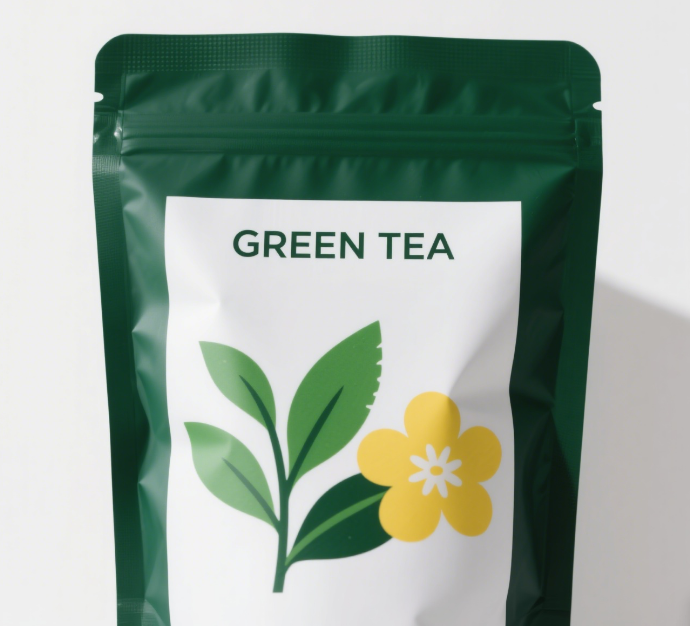
In today's competitive food packaging industry, manufacturers and retailers demand solutions that deliver superior protection while maintaining product integrity and consumer appeal. The food grade self standing bag represents a revolutionary advancement in flexible packaging technology, offering unprecedented versatility for diverse food applications. These innovative packaging solutions combine structural stability with exceptional barrier properties, ensuring products remain fresh, safe, and visually appealing throughout their shelf life. Modern consumers increasingly prioritize food safety and convenience, making the selection of appropriate packaging materials more critical than ever before.
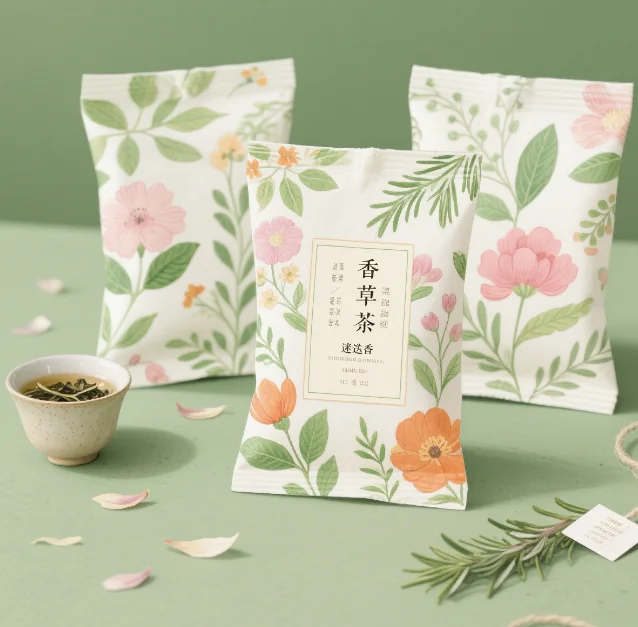
Advanced Materials and Construction Technology
Multi-Layer Barrier Systems
The construction of a premium food grade self standing bag involves sophisticated multi-layer barrier systems designed to protect against moisture, oxygen, light, and external contaminants. These advanced structures typically incorporate polyethylene terephthalate (PET), aluminum foil, and specialized polymer layers that work synergistically to extend product shelf life. Each layer serves a specific protective function, with the outer layer providing structural integrity and printability, while inner layers focus on chemical resistance and food safety compliance. Manufacturing processes utilize state-of-the-art lamination techniques to ensure perfect adhesion between layers without compromising barrier properties.
Quality control measures during production include rigorous testing for pinhole defects, seal strength verification, and barrier performance validation under various environmental conditions. The aluminum foil component provides exceptional protection against light and oxygen transmission, while specialized polymer coatings ensure compatibility with different food types and processing requirements. Advanced extrusion technologies enable precise thickness control across all layers, maintaining consistent performance characteristics throughout the entire packaging run.
Self-Standing Design Engineering
The engineering behind self-standing capability involves precise bottom gusset construction that creates a stable base when the bag is filled with product. This innovative design eliminates the need for external support structures while maximizing shelf visibility and consumer convenience. The bottom seal configuration utilizes advanced heat-sealing techniques that ensure leak-proof performance under various storage and transportation conditions. Structural analysis and finite element modeling guide the development of optimal gusset geometries that balance stability with material efficiency.
Manufacturing precision in creating the self-standing feature requires specialized equipment capable of forming complex three-dimensional shapes while maintaining consistent wall thickness. The transition zones between flat surfaces and curved areas undergo extensive stress testing to ensure durability throughout the product lifecycle. Quality assurance protocols include stability testing with various fill weights and density distributions to validate performance across diverse product applications.
Food Safety and Regulatory Compliance
FDA and International Standards
Every food grade self standing bag manufactured for food contact applications must comply with stringent FDA regulations and international food safety standards. These requirements encompass material selection, manufacturing processes, migration testing, and traceability documentation. Compliance verification involves extensive testing protocols that evaluate chemical migration under accelerated aging conditions and various temperature exposures. Raw materials undergo thorough qualification processes including supplier audits, certificate of analysis verification, and incoming inspection procedures.
International standards such as EU Regulation 1935/2004 and various national food contact material regulations establish additional requirements for global market acceptance. Testing laboratories perform comprehensive analysis including overall migration limits, specific migration testing for individual components, and sensory evaluation to ensure no adverse effects on food quality. Documentation systems maintain complete traceability from raw material sourcing through final product delivery, enabling rapid response to any quality concerns.
Contamination Prevention Protocols
Manufacturing environments for food grade self standing bag production maintain controlled atmospheric conditions with advanced filtration systems and personnel hygiene protocols. Clean room standards prevent particulate contamination while specialized handling procedures minimize the risk of chemical or biological contamination. Employee training programs ensure consistent adherence to food safety protocols throughout all production stages.
Validation procedures include regular environmental monitoring, surface sampling, and product testing to verify the effectiveness of contamination control measures. Equipment cleaning and sanitization protocols follow established pharmaceutical and food industry standards, with documented procedures for changeovers between different product types. Microbiological testing programs monitor finished products and production environments to ensure compliance with established safety criteria.
Barrier Performance and Preservation Technology
Oxygen and Moisture Protection
The barrier properties of a food grade self standing bag directly impact product quality, shelf life, and nutritional value retention. Advanced testing methodologies measure oxygen transmission rates, water vapor transmission rates, and other critical barrier characteristics under controlled laboratory conditions. These measurements enable precise shelf life modeling and help optimize packaging specifications for specific food products. Temperature and humidity cycling tests simulate real-world storage conditions to validate long-term barrier performance.
Specialized coating technologies enhance barrier performance while maintaining flexibility and processability requirements. Metallization processes, oxide coatings, and polymer barrier layers work together to achieve ultra-low transmission rates suitable for sensitive food products. Quality control laboratories continuously monitor barrier performance using sophisticated analytical equipment capable of detecting minute changes in transmission rates that could affect product quality.
Light Protection and UV Resistance
Photosensitive food products require specialized protection against visible light and ultraviolet radiation that can cause nutrient degradation, color changes, and off-flavor development. The food grade self standing bag incorporates light-blocking materials and specialized additives that provide comprehensive protection across the entire electromagnetic spectrum. Testing protocols evaluate light transmission characteristics using calibrated light sources and spectrophotometric analysis to ensure adequate protection levels.
UV stabilizers and light-blocking pigments are carefully selected and incorporated to provide long-term protection without compromising food safety or regulatory compliance. Accelerated aging studies using high-intensity light exposure help predict long-term performance and identify potential degradation mechanisms. Color stability testing ensures that packaging appearance remains consistent throughout the intended shelf life under various lighting conditions.
Manufacturing Excellence and Quality Assurance
Production Process Control
State-of-the-art manufacturing facilities utilize advanced process control systems to ensure consistent quality in every food grade self standing bag produced. Real-time monitoring systems track critical parameters including temperature profiles, pressure settings, line speeds, and material thickness variations. Statistical process control methodologies identify trends and variations before they impact product quality, enabling proactive adjustments to maintain optimal performance characteristics.
Automated inspection systems utilize machine vision technology to detect surface defects, dimensional variations, and seal integrity issues during production. These systems operate at high speeds while maintaining exceptional accuracy, ensuring that only products meeting strict quality criteria proceed to final packaging and shipping. Data collection and analysis systems provide comprehensive production history and enable continuous improvement initiatives.
Testing and Validation Procedures
Comprehensive testing protocols validate every aspect of food grade self standing bag performance, from raw material properties through final product characteristics. Mechanical testing evaluates tensile strength, puncture resistance, seal strength, and fatigue resistance under various environmental conditions. These tests simulate real-world stresses including transportation vibration, temperature cycling, and handling forces encountered throughout the supply chain.
Accelerated aging studies predict long-term performance characteristics and identify potential failure modes before products reach the market. Environmental stress testing exposes samples to extreme temperature, humidity, and chemical exposure conditions to validate barrier integrity and structural stability. Migration testing ensures that no harmful substances transfer from packaging materials to food products under normal use conditions.
Applications and Market Advantages
Versatile Food Product Categories
The food grade self standing bag serves diverse market segments including snack foods, coffee and tea products, pet foods, frozen foods, and specialty food items. Each application category presents unique packaging requirements regarding barrier properties, seal strength, and visual presentation characteristics. Customization capabilities enable optimization for specific product densities, particle sizes, and processing requirements while maintaining consistent quality standards.
Market research indicates growing demand for sustainable packaging solutions that reduce material usage while maintaining product protection capabilities. The efficient design of food grade self standing bag structures minimizes material consumption compared to rigid containers while providing superior product visibility and shelf appeal. Supply chain efficiency improves through reduced storage space requirements and simplified handling procedures.
Consumer Convenience Features
Modern consumer preferences drive demand for packaging solutions that offer enhanced convenience without compromising product quality or safety. The food grade self standing bag incorporates features such as resealable closures, easy-open mechanisms, and portion control capabilities that enhance user experience. Ergonomic design considerations ensure comfortable handling while maintaining package integrity throughout multiple use cycles.
Shelf presentation advantages include excellent printability for high-quality graphics and branding elements that attract consumer attention in competitive retail environments. The stable base design maximizes product visibility while minimizing shelf space requirements, creating advantages for both retailers and consumers. Sustainability considerations include end-of-life disposal options and material optimization strategies that reduce environmental impact.
FAQ
What makes a food grade self standing bag different from regular flexible packaging
A food grade self standing bag differs from regular flexible packaging through its specialized construction that includes food-safe materials, enhanced barrier properties, and engineered stability features. The multi-layer structure incorporates FDA-approved materials with superior moisture and oxygen protection, while the bottom gusset design enables stable upright positioning without external support. Manufacturing processes follow strict food safety protocols with comprehensive testing and validation procedures.
How long can products maintain freshness in these specialized bags
Shelf life extension capabilities depend on specific product characteristics and storage conditions, but food grade self standing bag designs typically extend freshness by 50-300% compared to conventional packaging. The advanced barrier systems protect against moisture, oxygen, and light exposure that cause product degradation. Proper storage conditions and appropriate bag specifications for each product type optimize preservation performance and maximize shelf life benefits.
Are these bags suitable for both hot-fill and cold-fill applications
Yes, food grade self standing bag constructions can be engineered for both hot-fill and cold-fill applications through appropriate material selection and structural design modifications. Hot-fill applications require specialized heat-resistant materials and reinforced seal areas to maintain integrity during thermal processing. Cold-fill applications focus on barrier optimization and mechanical strength to protect products during storage and distribution.
What recycling options exist for used food grade self standing bags
Recycling options vary by region and local waste management capabilities, but many food grade self standing bag structures can be processed through specialized plastic recycling programs. Material identification codes help consumers and recycling facilities properly sort and process different component layers. Some manufacturers offer take-back programs or participate in extended producer responsibility initiatives to improve end-of-life management options for these specialized packaging materials.