
 EN
EN



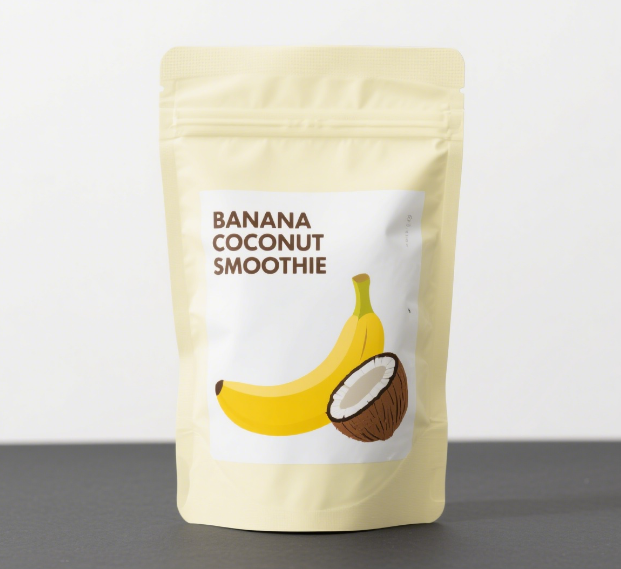
As sustainability becomes a central concern for food brands and retailers, the packaging choices businesses make today carry enormous long-term significance. An eco-friendly stand-up pouch represents a forward-thinking solution that merges environmental responsibility with practical shelf performance. For products like coffee beans and dried fruit, where freshness, visual appeal, and resealability are non-negotiable, adopting green packaging is no longer just a trend — it is a competitive necessity.
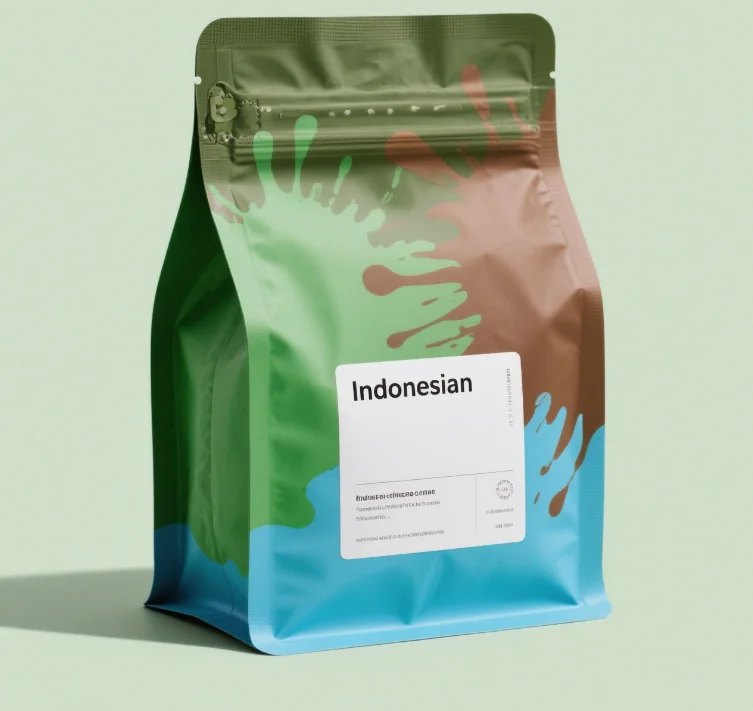
The green eco-friendly stand-up pouch is specifically engineered to address the dual challenge that food brands face: protecting perishable, aroma-sensitive products while minimizing the environmental footprint of single-use packaging. Whether you are a specialty coffee roaster, a dried fruit distributor, or a natural snack brand, understanding what makes an eco-friendly stand-up pouch the right choice for your product line is essential for making informed sourcing and branding decisions. This article explores the design principles, material science, functional benefits, and sustainability credentials that define this packaging format.
What Defines an Eco-Friendly Stand-Up Pouch
Material Composition and Biodegradability
An eco-friendly stand-up pouch is fundamentally distinguished by its substrate materials. Unlike conventional multi-layer laminates that combine plastic films with aluminum foils in ways that are impossible to separate or recycle, the green version uses biodegradable and compostable films derived from plant-based sources. These materials include polylactic acid (PLA), kraft paper layers, and PBAT blends that are certified to break down under industrial or home composting conditions. The shift in raw material sourcing is what gives this packaging its foundational green credential.
For coffee bean and dried fruit applications, the material stack must also perform as a barrier. A well-designed eco-friendly stand-up pouch incorporates a compostable inner lining that resists moisture vapor transmission and oxygen ingress — the two primary enemies of freshness for these products. Modern biodegradable barrier films have reached performance levels that are increasingly comparable to conventional structures, making the switch viable without sacrificing shelf life. The outer kraft paper layer adds natural aesthetics that resonate with health-conscious and eco-aware consumers.
Certification is a critical element of what defines a genuinely eco-friendly stand-up pouch. Reputable products carry certifications such as EN 13432 in Europe, ASTM D6400 in North America, or OK Compost Home and OK Compost Industrial logos from TÜV Austria. These certifications confirm that the materials will degrade within defined timeframes and leave no toxic residues in the soil. Brands sourcing these pouches should always verify certification documentation before making claims to consumers.
Design Features That Support Sustainability
Beyond materials, the design of an eco-friendly stand-up pouch incorporates features that extend usability and reduce total packaging waste. The resealable zipper closure — typically manufactured from compostable bio-based resin — allows consumers to open and reclose the pouch multiple times, reducing the need for additional storage containers and extending the product's usable life after first opening. This is particularly relevant for coffee beans, which consumers may use over days or weeks after purchase.
The square bottom gusset design, which gives the pouch its characteristic stand-up capability, also maximizes space efficiency in retail environments. A stable-standing pouch occupies less shelf footprint per unit compared to lying flat bags, which means more units per shelf meter and fewer transportation trips for equivalent product volume. From a lifecycle perspective, this geometric efficiency contributes meaningfully to reducing the carbon footprint associated with distribution. An eco-friendly stand-up pouch that ships efficiently and stores compactly amplifies its sustainability impact at every stage of the supply chain.
Why Coffee Beans and Dried Fruit Are Ideal Applications
Aroma and Freshness Requirements
Coffee beans are among the most demanding products for packaging engineers to serve. Freshly roasted coffee releases carbon dioxide for days after roasting, and exposure to oxygen causes rapid staling. An eco-friendly stand-up pouch designed for coffee typically incorporates a one-way degassing valve that allows CO2 to escape without permitting oxygen entry, preserving the aromatic complexity that specialty coffee consumers prize. This valve, when manufactured from compatible compostable materials, maintains the packaging's overall sustainability profile.
Dried fruit presents a complementary but distinct set of requirements. While CO2 off-gassing is not a concern, moisture migration is critical. Dried mango, apricots, cranberries, and similar products need packaging that maintains low internal humidity to prevent clumping, mold growth, and texture degradation. The moisture barrier performance of a certified eco-friendly stand-up pouch using appropriate PLA or PBAT composite layers is well-suited for these requirements, especially when combined with zipper resealing to minimize exposure after each opening.
Consumer Brand Positioning and Market Alignment
The consumers who buy premium coffee beans and specialty dried fruit are among the most environmentally motivated shoppers in the food market. Research consistently shows that these consumer segments are willing to pay a premium for products in sustainable packaging, and that they actively notice and respond to packaging material claims. Choosing an eco-friendly stand-up pouch for these product categories is therefore not just a packaging decision — it is a brand positioning decision that directly influences purchase behavior and brand loyalty.
Kraft paper aesthetics, natural earth tones, and printed sustainability messaging on an eco-friendly stand-up pouch create a visual and tactile experience that aligns with the values of these target audiences. The natural texture of kraft paper communicates authenticity and wholesomeness, which are precisely the associations that artisan coffee and premium dried fruit brands wish to cultivate. Packaging, in this sense, becomes an active component of the product story rather than a passive container.
From a retail buyer's perspective, stocking products in genuinely certified eco-friendly stand-up pouches also meets the sustainability sourcing commitments that major grocery chains, natural food retailers, and e-commerce platforms increasingly require of their suppliers. Brands that invest in certified green packaging gain practical commercial access to distribution channels that are partially closed to conventional packaging users.
Customization Capabilities for Brand Differentiation
Print and Graphic Customization
A well-sourced eco-friendly stand-up pouch offers substantial customization latitude without compromising its environmental credentials. Water-based or soy-based inks can be used for full-color surface printing on the kraft exterior, enabling vibrant brand graphics, product photography, ingredient lists, certification badges, and QR codes to be printed clearly. These inks are compatible with the composting certification requirements, ensuring that the entire pouch — ink included — meets the biodegradability standard.
For coffee brands in particular, the ability to differentiate single-origin offerings, roast levels, and flavor profiles through distinct pouch designs is a critical commercial capability. An eco-friendly stand-up pouch in a range of sizes — from 50g sample pouches to 1kg bulk formats — printed with distinct color palettes and typography allows brands to manage complex product SKU architectures without abandoning their green packaging commitment. Custom window patches made from compatible transparent bio-film can also be incorporated to allow consumers to see the product inside, which is a significant sales driver for visually appealing dried fruit assortments.
Sizing, Closure, and Structural Options
The structural flexibility of the eco-friendly stand-up pouch format accommodates a wide range of fill weights and product formats. Square bottom construction with side gussets allows the pouch to stand firmly when filled, which is important both for retail display and for consumer use at home. For heavier products like coffee beans at 500g or 1kg, the structural integrity of the kraft-laminate construction must be adequate to prevent tearing during handling, and reputable pouch manufacturers engineer their substrates accordingly.
Zipper closure options for an eco-friendly stand-up pouch typically include standard press-to-close profiles as well as slider zipper variants for larger formats. Tear notches are included for easy first opening, and hang holes can be incorporated for peg display in retail environments. Each of these functional features can be specified in compostable-compatible materials, ensuring that no conventional plastic component undermines the overall sustainability claim of the finished eco-friendly stand-up pouch.
Sourcing and Quality Assurance Considerations
Evaluating Supplier Certifications and Material Traceability
When sourcing an eco-friendly stand-up pouch for commercial production, the rigor of supplier certification and material traceability is paramount. Buyers should request not only the product-level compostability certification but also documentation of the raw material sources — including which certifying body verified the base films, adhesives, and zipper components. A packaging supplier that cannot provide layered certification documentation for each material component of the eco-friendly stand-up pouch is a significant sourcing risk for brands making consumer-facing sustainability claims.
Food safety compliance is equally important alongside environmental certification. An eco-friendly stand-up pouch used for coffee beans or dried fruit must meet food-contact material standards such as EU Regulation 10/2011 or FDA food contact compliance in the United States. Compostable does not automatically mean food-safe, and buyers must verify that the inner contact layer of the pouch is explicitly certified for direct food contact. Leading suppliers of green food packaging provide both sets of certifications as standard documentation for each product line.
Minimum Order Quantities and Lead Times for Custom Production
Custom-printed eco-friendly stand-up pouches typically require minimum order quantities that reflect the economics of plate preparation and material conversion. For small and mid-size food brands, understanding the MOQ structure is critical to planning inventory and cash flow. Reputable manufacturers offering customized eco-friendly stand-up pouches often work with MOQs starting at several thousand units per SKU, with lead times ranging from three to six weeks depending on print complexity and material availability.
Brands launching new products or seasonal varieties can mitigate inventory risk by specifying a consistent structural format across SKUs and differentiating only through printed artwork, allowing them to consolidate pouch orders while maintaining product line distinction. This approach reduces the per-unit cost of the eco-friendly stand-up pouch while enabling the brand diversity that retail buyers and consumers expect.
FAQ
Are eco-friendly stand-up pouches suitable for long shelf life products like roasted coffee?
Yes, when correctly specified with appropriate barrier layers and a one-way degassing valve, an eco-friendly stand-up pouch can effectively protect roasted coffee beans for shelf lives of six to twelve months. The key is verifying that the biodegradable barrier film selected achieves adequate oxygen and moisture transmission rates for your specific product and distribution conditions. Always test with your actual product before committing to full production volumes.
How can I verify that an eco-friendly stand-up pouch is genuinely compostable?
Ask your supplier to provide third-party certification documentation such as EN 13432, ASTM D6400, or OK Compost certification from a recognized certifying body. The certification should cover all components of the pouch — film, adhesive, zipper, and valve — not just the outer substrate. Be cautious of suppliers who provide only partial certifications or who claim compostability without independent third-party verification, as greenwashing in the packaging industry is a documented risk.
Can an eco-friendly stand-up pouch be printed with full-color branding?
Yes. Using water-based or soy-based inks compatible with composting standards, an eco-friendly stand-up pouch can carry high-quality full-color flexographic or digital printing on the kraft paper exterior. Brands should confirm with their supplier that the inks used are part of the certified packaging system and do not introduce non-compostable components. Most professional green packaging manufacturers offer design support services to help optimize artwork for print quality on kraft surfaces.
What sizes of eco-friendly stand-up pouches are typically available for coffee and dried fruit?
Eco-friendly stand-up pouches for coffee and dried fruit are commonly available in a range of sizes from approximately 100g to 1kg fill capacity. Common formats include 100g, 200g, 250g, 500g, and 1kg for coffee, and similar weight ranges for dried fruit depending on product density. Custom sizing is generally available from experienced suppliers, and square bottom gusset dimensions can be adjusted to accommodate different product volumes and retail display requirements.
Table of Contents
- What Defines an Eco-Friendly Stand-Up Pouch
- Why Coffee Beans and Dried Fruit Are Ideal Applications
- Customization Capabilities for Brand Differentiation
- Sourcing and Quality Assurance Considerations
-
FAQ
- Are eco-friendly stand-up pouches suitable for long shelf life products like roasted coffee?
- How can I verify that an eco-friendly stand-up pouch is genuinely compostable?
- Can an eco-friendly stand-up pouch be printed with full-color branding?
- What sizes of eco-friendly stand-up pouches are typically available for coffee and dried fruit?