
 EN
EN



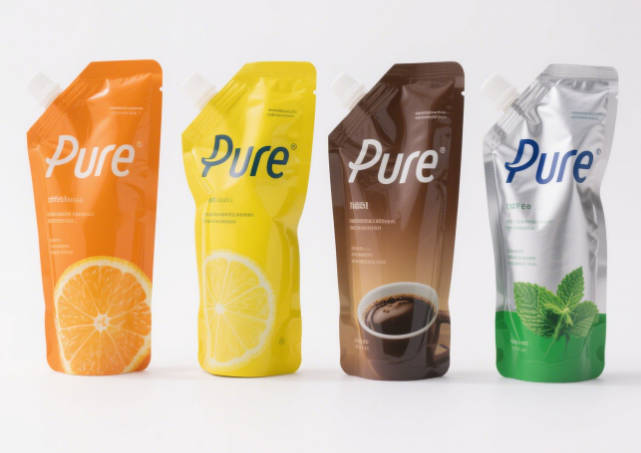
The flexible packaging industry has undergone a significant transformation over the past decade, and one format has consistently risen to meet the complex demands of both manufacturers and end consumers. The packaging bag with spout has become a defining solution in this evolution, offering a combination of structural integrity, user convenience, and versatility that few other formats can match. From liquid foods and beverages to industrial fluids and personal care products, this packaging format has proven its value across an impressive range of applications.
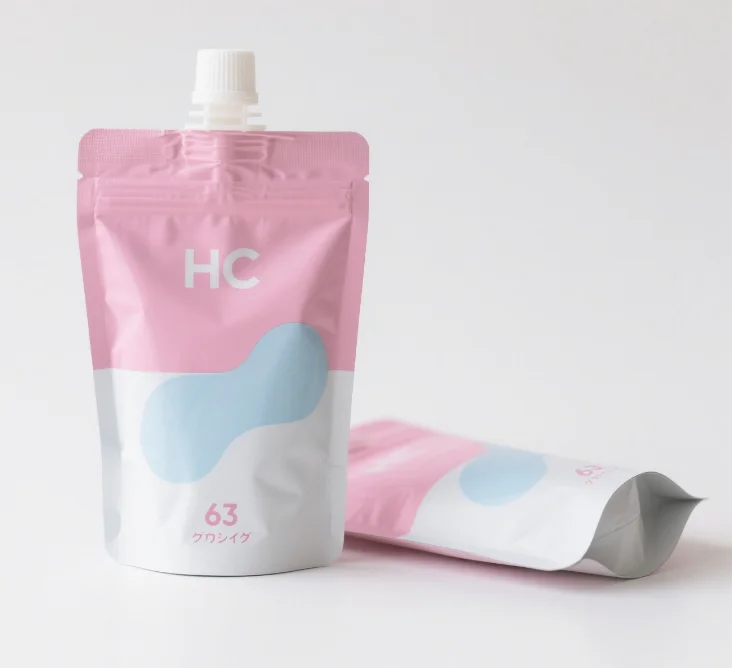
Understanding what makes a packaging bag with spout genuinely ideal for modern flexible packaging requires looking beyond its outward appearance. It demands an examination of functional design principles, material science, consumer behavior trends, and the operational realities of packaging lines. This article breaks down the key attributes that elevate the spout pouch above conventional rigid or semi-rigid containers, and explains why so many industries are making the switch to this flexible, forward-thinking format.
The Structural Advantages of a Packaging Bag with Spout
Integrated Dispensing Without Compromising Seal Integrity
One of the most distinguishing characteristics of a packaging bag with spout is the way it integrates a controlled dispensing mechanism directly into the flexible structure. Unlike bottles or jars that rely on separate closures, the spout is heat-sealed or ultrasonically welded into the pouch body during manufacturing, creating a unified assembly that resists leakage under pressure and during transport. This integration eliminates weak points that commonly arise when separate closure systems are applied post-fill.
The structural bond between the spout fitment and the laminated film layers is engineered to withstand both internal pressure and external mechanical stress. For liquid products especially, this is critical. A packaging bag with spout must maintain seal integrity across temperature variations, handling cycles, and logistical chains that can stretch from production floors to retail shelves or direct-to-consumer delivery networks. The engineering behind this bond is not incidental — it is a deliberate design choice that prioritizes long-term containment reliability.
From a production standpoint, the sealed spout also simplifies the filling process. Automated filling lines can work with spout pouches efficiently, using the spout channel as both the fill point and the final consumer access point. This dual function reduces complexity and contributes to faster cycle times in high-volume packaging operations.
Film Lamination and Material Selection
The effectiveness of a packaging bag with spout depends heavily on the multilayer film structure chosen for its construction. Typically, these pouches are built from two to five layers of laminated materials, each serving a distinct protective or structural role. Common configurations combine polyethylene for heat-sealing performance, nylon for puncture resistance, and barrier films such as EVOH or aluminum foil to block oxygen and moisture transmission.
This layered construction allows manufacturers to customize the barrier properties of the packaging bag with spout for specific product requirements. A baby food pouch, for instance, requires extremely high oxygen barrier performance to preserve nutritional content, while a liquid detergent pouch may prioritize chemical resistance and mechanical durability over gas barrier properties. The flexibility to engineer these material stacks to precise specifications is one of the core reasons this format excels across diverse product categories.
Additionally, advances in recyclable and mono-material laminate options have made it increasingly possible to produce a packaging bag with spout that meets both performance requirements and sustainability targets. As brand owners face growing pressure to reduce plastic waste, the ability to design for recyclability without sacrificing product protection is a significant competitive advantage.
Consumer-Facing Benefits That Drive Adoption
Ergonomic Design and Ease of Use
Modern consumers expect packaging to work intuitively and comfortably. A packaging bag with spout answers this expectation directly by offering a format that is easy to grip, easy to open, and easy to reseal. The reclosable cap — typically a screw-on or snap-on fitment — allows users to open, dispense, and reseal the product multiple times without risk of spillage or contamination. This reclosability is a fundamental usability advantage over tear-notch pouches or single-use sachets.
The ergonomics of a packaging bag with spout also extend to its dispensing control. The narrow spout outlet regulates flow, making it far easier to pour precise amounts of liquid compared to wide-mouth containers. For products like cooking sauces, protein shakes, baby food, or liquid vitamins, this controlled dispensing is not a minor convenience — it directly affects how the product is perceived and consumed. Consumers associate controlled, mess-free dispensing with product quality and brand thoughtfulness.
Furthermore, many spout pouch formats are designed to stand upright when filled, providing shelf stability that was historically associated only with rigid containers. A stand-up packaging bag with spout combines the flexible package's cost and weight advantages with the display presence of a bottle, making it attractive to both retailers and consumers.
Portability and Lifestyle Alignment
Contemporary purchasing behavior is strongly influenced by on-the-go lifestyles. Consumers want products that fit into bags, fit into hands, and can be consumed or used without requiring secondary tools or surfaces. A packaging bag with spout addresses these lifestyle demands naturally. Its flexible, lightweight profile makes it ideal for travel, outdoor activities, office environments, and anywhere that bulky containers would be inconvenient.
For the food and beverage sector in particular, the packaging bag with spout format has opened up entirely new consumption occasions. Single-serve fruit purées, hydration gels for athletes, and ready-to-drink smoothies have all benefited from the portability that spout pouches provide. The format signals freshness, convenience, and modernity — attributes that resonate strongly with health-conscious, time-pressured consumer segments.
Industrial and household products have similarly benefited from this portability advantage. Liquid soap, fabric softener, and cleaning concentrate refill pouches with spouts allow consumers to purchase larger volumes in a lighter, easier-to-handle format, supporting both convenience and value-seeking behavior at the point of purchase.
Operational and Commercial Efficiency for Manufacturers
Reduced Material Use and Logistics Cost
From a manufacturing and supply chain perspective, the packaging bag with spout delivers meaningful efficiency gains compared to rigid alternatives. The primary driver is material reduction. A flexible pouch uses significantly less raw material by weight than a comparable plastic bottle or glass container. This translates directly into lower material costs per unit, lower transport costs due to reduced package weight, and smaller storage footprints for both filled product inventory and empty packaging stock.
Empty spout pouches can be shipped flat or rolled, allowing very high quantities to be transported and stored in compact configurations. This pre-fill efficiency is a practical advantage for contract packagers, co-manufacturers, and brand owners managing complex inventory systems. When you consider that a typical packaging bag with spout occupies a fraction of the space of a comparable rigid container before filling, the logistical savings become substantial at scale.
These cost advantages do not come at the expense of shelf appeal. Modern printing technologies allow high-resolution graphics, metallic effects, matte finishes, and transparent windows to be incorporated into the packaging bag with spout design. The result is premium shelf presence achieved without premium packaging costs — a balance that is especially valuable in competitive retail categories.
Compatibility with Modern Filling and Capping Lines
The packaging bag with spout has been thoughtfully engineered for compatibility with contemporary automated packaging lines. Spout fitments are standardized in their dimensional tolerances, allowing filling and capping machines to handle them with high precision and minimal downtime. This standardization is important for contract packagers who run multiple SKUs and product types on shared equipment, as it reduces changeover complexity.
Filling accuracy is another operational benefit. Because the spout provides a controlled, defined entry point for liquid filling, automated lines can achieve consistent fill weights with minimal product waste. For high-value liquids such as pharmaceutical formulations, premium food products, or concentrated industrial fluids, this filling precision has a direct impact on product profitability and regulatory compliance.
The ability to integrate the packaging bag with spout format into existing flexible packaging lines — or to adopt dedicated spout pouch filling machines — gives manufacturers scalability options that match their production volumes and investment thresholds. Whether running thousands or millions of units per month, the format can be accommodated without prohibitive capital expenditure.
Sustainability Credentials and Market Positioning
Lower Carbon Footprint Compared to Rigid Packaging
Sustainability has become a non-negotiable consideration in packaging decisions, and the packaging bag with spout holds meaningful environmental advantages over rigid containers when assessed on a lifecycle basis. The reduced material weight of a flexible pouch directly reduces energy consumption in raw material production, and the compact shipping profile lowers transport-related carbon emissions per unit delivered. Life cycle assessment studies consistently highlight flexible formats as lower-impact alternatives to glass, metal, or thick-walled plastic containers.
Brands adopting the packaging bag with spout as part of their sustainability strategy can communicate these environmental benefits credibly to consumers and retail partners. With environmental claims coming under increasing regulatory scrutiny, the data-backed advantages of flexible packaging — reduced material use, lower transport emissions, and improved space efficiency in distribution — provide a strong foundation for responsible brand communication.
The evolution toward mono-material spout pouches, which are designed for compatibility with mainstream recycling streams, is further strengthening the sustainability credentials of this format. As collection and sorting infrastructure improves in major markets, the packaging bag with spout is well positioned to meet forthcoming recyclability requirements without requiring fundamental design changes.
Meeting Regulatory and Consumer Demand Simultaneously
Packaging regulations are tightening globally, with extended producer responsibility schemes, plastic reduction mandates, and recyclability labeling requirements all placing new obligations on brand owners and packaging suppliers. The packaging bag with spout is a format that can be engineered to comply with these requirements while still delivering the performance attributes that consumers expect. This dual compliance — regulatory and consumer — is a strategic asset.
The packaging bag with spout also supports brand owners in meeting retailer sustainability requirements, which are increasingly tied to supply chain onboarding decisions. Retailers in major markets are setting minimum recyclability thresholds and packaging weight reduction targets for their suppliers. Flexible spout pouch formats that meet or exceed these standards give brand owners a meaningful advantage in retailer negotiations and shelf allocation decisions.
Taken together, the regulatory compliance potential and consumer sustainability preferences create a strong market positioning opportunity for any brand that adopts the packaging bag with spout as a primary or secondary packaging format. The format aligns with where the market is going, not just where it currently stands.
FAQ
What types of products are best suited for a packaging bag with spout?
A packaging bag with spout is well suited for any flowable or pourable product, including liquid foods, beverages, sauces, baby food, cooking oils, cleaning concentrates, liquid soaps, personal care gels, and industrial fluids. The key requirement is that the product must be compatible with the film and fitment materials used in the pouch construction. For sensitive products, specialized barrier films and food-grade spout materials are selected to ensure product integrity and regulatory compliance.
How does the spout affect the shelf life of the packaged product?
When properly engineered and sealed, the spout fitment in a packaging bag with spout does not negatively affect shelf life. In fact, the reclosable cap prevents post-opening contamination, and the barrier film layers protect against oxygen and moisture ingress during the sealed period. For products requiring extended ambient shelf life, high-barrier laminates combined with a hermetically sealed spout can deliver performance comparable to rigid container formats.
Can a packaging bag with spout be used for hot-fill applications?
Yes, certain formulations of the packaging bag with spout are specifically designed to withstand hot-fill temperatures. These pouches use heat-resistant film laminates and spout materials that maintain their structural integrity when filled with product at elevated temperatures. Hot-fill spout pouches are commonly used for pasteurized soups, sauces, and beverages. It is important to verify the specific temperature tolerance of the pouch construction with the manufacturer before adopting this filling method.
What customization options are available for the packaging bag with spout?
The packaging bag with spout offers extensive customization possibilities, including pouch dimensions, spout placement (top, corner, or side), spout diameter, cap style, film structure, and surface printing. High-resolution flexographic or rotogravure printing can deliver vibrant brand graphics across the full pouch surface. Transparent windows, matte or gloss finishes, and tactile coatings are all available options. Customization allows brand owners to create a distinctive shelf presence while meeting the specific functional requirements of their product and filling process.