
 EN
EN




Modern supply chain operations demand packaging solutions that combine efficiency, cost-effectiveness, and consumer convenience. The evolution of flexible packaging has led to innovative formats that address multiple challenges simultaneously, with spouted pouch designs emerging as a transformative solution for liquid and semi-liquid products. These versatile containers offer manufacturers the ability to reduce material costs while maintaining product integrity and enhancing user experience across diverse market segments.
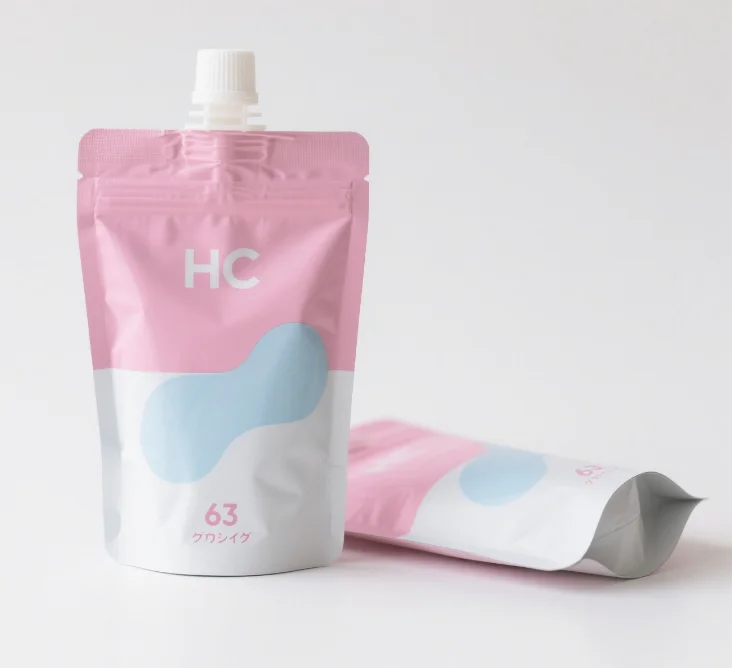
The transition toward lightweight packaging formats represents a significant shift in industrial packaging strategies. Companies across food, beverage, personal care, and household product sectors are recognizing the operational advantages of adopting spouted pouch technology. This packaging format delivers substantial improvements in storage efficiency, transportation costs, and production line throughput while meeting increasingly stringent sustainability requirements. The integration of spouted pouch solutions into existing manufacturing processes typically results in measurable improvements in overall supply chain performance.
Supply chain optimization through advanced packaging formats has become essential for maintaining competitive positioning in global markets. The spouted pouch format addresses critical pain points including material waste reduction, inventory space maximization, and enhanced product protection during distribution. Manufacturing facilities implementing these solutions often report significant improvements in operational efficiency alongside reduced environmental impact metrics. The versatility of spouted pouch designs enables customization for specific product requirements while maintaining standardized production processes.
Material Engineering and Performance Characteristics
Advanced Barrier Properties
The sophisticated material composition of modern spouted pouch designs incorporates multiple barrier layers that protect contents from environmental factors while maintaining structural integrity. These engineered materials typically feature polyethylene-based constructions with specialized additives that enhance puncture resistance, oxygen barrier properties, and UV protection. The multilayer structure ensures optimal preservation of product quality throughout extended shelf life periods, making spouted pouch formats suitable for premium liquid products requiring exceptional protection standards.
Material selection for spouted pouch applications involves careful consideration of chemical compatibility, temperature resistance, and mechanical stress tolerance. Advanced polymer formulations enable these packages to withstand varying storage conditions while maintaining seal integrity and preventing contamination. The engineering precision required for optimal spouted pouch performance necessitates collaboration between packaging specialists and material scientists to achieve desired barrier properties without compromising flexibility or cost-effectiveness.
Structural Design Innovations
Contemporary spouted pouch configurations incorporate ergonomic design principles that enhance user interaction while optimizing manufacturing efficiency. The spout mechanism itself represents sophisticated engineering, featuring precision-molded components that ensure consistent flow control and reliable resealing capabilities. These design elements contribute to reduced product waste and improved consumer satisfaction, key factors in brand loyalty development and market penetration strategies.
The structural integrity of spouted pouch formats relies on advanced welding techniques and quality control processes that ensure consistent performance across production runs. Manufacturing precision in seam construction and spout attachment directly impacts product reliability and consumer confidence. Quality assurance protocols for spouted pouch production typically involve rigorous testing procedures that verify seal strength, burst resistance, and long-term stability under various environmental conditions.
Production Line Integration and Efficiency Gains
Automated Filling Systems
Modern production facilities utilizing spouted pouch technology benefit from streamlined filling operations that significantly reduce processing time compared to traditional rigid packaging formats. Automated filling systems designed specifically for spouted pouch applications achieve higher throughput rates while maintaining precise volume control and minimal product loss. These systems typically incorporate advanced sensors and control mechanisms that ensure consistent fill levels and proper seal formation throughout continuous production cycles.
The integration of spouted pouch filling equipment into existing production lines often requires minimal infrastructure modifications while delivering substantial efficiency improvements. High-speed filling capabilities enable manufacturers to meet increasing demand without proportional increases in labor costs or facility requirements. The reduced complexity of spouted pouch handling compared to rigid containers translates to lower maintenance requirements and improved overall equipment effectiveness metrics.
Quality Control Mechanisms
Comprehensive quality assurance programs for spouted pouch production incorporate real-time monitoring systems that detect potential defects during manufacturing processes. These systems evaluate seal integrity, spout alignment, and material consistency to ensure each package meets specified performance standards. Advanced inspection technologies including vision systems and pressure testing equipment provide continuous quality verification without impacting production speed or efficiency.
Statistical process control methodologies applied to spouted pouch manufacturing enable proactive identification of process variations that could impact product quality. Data collection systems monitor critical parameters including seal temperature, dwell time, and material tension to maintain optimal production conditions. This systematic approach to quality management results in reduced reject rates and improved customer satisfaction while minimizing production costs associated with defective packaging.
Supply Chain Optimization Benefits
Transportation and Storage Advantages
The lightweight characteristics of spouted pouch packaging deliver significant transportation cost reductions compared to traditional rigid packaging alternatives. Reduced package weight translates directly to lower shipping costs, enabling companies to improve profit margins while maintaining competitive pricing strategies. The flexible nature of spouted pouch formats also enables more efficient pallet utilization and warehouse space optimization, contributing to overall supply chain cost reduction initiatives.
Storage efficiency improvements from spouted pouch implementation extend beyond simple space savings to include enhanced inventory management capabilities. The compact profile of unfilled pouches enables substantial storage density improvements in manufacturing facilities and distribution centers. This efficiency gain becomes particularly valuable for companies managing seasonal demand fluctuations or seeking to minimize working capital requirements associated with packaging inventory.
Environmental Impact Reduction
Sustainability initiatives increasingly drive packaging format selection decisions, with spouted pouch solutions offering measurable environmental advantages over traditional packaging options. The reduced material usage inherent in flexible packaging designs contributes to lower carbon footprint metrics throughout the product lifecycle. Manufacturing facilities implementing spouted pouch technology often achieve significant reductions in packaging waste generation while maintaining or improving product protection standards.
Life cycle assessment studies consistently demonstrate the environmental benefits of spouted pouch formats compared to rigid alternatives, particularly in applications involving liquid products. The energy requirements for spouted pouch production typically represent a fraction of those needed for glass or rigid plastic containers of equivalent capacity. These environmental advantages align with corporate sustainability goals while delivering tangible cost benefits through reduced material consumption and waste management expenses.
Market Applications and Industry Adoption
Food and Beverage Sector Integration
The food and beverage industry has embraced spouted pouch technology across numerous product categories, from baby food and sauces to beverages and liquid supplements. Consumer acceptance of spouted pouch formats has grown significantly as manufacturers demonstrate the convenience and functionality benefits these packages provide. The ability to dispense controlled portions while maintaining product freshness makes spouted pouch solutions particularly attractive for premium food products requiring extended shelf life.
Regulatory compliance requirements in food packaging applications demand rigorous adherence to safety standards, with spouted pouch manufacturers investing heavily in certifications and quality systems. FDA-approved materials and manufacturing processes ensure product safety while enabling access to regulated markets. The traceability capabilities built into modern spouted pouch production systems support comprehensive quality documentation required for food safety audits and regulatory inspections.
Personal Care and Household Products
Personal care manufacturers have recognized the consumer appeal and functional advantages of spouted pouch packaging for liquid products including shampoos, lotions, and cleaning solutions. The ergonomic design of spouted pouch formats enhances user experience while providing brands with differentiation opportunities in competitive markets. Customization options for spouted pouch designs enable unique brand expressions that support marketing objectives and consumer recognition.
Household product applications of spouted pouch technology continue expanding as manufacturers seek cost-effective solutions for liquid concentrates and ready-to-use formulations. The durability and chemical resistance of advanced spouted pouch materials enable safe packaging of aggressive cleaning formulations while maintaining structural integrity. Market research indicates growing consumer preference for flexible packaging formats that offer convenience and environmental benefits compared to traditional rigid containers.
Future Trends and Technology Developments
Smart Packaging Integration
Emerging technologies in spouted pouch design incorporate smart packaging features including QR codes, NFC chips, and color-changing indicators that enhance consumer interaction and product traceability. These advanced features enable brands to provide additional value through product information access, authenticity verification, and usage tracking capabilities. The integration of smart technologies with spouted pouch formats represents significant opportunities for brand differentiation and consumer engagement enhancement.
Digital printing capabilities for spouted pouch applications continue advancing, enabling cost-effective customization and personalization options that support targeted marketing campaigns. Variable data printing technologies allow manufacturers to create unique package designs for different market segments or promotional programs without significant cost increases. These capabilities position spouted pouch formats as increasingly attractive options for brands seeking flexible packaging solutions that support dynamic marketing strategies.
Sustainable Material Innovations
Research and development in sustainable materials for spouted pouch applications focus on bio-based polymers and recyclable compositions that maintain performance while reducing environmental impact. Advanced material formulations incorporating recycled content and renewable resources address growing consumer demand for environmentally responsible packaging solutions. These innovations ensure spouted pouch technology remains aligned with evolving sustainability requirements while maintaining the functional advantages that drive market adoption.
Circular economy principles increasingly influence spouted pouch design decisions, with manufacturers developing packages that support recycling infrastructure and waste reduction objectives. Mono-material constructions and improved separation technologies enable better end-of-life outcomes for spouted pouch packaging while maintaining necessary barrier properties and functionality. These developments position spouted pouch solutions as preferred options for companies implementing comprehensive sustainability programs.
FAQ
What factors determine spouted pouch material selection for specific applications
Material selection for spouted pouch applications depends on product compatibility, required barrier properties, intended shelf life, and regulatory requirements. Chemical resistance, temperature tolerance, and mechanical strength specifications guide the selection process. Manufacturers typically conduct compatibility testing to ensure optimal material performance for specific product formulations while meeting cost and sustainability objectives.
How does spouted pouch filling speed compare to traditional packaging methods
Modern spouted pouch filling equipment achieves significantly higher throughput rates compared to rigid container filling systems, often exceeding 200 packages per minute depending on product characteristics and package size. The flexible nature of spouted pouch formats enables faster handling and reduced changeover times between different products or sizes, contributing to improved overall line efficiency and reduced production costs.
What quality control measures ensure consistent spouted pouch performance
Comprehensive quality control for spouted pouch production includes seal strength testing, leak detection, drop testing, and dimensional verification throughout manufacturing processes. Real-time monitoring systems track critical parameters including seal temperature, pressure, and dwell time to maintain consistent quality. Statistical process control methodologies enable proactive quality management and continuous improvement initiatives.
How do transportation costs change when switching to spouted pouch packaging
Transportation cost reductions from spouted pouch implementation typically range from 15-40% compared to rigid packaging alternatives, depending on product density and shipping distance. The lightweight nature of flexible packaging reduces shipping weight while improved pallet efficiency maximizes container utilization. These benefits compound over multiple shipping cycles, delivering substantial annual cost savings for high-volume products.
Table of Contents
- Material Engineering and Performance Characteristics
- Production Line Integration and Efficiency Gains
- Supply Chain Optimization Benefits
- Market Applications and Industry Adoption
- Future Trends and Technology Developments
-
FAQ
- What factors determine spouted pouch material selection for specific applications
- How does spouted pouch filling speed compare to traditional packaging methods
- What quality control measures ensure consistent spouted pouch performance
- How do transportation costs change when switching to spouted pouch packaging