
 EN
EN



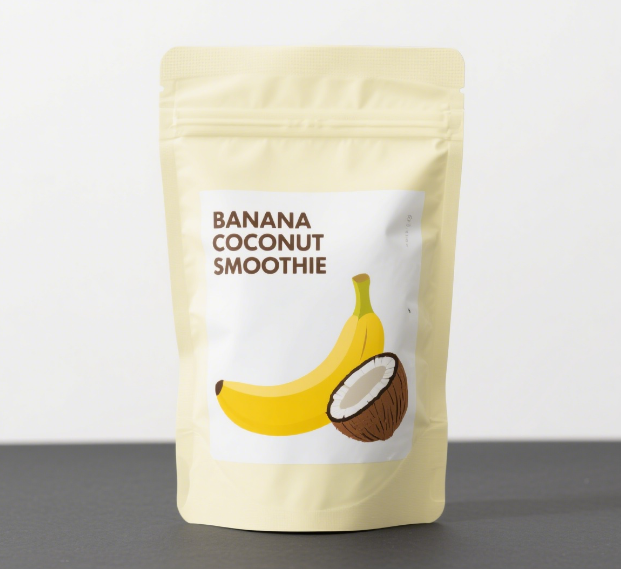
The transition toward sustainable business practices has accelerated dramatically in recent years, with companies across industries recognizing the urgent need to minimize their environmental footprint. At the heart of this transformation lies the integration of compostable packaging solutions into comprehensive circular business models. This strategic approach not only addresses consumer demand for eco-friendly alternatives but also creates long-term value through resource optimization and waste reduction. Organizations implementing compostable packaging within their circular frameworks are discovering innovative pathways to profitability while contributing meaningfully to environmental preservation.
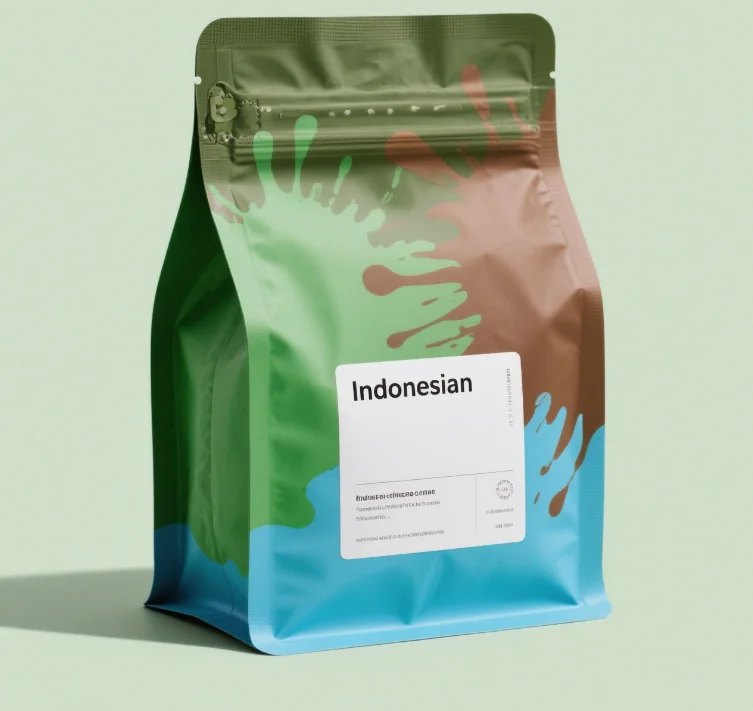
Understanding Circular Business Models in Modern Commerce
Fundamental Principles of Circularity
Circular business models represent a paradigm shift from traditional linear approaches that follow the take-make-dispose pattern. These innovative frameworks focus on maintaining materials and products in circulation for extended periods, extracting maximum value throughout their lifecycle. The integration of compostable packaging into these models creates powerful synergies that enhance both environmental and economic outcomes. Companies adopting circular principles design their operations around regenerative practices that restore natural systems rather than depleting them.
The foundation of circular commerce rests on three core principles: designing out waste and pollution, keeping products and materials in use, and regenerating natural systems. When organizations incorporate compostable packaging into their circular strategies, they address all three principles simultaneously. This comprehensive approach enables businesses to transform potential waste streams into valuable inputs for other processes, creating closed-loop systems that minimize external dependencies and environmental impact.
Economic Advantages of Circular Integration
The economic benefits of integrating compostable packaging into circular business models extend far beyond simple cost savings. Organizations implementing these strategies often discover new revenue streams through material recovery, partnerships with waste management facilities, and premium pricing for sustainable products. The circular approach transforms traditional cost centers into profit opportunities, creating competitive advantages that strengthen market positioning while advancing environmental goals.
Risk mitigation represents another significant economic advantage of circular integration. Companies relying on compostable packaging reduce their exposure to volatile raw material markets and regulatory changes targeting single-use plastics. This strategic positioning provides greater operational stability and enables more accurate long-term financial planning. The predictability of circular systems contrasts sharply with the uncertainty inherent in linear models dependent on continuous resource extraction.
Strategic Implementation of Compostable Packaging Solutions
Material Selection and Performance Optimization
Successful integration of compostable packaging begins with careful material selection that balances environmental benefits with functional requirements. Modern compostable materials have evolved significantly, offering performance characteristics that rival conventional plastics while maintaining complete biodegradability. Organizations must evaluate factors including barrier properties, shelf life extension, temperature resistance, and mechanical strength when selecting appropriate compostable packaging solutions for their specific applications.
Performance optimization requires understanding the complete lifecycle of compostable packaging within circular systems. This includes consideration of sourcing sustainability, manufacturing efficiency, distribution requirements, and end-of-life processing capabilities. Companies achieving the greatest success with compostable packaging invest heavily in testing and validation to ensure materials perform optimally throughout their intended use cycle while maintaining compostability standards.
Supply Chain Transformation Strategies
Transforming supply chains to accommodate compostable packaging requires systematic planning and stakeholder engagement. Organizations must work closely with suppliers, distributors, and end-users to establish infrastructure capable of supporting circular material flows. This transformation often involves renegotiating contracts, establishing new partnerships, and investing in specialized handling and processing equipment designed for compostable materials.
The development of reverse logistics capabilities represents a critical component of supply chain transformation. Companies implementing circular models create systems for collecting used packaging materials and channeling them into appropriate composting facilities or regenerative processes. These reverse flows require coordination with waste management providers, municipal composting programs, and industrial composting facilities capable of processing specific types of compostable packaging materials.
Technology Integration and Innovation Frameworks
Digital Tracking and Transparency Systems
Digital technologies play an increasingly important role in optimizing circular business models incorporating compostable packaging. Advanced tracking systems enable organizations to monitor material flows, measure environmental impact, and identify optimization opportunities throughout their operations. These systems provide real-time visibility into packaging performance, composting rates, and resource recovery efficiency, enabling data-driven decision making that enhances both environmental and economic outcomes.
Blockchain technology offers particular promise for creating transparent and verifiable circular systems. Companies using compostable packaging can implement blockchain-based tracking to document the complete lifecycle of their materials, from raw material sourcing through end-of-life processing. This transparency builds consumer trust, supports sustainability claims, and enables more sophisticated partnerships with suppliers and waste management providers committed to circular principles.
Innovation Partnerships and Collaborative Development
The complexity of integrating compostable packaging into circular business models often requires collaborative innovation approaches that leverage external expertise and resources. Organizations partner with material scientists, packaging engineers, and waste management specialists to develop customized solutions that address specific operational requirements while maintaining circularity objectives. These partnerships accelerate innovation timelines and reduce development costs while creating shared value for all participants.
Cross-industry collaboration enables the development of more comprehensive circular systems that span multiple sectors and value chains. Companies using compostable packaging often discover opportunities to create symbiotic relationships with organizations in adjacent industries, where waste outputs from one process become valuable inputs for another. These industrial ecology approaches maximize resource efficiency while minimizing environmental impact across entire regional or industrial ecosystems.
Market Positioning and Consumer Engagement
Brand Differentiation Through Sustainability Leadership
Organizations successfully integrating compostable packaging into circular business models often achieve significant brand differentiation that translates into market advantages. Consumers increasingly prioritize sustainability when making purchasing decisions, creating opportunities for companies to command premium pricing while building customer loyalty. The authentic commitment demonstrated by circular business practices resonates strongly with environmentally conscious consumers who value transparency and genuine environmental stewardship.
Effective brand positioning around compostable packaging requires clear communication of both environmental benefits and practical advantages. Companies must articulate how their circular approaches create value for customers while contributing to broader sustainability objectives. This messaging should emphasize the innovative nature of circular systems while providing concrete examples of environmental impact reduction and resource efficiency improvements.
Consumer Education and Engagement Strategies
Successful implementation of compostable packaging within circular models requires extensive consumer education to ensure proper handling and disposal. Organizations must invest in comprehensive communication programs that explain composting requirements, provide clear disposal instructions, and highlight the environmental benefits of proper material handling. These educational efforts create more effective circular systems while building consumer appreciation for sustainability initiatives.
Engagement strategies should extend beyond simple instruction to create meaningful connections between consumers and circular principles. Companies implementing compostable packaging often develop interactive programs that allow customers to track the environmental impact of their purchasing decisions, participate in community composting initiatives, or contribute to circular system optimization. These engagement approaches transform customers into active participants in circular economies rather than passive recipients of sustainable products.
Regulatory Compliance and Standards Management
Navigating Evolving Regulatory Landscapes
The regulatory environment surrounding compostable packaging continues to evolve rapidly, with governments worldwide implementing new standards and requirements for sustainable packaging solutions. Organizations integrating these materials into circular business models must maintain comprehensive compliance programs that address multiple jurisdictions and certification requirements. This includes understanding various compostability standards, labeling requirements, and disposal regulations that affect different markets and applications.
Proactive regulatory compliance provides competitive advantages by positioning companies ahead of regulatory curves and demonstrating leadership in sustainable practices. Organizations investing in comprehensive compliance frameworks often discover opportunities to influence regulatory development while ensuring their circular systems remain viable across different markets. This forward-thinking approach minimizes regulatory risks while creating opportunities to shape industry standards around compostable packaging applications.
Certification and Quality Assurance Protocols
Maintaining appropriate certifications for compostable packaging requires systematic quality assurance protocols that ensure consistent performance and environmental benefits. Organizations must implement rigorous testing procedures, supplier qualification programs, and ongoing monitoring systems that verify materials meet specified compostability standards throughout their supply chains. These protocols protect brand reputation while ensuring circular systems deliver intended environmental benefits.
Quality assurance extends beyond initial material certification to encompass ongoing performance monitoring and continuous improvement initiatives. Companies successfully implementing compostable packaging within circular models invest in comprehensive testing programs that evaluate material performance under various conditions, monitor composting effectiveness, and identify opportunities for system optimization. This commitment to quality ensures circular systems remain effective while supporting continuous innovation and improvement.
Financial Modeling and Investment Strategies
Cost-Benefit Analysis of Circular Integration
Developing accurate financial models for circular business integration requires comprehensive analysis of both immediate costs and long-term benefits associated with compostable packaging implementation. Initial investments typically include material conversion costs, supply chain modifications, and system development expenses. However, these upfront investments generate returns through operational efficiency improvements, waste reduction savings, and revenue enhancement opportunities that compound over time.
Long-term financial benefits often exceed initial projections as circular systems mature and optimization opportunities emerge. Companies implementing compostable packaging within circular frameworks frequently discover unexpected revenue streams, cost reduction opportunities, and risk mitigation benefits that enhance overall financial performance. These benefits include reduced raw material costs, improved operational efficiency, enhanced customer loyalty, and reduced regulatory compliance expenses.
Investment Recovery and Value Creation
Investment recovery timelines for circular business model integration vary significantly based on implementation scope, market conditions, and operational efficiency. Organizations typically achieve positive returns within three to five years, with accelerated payback periods as circular systems reach optimal efficiency. The value creation potential extends beyond direct cost savings to include brand enhancement, market positioning advantages, and strategic partnership opportunities that generate ongoing competitive benefits.
Value creation through compostable packaging integration often exceeds traditional financial metrics to encompass broader stakeholder benefits including employee engagement, community relationships, and investor satisfaction. These intangible benefits translate into measurable business advantages through improved talent retention, enhanced customer relationships, and preferential treatment from sustainability-focused investors and partners.
Future Trends and Strategic Implications
Emerging Technologies and Market Evolution
The future of compostable packaging within circular business models will be shaped by emerging technologies including advanced biomaterials, smart packaging systems, and automated sorting technologies. These innovations promise to enhance the performance and efficiency of circular systems while reducing implementation costs and complexity. Organizations positioning themselves at the forefront of these technological developments will capture competitive advantages as markets continue evolving toward sustainability priorities.
Market evolution toward mandatory sustainability requirements will accelerate adoption of circular business models incorporating compostable packaging across diverse industries. Companies implementing these strategies proactively will benefit from first-mover advantages while avoiding the disruption and cost pressures associated with reactive compliance approaches. This strategic positioning enables sustainable competitive advantages that strengthen over time as regulatory requirements intensify.
Strategic Planning for Long-Term Success
Long-term success with compostable packaging integration requires strategic planning that anticipates market evolution, technological advancement, and regulatory changes. Organizations must develop flexible frameworks capable of adapting to changing conditions while maintaining circular system effectiveness. This includes building scalable infrastructure, developing adaptive partnerships, and maintaining innovation capabilities that enable continuous system optimization and improvement.
Strategic planning should encompass broader sustainability objectives beyond packaging to create comprehensive circular systems that address multiple environmental challenges simultaneously. Companies achieving the greatest success integrate compostable packaging initiatives within holistic sustainability strategies that address energy consumption, water usage, carbon emissions, and social responsibility objectives. This comprehensive approach creates synergies that enhance both environmental impact and business performance across all operational dimensions.
FAQ
What are the primary challenges when integrating compostable packaging into existing business operations
The main challenges include supply chain modifications, employee training requirements, consumer education needs, and initial investment costs for infrastructure changes. Organizations must also address performance validation, regulatory compliance, and quality assurance protocols while managing the transition from conventional packaging materials. Success requires systematic planning, stakeholder engagement, and comprehensive change management approaches that address both technical and cultural aspects of transformation.
How do circular business models enhance the effectiveness of compostable packaging initiatives
Circular business models create closed-loop systems that maximize the value extracted from compostable packaging materials throughout their lifecycle. These frameworks enable resource optimization, waste elimination, and regenerative practices that amplify environmental benefits while creating economic value. The circular approach transforms packaging from a cost center into a strategic asset that contributes to competitive advantage and sustainable growth objectives.
What financial returns can companies expect from implementing circular systems with compostable packaging
Financial returns typically include cost savings from waste reduction, operational efficiency improvements, and premium pricing opportunities for sustainable products. Most organizations achieve positive returns within three to five years, with ongoing benefits including reduced regulatory compliance costs, enhanced brand value, and new revenue stream development. The long-term financial benefits often exceed initial projections as circular systems mature and optimization opportunities emerge through experience and technological advancement.
How can businesses ensure proper composting and disposal of their packaging materials
Businesses must establish partnerships with certified composting facilities, implement comprehensive consumer education programs, and develop clear labeling and instruction systems. This includes working with waste management providers to ensure appropriate collection and processing infrastructure while educating consumers about proper disposal methods. Success requires ongoing monitoring, feedback collection, and continuous improvement of disposal systems to maintain effectiveness and environmental benefits throughout the packaging lifecycle.
Table of Contents
- Understanding Circular Business Models in Modern Commerce
- Strategic Implementation of Compostable Packaging Solutions
- Technology Integration and Innovation Frameworks
- Market Positioning and Consumer Engagement
- Regulatory Compliance and Standards Management
- Financial Modeling and Investment Strategies
- Future Trends and Strategic Implications
-
FAQ
- What are the primary challenges when integrating compostable packaging into existing business operations
- How do circular business models enhance the effectiveness of compostable packaging initiatives
- What financial returns can companies expect from implementing circular systems with compostable packaging
- How can businesses ensure proper composting and disposal of their packaging materials