
 EN
EN



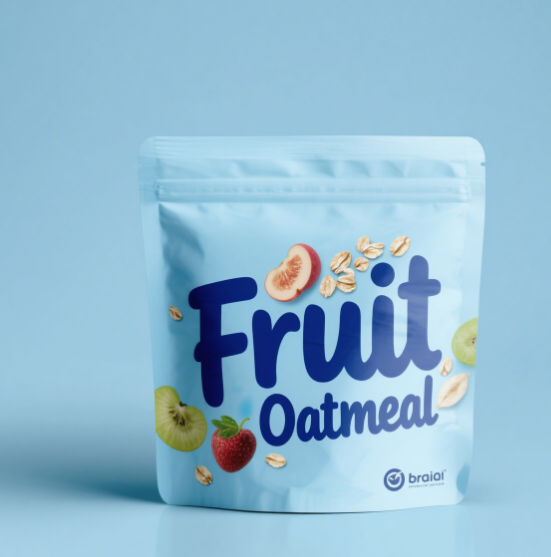
The packaging industry faces mounting pressure to embrace sustainable alternatives as environmental concerns reach critical levels. Companies worldwide are exploring compostable packaging solutions to reduce their ecological footprint and meet consumer demands for environmentally responsible products. However, transitioning from traditional packaging materials to compostable alternatives presents numerous challenges that organizations must carefully navigate to achieve successful implementation at scale.
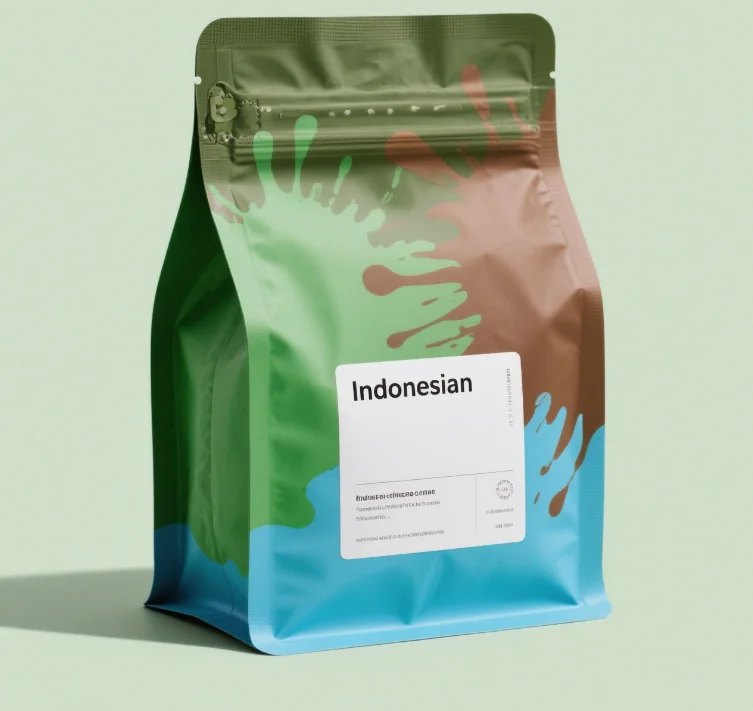
The shift toward sustainable packaging represents more than just an environmental initiative; it requires comprehensive strategic planning, significant investment, and careful consideration of multiple operational factors. Organizations must address technical limitations, cost implications, infrastructure requirements, and regulatory compliance while maintaining product quality and customer satisfaction throughout the transition process.
Technical and Material Limitations
Performance Constraints of Current Technologies
One of the most significant obstacles in scaling compostable packaging involves the inherent performance limitations of current biodegradable materials. Traditional plastic packaging offers superior barrier properties, durability, and shelf stability that many compostable alternatives struggle to match consistently. These performance gaps become particularly pronounced when packaging sensitive products that require extended shelf life or protection from moisture, oxygen, and other environmental factors.
Compostable packaging materials often exhibit varying degrees of mechanical strength, heat resistance, and chemical compatibility compared to conventional plastics. This variability creates challenges in maintaining consistent product protection across different storage conditions and transportation scenarios. Manufacturers must conduct extensive testing and validation processes to ensure their compostable packaging solutions meet the same protective standards as traditional materials.
The decomposition characteristics of compostable materials can also present unexpected challenges during storage and distribution. Some biodegradable packaging may begin breaking down prematurely when exposed to humidity, temperature fluctuations, or extended storage periods, potentially compromising product integrity before reaching consumers. This unpredictability requires careful material selection and enhanced quality control measures throughout the supply chain.
Limited Material Options and Customization
The current market for compostable packaging materials offers fewer options compared to traditional plastic alternatives, limiting customization possibilities for specific applications. This constraint affects product design flexibility, branding opportunities, and the ability to create unique packaging solutions that differentiate products in competitive markets. Companies may need to compromise on aesthetic preferences or functional requirements when selecting available compostable materials.
Specialized applications, such as packaging for chemicals, pharmaceuticals, or high-temperature products, face even greater limitations in available compostable alternatives. The development of new bio-based materials with enhanced properties remains an ongoing research challenge, requiring significant time and investment before viable solutions become commercially available at scale.
Manufacturing processes for compostable packaging often require different equipment settings, temperature controls, and processing parameters compared to conventional materials. This technical complexity can result in higher production variability, increased waste rates during manufacturing, and the need for specialized expertise to optimize production efficiency while maintaining quality standards.
Economic and Financial Barriers
Higher Initial Investment Costs
The transition to compostable packaging typically involves substantial upfront investments that can strain organizational budgets and impact short-term profitability. These costs encompass new equipment procurement, facility modifications, employee training programs, and extensive research and development initiatives to identify suitable material alternatives. Small and medium-sized enterprises often face particular challenges in securing the necessary capital for comprehensive packaging transitions.
Raw material costs for compostable packaging frequently exceed those of traditional plastic materials, creating ongoing operational cost increases that must be carefully managed. These premium pricing structures reflect the current scale limitations of bio-based material production, specialized manufacturing processes, and the research investments required to develop effective sustainable alternatives.
Return on investment calculations for compostable packaging initiatives often extend over longer time horizons compared to traditional packaging decisions. Organizations must consider factors such as brand value enhancement, regulatory compliance benefits, market positioning advantages, and potential future cost savings from improved sustainability practices when evaluating the financial viability of packaging transitions.
Supply Chain Cost Implications
Implementing compostable packaging at scale creates ripple effects throughout supply chain operations that can significantly impact overall costs. Transportation requirements may change due to different weight characteristics, stacking properties, or storage sensitivities of biodegradable materials. These modifications can affect logistics efficiency, shipping costs, and warehouse space utilization rates.
Inventory management becomes more complex with compostable packaging due to shorter shelf life considerations and storage condition requirements. Organizations may need to implement more frequent inventory turnover cycles, enhanced environmental controls, and specialized handling procedures that increase operational complexity and associated costs throughout the distribution network.
Quality assurance and testing protocols for compostable packaging often require more frequent monitoring and validation compared to traditional materials. These enhanced quality control measures, while necessary to ensure product integrity, contribute to increased operational costs and resource requirements across manufacturing and distribution operations.
Infrastructure and Supply Chain Challenges
Inadequate Composting Infrastructure
The successful adoption of compostable packaging depends heavily on the availability of appropriate composting infrastructure, which remains inadequate in many regions worldwide. Industrial composting facilities capable of processing certified compostable materials operate under specific temperature, humidity, and timeframe requirements that differ significantly from home composting conditions. The limited availability of these specialized facilities creates bottlenecks in the waste processing system that undermine the environmental benefits of compostable packaging.
Geographic distribution of composting facilities presents additional challenges for companies implementing compostable packaging solutions across multiple markets. Some regions may have well-developed composting infrastructure, while others lack adequate facilities entirely. This inconsistency complicates packaging strategy decisions and may require different approaches for different market segments, increasing operational complexity and costs.
Consumer education about proper disposal methods for compostable packaging remains insufficient in many markets, leading to contamination of recycling streams or improper waste handling that negates environmental benefits. Without clear disposal guidelines and accessible composting options, compostable packaging materials may end up in landfills where they cannot decompose properly, defeating their intended purpose.
Supply Chain Reliability and Scalability
The supply chain for compostable packaging materials faces significant scalability challenges that can impact reliability and cost predictability for large-scale implementations. Many bio-based material suppliers operate at smaller scales compared to traditional plastic manufacturers, creating potential supply constraints during periods of high demand or rapid market growth.
Raw material sourcing for compostable packaging often depends on agricultural inputs that may be subject to seasonal variations, crop yields, and competing demand from food production or other industrial applications. This dependence on natural resources can create supply volatility that affects material availability, pricing stability, and production planning for companies transitioning to compostable packaging solutions.
Quality consistency across different suppliers and production batches represents another significant challenge in scaling compostable packaging adoption. Variations in material properties, performance characteristics, and decomposition rates can create operational complications that require enhanced vendor management, quality control procedures, and inventory diversification strategies to maintain reliable supply chain operations.
Regulatory and Compliance Complexities
Certification and Standards Navigation
The regulatory landscape for compostable packaging involves navigating multiple certification standards, testing protocols, and compliance requirements that vary significantly across different markets and jurisdictions. Understanding and achieving compliance with standards such as ASTM D6400, EN 13432, and various national or regional certification programs requires specialized expertise and substantial testing investments that can delay product launches and increase development costs.
Certification processes for compostable packaging materials typically involve extensive testing periods, documentation requirements, and ongoing monitoring obligations that create administrative burdens for organizations. These requirements, while necessary to ensure environmental claims are valid, add complexity and cost to product development cycles and may require dedicated regulatory compliance resources within organizations.
International trade considerations become more complex with compostable packaging due to varying regulatory standards and acceptance criteria across different countries. Companies operating in global markets must navigate multiple certification requirements, import restrictions, and local compliance obligations that may require different packaging solutions for different geographic regions, increasing operational complexity and costs.
Evolving Legal Requirements
Regulatory frameworks governing compostable packaging continue evolving as governments implement new environmental protection measures and update existing legislation. These ongoing changes create uncertainty for long-term planning and may require organizations to modify their packaging strategies, reformulate materials, or adjust certification approaches to maintain compliance with emerging requirements.
Liability considerations related to environmental claims and packaging performance create additional legal complexities that organizations must address when implementing compostable packaging solutions. Companies must ensure their marketing communications, product labeling, and disposal instructions accurately represent the capabilities and limitations of their compostable packaging materials to avoid regulatory violations or consumer deception claims.
Extended producer responsibility regulations in various jurisdictions may impose additional obligations on companies using compostable packaging, including end-of-life management responsibilities, financial contributions to waste management systems, and reporting requirements that add operational complexity and ongoing compliance costs to packaging decisions.
Consumer Acceptance and Market Dynamics
Consumer Education and Behavior Challenges
Successfully scaling compostable packaging requires overcoming significant consumer education barriers and behavioral change challenges that can impact adoption rates and market success. Many consumers lack clear understanding of the differences between biodegradable, compostable, and recyclable materials, leading to confusion about proper disposal methods and skepticism about environmental claims.
Consumer willingness to pay premium prices for products with compostable packaging varies significantly across different market segments and demographic groups. Price sensitivity remains a major factor influencing purchasing decisions, particularly in competitive markets where traditional packaging alternatives are available at lower costs. Companies must carefully balance pricing strategies to maintain market competitiveness while recovering the additional costs associated with sustainable packaging materials.
Brand perception and marketing communication challenges arise when promoting compostable packaging benefits to consumers who may have experienced performance issues or disposal difficulties with previous sustainable packaging products. Building consumer confidence in compostable packaging requires consistent quality delivery, clear communication about proper usage and disposal, and ongoing education about environmental benefits.
Competitive Market Pressures
Market dynamics create competitive pressures that can complicate the adoption of compostable packaging at scale, particularly when competitors continue using traditional materials with lower costs and established performance characteristics. Companies making early investments in sustainable packaging may face short-term competitive disadvantages while market acceptance and infrastructure development catch up to support widespread adoption.
Retail partner requirements and shelf space considerations can influence packaging decisions, as retailers may have specific performance standards, aesthetic preferences, or cost constraints that affect their willingness to accept products with compostable packaging. Building retailer support for sustainable packaging initiatives requires demonstrating value propositions that extend beyond environmental benefits to include operational advantages and consumer appeal.
Industry standardization challenges create market fragmentation that can slow overall adoption rates for compostable packaging solutions. Without widespread industry alignment on material standards, certification requirements, and performance benchmarks, individual companies may struggle to achieve the scale necessary for cost-effective implementation while maintaining competitive positioning in their respective markets.
FAQ
What are the main cost factors driving higher expenses for compostable packaging
The primary cost factors include higher raw material prices compared to traditional plastics, specialized manufacturing equipment requirements, enhanced quality control procedures, and ongoing certification compliance expenses. Additionally, smaller production scales for bio-based materials result in less favorable economies of scale, while research and development investments for new sustainable materials contribute to overall cost premiums that organizations must absorb or pass along to consumers.
How can companies overcome supply chain reliability issues with compostable packaging materials
Companies can improve supply chain reliability by diversifying their supplier base across multiple geographic regions, establishing strategic partnerships with material producers, implementing flexible inventory management systems, and investing in supplier development programs. Long-term supply agreements, quality assurance protocols, and contingency planning for material shortages help maintain operational continuity while supporting supplier capacity expansion initiatives that benefit the entire industry.
What infrastructure developments are needed to support widespread compostable packaging adoption
Successful scaling requires significant expansion of industrial composting facilities, development of collection and sorting systems that can handle compostable materials separately from traditional waste streams, and implementation of consumer education programs about proper disposal methods. Additionally, standardized labeling systems, improved material identification technologies, and coordination between packaging manufacturers, waste management companies, and regulatory authorities are essential for creating effective end-of-life management systems.
How do regulatory requirements vary across different markets for compostable packaging
Regulatory requirements differ significantly across markets, with varying certification standards, testing protocols, labeling requirements, and disposal infrastructure mandates. European markets typically follow EN 13432 standards, while North American markets use ASTM D6400 certification, and other regions may have unique national standards or rely on international certifications. Companies operating globally must navigate these different requirements, potentially requiring multiple certifications and market-specific packaging solutions to ensure compliance across all operational territories.
Table of Contents
- Technical and Material Limitations
- Economic and Financial Barriers
- Infrastructure and Supply Chain Challenges
- Regulatory and Compliance Complexities
- Consumer Acceptance and Market Dynamics
-
FAQ
- What are the main cost factors driving higher expenses for compostable packaging
- How can companies overcome supply chain reliability issues with compostable packaging materials
- What infrastructure developments are needed to support widespread compostable packaging adoption
- How do regulatory requirements vary across different markets for compostable packaging