
 EN
EN



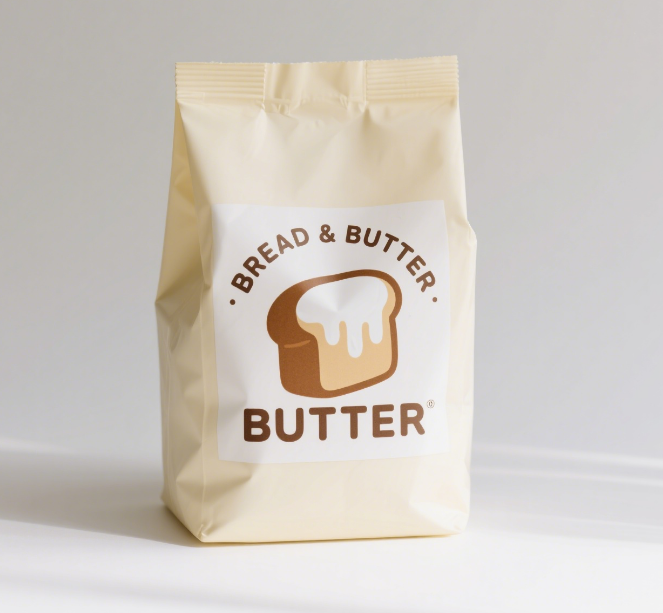
The growing environmental consciousness among consumers has sparked intense interest in sustainable packaging solutions, particularly home compostable packaging options that promise to break down in backyard composting systems. As businesses and individuals seek alternatives to traditional plastic packaging, understanding the science behind home composting and the realistic performance of these materials becomes crucial for making informed decisions.
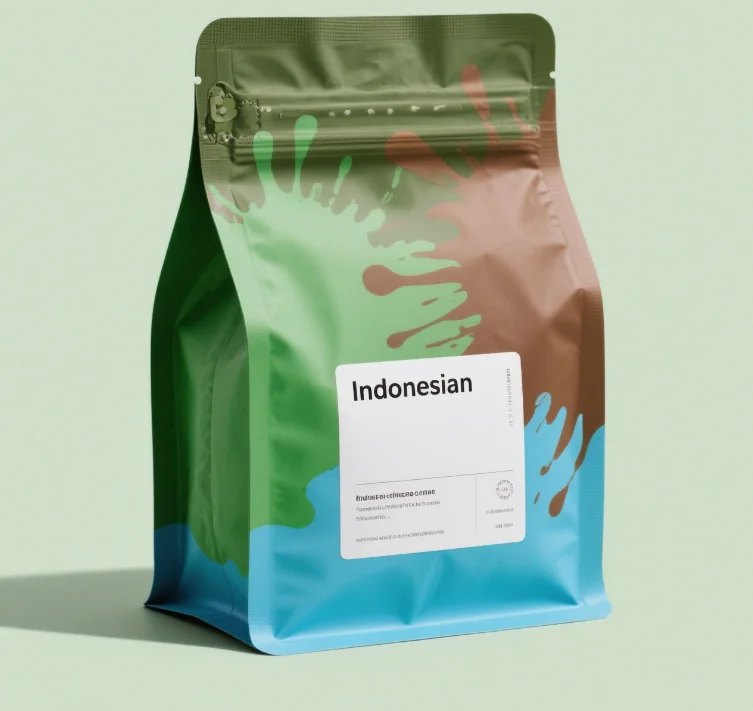
Modern packaging manufacturers have developed various materials claiming compatibility with home composting environments, yet the reality of decomposition rates and complete biodegradation varies significantly across different products and conditions. The complexity of home composting systems, combined with varying environmental factors, creates challenges in predicting the exact performance of home compostable packaging in real-world scenarios.
Understanding Home Composting Fundamentals
Essential Components of Backyard Composting
Successful home composting requires a delicate balance of organic materials, moisture levels, oxygen availability, and temperature regulation to create optimal conditions for microbial activity. The decomposition process depends heavily on maintaining proper carbon-to-nitrogen ratios, typically achieved through combining green materials like kitchen scraps with brown materials such as dried leaves or paper products.
Temperature plays a critical role in determining how effectively home compostable packaging will break down, with most backyard systems operating at lower temperatures compared to industrial composting facilities. While commercial composting operations can reach temperatures of 140-160°F, home composting systems typically maintain temperatures between 90-140°F, which significantly impacts decomposition timelines for packaging materials.
Microbial Activity and Environmental Factors
The microbial ecosystem within home compost systems varies considerably based on geographic location, seasonal changes, and maintenance practices employed by individual composters. These microscopic organisms serve as the primary agents responsible for breaking down home compostable packaging, requiring specific environmental conditions to thrive and effectively process synthetic materials.
Moisture content directly influences microbial activity levels, with optimal composting occurring when materials maintain 40-60% moisture content throughout the decomposition cycle. Excessive moisture can create anaerobic conditions that slow decomposition, while insufficient water levels prevent microorganisms from effectively processing home compostable packaging materials.
Material Science Behind Compostable Packaging
Biodegradable Polymer Composition
Most home compostable packaging utilizes plant-based polymers derived from renewable resources such as corn starch, sugarcane bagasse, or potato starch, engineered to break down under specific environmental conditions. These biopolymers undergo controlled degradation through enzymatic processes that occur naturally in composting environments, though the rate varies significantly based on molecular structure and additive components.
Manufacturing processes for home compostable packaging often incorporate biodegradable additives that accelerate decomposition under composting conditions while maintaining structural integrity during normal use and storage. Understanding these material compositions helps predict performance in home composting systems and set realistic expectations for decomposition timelines.
Certification Standards and Testing Protocols
Various certification bodies have established testing protocols specifically designed to evaluate the performance of home compostable packaging under controlled conditions that simulate backyard composting environments. These standards typically require complete biodegradation within 180 days under specific temperature, moisture, and aeration conditions.
The Biodegradable Products Institute and similar organizations provide certification programs that validate claims regarding home compostability, though these laboratory conditions may not perfectly replicate the variable conditions found in actual backyard composting systems. Understanding the limitations of these testing protocols helps consumers make informed decisions about packaging disposal methods.
Real-World Performance Factors
Climate and Geographic Considerations
Regional climate variations significantly impact the effectiveness of home compostable packaging degradation, with warmer, more humid environments generally providing better conditions for microbial activity and faster decomposition rates. Cold climates or areas with pronounced seasonal temperature variations may experience slower breakdown times, particularly during winter months when composting activity naturally decreases.
Soil composition and pH levels in different geographic regions affect the microbial populations present in home composting systems, which directly influences how effectively home compostable packaging materials are processed. Areas with naturally acidic or alkaline soils may require pH adjustments to optimize composting conditions for packaging degradation.
Maintenance and Management Practices
The frequency and quality of compost pile maintenance directly correlates with the successful breakdown of home compostable packaging materials, requiring regular turning, moisture monitoring, and temperature management. Neglected compost systems often fail to provide optimal conditions for packaging degradation, leading to incomplete breakdown or extended decomposition timelines.
Proper layering techniques and material ratios help ensure that home compostable packaging receives adequate exposure to microbial activity while maintaining appropriate oxygen levels throughout the compost pile. Experienced composters often report better success rates with packaging breakdown when following established maintenance schedules and monitoring protocols.
Comparing Home and Industrial Composting
Temperature and Processing Differences
Industrial composting facilities operate under controlled conditions with consistent high temperatures, mechanical turning systems, and optimized material ratios that accelerate the breakdown of home compostable packaging compared to backyard systems. These facilities can typically process compostable packaging within 90-180 days, while home systems may require 6-12 months or longer for complete degradation.
The controlled environment of industrial facilities allows for precise monitoring of factors affecting decomposition, including temperature profiles, moisture content, and oxygen levels, which are difficult to maintain consistently in home composting systems. This controlled processing explains why some packaging labeled as compostable performs better in industrial facilities than in backyard bins.
Scale and Efficiency Considerations
The larger scale of industrial composting operations creates thermal mass that helps maintain consistent temperatures favorable for breaking down home compostable packaging, while smaller home systems experience greater temperature fluctuations that can slow decomposition processes. Volume also affects the diversity and concentration of microbial populations available to process packaging materials.
Industrial facilities often supplement their operations with specific microbial inoculants designed to enhance the breakdown of synthetic materials, while home composters typically rely on naturally occurring microorganisms that may not be optimally suited for processing all types of home compostable packaging materials.
Practical Implementation Strategies
Optimizing Home Composting Systems
Creating optimal conditions for home compostable packaging breakdown requires strategic planning of compost system design, including proper sizing, ventilation, and material management protocols. Tumbling composters or multi-bin systems often provide better results than simple pile methods when processing synthetic packaging materials.
Pre-treatment of home compostable packaging, such as shredding or cutting into smaller pieces, significantly accelerates decomposition by increasing surface area available for microbial attack. Many successful home composters report improved results when packaging materials are prepared properly before addition to compost systems.
Monitoring and Troubleshooting
Regular monitoring of compost temperature, moisture levels, and material ratios helps identify conditions that may inhibit the breakdown of home compostable packaging, allowing for timely adjustments to optimize decomposition. Simple tools like compost thermometers and moisture meters can provide valuable data for system management.
Common issues affecting the breakdown of home compostable packaging include insufficient nitrogen sources, poor aeration, inadequate moisture, or temperature fluctuations that disrupt microbial activity. Understanding these factors enables composters to implement corrective measures that improve packaging degradation rates.
Environmental Impact and Sustainability
Carbon Footprint Considerations
The environmental benefits of home compostable packaging extend beyond waste reduction to include decreased transportation requirements and lower processing energy consumption compared to centralized waste management systems. Home composting of packaging materials reduces the carbon footprint associated with waste collection, transportation, and processing in industrial facilities.
Life cycle assessments of home compostable packaging demonstrate significant environmental advantages when materials successfully degrade in backyard systems, contributing organic matter to soil while eliminating packaging waste from traditional disposal streams. These benefits depend heavily on successful implementation of proper composting practices.
Soil Enhancement Benefits
Successfully composted home compostable packaging contributes valuable organic matter to finished compost, improving soil structure, water retention, and nutrient availability for plants. The integration of biodegradable packaging materials into compost systems can enhance the overall quality of finished compost when decomposition occurs completely.
Long-term soil health improvements result from the addition of properly composted materials, including breakdown products from home compostable packaging that provide slow-release nutrients and organic compounds beneficial for plant growth and soil microbiology.
FAQ
How long does home compostable packaging typically take to break down in backyard systems
Most home compostable packaging requires 6-12 months to fully decompose in properly maintained backyard composting systems, though this timeline varies significantly based on environmental conditions, packaging material composition, and composting practices. Factors such as temperature, moisture, material preparation, and compost maintenance directly influence decomposition rates.
What conditions are necessary for successful breakdown of home compostable packaging
Optimal conditions include maintaining compost temperatures between 90-140°F, moisture levels of 40-60%, adequate oxygen through regular turning, and proper carbon-to-nitrogen ratios. Additionally, cutting packaging into smaller pieces and ensuring good microbial diversity in the compost system significantly improves breakdown success rates.
Can all products labeled as compostable break down in home composting systems
Not all compostable packaging is designed for home composting systems, as many products require the higher temperatures and controlled conditions found in industrial composting facilities. Look specifically for certifications indicating home compostability, such as TUV Austria OK Compost Home or similar standards that verify performance under backyard conditions.
What should I do if home compostable packaging is not breaking down in my compost bin
First, check and adjust moisture levels, ensure adequate aeration through turning, and verify proper carbon-nitrogen ratios in your compost system. If packaging still does not decompose after 12-18 months under optimal conditions, remove it and dispose through appropriate waste management channels, as it may not be truly suitable for home composting despite labeling claims.
Table of Contents
- Understanding Home Composting Fundamentals
- Material Science Behind Compostable Packaging
- Real-World Performance Factors
- Comparing Home and Industrial Composting
- Practical Implementation Strategies
- Environmental Impact and Sustainability
-
FAQ
- How long does home compostable packaging typically take to break down in backyard systems
- What conditions are necessary for successful breakdown of home compostable packaging
- Can all products labeled as compostable break down in home composting systems
- What should I do if home compostable packaging is not breaking down in my compost bin