
 EN
EN



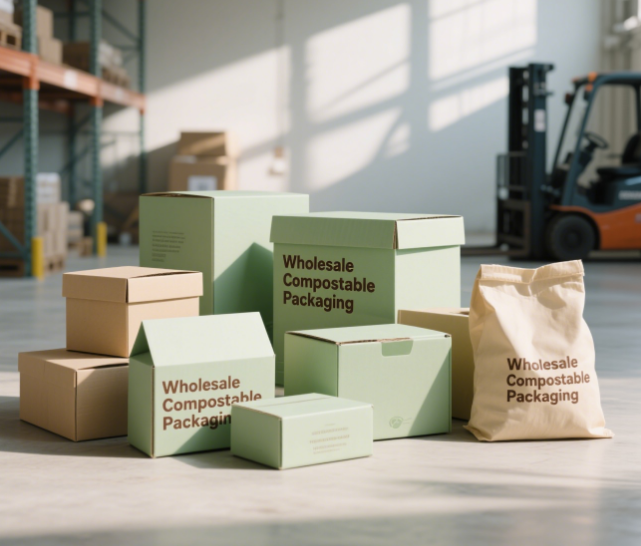
The packaging industry stands at a transformative crossroads as manufacturers and consumers alike demand sustainable solutions that match traditional materials in performance while delivering environmental benefits. The evolution toward compostable packaging represents one of the most significant shifts in modern packaging technology, driven by stringent regulations, environmental consciousness, and technological breakthroughs that are reshaping how products reach consumers. As we approach 2026, the landscape of sustainable packaging is experiencing unprecedented innovation, with next-generation materials offering enhanced barrier properties, improved shelf life, and complete biodegradability that meets both industrial and home composting standards.
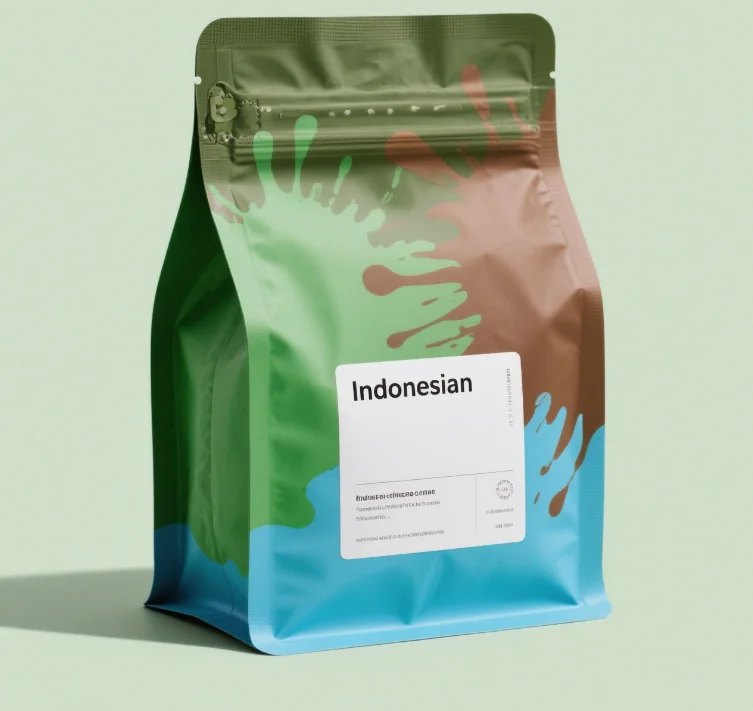
The global shift toward circular economy principles has accelerated the development of advanced compostable packaging solutions that address critical performance gaps historically associated with biodegradable materials. Leading manufacturers are investing heavily in research and development to create packaging formats that maintain product integrity while ensuring complete decomposition within specified timeframes. This technological advancement is particularly evident in food packaging applications where barrier properties, moisture resistance, and structural integrity remain paramount concerns for brand owners and retailers seeking sustainable alternatives without compromising product quality or consumer safety.
Revolutionary Material Science in Sustainable Packaging
Plant-Based Polymer Innovations
The foundation of next-generation compostable packaging lies in sophisticated plant-based polymers that exhibit remarkable performance characteristics previously unattainable in biodegradable materials. These advanced biopolymers, derived from agricultural waste streams and renewable resources, demonstrate exceptional tensile strength and flexibility while maintaining complete biodegradability under industrial composting conditions. Manufacturers are leveraging innovative extraction and processing techniques to enhance the molecular structure of these materials, resulting in packaging solutions that rival conventional plastics in durability and protective properties.
Recent developments in cellulose nanofiber technology have enabled the creation of composite materials that combine multiple plant-based components to achieve optimal performance profiles. These multi-layer structures incorporate specialized barrier coatings derived from natural waxes and proteins, creating compostable packaging solutions that effectively protect sensitive products from moisture, oxygen, and light exposure. The integration of these technologies allows manufacturers to produce flexible packaging formats that maintain product freshness throughout extended distribution cycles while ensuring complete decomposition in appropriate composting environments.
Advanced Barrier Technologies
The development of sophisticated barrier technologies represents a critical breakthrough in compostable packaging performance, addressing one of the primary limitations that previously restricted the adoption of biodegradable materials in demanding applications. These innovative barrier systems utilize microscopic layering techniques that create impermeable boundaries against moisture vapor transmission and oxygen permeability without relying on synthetic polymers or non-biodegradable additives. The precision engineering involved in these barrier technologies ensures that compostable packaging can protect sensitive products including pharmaceuticals, electronics components, and premium food items that require extended shelf stability.
Nanotechnology applications have enabled the incorporation of naturally derived barrier enhancers that significantly improve the protective properties of compostable packaging materials. These nano-scale additives, sourced from mineral clays and organic compounds, create tortuous pathways that effectively block gas transmission while maintaining the biodegradable characteristics essential for composting certification. The resulting packaging solutions demonstrate performance metrics that often exceed conventional materials in specific applications, particularly in high-humidity environments where traditional plastics may experience degradation or performance limitations.
Market Dynamics and Industry Adoption Trends
Regulatory Framework Evolution
The regulatory landscape governing packaging materials has undergone substantial transformation as governments worldwide implement comprehensive legislation targeting single-use plastics and non-biodegradable packaging formats. These regulatory changes are creating compelling market incentives for businesses to adopt compostable packaging solutions that comply with emerging environmental standards while meeting consumer expectations for sustainable practices. The implementation of extended producer responsibility programs across multiple jurisdictions is further accelerating the adoption of biodegradable packaging alternatives as companies seek to minimize their environmental liability and regulatory compliance costs.
Certification standards for compostable packaging have become increasingly sophisticated, with organizations such as the Biodegradable Products Institute and European Bioplastics Association establishing rigorous testing protocols that ensure materials meet specific decomposition timeframes and safety requirements. These standardization efforts provide manufacturers and consumers with confidence in the performance and environmental benefits of certified compostable packaging products. The harmonization of international standards is facilitating global trade in sustainable packaging materials while ensuring consistent quality and environmental performance across different markets and applications.
Supply Chain Integration Strategies
The successful implementation of compostable packaging requires comprehensive supply chain modifications that address material sourcing, manufacturing processes, distribution logistics, and end-of-life management systems. Forward-thinking companies are developing integrated approaches that consider the entire lifecycle of compostable packaging materials, from raw material procurement through consumer use and ultimate disposal in appropriate composting facilities. These holistic strategies require collaboration between packaging manufacturers, brand owners, distributors, waste management companies, and composting facilities to ensure seamless integration and optimal environmental outcomes.
Investment in specialized manufacturing equipment and quality control systems represents a significant consideration for companies transitioning to compostable packaging production. The unique processing requirements of biodegradable materials necessitate modifications to existing production lines or installation of dedicated equipment designed specifically for handling plant-based polymers and natural additives. These capital investments are increasingly justified by long-term market trends favoring sustainable packaging solutions and the potential for premium pricing associated with environmentally responsible products that appeal to conscious consumers and corporate sustainability initiatives.
Performance Optimization and Technical Applications
Shelf Life Enhancement Techniques
Achieving extended shelf life performance in compostable packaging requires sophisticated engineering approaches that balance biodegradability with protective functionality during the intended use phase. Advanced formulation techniques incorporate natural antioxidants and antimicrobial agents derived from plant extracts and essential oils to enhance product preservation without compromising the compostable characteristics of the packaging material. These bio-based preservation systems demonstrate effectiveness comparable to synthetic additives while maintaining complete biodegradability and consumer safety profiles that meet stringent food contact regulations.
The optimization of package design parameters including thickness profiles, sealing configurations, and structural geometry contributes significantly to the performance of compostable packaging in real-world applications. Engineers utilize advanced modeling software to predict material behavior under various storage and transportation conditions, enabling the development of package formats that maximize protection while minimizing material usage and environmental impact. These design optimization strategies result in compostable packaging solutions that efficiently utilize resources while delivering superior performance in demanding distribution environments.
Specialized Application Development
The versatility of modern compostable packaging materials enables their application across diverse industry sectors including food service, retail packaging, e-commerce fulfillment, and industrial applications where biodegradability provides distinct advantages over conventional materials. Specialized formulations tailored for specific applications incorporate targeted additives and processing modifications that enhance particular performance characteristics such as temperature resistance, chemical compatibility, or mechanical strength requirements. These application-specific developments demonstrate the maturity of compostable packaging technology and its readiness for widespread commercial deployment across multiple market segments.
Innovation in printing and labeling technologies compatible with compostable packaging substrates has expanded the possibilities for brand differentiation and consumer communication while maintaining complete biodegradability of the finished package. Water-based inks and biodegradable adhesives enable high-quality graphics and product information display without compromising the composting performance of the packaging material. These technical advances ensure that brands can maintain their visual identity and marketing effectiveness while transitioning to sustainable packaging solutions that align with corporate environmental commitments and consumer preferences.
Economic Considerations and Market Outlook
Cost Structure Analysis
The economic viability of compostable packaging continues to improve as production volumes increase and manufacturing processes become more efficient through technological advancement and economies of scale. While initial adoption may involve premium pricing compared to conventional materials, the total cost of ownership calculation increasingly favors compostable packaging when considering regulatory compliance costs, waste management fees, and brand value enhancement associated with sustainable packaging choices. Market analysts project continued convergence between compostable packaging costs and traditional materials as demand growth drives further investment in production capacity and process optimization.
Return on investment calculations for compostable packaging adoption must account for multiple value drivers including risk mitigation from regulatory changes, enhanced brand positioning in sustainability-conscious markets, and potential cost savings from simplified waste stream management. Companies implementing compostable packaging strategies report positive impacts on consumer perception and brand loyalty metrics that translate into tangible business value beyond direct material cost comparisons. These broader economic benefits support the business case for transitioning to compostable packaging even when direct material costs remain at premium levels compared to conventional alternatives.
Investment and Innovation Funding
Venture capital and private equity investment in compostable packaging technology has reached unprecedented levels as investors recognize the substantial market opportunity created by regulatory mandates and consumer demand for sustainable solutions. This funding influx is accelerating research and development efforts while enabling rapid scaling of production capacity to meet growing market demand. Government incentive programs and sustainability-focused investment initiatives provide additional financial support for companies developing innovative compostable packaging technologies and manufacturing capabilities.
Strategic partnerships between packaging manufacturers, material suppliers, and end-user companies are facilitating knowledge transfer and risk sharing that accelerates the development and commercialization of advanced compostable packaging solutions. These collaborative approaches enable smaller innovative companies to access the resources and market channels necessary for successful product launch while allowing established manufacturers to incorporate cutting-edge technologies into their product portfolios. The resulting ecosystem of innovation and collaboration is driving rapid advancement in compostable packaging performance and market availability.
Future Technology Roadmap and Industry Projections
Emerging Material Technologies
The next wave of compostable packaging innovations will likely incorporate advanced biotechnology applications including engineered microorganisms and synthetic biology approaches that enable precise control over material properties and decomposition characteristics. These emerging technologies promise to deliver compostable packaging materials with programmable degradation profiles that can be tailored for specific applications and disposal environments. Research initiatives exploring these frontier technologies are already demonstrating promising results in laboratory settings, suggesting commercial availability within the next five years as regulatory frameworks evolve to accommodate biotechnology-derived packaging materials.
Smart packaging concepts integrating biodegradable sensors and indicators represent another frontier in compostable packaging development, enabling real-time monitoring of product condition and package integrity throughout the supply chain. These intelligent packaging systems utilize organic electronics and bio-based sensors that maintain functionality during the product use phase while decomposing completely during composting processes. The integration of smart technologies with compostable packaging materials opens new possibilities for supply chain optimization and consumer engagement while maintaining environmental sustainability objectives.
Global Market Expansion Projections
Market research indicates that the global compostable packaging market will experience compound annual growth rates exceeding twenty percent through 2030 as regulatory pressures intensify and consumer preferences increasingly favor sustainable alternatives. Geographic expansion of compostable packaging adoption is expected to accelerate in developing markets as infrastructure for composting and waste management improves alongside growing environmental awareness and regulatory development. This global expansion will drive further economies of scale and technological advancement that benefit all market participants and consumers seeking sustainable packaging solutions.
Industry consolidation and vertical integration trends are reshaping the competitive landscape as major packaging companies acquire innovative startups and develop comprehensive portfolios of compostable packaging solutions. These strategic moves enable established companies to rapidly expand their sustainable packaging capabilities while providing emerging technology companies with the resources necessary for large-scale commercialization. The resulting market structure will likely feature a combination of specialized technology providers and integrated packaging manufacturers offering complete sustainable packaging solutions to meet diverse customer requirements and applications.
FAQ
What certifications should I look for when selecting compostable packaging materials
When selecting compostable packaging materials, prioritize products certified by recognized organizations such as the Biodegradable Products Institute, which provides ASTM D6400 and D6868 certifications for compostable packaging in North America, or European EN 13432 certification for products intended for European markets. These certifications ensure that packaging materials will decompose completely within specified timeframes under industrial composting conditions while meeting safety requirements for compost quality. Additionally, look for certifications indicating compliance with FDA food contact regulations if the packaging will be used for food products, and verify that the certification covers the specific application and disposal environment where the packaging will be used.
How does the performance of compostable packaging compare to traditional plastic packaging
Modern compostable packaging materials demonstrate performance characteristics that often match or exceed traditional plastic packaging in many applications, particularly regarding moisture barrier properties, puncture resistance, and shelf life protection for dry goods and many food products. However, performance varies significantly based on specific material formulations and application requirements, with some compostable materials excelling in certain properties while requiring design modifications to achieve equivalent performance in others. The key is selecting appropriately engineered compostable packaging materials that are specifically designed for the intended application rather than assuming all biodegradable materials will perform identically to conventional plastics in every situation.
What infrastructure is required for proper composting of certified compostable packaging
Proper composting of certified compostable packaging requires industrial composting facilities that maintain specific temperature, moisture, and oxygen conditions necessary for complete biodegradation within the certified timeframes, typically 90 to 180 days depending on the material and certification standard. Most home composting systems do not achieve the consistently high temperatures required for complete decomposition of industrial compostable packaging materials, although some materials are specifically certified for home composting applications. Successful composting infrastructure includes proper collection systems to separate compostable materials from conventional waste streams, transportation to appropriate facilities, and quality control measures to ensure compost output meets agricultural and horticultural standards for safe use.
What factors should businesses consider when transitioning to compostable packaging solutions
Businesses considering the transition to compostable packaging should evaluate multiple factors including regulatory compliance requirements in their target markets, consumer disposal infrastructure availability, supply chain modifications needed for material sourcing and manufacturing, and total cost implications including material costs, equipment modifications, and potential waste management savings. Additionally, companies should assess the compatibility of compostable packaging with existing product formulations and shelf life requirements, evaluate supplier capabilities and reliability for consistent material supply, and develop consumer education strategies to ensure proper disposal and maximize environmental benefits. Successful transitions often require phased implementation approaches that allow for testing and optimization before full-scale deployment across all product lines and markets.
Table of Contents
- Revolutionary Material Science in Sustainable Packaging
- Market Dynamics and Industry Adoption Trends
- Performance Optimization and Technical Applications
- Economic Considerations and Market Outlook
- Future Technology Roadmap and Industry Projections
-
FAQ
- What certifications should I look for when selecting compostable packaging materials
- How does the performance of compostable packaging compare to traditional plastic packaging
- What infrastructure is required for proper composting of certified compostable packaging
- What factors should businesses consider when transitioning to compostable packaging solutions