
 EN
EN



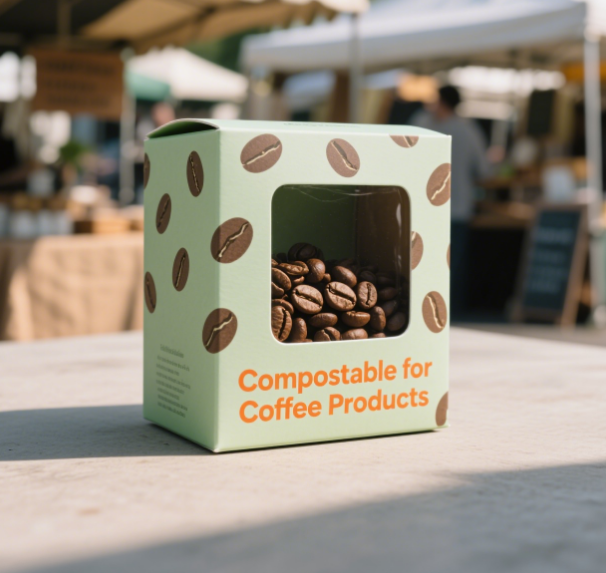
Over the past decade, the conversation around sustainability has shifted from a niche concern to a central business imperative. Brands across every industry are under increasing pressure from consumers, regulators, and supply chain partners to reduce their environmental footprint. At the heart of this transformation is compostable packaging — a material solution that goes beyond simply reducing waste and actively contributes to a circular economy. As eco-friendly products multiply in the marketplace, the demand for packaging that aligns with those values has never been stronger.
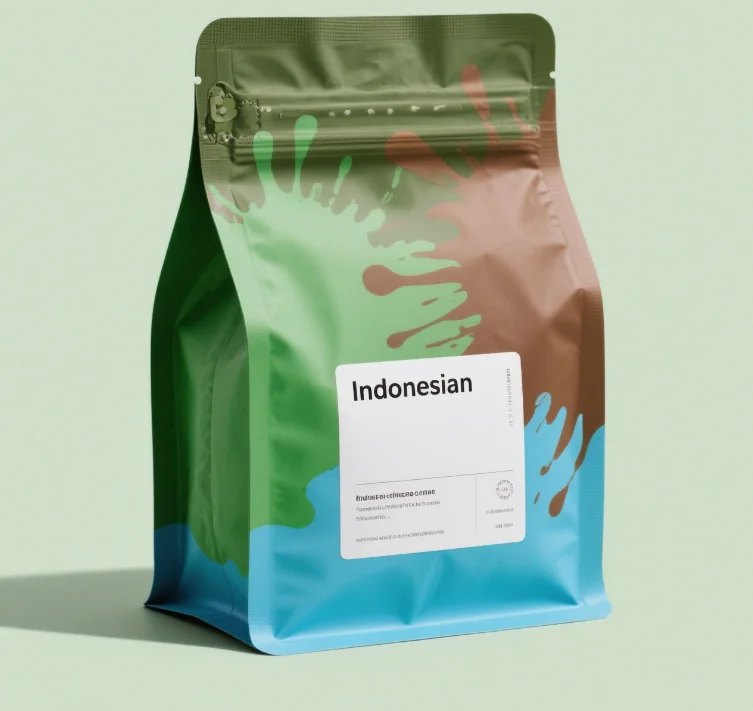
Understanding why compostable packaging is becoming essential requires looking at multiple converging forces — from environmental science and consumer psychology to regulatory frameworks and brand strategy. It is not simply a trend driven by marketing appeal. Instead, it reflects a fundamental rethinking of how packaging materials should behave at the end of their useful life. For businesses offering eco-friendly products, the packaging they choose is increasingly seen as inseparable from the product's identity and value proposition.
The Environmental Imperative Behind Compostable Packaging
The Problem with Conventional Packaging at End of Life
Traditional plastic packaging, even when labeled as recyclable, often ends up in landfills or the natural environment due to limitations in recycling infrastructure. Many plastics require specific conditions and sorting processes that are simply not available in most municipalities. As a result, packaging waste continues to accumulate in ecosystems, contributing to microplastic pollution in soil and water systems. This persistent environmental damage is precisely what makes compostable packaging so significant — it is designed to biodegrade under the right conditions, leaving no harmful residue behind.
Compostable packaging breaks down through natural biological processes, typically in industrial composting facilities or, in some cases, in home compost environments. The materials return to organic matter, enriching the soil rather than contaminating it. For brands selling eco-friendly products, this end-of-life story is not just environmentally sound — it is a compelling part of the brand narrative they can share with consumers. The packaging itself becomes a demonstration of values.
Carbon Footprint Reduction Across the Supply Chain
The environmental benefits of compostable packaging extend beyond disposal. Many compostable materials are derived from renewable bio-based sources such as cornstarch, sugarcane bagasse, or plant-based cellulose. Compared to petroleum-derived plastics, these materials generally have a lower carbon footprint during production. For companies with sustainability commitments that include Scope 3 emissions — those generated across the supply chain — switching to compostable packaging can make a measurable contribution to carbon reduction goals.
The lifecycle assessment of compostable packaging consistently highlights its advantage in scenarios where organic waste management systems are in place. When these materials are composted correctly, they contribute to creating compost that sequesters carbon and reduces the need for synthetic fertilizers. This upstream and downstream environmental benefit is a key reason why eco-conscious brands are actively making the transition to compostable packaging as a strategic environmental investment rather than a token gesture.
Consumer Demand and Market Alignment
How Consumer Values Are Reshaping Purchasing Decisions
Modern consumers, particularly in the millennial and Gen Z demographics, have demonstrated a strong preference for brands that reflect their environmental values. Studies and market research consistently show that a significant portion of consumers are willing to pay a premium for products that come in sustainable packaging. For eco-friendly product brands, this creates a powerful alignment opportunity — compostable packaging does not just reduce environmental harm, it actively communicates a brand's commitment to sustainability at the first point of physical contact.
The tactile and visual experience of compostable packaging also plays an important role. Many compostable materials have a natural, organic aesthetic that resonates with consumers of eco-friendly products, from organic teas and health foods to natural cosmetics and artisanal goods. The packaging itself signals authenticity. When customers can see and feel that the packaging is made from plant-based or naturally derived materials, it reinforces trust in the product inside. Compostable packaging, in this sense, is not just functional — it is a silent brand ambassador.
The Role of Transparency and Eco-Labeling
As sustainability claims have proliferated, consumer skepticism about greenwashing has also grown. Certification standards for compostable packaging — such as those from the Biodegradable Products Institute (BPI) in the United States or the European EN 13432 standard — provide verifiable proof that a packaging product meets defined compostability criteria. For eco-friendly brands, using certified compostable packaging and clearly communicating that certification on the label is a powerful trust-building tool. It separates genuine commitment from superficial claims.
Transparency around packaging choices is increasingly expected, not optional. Brands that can explain exactly how their compostable packaging is produced, what it is made from, and how consumers should dispose of it are far better positioned to build lasting loyalty. In markets where educated consumers actively research product ethics, detailed packaging information can be a decisive differentiator. Compostable packaging, when backed by certification and clear communication, gives brands a substantive sustainability story to tell.
Regulatory Drivers and the Business Case for Early Adoption
Global Regulatory Trends Favoring Sustainable Packaging
Regulations targeting single-use plastics and non-sustainable packaging are being enacted across the European Union, the United Kingdom, Canada, and several U.S. states, among other regions. The EU's Single-Use Plastics Directive has already banned many conventional plastic items and is pushing extended producer responsibility frameworks that make brands financially accountable for the end-of-life management of their packaging. For businesses selling into international markets, anticipating these changes by adopting compostable packaging now is a pragmatic risk-management strategy.
Beyond bans, many jurisdictions are introducing incentives for sustainable packaging through tax benefits, reduced landfill fees, or preferential procurement policies. Brands using certified compostable packaging may benefit from these incentives directly or gain preferred supplier status with retail partners who have their own sustainability procurement policies. The regulatory landscape is moving clearly in one direction, and early adoption of compostable packaging positions businesses favorably for compliance while avoiding costly reformulation in the future.
Supply Chain and Retailer Pressure as an Adoption Driver
Large retailers and distribution platforms with sustainability commitments are beginning to make eco-friendly packaging a condition of supplier relationships. Major grocery chains, online marketplaces, and natural food retailers have introduced or are developing packaging standards that prioritize compostable, recyclable, or minimal-waste options. For smaller eco-friendly brands that depend on these distribution channels, switching to compostable packaging can be the key to maintaining or expanding retail access.
The B2B dimension of compostable packaging adoption is often underestimated. When one company in a supply chain makes the shift, it creates downstream pressure and opportunity for others to follow. Ingredient suppliers, co-manufacturers, and logistics partners are all beginning to align their own sustainability metrics. Compostable packaging becomes not just a consumer-facing choice but an operational signal that a brand is serious about integrating sustainability at every level of its business model.
Practical Applications in Eco-Friendly Product Categories
Food and Beverage: A Primary Use Case
The food and beverage sector is one of the most active adopters of compostable packaging, and for good reason. Products like organic teas, health snacks, coffee, and specialty foods carry a strong sustainability expectation from their target consumers. For these products, using a compostable packaging solution — such as a food-grade stand-up pouch made from biodegradable materials — directly reinforces the product's natural and clean positioning. The packaging format must also offer practical performance, including moisture resistance, barrier properties, and resealability, which modern compostable materials increasingly deliver.
Compostable stand-up pouches with zipper closures, for example, are gaining traction in the specialty tea and coffee market because they combine the functional benefits of flexible packaging with a credible sustainability story. Consumers can reseal the pouch to preserve freshness, and when the product is finished, the packaging can be composted rather than sent to landfill. This combination of function and responsibility is exactly what eco-friendly product brands need from their packaging partners. Compostable packaging in this context is not a compromise — it is an upgrade.
Health, Beauty, and Lifestyle Products
Beyond food, the personal care and lifestyle product categories are rapidly expanding their use of compostable packaging. Natural cosmetics, herbal supplements, aromatherapy products, and organic skincare brands have built audiences who scrutinize every ingredient and material choice. For these consumers, seeing non-sustainable packaging is a contradiction that undermines the brand's core message. Compostable packaging allows these brands to present a fully coherent product experience — natural inside and out.
The versatility of compostable materials has expanded significantly in recent years. Custom printing, structural variety, and barrier performance have all improved, making it feasible for lifestyle brands to use compostable packaging across multiple SKUs and product types without sacrificing shelf appeal or product protection. As more manufacturers invest in developing compostable material science, the cost and performance gap with conventional plastics continues to narrow, further accelerating adoption across these consumer categories.
Overcoming Challenges in Transitioning to Compostable Packaging
Cost Considerations and Scaling Strategies
One of the most frequently cited barriers to adopting compostable packaging is cost. Bio-based and compostable materials have historically carried a price premium compared to conventional plastics, particularly for smaller brands with limited purchasing volume. However, this cost differential is narrowing as production scales up globally and more suppliers enter the market. For brands that calculate the full business value — including consumer goodwill, retailer alignment, regulatory readiness, and differentiation — the case for investment in compostable packaging becomes considerably stronger.
Scaling strategies can help manage cost transition. Brands might begin by introducing compostable packaging for their flagship or premium product lines, where the price premium is easiest to absorb and communicate. As volumes increase and supplier relationships mature, the unit cost typically decreases. Working with packaging suppliers who specialize in compostable materials and offer customization options can also provide efficiency gains that reduce the per-unit cost of compostable packaging at smaller minimum order quantities.
Consumer Education and Disposal Infrastructure
Compostable packaging only delivers its environmental benefit when disposed of correctly. One practical challenge is that many consumers are unaware of the difference between compostable and recyclable materials, or lack access to industrial composting facilities. Brands have a responsibility to include clear disposal instructions on their compostable packaging and to support consumer education through their communications channels. This is not a reason to avoid compostable packaging — it is an invitation to deepen the brand-consumer relationship around shared sustainability values.
As composting infrastructure improves — driven by municipal programs, retailer take-back initiatives, and growing consumer awareness — the practical effectiveness of compostable packaging as an environmental solution will continue to improve. Forward-thinking brands that adopt compostable packaging now are positioning themselves as infrastructure-ready, able to deliver the full environmental benefit of their packaging choices as the composting ecosystem matures around them. The transition may require patience, but the directional alignment with where the market and regulations are heading is clear.
FAQ
What is the difference between compostable packaging and biodegradable packaging?
Compostable packaging meets specific standards for breaking down into non-toxic organic matter within a defined timeframe under composting conditions. Biodegradable packaging is a broader term that simply means a material can break down biologically, but it does not specify how long the process takes or what residues may be left behind. Certified compostable packaging, verified by standards such as EN 13432 or BPI, provides more reliable and environmentally meaningful end-of-life performance than uncertified biodegradable claims.
Is compostable packaging suitable for food contact applications?
Yes, many compostable packaging formats are specifically designed and certified for food contact use. Food-grade compostable packaging materials undergo testing to ensure they do not leach harmful substances into food and can withstand relevant storage conditions. Products like compostable stand-up pouches for dry goods such as tea, coffee, and snacks are widely used in the food industry and combine compostability with the moisture and barrier performance required for safe food packaging.
How does compostable packaging support a brand's eco-friendly positioning?
Compostable packaging provides a tangible and verifiable expression of a brand's sustainability commitment. Unlike vague claims about being green or natural, certified compostable packaging gives consumers concrete evidence of environmental responsibility. It aligns the brand's physical presentation with its stated values, reinforces consumer trust, and differentiates the product in increasingly competitive eco-friendly markets. For brands targeting sustainability-conscious consumers, compostable packaging is one of the most direct ways to demonstrate that their commitment extends beyond the product formulation to every aspect of the product experience.
Can compostable packaging be customized for branding purposes?
Absolutely. Modern compostable packaging solutions support a wide range of customization options including custom printing, structural formats such as stand-up pouches and flat bags, zipper closures, and various size configurations. Advances in printing technology compatible with compostable substrates mean that brands do not need to sacrifice visual impact or design quality when choosing sustainable materials. Customized compostable packaging allows brands to maintain strong shelf presence and brand identity while fully committing to their sustainability goals.