
 EN
EN



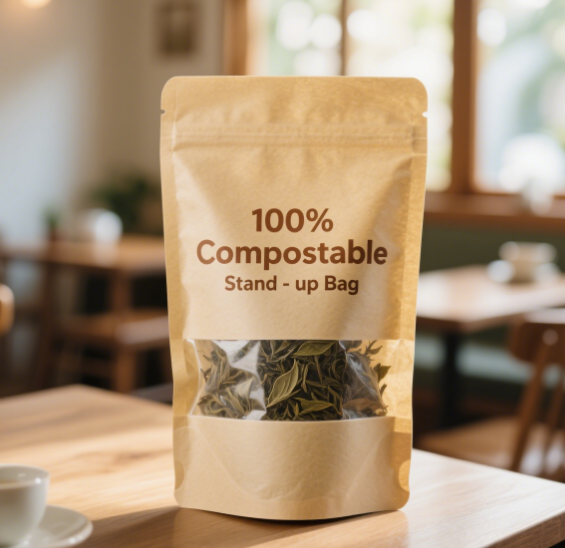
The global push toward environmental responsibility has fundamentally changed how businesses think about their product presentation. Brands across food, beverage, personal care, and retail sectors are under increasing pressure from consumers, regulators, and investors to demonstrate genuine commitment to sustainability. Among the most practical and impactful strategies available today, compostable packaging stands out as a solution that goes well beyond superficial greenwashing — it represents a measurable, science-backed approach to reducing packaging waste at the source.
For brands working to align their operations with circular economy principles, compostable packaging offers a direct, credible pathway. Rather than simply shifting from one type of plastic to another, compostable materials are designed to break down naturally through biological processes, returning nutrients to the soil rather than leaving microplastics in landfills or oceans. Understanding how this type of packaging works, why it supports broader sustainability goals, and how it fits into real-world brand strategy is essential for any business serious about long-term environmental impact.
The Mechanics Behind Compostable Packaging
What Makes a Material Truly Compostable
Not all eco-friendly packaging is created equal, and the term compostable has a specific scientific meaning that distinguishes it from biodegradable or recyclable alternatives. Compostable packaging is made from organic materials — such as plant-based PLA (polylactic acid), cellulose, starch-based films, or natural fibers — that break down completely under composting conditions within a defined timeframe, typically 90 to 180 days in industrial composting facilities. The end result is carbon dioxide, water, and biomass, with no toxic residues left behind.
Standards such as EN 13432 in Europe and ASTM D6400 in North America certify that compostable packaging meets rigorous criteria for disintegration rate, absence of harmful chemicals, and soil safety. These certifications are critical because they provide brands with credible, verifiable proof that their packaging claim holds up under independent testing. Without such certification, sustainability claims can easily become greenwashing liabilities rather than brand assets.
Industrial compostable packaging differs from home compostable materials. Industrial variants require higher temperatures and controlled humidity conditions typically only found in commercial composting facilities. Home compostable options break down in ambient garden conditions, making them more accessible for end consumers but often involving a slightly different material composition. Brands need to understand which format aligns with their target market's composting infrastructure before committing to a packaging solution.
From Raw Material to Finished Package
The production of compostable packaging typically begins with agricultural byproducts or purpose-grown biomass crops. Corn starch, sugarcane bagasse, cassava, and bamboo are among the most commonly used base materials. These feedstocks are processed into films, foams, or rigid structures that can replicate many of the protective, moisture-resistant, and barrier properties previously associated only with petroleum-based plastics.
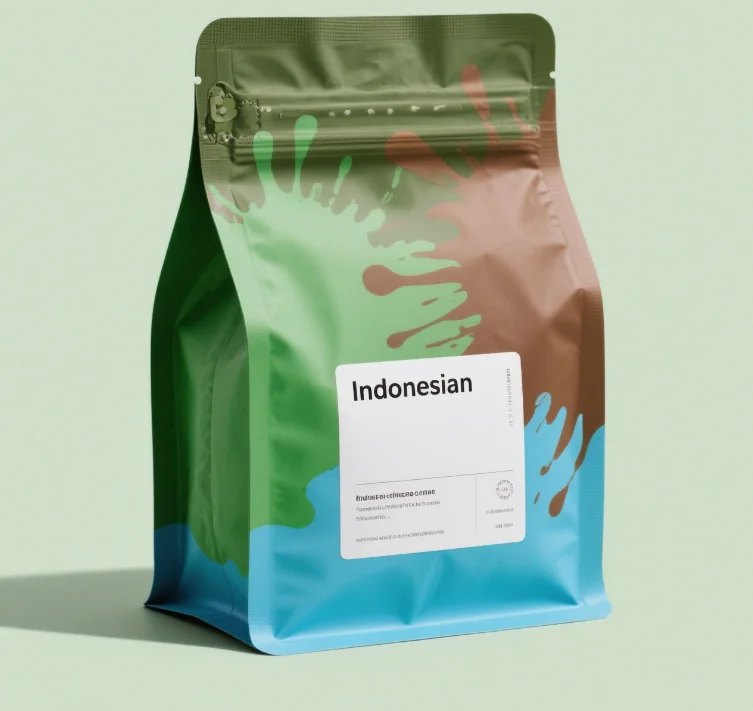
Modern compostable packaging solutions such as stand-up pouches with zip closures and square bottom designs demonstrate that compostable materials can meet the functional demands of food-grade applications without sacrificing shelf appeal or barrier performance. The combination of biodegradable kraft paper with compostable inner liners, for example, provides grease resistance, moisture control, and structural integrity while remaining fully end-of-life compliant with composting pathways.
Manufacturing processes for compostable packaging have matured significantly over the past decade. Advances in lamination technology, printing compatibility, and sealing methods mean that brands no longer have to choose between environmental performance and premium presentation. High-quality custom printing, matte or glossy finishes, and design flexibility now apply equally to compostable formats, removing a historically common barrier to adoption.
How Compostable Packaging Directly Supports Sustainability Goals
Closing the Loop on Packaging Waste
One of the most fundamental sustainability goals for any brand is achieving a circular approach to materials — ensuring that the resources used in packaging return to productive use rather than accumulating as waste. Compostable packaging directly enables this circular loop by converting packaging waste into compost, a valuable soil amendment that supports agricultural productivity. This is a fundamentally different outcome compared to recycling, which often results in downcycled materials, or landfilling, which generates methane and offers no resource recovery.
Brands that switch to compostable packaging can legitimately claim they are contributing to soil health and reducing the volume of waste sent to landfill. This is especially relevant for food brands, where packaging is frequently contaminated with food residue and therefore unsuitable for conventional recycling. Compostable packaging sidesteps this contamination problem entirely, because organic food residue actually supports rather than hinders the composting process.
The waste reduction impact of compostable packaging is not merely theoretical. Cities and regions with active food waste composting programs are increasingly accepting compostable packaging as part of their organic waste streams, enabling consumers to divert both food scraps and certified compostable packaging into the same bin. This practical integration dramatically increases the real-world diversion rate of packaging from landfill compared to recyclable alternatives that require separate, clean stream collection.
Meeting Regulatory and Corporate Sustainability Commitments
Regulatory environments in the European Union, United Kingdom, California, and multiple other jurisdictions are actively mandating reductions in single-use plastics and establishing compostability as an accepted compliance pathway. Brands operating in these markets increasingly find that compostable packaging is not just a positive choice but a regulatory necessity. Early adoption of compostable packaging positions brands ahead of compliance deadlines and protects against the operational disruption of last-minute material switches.
For publicly listed companies or brands reporting under ESG (Environmental, Social, and Governance) frameworks, compostable packaging provides concrete, quantifiable metrics for reporting purposes. Reduced reliance on fossil fuel-derived materials, lower carbon footprint per package, and verifiable end-of-life outcomes all contribute to stronger ESG scores and more credible sustainability disclosures. These metrics matter to institutional investors, procurement departments of major retailers, and corporate clients with their own supply chain sustainability targets.
Many brands have adopted Science Based Targets (SBTi) or have committed to specific packaging sustainability milestones as part of voluntary pledges such as the Ellen MacArthur Foundation's Global Commitment. Compostable packaging is consistently cited within these frameworks as a valid strategy for reducing packaging-related emissions and material footprint. Aligning packaging procurement with these commitments gives brands a coherent, evidence-based story to tell across all stakeholder communications.
Brand Differentiation and Consumer Trust Through Compostable Packaging
Communicating Sustainability Authentically
Consumer skepticism toward green claims is at an all-time high. Research consistently shows that buyers are willing to support sustainable brands but are increasingly able to identify and penalize vague or misleading environmental messaging. Compostable packaging, particularly when backed by third-party certification marks such as the Seedling logo or BPI certification, offers brands a transparent, substantiated claim that resonates with informed consumers.
Unlike claims such as eco-friendly or green packaging, which carry no standardized definition, the term compostable has a regulated meaning in most markets and is supported by internationally recognized testing standards. Brands that use certified compostable packaging can point to the certification body, the standard met, and the specific test criteria as proof of their claim. This level of transparency is exactly what today's sustainability-conscious consumer demands, and it builds the kind of trust that translates into repeat purchase and brand loyalty.
Packaging design plays a key role in communicating the compostable story on shelf. The use of natural textures, earth tones, and kraft paper aesthetics combined with clear on-pack messaging about compostability creates a visual language that consumers immediately associate with authenticity. Compostable packaging designed with these principles in mind becomes a brand touchpoint that reinforces the overall sustainability narrative at the exact moment of purchase decision.
Competitive Positioning in Sustainability-Forward Markets
Markets for organic food, specialty tea and coffee, supplements, natural cosmetics, and artisan snacks are among the sectors where sustainability credentials are particularly influential in purchase decisions. In these categories, compostable packaging is rapidly shifting from a differentiator to a baseline expectation. Brands that have already made the transition are capturing a loyal consumer segment that will pay a premium for genuine environmental responsibility.
Retailers are also driving adoption. Many premium grocery chains, health food retailers, and online marketplaces have established internal sustainability criteria for supplier listings or shelf placement. Compostable packaging can facilitate access to these retail channels that might otherwise require extensive environmental auditing. Being able to demonstrate compostable packaging as part of a broader sustainability commitment can open doors that are increasingly closed to brands still reliant on conventional plastic packaging.
The B2B dimension of compostable packaging should not be overlooked. Foodservice operators, meal kit companies, and corporate catering services are actively seeking suppliers who can help them meet their own environmental commitments. A brand that supplies products in compostable packaging simplifies the sustainability reporting burden for its downstream business customers, making it a more attractive and sticky supply relationship.
Practical Considerations for Brands Adopting Compostable Packaging
Selecting the Right Format for Your Product
Compostable packaging is available in a wide range of formats, including stand-up pouches, flat bottom bags, sachets, boxes, wraps, and rigid containers. The right choice depends on the product's weight, moisture content, required shelf life, and distribution conditions. For dry goods such as tea, coffee, spices, or snack foods, compostable stand-up pouches with resealable zip closures offer excellent functionality while fully supporting composting end-of-life pathways. These formats combine practical consumer convenience with responsible material choices.
Barrier properties are a critical consideration. Compostable packaging must protect the product effectively throughout its shelf life, which means oxygen and moisture barrier performance must be evaluated against the specific requirements of the product. Multilayer compostable films have improved substantially in this regard, with many now offering barrier performance comparable to conventional multilayer plastics for short to medium shelf life products. For extended shelf life requirements, brands may need to evaluate modified atmosphere options or additional inner protection layers that remain compostable.
Customization is fully achievable with compostable packaging. Flexographic and digital printing technologies are compatible with most compostable substrates, allowing full-color branding, variable data printing, and premium finishes. Brands should work with packaging suppliers who have specific expertise in printing on compostable materials to avoid adhesion, migration, or ink compatibility issues that can affect print quality or food safety compliance.
Managing the Transition and Educating Stakeholders
Transitioning to compostable packaging requires coordinated effort across procurement, operations, marketing, and customer communications. On the operational side, brands need to verify that their filling, sealing, and labeling equipment is compatible with the new compostable substrates, as material properties such as heat seal temperature ranges and film stiffness may differ from conventional packaging. Pilot runs and supplier technical support are essential during the transition period.
Consumer education is equally important. Even the best compostable packaging delivers zero environmental benefit if consumers do not know how to dispose of it correctly. On-pack instructions, QR codes linking to composting guidance, and partnerships with local waste management programs all help bridge the gap between packaging intent and actual disposal behavior. Brands that invest in this education loop dramatically increase the real-world environmental impact of their compostable packaging investment.
Supply chain transparency is a growing expectation from both retailers and consumers. Brands adopting compostable packaging should be prepared to share information about the material origin, certifications held, and composting pathway available in their key markets. Proactively providing this information through product pages, sustainability reports, and packaging itself demonstrates the depth of commitment that distinguishes genuine sustainability leaders from those who treat packaging as a superficial marketing exercise.
FAQ
Is compostable packaging the same as biodegradable packaging?
No, compostable packaging and biodegradable packaging are not the same, though they are related concepts. Biodegradable simply means a material can break down through biological activity, but there is no defined timeframe or requirement for the breakdown to result in non-toxic outputs. Compostable packaging, by contrast, must meet specific standards for how quickly it breaks down, under what conditions, and what residues it leaves behind. Certified compostable packaging is always biodegradable, but biodegradable packaging is not necessarily compostable.
Can compostable packaging handle food-grade applications safely?
Yes, compostable packaging designed for food-grade use is tested and certified for direct and indirect food contact safety. Materials used in food-grade compostable packaging must comply with relevant food safety regulations, including FDA requirements in the US and EU food contact material regulations in Europe. Many compostable packaging formats, including pouches, sachets, and wraps, are specifically engineered for dry food products such as tea, coffee, nuts, and snacks, offering appropriate barrier performance alongside verified compostability.
How do brands verify that their compostable packaging is genuinely certified?
Brands should request certification documentation from their packaging supplier, specifying which standard the material meets — such as EN 13432, ASTM D6400, or AS 4736 — and which accredited body issued the certification. Recognized certification marks include the Seedling logo managed by European Bioplastics, the BPI certification in North America, and the Australian Certified Compostable mark. These marks can typically be verified through the certifying organization's online database, giving brands and consumers reliable, independent confirmation of compostability claims.
Does switching to compostable packaging significantly increase costs for brands?
Compostable packaging does generally carry a higher unit cost compared to conventional plastic packaging, reflecting the cost of certified raw materials and specialized manufacturing processes. However, this cost differential has narrowed significantly as production volumes have increased and technology has matured. For many brands, the cost premium is offset by the value generated through stronger consumer positioning, access to sustainability-focused retail channels, reduced regulatory risk, and alignment with ESG reporting requirements. When evaluated across the full brand and business picture, the investment in compostable packaging frequently delivers a positive commercial return alongside its environmental benefit.