
 EN
EN



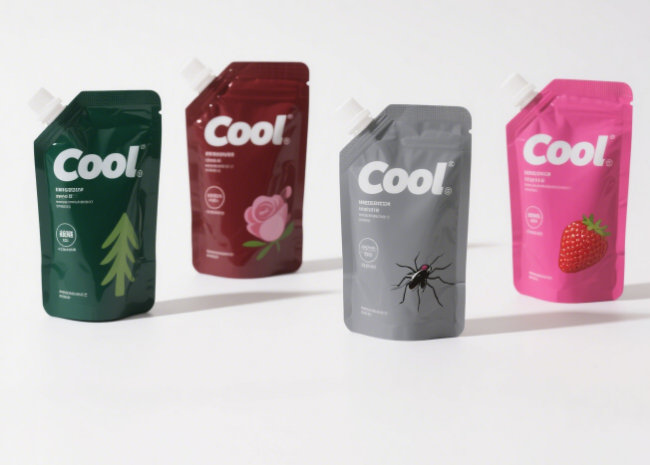
In the world of liquid product packaging, precision, convenience, and shelf-life protection are not optional — they are essential. A packaging bag with spout has emerged as one of the most practical and commercially viable solutions for brands that need to deliver liquids efficiently while maintaining product integrity from the factory floor to the consumer's hands. Whether the application involves beverages, condiments, cleaning fluids, or industrial liquids, the way a product is dispensed and stored directly influences customer satisfaction, operational efficiency, and brand perception.
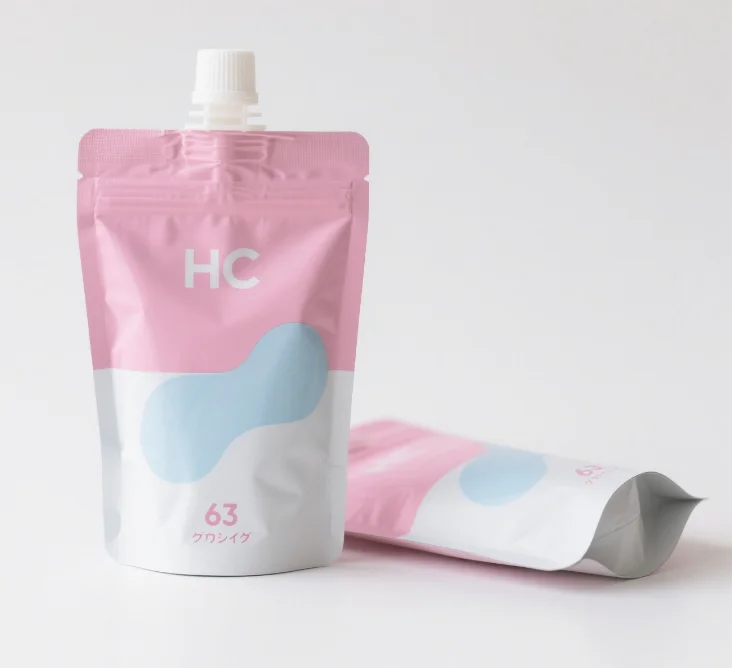
The mechanics behind a packaging bag with spout are deceptively simple, yet the functional benefits they deliver are substantial. By integrating a resealable or one-way flow spout into a flexible pouch structure, this packaging format solves multiple pain points simultaneously — including messy pouring, contamination risk, wasted product, and storage inefficiency. This article explores in detail exactly how a packaging bag with spout improves liquid product dispensing and storage across a range of real-world industrial and consumer contexts.
The Core Mechanism Behind Spout-Equipped Flexible Pouches
How the Spout Transforms Liquid Flow Control
Traditional rigid containers — bottles, cans, and jugs — dispense liquid through an opening that offers little control over flow rate or direction. A packaging bag with spout fundamentally changes this dynamic by channeling liquid through a precisely sized fitment that can be oriented, tilted, and controlled with minimal effort. The user experience shifts from guessing and pouring to directing and dispensing with confidence.
The spout fitment is typically heat-welded or press-fitted into the flexible film body of the pouch, creating a leak-proof seal that remains functional under significant internal pressure. This integration means the entire liquid volume is accessible through a single controlled exit point, which dramatically reduces the likelihood of spills, overpouring, or product loss during use. For industrial-grade liquid dispensing, this precision is not just convenient — it is economically meaningful.
Beyond flow control, the spout design also allows for compatibility with pumps, nozzles, and dispensing accessories. This makes the packaging bag with spout highly adaptable to automated filling lines and retail dispensing stations alike. The engineering flexibility embedded in the spout interface is one of the primary reasons this packaging format has gained adoption across diverse industries.
The Role of Flexible Film Construction in Storage Performance
The body of a packaging bag with spout is constructed from multi-layer flexible films, typically combining materials such as polyethylene, nylon, and aluminum foil depending on the product requirements. This laminated structure provides a critical barrier against oxygen, moisture, and UV light — all of which are known to degrade liquid product quality over time.
Because the film collapses as liquid is dispensed, there is minimal headspace left inside the bag during use. Headspace is one of the leading causes of oxidation in liquid foods and beverages. A rigid bottle maintains constant internal volume, meaning that as product is used, air fills the void and accelerates spoilage. The collapsible nature of the packaging bag with spout eliminates this problem, extending the effective freshness window of the stored product.
Structural integrity under varying temperatures, compression, and stacking conditions is also a designed-in benefit of quality flexible film constructions. For B2B buyers and logistics managers, this means reduced in-transit damage, lower return rates, and more reliable delivery performance — all of which contribute positively to the supply chain bottom line.
Dispensing Precision and User Experience Improvements
Reducing Spillage and Product Waste During Dispensing
One of the most direct improvements offered by a packaging bag with spout is the dramatic reduction in product spillage. In household and foodservice environments, overpoured condiments, sauces, and beverages represent a recurring source of waste and frustration. The spout's narrow, directed outlet gives the user fine-grained control over pour volume, making it easy to dispense only what is needed.
In industrial and commercial settings, this precision carries even greater economic weight. When cleaning fluids, lubricants, or specialty chemicals are dispensed in bulk, even minor spillage can represent significant cost over time. Operators using a packaging bag with spout format can control application more accurately, reducing chemical waste and improving cost-per-use metrics compared to traditional rigid packaging dispensing methods.
The resealable nature of most spout closures also means that once a dispensing event ends, the product is immediately secured again. Unlike screw-cap bottles that may be left partially open, or carton packages that can become difficult to reseal, the snap-close or screw-top spout closures on flexible pouches provide a reliable and repeatable seal every time. This reduces both contamination risk and evaporation losses during storage intervals.
Ergonomic Benefits for Repeated Use Scenarios
The ergonomic design of a packaging bag with spout is an often-underappreciated advantage. Flexible pouches conform to the hand naturally as they are gripped, and because they become lighter and more pliable as their contents are used, they are easier and more comfortable to handle than rigid bottles that maintain the same weight distribution regardless of fill level.
For caregiving applications — such as liquid nutritional supplements, baby food pouches, or medical dietary products — the ergonomic benefit extends to end-user populations who may have limited grip strength or dexterity. The soft, squeezable body of the packaging bag with spout makes self-dispensing more accessible for elderly users, children, and individuals with mobility challenges, without requiring additional accessories or tools.
In professional food preparation environments, where speed and efficiency are paramount, the ability to quickly grab, tilt, and squeeze a packaging bag with spout speeds up the dispensing workflow compared to uncapping and inverting a rigid bottle. These micro-efficiency gains, accumulated across hundreds of daily uses in a commercial kitchen or production facility, contribute meaningfully to operational throughput.
Storage Efficiency Gains Across the Supply Chain
Space Optimization in Warehousing and Retail Environments
Storage efficiency is a logistical and financial priority for distributors, retailers, and end-users alike. A packaging bag with spout delivers a clear advantage here because flexible pouches, when empty or partially filled, require significantly less space than rigid containers of equivalent capacity. Empty pouches can be stacked flat or rolled for compact storage, while filled pouches can be stored standing upright or lying flat depending on the facility's shelf configuration.
From a retail shelf-space perspective, the slim profile of a stand-up pouch with spout allows brands to achieve higher product density per linear shelf foot compared to bottles. This is an important commercial consideration for retail buyers and category managers who are always looking to maximize SKU representation within limited shelf real estate. The packaging bag with spout format supports both front-facing display and hanging presentation, expanding merchandising flexibility.
In warehousing contexts, the weight reduction versus glass or thick plastic rigid containers translates into lower pallet weights and potentially higher pallet utilization. Logistics teams can move more product per shipment, reducing freight cost per unit and improving the carbon efficiency of each delivery run — a consideration that is increasingly important to sustainability-focused supply chain operators.
Maintaining Product Quality During Extended Storage Periods
The multi-barrier film construction of a packaging bag with spout is specifically engineered to protect liquid contents over extended storage durations. Oxygen transmission rate (OTR) and water vapor transmission rate (WVTR) are two critical performance parameters that the laminated film structure is designed to minimize, thereby extending shelf life and protecting flavor, nutritional value, and chemical stability.
For food-grade applications, regulatory compliance with food contact material standards is built into properly manufactured packaging bag with spout products. The resealable spout closure minimizes the number of contamination pathways into the product, and the hygienic welding process during production ensures that the interior of the pouch is sterile at the point of filling. Together, these features support both ambient and refrigerated storage scenarios.
For non-food industrial liquids, the chemical resistance properties of the film layers must be matched to the specific product being stored. Quality packaging bag with spout manufacturers select film formulations that resist permeation, swell, and degradation when in prolonged contact with solvents, acids, or surfactants. Buyers in the industrial sector should always verify film compatibility with their specific liquid chemistry before committing to a packaging specification.
Applications Across Industries and Product Categories
Food, Beverage, and Condiment Packaging
The food and beverage sector has been among the earliest and most widespread adopters of the packaging bag with spout format. Juices, smoothies, purees, sauces, cooking oils, and condiments are all commonly packaged in spouted flexible pouches today. The combination of precise dispensing, extended shelf life, and consumer-friendly handling makes this format a natural fit for products consumed repeatedly over days or weeks.
In the baby food segment, the packaging bag with spout has largely displaced traditional glass jars in many markets because it allows infants to self-feed directly from the pouch, reducing mess and simplifying parent-caregiver interactions during mealtime. The soft pouch body also eliminates the breakage risk associated with glass, making it safer in environments where small children are present.
Bulk foodservice packaging is another growing application area. Institutional kitchens and catering operations increasingly specify the packaging bag with spout for high-volume condiment and sauce procurement because the format supports controlled dispensing, reduces contamination from repeated utensil dipping, and minimizes the waste associated with emptying rigid containers.
Personal Care, Cleaning Products, and Industrial Liquids
Beyond food applications, the packaging bag with spout is making strong inroads in personal care and household product categories. Shampoos, body washes, hand soaps, and liquid detergents are increasingly offered in refill pouch formats that allow consumers to top up rigid dispensers rather than purchasing new bottles each time. This refill model reduces plastic waste significantly and appeals to environmentally conscious consumers.
In the professional cleaning and chemical industry, the packaging bag with spout is valued for its ability to protect reactive formulations from air and moisture exposure between uses. For products such as concentrated disinfectants, rust inhibitors, and specialty lubricants, maintaining formulation integrity during storage is critical to product performance. The collapsible, air-excluding design of the spouted pouch directly supports this requirement.
Agricultural and horticultural liquid products — including fertilizer concentrates, pesticide solutions, and growth regulators — represent another industrial application where the packaging bag with spout delivers genuine functional value. Field operators can dispense precise volumes directly from the pouch without the need for additional measuring cups or secondary containers, reducing cross-contamination risk and simplifying field application protocols.
FAQ
What types of liquids are best suited for a packaging bag with spout?
A packaging bag with spout is suitable for a wide range of liquid viscosities, from thin beverages like juice and water to thicker products like sauces, purees, and gels. The suitability depends primarily on the spout orifice size and the film material compatibility with the specific liquid. Industrial liquids such as cleaning agents, lubricants, and chemical concentrates can also be packaged in spouted pouches provided the film laminate is chemically compatible with the product.
How does a packaging bag with spout extend shelf life compared to rigid containers?
The key shelf-life advantage of a packaging bag with spout lies in its collapsible film structure. As product is dispensed, the pouch body collapses to eliminate headspace, which prevents oxygen from entering and oxidizing the remaining contents. Multi-layer barrier films further restrict oxygen and moisture transmission through the pouch walls, keeping the product fresher for longer compared to rigid containers that accumulate headspace air with every use.
Is a packaging bag with spout suitable for hot-fill production processes?
Yes, certain packaging bag with spout constructions are specifically engineered to withstand hot-fill temperatures typically ranging from 85°C to 95°C. These pouches use heat-resistant film laminates and high-temperature-rated spout fitments to maintain structural integrity during filling and subsequent cooling. Buyers should confirm with their packaging supplier that the specific pouch and spout materials meet the hot-fill temperature requirements for their product line.
What customization options are typically available for a packaging bag with spout?
Customization for a packaging bag with spout typically includes options for pouch dimensions, film material composition and barrier level, spout size and closure type, printing specifications including color count and finish, and handle or hanging hole integration. For B2B buyers, custom printing allows full branding coverage across the pouch surface, which is commercially important for retail shelf presence and brand consistency across product lines.
Table of Contents
- The Core Mechanism Behind Spout-Equipped Flexible Pouches
- Dispensing Precision and User Experience Improvements
- Storage Efficiency Gains Across the Supply Chain
- Applications Across Industries and Product Categories
-
FAQ
- What types of liquids are best suited for a packaging bag with spout?
- How does a packaging bag with spout extend shelf life compared to rigid containers?
- Is a packaging bag with spout suitable for hot-fill production processes?
- What customization options are typically available for a packaging bag with spout?