
 EN
EN



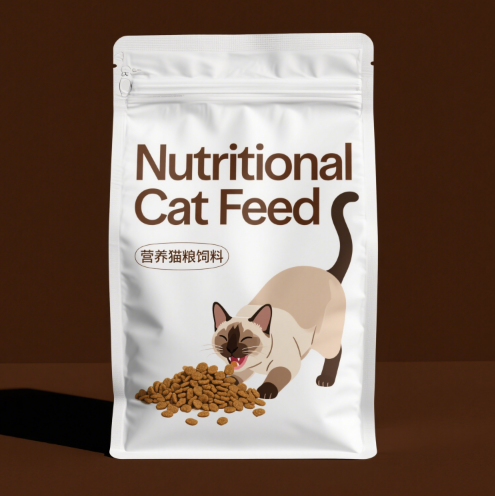
Modern food storage demands more than just containment — it requires precise moisture control, extended shelf life, and structural integrity that holds up throughout the supply chain. The sealed zipper food bag has emerged as one of the most versatile and practical solutions for addressing a wide range of storage challenges faced by food manufacturers, retailers, and consumers alike. From preventing oxidation in dried fruits to keeping snack products crisp between uses, this packaging format solves real, measurable problems that conventional packaging simply cannot handle.
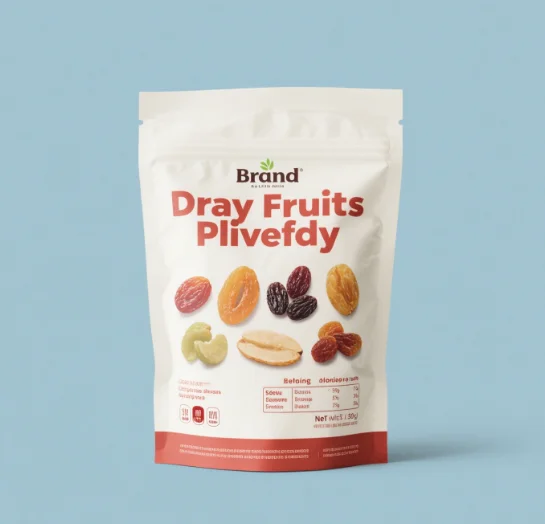
Understanding what specific storage challenges a sealed zipper food bag structure can address helps procurement professionals, product developers, and brand managers make better packaging decisions. This article breaks down the core structural features of sealed zipper food bags and maps each feature directly to the storage problems it resolves — offering practical, decision-useful insight for anyone working with food packaging at a professional level.
Moisture and Humidity Control in Packaged Food Products
Why Moisture Is the Primary Threat to Dry and Semi-Dry Foods
Moisture intrusion is one of the leading causes of food spoilage, texture degradation, and microbial growth in packaged goods. Dried fruits, nuts, powdered spices, jerky, and granola are all highly susceptible to moisture uptake from the surrounding environment. Even small changes in ambient humidity can cause these products to clump, soften, or develop mold well before their intended shelf life expires. A sealed zipper food bag directly addresses this challenge through its multi-layer film construction and resealable closure system, which together form a reliable moisture barrier that conventional twist-tie bags or fold-over seals simply cannot replicate.
The zipper mechanism itself plays a critical role here. When fully engaged, a properly engineered zipper closure creates an airtight or near-airtight seal across the bag's opening, preventing humid air from penetrating the package after each use. This is particularly valuable for products that are consumed incrementally rather than all at once. Without a resealable sealed zipper food bag, consumers often resort to inadequate improvised resealing methods — rubber bands, tape, or folding — all of which fail to replicate the protective seal of the original packaging.
For manufacturers, this moisture-control capability translates directly into reduced returns, fewer customer complaints, and stronger brand perception. A product that retains its intended texture and freshness through the last serving leaves a far more positive impression than one that has gone stale by the second opening. The sealed zipper food bag structure therefore addresses a moisture-related storage challenge that has measurable commercial implications beyond just physical product protection.
Structural Barrier Layers That Reinforce Moisture Defense
Beyond the zipper closure, the laminated film structure of a quality sealed zipper food bag provides a physical and chemical barrier against moisture vapor transmission. Most food-grade versions incorporate combinations of materials such as BOPP, PET, aluminum foil, and polyethylene — each layer contributing specific protective properties. Aluminum foil layers, for instance, offer exceptional moisture and oxygen barrier performance, making them ideal for high-value food products where even minimal moisture ingress would compromise quality.
The upright standing structure of many sealed zipper food bag formats also reduces the total surface area exposed to potential moisture contact at the base, compared to flat pouches lying on their sides. This seemingly small structural detail can meaningfully extend effective shelf life in environments where temperature and humidity fluctuate — such as retail displays near refrigeration units, shipping containers, or warehouse environments in humid climates. Every aspect of the sealed zipper food bag structure is, in effect, engineered to work in concert against moisture as a primary storage threat.
Oxygen Exposure and Oxidative Degradation Prevention
How Oxygen Damages Food Products Over Time
Oxidation is a chemical process that causes fats to turn rancid, colors to fade, vitamins to degrade, and aromas to dissipate. For products like roasted nuts, dried meat snacks, flavored chips, and coffee-infused treats, oxygen is a persistent and damaging storage challenge. A sealed zipper food bag addresses oxidative degradation both at the point of initial sealing — through the heat-sealed bottom and sides — and at the point of reuse, through the resealable zipper top that restores a protective barrier after each opening.
Some sealed zipper food bag configurations are also compatible with modified atmosphere packaging (MAP) processes, where nitrogen or CO2 is flushed into the bag before final sealing to displace residual oxygen. This approach dramatically slows oxidative reactions and is widely used for premium snacks, specialty dried goods, and long-shelf-life products. The sealed zipper food bag's structural design supports this technique without compromising the resealable functionality that consumers value during use.
The Role of Oxygen Barrier Films in Sealing Performance
The laminate composition of a sealed zipper food bag determines its oxygen transmission rate (OTR), a critical metric in food packaging specification. High-barrier films — particularly those incorporating metallized layers or aluminum foil — achieve very low OTR values, meaning minimal oxygen can pass through the film over time. This is essential for products with a shelf life target of six months or more, where even marginal oxygen permeation would cause noticeable quality loss well before the expiry date.
Specifying the right barrier structure for a sealed zipper food bag requires matching the film's OTR capabilities to the specific oxygen sensitivity of the product being packaged. This is why B2B buyers working with packaging manufacturers typically request technical data sheets and oxygen barrier performance specifications before finalizing a design. A sealed zipper food bag that addresses moisture challenges but under-performs on oxygen barrier will still result in product quality failures — underscoring the need for a holistic, specification-driven approach to bag selection.
Product Contamination and Cross-Flavor Transfer Risks
Containing Aromas and Preventing External Contamination
In mixed food retail environments — whether in a distribution warehouse, a grocery back room, or a consumer's pantry — strong-smelling foods can transfer aromas to adjacent products and vice versa. Garlic-flavored snacks stored near mild crackers, or spiced dried meats stored near confectionery items, can create flavor contamination that degrades the eating experience and triggers returns or complaints. A sealed zipper food bag with adequate film thickness and proper zipper engagement significantly reduces aroma migration between packages, addressing a storage challenge that is often overlooked in packaging discussions.
External contamination — from dust, insects, handling residues, or chemical cleaning agents used in retail and warehouse environments — is an equally serious concern. The sealed zipper food bag's zipper closure, when properly designed with a tight interlocking profile, prevents contaminants from entering the bag during storage and transit. This level of protection is especially important for products marketed in food service or institutional channels, where packaging integrity is subject to regulatory scrutiny and audit requirements.
Child-Resistant and Tamper-Evident Variants for Safety Applications
Certain sealed zipper food bag formats incorporate child-resistant zipper closures or additional tamper-evident heat-seal layers beneath the zipper, addressing safety-related storage challenges. For products where unauthorized access or accidental ingestion by children is a concern — such as supplement-infused foods, caffeinated snacks, or products with allergen-specific formulations — these structural additions provide a meaningful safety layer without sacrificing the convenience of resealability.
From a regulatory compliance standpoint, brands in specific product categories may be required to demonstrate tamper evidence as part of their packaging specification. A sealed zipper food bag that integrates a heat-sealed inner liner that must be torn open before the zipper becomes accessible provides both tamper evidence and resealability — addressing two distinct storage and safety challenges within a single packaging structure.
Structural Integrity During Shipping and Retail Display
Upright Bag Formats and Their Handling Advantages
The stand-up pouch format, which many sealed zipper food bag designs are built upon, provides significant structural advantages during logistics and retail display. The gusseted base allows the bag to stand upright on shelf without external support, maximizing the visible label area for branding while also stabilizing the product against tipping during transit or on-shelf movement. This structural characteristic addresses the storage challenge of maintaining product presentation quality through the entire distribution journey — from factory floor to consumer hands.
Compared to rigid containers, a sealed zipper food bag offers compression resistance from its film layers while also allowing for slight flexing under pressure, which actually reduces the risk of rupture during stacking in shipping cases. The combination of gusseted base, laminated film walls, and secure zipper top creates a package that performs reliably under the mechanical stresses of palletized shipping, conveyor handling, and warehouse storage — without the fragility associated with rigid plastic containers or glass jars.
Seam Strength and Seal Integrity Under Temperature Variation
Temperature fluctuation during cold chain logistics or seasonal warehouse storage creates expansion and contraction cycles that can stress packaging seals. A properly heat-sealed sealed zipper food bag, manufactured to correct sealing parameters, maintains its seal integrity across a wide temperature range — typically from freezer temperatures up to moderate ambient warmth. This makes the sealed zipper food bag suitable for products that may transition between cold storage, ambient transport, and room-temperature retail without seal failure.
Seal integrity testing — including burst testing, drop testing, and peel strength measurement — is standard practice among professional packaging manufacturers. For B2B buyers sourcing sealed zipper food bag structures for demanding logistics environments, requesting seal integrity test data as part of the product qualification process is strongly recommended. This ensures that the structural challenges of the supply chain are addressed before product launch, not discovered after market complaints begin.
Portion Control and Consumer Convenience in Multi-Use Products
Resealability as a Storage Solution for Incremental Consumption
Many food products are not designed for single-serving consumption, yet packaging that cannot be reliably resealed forces consumers into the storage challenge of finding secondary containers for leftover contents. A sealed zipper food bag directly solves this problem by providing a durable, repeatedly usable closure mechanism integrated into the original packaging. Each time a consumer reseals the bag, they are re-establishing a protective barrier that preserves the remaining contents — extending the functional freshness of the product beyond the first opening.
This resealability feature has become a standard expectation for snack foods, dried ingredients, pet treats, and food supplements — categories where purchase volumes are designed for multiple servings. For brand owners, choosing a sealed zipper food bag structure communicates a commitment to post-purchase product quality, which is increasingly a factor in consumer purchasing decisions. The storage challenge of post-opening freshness is thus addressed not just functionally, but as a differentiating brand attribute.
Transparency Windows and Product Visibility for Accurate Portioning
Many sealed zipper food bag designs incorporate clear window panels that allow consumers to visually gauge remaining product volume. This transparency feature addresses a secondary storage challenge: the uncertainty of not knowing how much product remains without fully opening the bag. By enabling visual inspection from the outside, window-equipped sealed zipper food bag formats reduce unnecessary openings, which in turn preserves the integrity of the zipper seal and minimizes unnecessary oxygen and moisture exposure.
For food service operators who use sealed zipper food bag packaging for ingredient storage, the ability to visually check stock levels without breaking a seal is a practical workflow benefit. It reduces preparation time, minimizes waste from forgotten or over-ordered stock, and supports FIFO (first in, first out) inventory management — addressing both storage efficiency and waste reduction challenges in professional kitchen environments.
FAQ
What types of food products benefit most from sealed zipper food bag packaging?
Products that are consumed incrementally and are sensitive to moisture or oxygen benefit most. These include dried fruits, nuts, granola, jerky, trail mixes, powdered spices, pet treats, and snack foods. Any product where freshness must be maintained across multiple servings after the initial opening is a strong candidate for a sealed zipper food bag structure.
How does the zipper closure mechanism maintain its seal quality over repeated use?
Quality zipper closures are manufactured from food-grade polyethylene or polypropylene profiles that interlock firmly when pressed together and disengage cleanly when pulled apart. The seal quality over repeated use depends on the profile design, the closure material's durometer (hardness), and the manufacturing precision of the zipper track. Well-engineered sealed zipper food bag closures maintain effective sealing performance for a substantial number of open-close cycles.
Can a sealed zipper food bag be used with modified atmosphere packaging techniques?
Yes. Many sealed zipper food bag formats are compatible with nitrogen flushing or CO2 injection before the zipper closure is set and the bag is heat-sealed at the base and sides. This allows manufacturers to combine the oxygen-barrier benefits of MAP with the consumer convenience of resealability — a combination that is particularly valuable for premium or long-shelf-life snack products.
What should B2B buyers evaluate when sourcing sealed zipper food bag structures for industrial use?
Key evaluation criteria include film composition and oxygen/moisture barrier specifications, zipper closure profile and seal strength test data, compatibility with the client's filling and sealing equipment, compliance with applicable food contact material regulations, and structural performance under expected logistics conditions. Requesting product samples and technical data sheets before committing to volume orders is strongly recommended for any professional sealed zipper food bag sourcing process.
Table of Contents
- Moisture and Humidity Control in Packaged Food Products
- Oxygen Exposure and Oxidative Degradation Prevention
- Product Contamination and Cross-Flavor Transfer Risks
- Structural Integrity During Shipping and Retail Display
- Portion Control and Consumer Convenience in Multi-Use Products
-
FAQ
- What types of food products benefit most from sealed zipper food bag packaging?
- How does the zipper closure mechanism maintain its seal quality over repeated use?
- Can a sealed zipper food bag be used with modified atmosphere packaging techniques?
- What should B2B buyers evaluate when sourcing sealed zipper food bag structures for industrial use?