Compostable Box Packaging Solutions - Sustainable, Durable & Eco-Friendly Packaging

Get a Free Quote

Our representative will contact you soon.
Email
Name
Company Name
Mobile
Message
0/1000

compostable box packaging

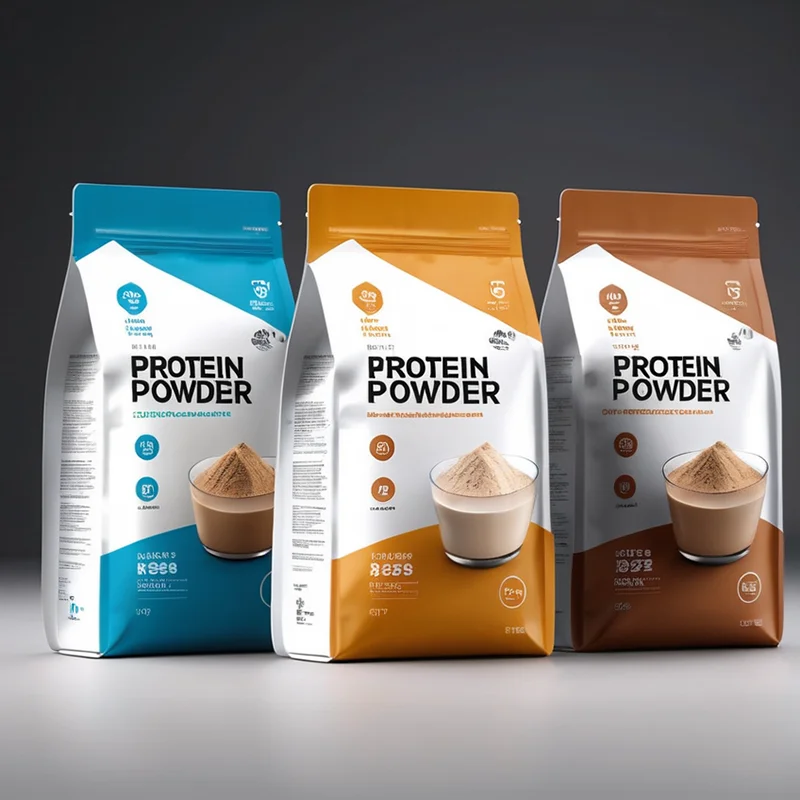
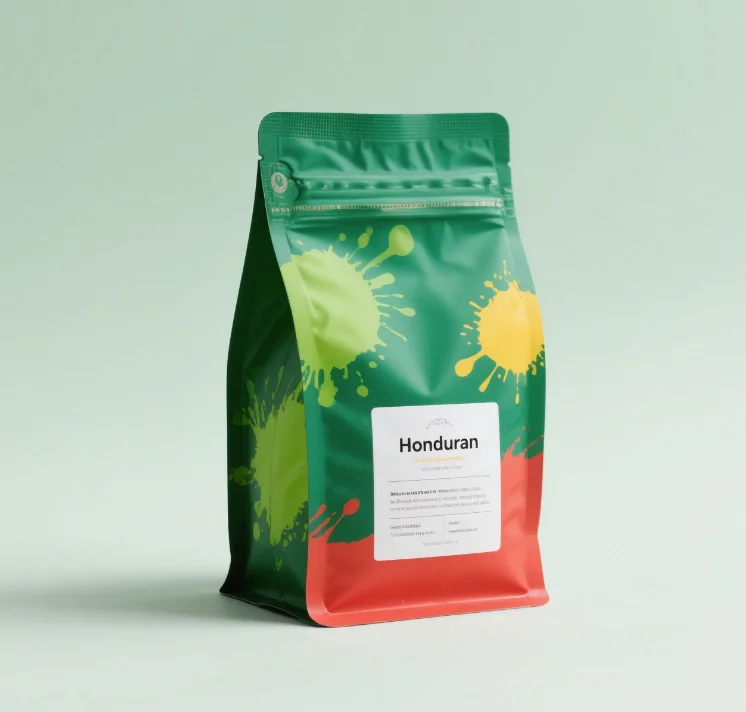
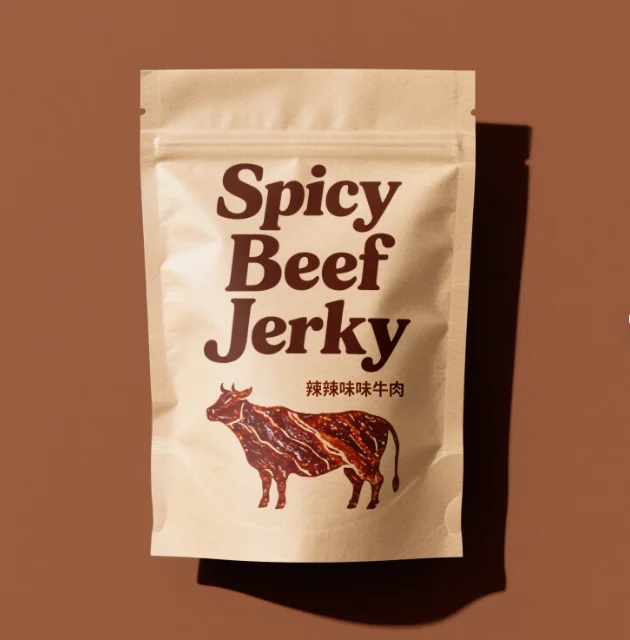
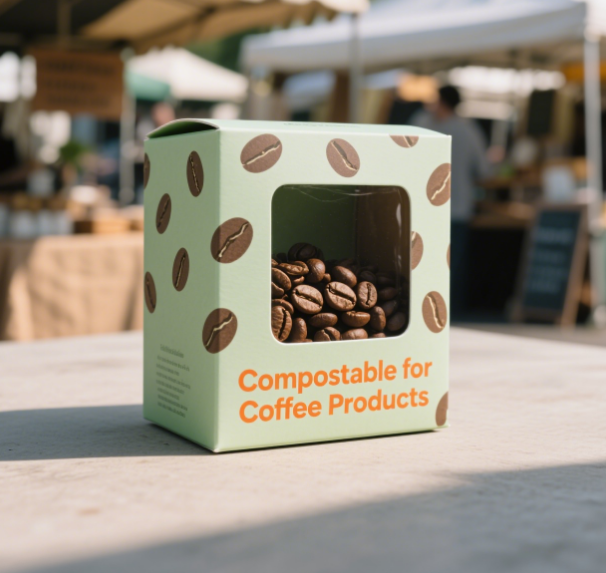
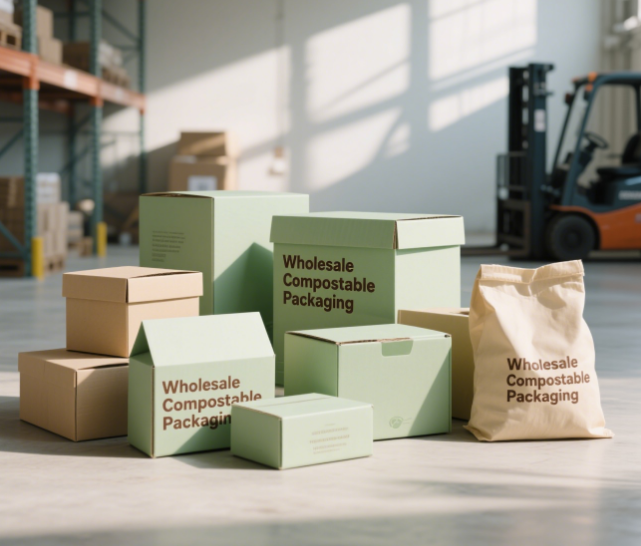
Compostable box packaging represents a revolutionary advancement in sustainable packaging solutions that addresses the growing environmental concerns surrounding traditional packaging materials. This innovative packaging technology utilizes biodegradable materials derived from renewable resources such as plant-based fibers, cornstarch, sugarcane bagasse, and other organic compounds that naturally decompose when exposed to proper composting conditions. The main function of compostable box packaging extends beyond simple containment and protection of products to include environmental responsibility and waste reduction initiatives. These packaging solutions maintain the structural integrity required for shipping, storage, and retail display while ensuring complete biodegradation within industrial composting facilities typically within 90 to 180 days. The technological features of compostable box packaging incorporate advanced material science that creates strong, durable containers capable of withstanding moisture, temperature variations, and physical stress during transportation and handling. Manufacturing processes involve sophisticated techniques that bind natural fibers and bio-based polymers to create packaging materials that perform comparably to conventional cardboard and plastic alternatives. The barrier properties can be customized through natural coatings and treatments that provide water resistance, grease resistance, and extended shelf life without compromising the compostable characteristics. Applications for compostable box packaging span numerous industries including food service, e-commerce shipping, retail packaging, pharmaceutical products, cosmetics, electronics, and specialty goods. Restaurants and food delivery services utilize these containers for takeout meals, while online retailers adopt them for shipping products to environmentally conscious consumers. The packaging maintains food safety standards and regulatory compliance while supporting corporate sustainability goals and consumer preferences for eco-friendly alternatives. Manufacturing facilities can produce various sizes, shapes, and configurations to meet specific product requirements while ensuring the compostable box packaging integrates seamlessly into existing supply chain operations and packaging processes.


New Product Recommendations

Compostable box packaging delivers significant environmental benefits that directly translate into practical advantages for businesses and consumers seeking sustainable packaging alternatives. Companies adopting this packaging solution reduce their carbon footprint substantially because the production process requires less energy compared to traditional plastic manufacturing and generates fewer greenhouse gas emissions. The biodegradable nature eliminates long-term waste accumulation in landfills, where conventional packaging materials persist for decades or centuries without decomposition. Businesses experience cost savings through reduced waste management fees and potential tax incentives available for companies implementing environmentally responsible practices. Consumer appeal increases dramatically when products feature compostable box packaging, as modern buyers actively seek brands that demonstrate genuine commitment to environmental stewardship. This packaging enhances brand reputation and market positioning by showcasing corporate responsibility values that resonate with environmentally conscious target demographics. The versatility of compostable box packaging allows businesses to maintain professional presentation standards while meeting sustainability objectives without compromising product protection or visual appeal. Supply chain efficiency improves because these packaging materials integrate seamlessly with existing logistics systems and require no specialized handling procedures or storage conditions. Regulatory compliance becomes simpler as governments worldwide implement stricter environmental regulations and packaging waste reduction mandates that favor biodegradable alternatives over traditional materials. The durability and protective qualities match or exceed conventional packaging performance, ensuring products remain secure during shipping and storage while providing adequate barrier protection against moisture, contaminants, and physical damage. Customer satisfaction increases when consumers can dispose of packaging responsibly through home composting or municipal composting programs instead of contributing to landfill waste. Marketing advantages emerge through authentic sustainability messaging that builds customer loyalty and differentiates brands in competitive markets where environmental consciousness influences purchasing decisions. Long-term cost benefits materialize as raw material prices for petroleum-based packaging continue fluctuating while plant-based alternatives maintain more stable pricing structures tied to renewable agricultural resources rather than volatile fossil fuel markets.

Practical Tips

From 'disposable' to 'return to nature': the environmental code for biodegradable packaging bags

27

Aug

From 'disposable' to 'return to nature': the environmental code for biodegradable packaging bags

The Revolution of Sustainable Packaging in Modern Commerce The packaging industry stands at a crucial turning point as environmental consciousness reshapes consumer behavior and business practices. At the heart of this transformation lies the growing...
View More
From Health to Environmental Protection: Why have eco-friendly packaging bags become a new standard in daily life?

27

Aug

From Health to Environmental Protection: Why have eco-friendly packaging bags become a new standard in daily life?

The Rise of Sustainable Packaging Solutions in Modern Society The landscape of consumer packaging has undergone a dramatic transformation in recent years, with eco-friendly packaging bags emerging as a cornerstone of sustainable living. As environmen...
View More
Portable and environmentally friendly self standing bag: suitable for both outdoor and storage use, biodegradable after use, does not add pressure to the environment

24

Sep

Portable and environmentally friendly self standing bag: suitable for both outdoor and storage use, biodegradable after use, does not add pressure to the environment

The Future of Sustainable Storage: Eco-Friendly Self-Standing Solutions In an era where environmental consciousness meets practical innovation, the environmentally friendly self standing bag emerges as a groundbreaking solution for both outdoor enthu...
View More
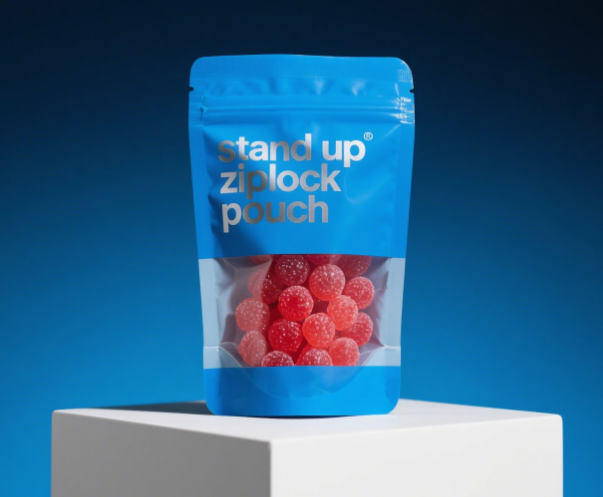
Stand on your own without tilting, take it upside down without spilling - a snack/dry goods special stand up bag that can be opened with one hand!

21

Oct

Stand on your own without tilting, take it upside down without spilling - a snack/dry goods special stand up bag that can be opened with one hand!

Revolutionizing Packaging Design with Innovative Stand Up Pouches The world of packaging has witnessed a remarkable transformation with the introduction of specialized stand up bags that are revolutionizing how we store and consume snacks and dry goo...
View More

Get a Free Quote

Our representative will contact you soon.
Email
Name
Company Name
Mobile
Message
0/1000

compostable box packaging

Complete Biodegradability Within Natural Composting Cycles

Complete Biodegradability Within Natural Composting Cycles

The most compelling feature of compostable box packaging lies in its ability to completely break down into natural organic matter through standard composting processes, leaving no harmful residues or microplastics that contaminate soil or water systems. This biodegradation occurs through microbial activity that treats the packaging materials as organic food sources, systematically decomposing the molecular structure into water, carbon dioxide, and nutrient-rich biomass that enhances soil quality. Industrial composting facilities achieve complete decomposition within 90 days under controlled temperature and humidity conditions, while home composting systems typically require 180 to 365 days depending on environmental factors and composting management practices. The certification standards governing compostable box packaging ensure that breakdown products meet strict safety criteria established by organizations such as the Biodegradable Products Institute and European composting standards that verify non-toxicity and beneficial soil enrichment properties. This complete biodegradability eliminates the persistent environmental impact associated with conventional packaging materials that fragment into microplastics or resist natural decomposition processes for extended periods. Consumers benefit from guilt-free disposal options that transform waste into valuable compost material for gardens, landscaping, and agricultural applications. Businesses can market products with authentic environmental claims backed by scientific testing and third-party certifications that validate compostability performance under real-world conditions. The circular economy principles embedded in compostable box packaging create closed-loop systems where packaging waste becomes input material for growing the agricultural resources used in future packaging production. This regenerative approach contrasts sharply with linear waste streams that extract resources, manufacture products, and generate permanent waste without recovery or reuse potential. Municipal waste management systems benefit from reduced landfill volume and extended facility lifespans when compostable packaging diverts organic waste toward beneficial composting programs that produce valuable soil amendments for public parks, community gardens, and urban agriculture initiatives.
Superior Performance Matching Traditional Packaging Standards

Superior Performance Matching Traditional Packaging Standards

Compostable box packaging achieves remarkable performance characteristics that equal or surpass traditional cardboard and plastic packaging across critical metrics including structural strength, moisture resistance, temperature stability, and product protection capabilities. Advanced bio-based material formulations create packaging solutions that withstand significant compression forces, impact stress, and handling abuse throughout distribution networks without compromising product integrity or safety. The engineering behind these materials involves sophisticated polymer chemistry that cross-links natural fibers and plant-based binding agents to form cohesive structures with impressive tensile strength and puncture resistance. Barrier properties can be customized through natural coating applications that provide water repellency, grease resistance, and vapor protection suitable for diverse product categories from fresh foods to electronic components. Temperature performance ranges accommodate frozen food storage, heated food service applications, and extreme shipping conditions encountered during seasonal weather variations and international transportation. Quality control testing demonstrates that compostable box packaging maintains dimensional stability under varying humidity conditions while preserving structural integrity throughout extended storage periods and multiple handling events. The surface properties support high-quality printing and graphic applications that enable vibrant branding, detailed product information, and marketing messages comparable to conventional packaging substrates. Manufacturing precision allows for complex die-cutting, folding, and assembly operations that create sophisticated packaging designs with windows, handles, compartments, and other functional features demanded by modern retail environments. Performance consistency across production batches ensures reliable supply chain operations and predictable packaging behavior that meets strict quality specifications required by food safety regulations, pharmaceutical standards, and consumer product guidelines. These performance characteristics eliminate concerns about switching from traditional packaging materials because compostable alternatives deliver equivalent functionality while providing superior environmental benefits that enhance overall product value propositions.
Cost-Effective Implementation With Long-Term Economic Benefits

Cost-Effective Implementation With Long-Term Economic Benefits

The economic advantages of compostable box packaging extend far beyond initial material costs to encompass comprehensive savings that improve overall business profitability through reduced waste management expenses, enhanced brand value, and operational efficiencies that compound over time. While premium pricing for sustainable materials exists compared to conventional alternatives, businesses realize substantial returns through decreased disposal fees charged by waste management companies for organic waste streams processed through composting facilities rather than expensive landfill operations. Corporate sustainability initiatives supported by compostable packaging attract environmentally conscious consumers willing to pay premium prices for products that align with their environmental values, effectively offsetting material cost differences through improved profit margins and customer loyalty. Supply chain optimization occurs when companies consolidate packaging procurement around sustainable materials that meet multiple product categories, achieving volume discounts and simplified inventory management that reduces administrative costs and storage requirements. Marketing budgets benefit from authentic sustainability messaging that generates earned media coverage, social media engagement, and word-of-mouth promotion more effectively than traditional advertising campaigns, creating measurable returns on packaging investments through increased brand awareness and customer acquisition. Regulatory compliance costs decrease as governments implement extended producer responsibility programs and packaging waste taxes that favor compostable materials over non-biodegradable alternatives, protecting businesses from future regulatory expenses and operational disruptions. Insurance premiums may decrease for companies demonstrating proactive environmental risk management through sustainable packaging choices that reduce potential liability exposure related to environmental contamination or regulatory violations. Employee recruitment and retention improve when companies showcase genuine environmental commitment through operational decisions like compostable packaging adoption, reducing hiring costs and productivity losses associated with staff turnover in competitive labor markets where workers increasingly value employer sustainability practices. Long-term market positioning advantages emerge as consumer preferences continue shifting toward sustainable products, creating competitive moats that protect market share and pricing power while conventional packaging becomes increasingly stigmatized and potentially regulated out of certain markets or applications.

Get a Free Quote

Our representative will contact you soon.
Email
Name
Company Name
Mobile
Message
0/1000