Compostable Flexible Packaging Solutions: Sustainable Barrier Protection for Modern Businesses

Get a Free Quote

Our representative will contact you soon.
Email
Name
Company Name
Mobile
Message
0/1000

compostable flexible packaging

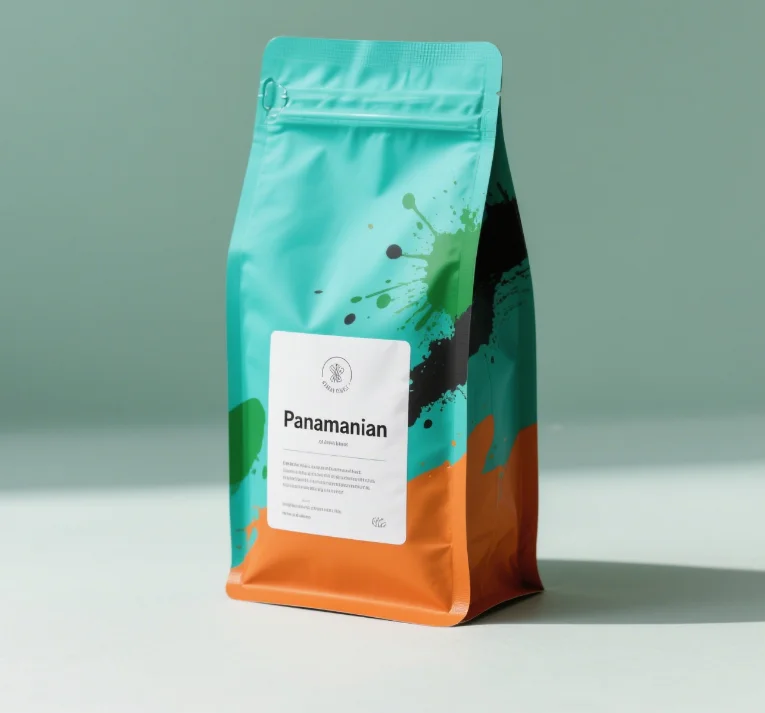
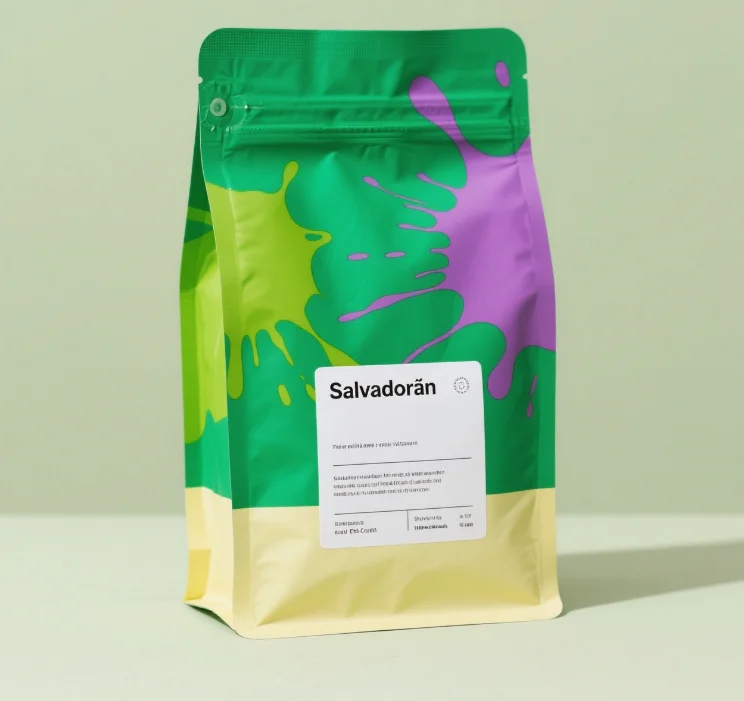
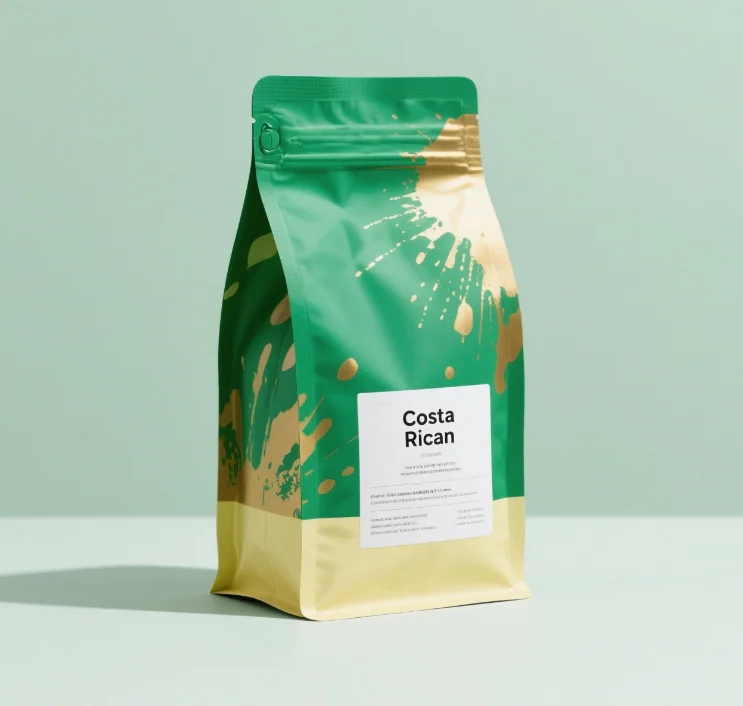
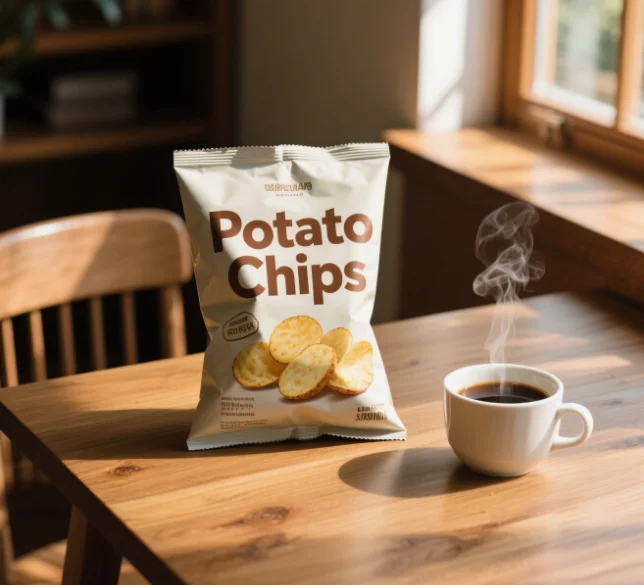
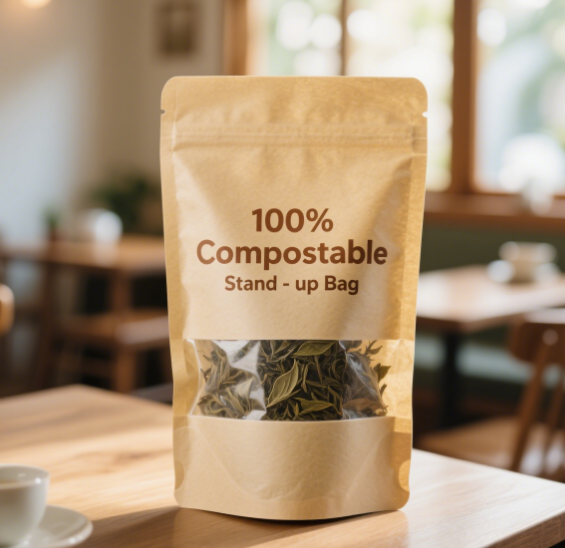
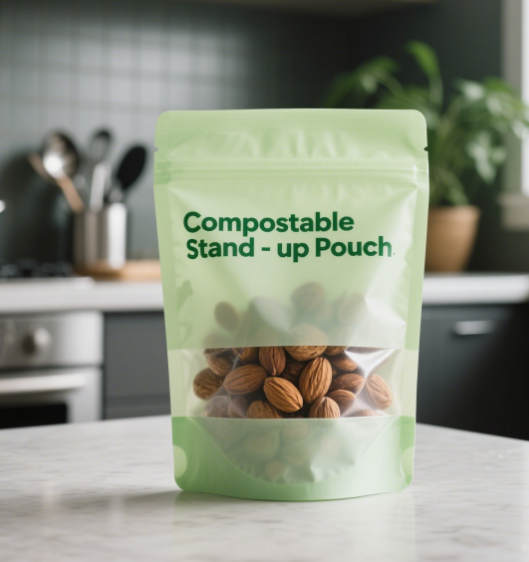
Compostable flexible packaging represents a revolutionary advancement in sustainable packaging solutions that addresses the growing environmental concerns associated with traditional plastic materials. This innovative packaging technology combines the convenience and functionality of conventional flexible packaging with the environmental benefits of complete biodegradability. Compostable flexible packaging is manufactured using organic materials such as plant-based polymers, including PLA (polylactic acid), PHA (polyhydroxyalkanoates), and starch-based compounds that naturally decompose in commercial composting facilities within 90 to 180 days. The main functions of compostable flexible packaging include protecting products from moisture, oxygen, and contaminants while maintaining product freshness and extending shelf life. These packages provide excellent barrier properties that preserve food quality, prevent spoilage, and ensure consumer safety. The technological features encompass advanced material engineering that creates films with optimal thickness, strength, and flexibility characteristics. Modern compostable flexible packaging incorporates multi-layer structures that enhance performance while maintaining compostability certification standards such as ASTM D6400 and EN 13432. The manufacturing process utilizes specialized extrusion and lamination techniques that bond different compostable materials to achieve desired properties including heat resistance, puncture resistance, and printability for branding purposes. Applications span across numerous industries including food and beverage packaging for snacks, coffee, fresh produce, and ready-to-eat meals. The pharmaceutical sector utilizes compostable flexible packaging for medication pouches and medical device wrapping. Cosmetic and personal care products benefit from this sustainable packaging option for sample sachets, masks, and travel-sized items. Agricultural applications include seed packets, fertilizer bags, and plant protection covers that can be composted directly with organic waste. E-commerce businesses increasingly adopt compostable flexible packaging for shipping envelopes and protective wrapping materials, contributing to circular economy principles while meeting consumer demands for environmentally responsible packaging solutions.

New Product Recommendations

Compostable flexible packaging offers significant environmental benefits that directly impact your business sustainability goals and consumer satisfaction levels. The primary advantage lies in waste reduction, as these packages completely break down into organic matter within months rather than persisting in landfills for centuries like traditional plastics. This transformation helps businesses reduce their carbon footprint and meet corporate sustainability targets while appealing to environmentally conscious consumers who actively seek eco-friendly products. Cost efficiency becomes apparent through reduced waste disposal fees and potential tax incentives available for companies adopting sustainable packaging practices. Many regions now impose taxes on non-recyclable packaging, making compostable flexible packaging a financially smart choice that protects your bottom line while demonstrating environmental responsibility. The versatility of compostable flexible packaging allows manufacturers to maintain existing production equipment with minimal modifications, reducing capital investment requirements and operational disruptions during the transition from conventional materials. Performance characteristics match or exceed traditional packaging in many applications, providing excellent moisture barriers, oxygen resistance, and mechanical strength that protect products throughout distribution and storage. Brand differentiation becomes a powerful marketing advantage as consumers increasingly prefer products packaged in sustainable materials, creating opportunities to command premium pricing and build customer loyalty. Regulatory compliance becomes easier as governments worldwide implement stricter packaging waste regulations and extended producer responsibility programs that favor compostable materials over conventional plastics. Supply chain benefits include reduced transportation costs due to lighter weight materials and simplified waste management processes that eliminate complex recycling requirements. Consumer convenience improves through home composting compatibility, allowing customers to dispose of packaging with organic waste without separation or special handling procedures. Market research consistently shows that brands using compostable flexible packaging experience increased consumer trust, positive brand perception, and higher purchase intent compared to competitors using traditional packaging materials. The innovation demonstrates forward-thinking leadership that attracts environmentally conscious employees, investors, and business partners who value sustainability commitments. Long-term business resilience improves as compostable flexible packaging positions companies ahead of inevitable regulatory changes and consumer preferences that continue shifting toward sustainable alternatives, ensuring continued market relevance and competitive advantage.

Latest News

Food grade PE material! Self standing bags have no odor or leakage, and can be used for baby snacks and elderly complementary foods

21

Oct

Food grade PE material! Self standing bags have no odor or leakage, and can be used for baby snacks and elderly complementary foods

Superior Food Storage Solutions: Understanding Food Grade PE Standing Bags When it comes to storing food safely, especially for our most vulnerable family members like babies and the elderly, the choice of packaging material becomes crucial. Food gra...
View More
No excess waste generated! The self standing bag can stand on its own when opened, without the need to find additional containers. It is environmentally friendly and convenient

21

Oct

No excess waste generated! The self standing bag can stand on its own when opened, without the need to find additional containers. It is environmentally friendly and convenient

Transforming Everyday Storage with Innovative Self-Supporting Design In our fast-paced world, the evolution of storage solutions has taken a remarkable turn with the introduction of self standing bags. These innovative containers represent a perfect ...
View More
Block air+stand on your own and stabilize! Pet food/flower tea can still be stored standing after opening

21

Oct

Block air+stand on your own and stabilize! Pet food/flower tea can still be stored standing after opening

Revolutionary Storage Solutions for Maintaining Freshness After Opening In our daily lives, we often struggle with keeping opened packages of pet food and flower tea fresh and properly stored. The innovative block air+stand storage solution addresses...
View More
Retort Pouch vs Canning: Which is Better for Food Storage?

27

Nov

Retort Pouch vs Canning: Which is Better for Food Storage?

Food preservation has evolved dramatically over the past century, with traditional canning methods now competing against innovative packaging technologies. Among the most significant advancements in food storage is the retort pouch, a flexible packag...
View More

Get a Free Quote

Our representative will contact you soon.
Email
Name
Company Name
Mobile
Message
0/1000

compostable flexible packaging

Complete Biodegradability Within 180 Days

Complete Biodegradability Within 180 Days

The remarkable biodegradability of compostable flexible packaging represents its most compelling feature, offering businesses and consumers a genuine solution to plastic waste accumulation. This packaging completely decomposes in commercial composting facilities within 90 to 180 days, transforming into carbon dioxide, water, and nutrient-rich organic matter that enhances soil quality rather than creating environmental pollution. The biodegradation process follows strict international standards including ASTM D6400, EN 13432, and AS 4736, ensuring consistent performance across different composting environments and geographic regions. Unlike biodegradable plastics that may leave microplastic residues, certified compostable flexible packaging breaks down at the molecular level, leaving no harmful traces that could contaminate soil or water systems. This complete decomposition process creates valuable compost that supports plant growth and soil health, contributing positively to agricultural systems and urban gardening initiatives. The certification process involves rigorous testing under controlled conditions that simulate real-world composting scenarios, measuring disintegration rates, biodegradation levels, and ecotoxicity to ensure environmental safety. Commercial composting facilities readily accept these materials because they integrate seamlessly with existing organic waste processing systems without requiring specialized equipment or modified protocols. Home composting compatibility varies by product formulation, with many compostable flexible packaging options designed to decompose effectively in backyard compost bins under proper conditions including adequate moisture, temperature, and oxygen levels. The biodegradation timeline provides predictable waste management planning for businesses and municipalities, enabling accurate composting capacity calculations and waste diversion strategies. This feature directly addresses consumer concerns about packaging waste while supporting circular economy principles that view waste as a valuable resource rather than a disposal problem. The environmental impact extends beyond waste reduction to include carbon footprint benefits, as the composting process captures carbon in soil organic matter rather than releasing it through incineration or landfill decomposition. Businesses implementing compostable flexible packaging can quantify environmental benefits through measurable metrics including waste diversion rates, carbon footprint reduction, and contribution to soil carbon sequestration programs that support climate change mitigation efforts.
Superior Barrier Properties and Product Protection

Superior Barrier Properties and Product Protection

Compostable flexible packaging delivers exceptional barrier properties that match or exceed conventional plastic performance while maintaining complete environmental compatibility. Advanced material engineering creates multi-layer structures using plant-based polymers that provide outstanding protection against moisture, oxygen, light, and aromatic compounds that can compromise product quality and safety. The barrier effectiveness stems from sophisticated molecular structures in materials like PLA and PHA that form dense, uniform films with minimal permeability to gases and vapors. Moisture barrier properties protect sensitive products including dried foods, pharmaceuticals, and electronic components from humidity damage that could cause spoilage, degradation, or malfunction during storage and transportation. Oxygen barrier characteristics prevent oxidation reactions that lead to rancidity in oils and fats, vitamin degradation in nutritional products, and flavor deterioration in coffee and snack foods, extending shelf life and maintaining product quality. Light barrier capabilities protect photosensitive materials from UV radiation and visible light that can cause color fading, nutrient loss, and chemical breakdown in sensitive formulations including vitamins, supplements, and cosmetic products. The mechanical strength properties ensure package integrity throughout distribution chains, resisting punctures, tears, and compression forces that could compromise product protection or create contamination risks. Seal strength characteristics provide secure closures that maintain barrier properties at package edges and seams, preventing air infiltration and moisture ingress that could affect product stability. Temperature resistance allows compostable flexible packaging to withstand various storage and transportation conditions without compromising barrier performance or structural integrity. Customizable barrier properties enable tailored solutions for specific product requirements, with options to enhance particular characteristics such as grease resistance for food packaging or chemical resistance for industrial applications. Testing protocols verify barrier performance under accelerated aging conditions that simulate extended storage periods, ensuring consistent protection throughout product shelf life. The barrier properties remain stable during the packaging lifecycle while enabling rapid biodegradation once the package enters composting environments, demonstrating the sophisticated balance between performance and environmental compatibility that characterizes advanced compostable flexible packaging solutions.
Versatile Applications Across Multiple Industries

Versatile Applications Across Multiple Industries

The versatility of compostable flexible packaging enables implementation across diverse industries and applications, providing businesses with comprehensive sustainable packaging solutions that meet varied product requirements and consumer preferences. Food industry applications include fresh produce bags that extend shelf life while allowing natural ripening processes, snack food pouches that maintain crispness and flavor, and coffee packaging that preserves aroma and prevents staleness through advanced barrier properties. Beverage applications encompass drink pouches for children's products, sample sachets for new product launches, and portion control packaging for institutional foodservice operations. The pharmaceutical sector benefits from compostable flexible packaging for unit dose medications, supplement pouches, and medical device sterile packaging that meets stringent safety and regulatory requirements while supporting healthcare sustainability initiatives. Cosmetic and personal care industries utilize these materials for sample packets, face masks, travel-sized product packaging, and promotional items that align with natural and organic brand positioning. Agricultural applications include seed packets that can be planted directly with seeds, biodegradable mulch films that suppress weeds while enriching soil, and fertilizer packaging that eliminates disposal concerns for farmers and gardeners. E-commerce and shipping applications feature protective packaging for fragile items, document envelopes for important papers, and padded mailers that provide cushioning while supporting online retailers' sustainability commitments. Industrial applications encompass parts packaging for manufacturing operations, chemical sample containers for laboratory use, and component protection during assembly processes. The pet industry adopts compostable flexible packaging for treat pouches, supplement packaging, and waste collection bags that support responsible pet ownership. Retail applications include shopping bags for grocery stores, promotional packaging for marketing campaigns, and gift wrap alternatives that reduce holiday waste generation. Custom printing capabilities enable full-color graphics, product information, and branding elements that maintain marketing effectiveness while demonstrating environmental responsibility. Size and format flexibility accommodates products ranging from single-serve portions to bulk quantities, with options for stand-up pouches, flat bags, roll stock, and pre-formed packages that integrate with existing filling and sealing equipment across manufacturing operations.


Get a Free Quote

Our representative will contact you soon.
Email
Name
Company Name
Mobile
Message
0/1000