Compostable Product Packaging Solutions: Sustainable, High-Performance Packaging for Modern Businesses

Get a Free Quote

Our representative will contact you soon.
Email
Name
Company Name
Mobile
Message
0/1000

compostable product packaging

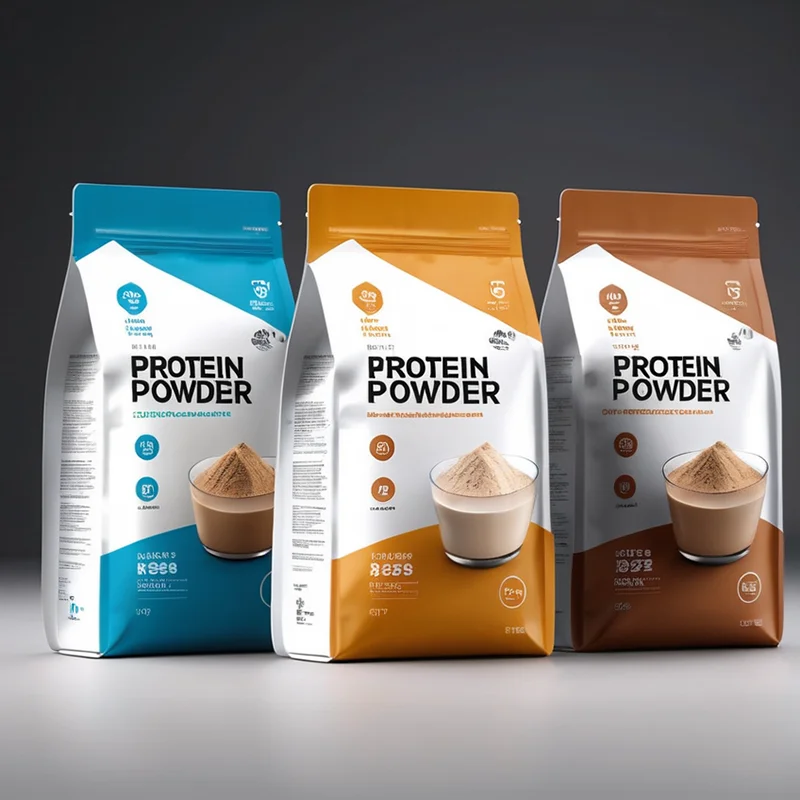
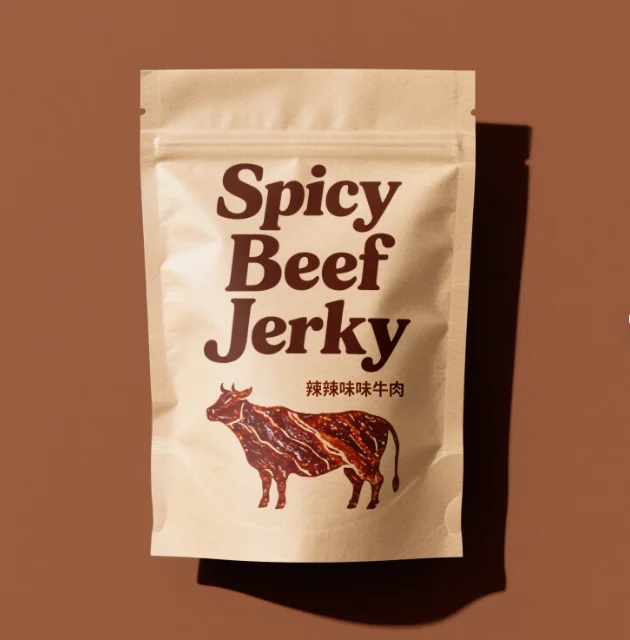
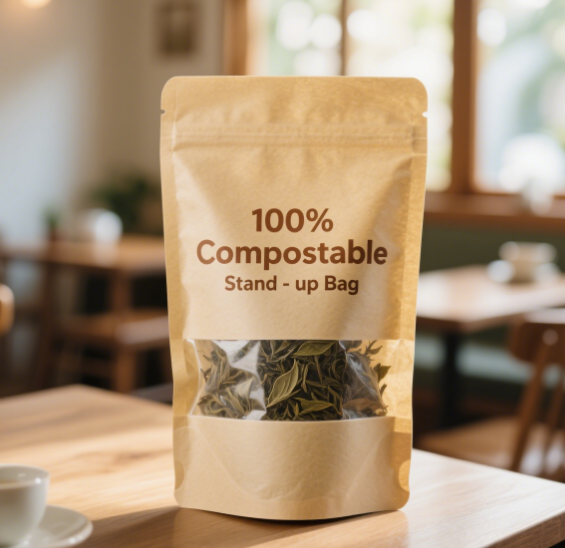
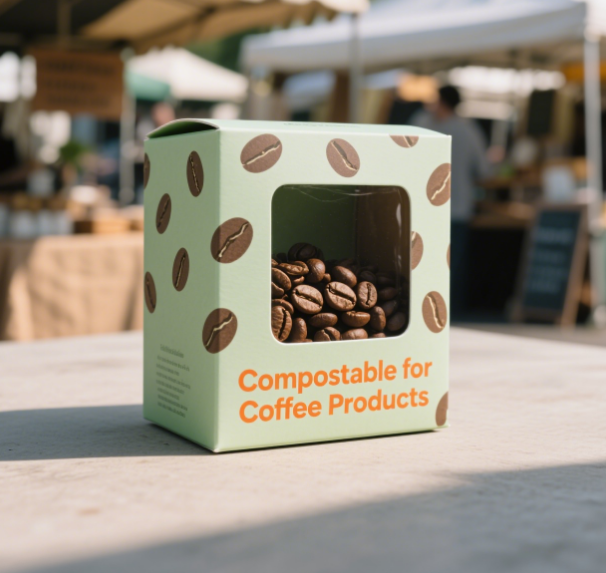
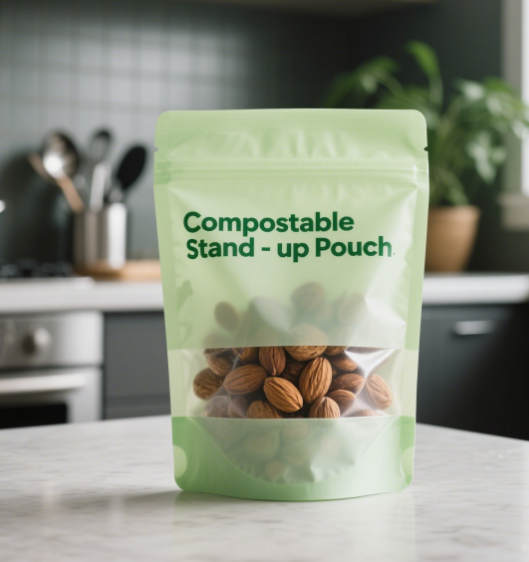
Compostable product packaging represents a revolutionary advancement in sustainable packaging solutions, designed to address the growing environmental concerns associated with traditional plastic packaging materials. This innovative packaging technology utilizes organic materials that naturally decompose when exposed to specific composting conditions, returning valuable nutrients to the soil without leaving harmful residues. The main functions of compostable product packaging include protecting products during storage and transportation, maintaining product freshness and quality, providing barrier protection against moisture and contaminants, and offering clear product visibility through transparent options. The technological features of compostable product packaging incorporate advanced biopolymer formulations derived from renewable sources such as cornstarch, potato starch, sugarcane bagasse, and other plant-based materials. These materials undergo sophisticated processing techniques that create flexible films, rigid containers, and protective barriers with performance characteristics comparable to conventional plastic packaging. The decomposition process follows established composting standards, typically breaking down within 90 to 180 days under industrial composting facilities or home composting systems. Applications for compostable product packaging span numerous industries including food service, retail grocery, e-commerce shipping, cosmetics, pharmaceuticals, and consumer goods. Food applications particularly benefit from compostable product packaging as it eliminates cross-contamination concerns while maintaining product integrity. Restaurants and takeout services utilize compostable product packaging for containers, utensils, and delivery bags, significantly reducing their environmental footprint. Retail applications include produce bags, bakery packaging, and specialty food containers that can be composted along with organic waste. The versatility of compostable product packaging allows manufacturers to create custom solutions tailored to specific product requirements while maintaining environmental sustainability goals.


Popular Products

The advantages of compostable product packaging extend far beyond simple environmental benefits, offering practical solutions that address real business and consumer needs. First, compostable product packaging dramatically reduces waste management costs for businesses and municipalities by diverting organic waste from landfills to composting facilities. This reduction creates measurable savings in waste disposal fees while generating valuable compost for agricultural and landscaping applications. Companies implementing compostable product packaging often experience improved brand reputation and customer loyalty, as consumers increasingly prefer businesses demonstrating genuine environmental responsibility. The marketing advantages translate directly into increased sales and market differentiation in competitive industries. From a regulatory compliance perspective, compostable product packaging helps businesses stay ahead of evolving plastic waste regulations and potential future restrictions on conventional packaging materials. Many jurisdictions already mandate compostable alternatives for specific applications, making early adoption a strategic business decision. Supply chain benefits include reduced storage complexity since compostable product packaging eliminates the need for separate recycling streams and specialized disposal protocols. Restaurants and food service operations particularly benefit from simplified waste management procedures, as staff can dispose of food waste and packaging together without sorting requirements. Consumer convenience represents another significant advantage, as compostable product packaging eliminates guilt associated with disposal decisions while maintaining product protection and usability. The performance characteristics of modern compostable product packaging match or exceed traditional alternatives in terms of durability, barrier properties, and shelf life extension. Advanced formulations provide excellent grease resistance, moisture barriers, and temperature stability suitable for hot foods, frozen products, and room temperature storage. Cost considerations have become increasingly favorable as production volumes increase and technology improves, with many compostable product packaging options achieving price parity with conventional alternatives. The long-term economic benefits include reduced environmental compliance costs, improved corporate sustainability ratings, and access to environmentally conscious market segments that command premium pricing for sustainable products.

Tips And Tricks

The impact of high-quality packaging on pet food sales

08

Sep

The impact of high-quality packaging on pet food sales

Transforming Pet Food Market Success Through Premium Packaging Solutions In today's competitive pet food industry, packaging has emerged as a critical differentiator that can make or break product success. Pet food packaging does more than just conta...
View More
Portable and environmentally friendly self standing bag: suitable for both outdoor and storage use, biodegradable after use, does not add pressure to the environment

24

Sep

Portable and environmentally friendly self standing bag: suitable for both outdoor and storage use, biodegradable after use, does not add pressure to the environment

The Future of Sustainable Storage: Eco-Friendly Self-Standing Solutions In an era where environmental consciousness meets practical innovation, the environmentally friendly self standing bag emerges as a groundbreaking solution for both outdoor enthu...
View More
Food grade PE material! Self standing bags have no odor or leakage, and can be used for baby snacks and elderly complementary foods

21

Oct

Food grade PE material! Self standing bags have no odor or leakage, and can be used for baby snacks and elderly complementary foods

Superior Food Storage Solutions: Understanding Food Grade PE Standing Bags When it comes to storing food safely, especially for our most vulnerable family members like babies and the elderly, the choice of packaging material becomes crucial. Food gra...
View More
Are Aluminum Foil Bags Safe? Facts You Need to Know

27

Nov

Are Aluminum Foil Bags Safe? Facts You Need to Know

Consumers today are increasingly concerned about packaging safety, particularly when it comes to food storage and preservation. The aluminum foil bag has become a popular choice for packaging various products, from coffee and tea to pharmaceuticals a...
View More

Get a Free Quote

Our representative will contact you soon.
Email
Name
Company Name
Mobile
Message
0/1000

compostable product packaging

Complete Environmental Biodegradability Within 180 Days

Complete Environmental Biodegradability Within 180 Days

The most compelling feature of compostable product packaging lies in its ability to completely biodegrade within 180 days under proper composting conditions, transforming from functional packaging into nutrient-rich soil amendment without leaving any harmful residues or microplastics. This remarkable biodegradability process begins immediately upon exposure to moisture, oxygen, and microorganisms present in composting environments, whether in industrial facilities or properly maintained home composting systems. Unlike traditional plastic packaging that persists in the environment for hundreds of years, compostable product packaging breaks down into carbon dioxide, water, and organic matter that enriches soil health and supports plant growth. The decomposition process follows internationally recognized standards including ASTM D6400 and EN 13432, ensuring consistent performance across different composting facilities and environmental conditions. During the initial 30-day period, compostable product packaging begins fragmenting into smaller pieces as enzymes and microorganisms attack the polymer chains, creating increased surface area for accelerated breakdown. The subsequent 60 to 120 days witness rapid decomposition as bacterial and fungal activity intensifies, converting the packaging materials into simple organic compounds. The final phase completes the transformation into stable compost that meets strict quality standards for heavy metals, toxicity, and biodegradability. This complete lifecycle approach eliminates long-term environmental accumulation concerns while providing tangible benefits to soil ecosystems. Agricultural applications particularly benefit from this feature, as the resulting compost improves soil structure, water retention, and nutrient availability for crops. Home gardeners appreciate the convenience of composting packaging materials alongside food scraps, creating a closed-loop system that reduces household waste while generating valuable soil amendments. The environmental impact extends beyond individual disposal decisions, contributing to reduced methane emissions from landfills and decreased demand for virgin plastic production. Scientific studies demonstrate that widespread adoption of compostable product packaging could significantly reduce plastic pollution in marine environments and terrestrial ecosystems.
Superior Performance with Plant-Based Materials

Superior Performance with Plant-Based Materials

Compostable product packaging achieves exceptional performance characteristics through innovative plant-based material formulations that rival or exceed the functionality of traditional petroleum-based plastics while maintaining complete environmental compatibility. The foundation materials include advanced biopolymers derived from renewable sources such as polylactic acid (PLA) from corn starch, polyhydroxyalkanoates (PHA) from bacterial fermentation, and cellulose-based films from wood pulp and agricultural residues. These plant-based materials undergo sophisticated processing techniques including extrusion, thermoforming, and barrier coating applications that create packaging solutions with remarkable strength, flexibility, and protective properties. The barrier performance of compostable product packaging effectively prevents moisture transmission, oxygen infiltration, and grease penetration, ensuring product freshness and quality throughout storage and distribution cycles. Temperature resistance capabilities allow compostable product packaging to withstand freezer conditions down to negative 40 degrees Fahrenheit and hot food applications up to 200 degrees Fahrenheit without compromising structural integrity or releasing harmful substances. Clarity and transparency options provide excellent product visibility for retail applications while maintaining the optical properties consumers expect from premium packaging materials. Printing and labeling compatibility enables high-quality graphics, branding, and regulatory information display using conventional printing technologies and food-safe inks. The mechanical properties include tear resistance, puncture strength, and sealing reliability that protect products during handling, shipping, and consumer use. Advanced formulations incorporate natural additives such as plant-based plasticizers and stabilizers that enhance performance without compromising compostability. Quality control testing ensures consistent performance across production batches, meeting stringent food safety requirements and industry standards. The versatility of plant-based materials allows customization for specific applications, from lightweight films for produce bags to rigid containers for prepared foods and beverages. Innovation continues advancing these materials through research into new feedstock sources, processing techniques, and performance enhancement additives that expand application possibilities while maintaining environmental benefits.
Cost-Effective Waste Management and Regulatory Compliance

Cost-Effective Waste Management and Regulatory Compliance

Compostable product packaging delivers significant cost savings and regulatory advantages by streamlining waste management operations while ensuring compliance with evolving environmental regulations across multiple jurisdictions. The economic benefits begin with simplified waste sorting procedures, as compostable product packaging eliminates the need for complex recycling protocols and contamination concerns that plague traditional plastic disposal systems. Businesses implementing compostable product packaging report substantial reductions in waste management costs, with some operations achieving 30 to 50 percent savings in disposal fees by diverting organic waste streams to composting facilities. The consolidation of food waste and packaging disposal creates operational efficiencies that reduce labor costs and training requirements for staff members responsible for waste management protocols. Municipal composting programs increasingly offer preferential rates for businesses using certified compostable materials, recognizing the reduced processing costs and improved compost quality achieved through proper material selection. Regulatory compliance advantages become increasingly valuable as governments worldwide implement restrictions on single-use plastics and mandate sustainable alternatives for specific applications. The European Union's Single-Use Plastics Directive, California's composting requirements, and similar legislation in numerous other jurisdictions create compliance obligations that compostable product packaging readily satisfies. Early adoption of compostable alternatives positions businesses ahead of regulatory timelines, avoiding potential penalties, supply chain disruptions, and emergency sourcing costs associated with last-minute compliance efforts. Insurance and liability considerations favor compostable product packaging as environmental regulations tighten and corporate responsibility expectations increase among stakeholders and investors. Environmental, social, and governance (ESG) reporting requirements increasingly scrutinize packaging choices, with compostable alternatives supporting positive sustainability metrics that influence corporate valuations and investment decisions. The documentation and certification processes for compostable product packaging provide clear audit trails and compliance verification that satisfy regulatory inspections and third-party sustainability assessments. Supply chain risk mitigation benefits include reduced dependence on petroleum-based materials subject to price volatility and supply disruptions, while renewable feedstock sources offer greater price stability and supply security over long-term planning horizons.

Get a Free Quote

Our representative will contact you soon.
Email
Name
Company Name
Mobile
Message
0/1000