Compostable Plastic Food Packaging: Sustainable Solutions for Modern Food Industry

Get a Free Quote

Our representative will contact you soon.
Email
Name
Company Name
Mobile
Message
0/1000

compostable plastic food packaging

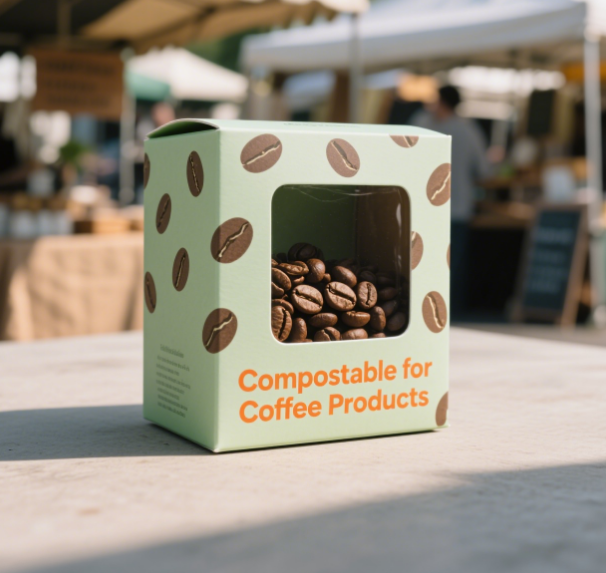
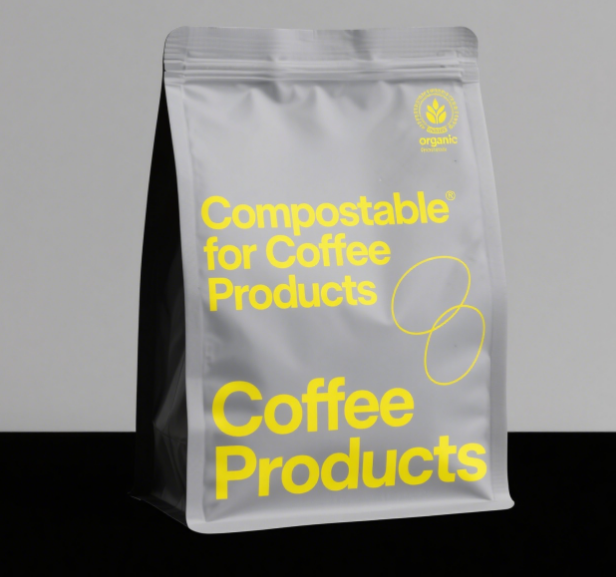
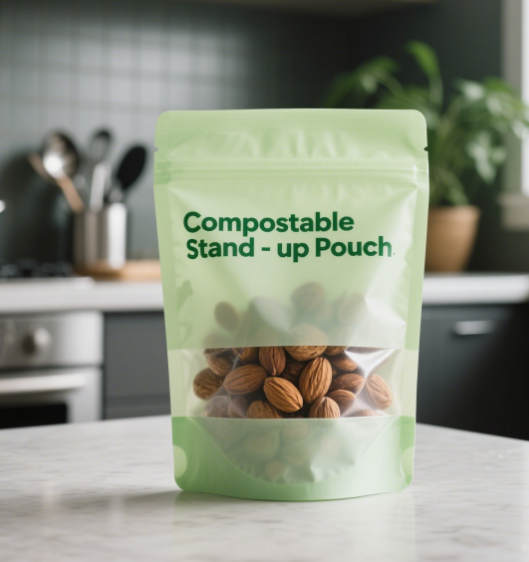
Compostable plastic food packaging represents a revolutionary advancement in sustainable packaging solutions, designed to address the growing environmental concerns associated with traditional plastic waste. This innovative packaging technology combines the practical functionality of conventional plastics with the environmental benefits of biodegradable materials. Compostable plastic food packaging is manufactured using plant-based polymers, starches, and other organic compounds that naturally decompose when exposed to specific composting conditions. The main function of this packaging solution centers on preserving food quality while maintaining freshness, extending shelf life, and providing barrier protection against moisture, oxygen, and contaminants. These packages effectively safeguard food products during transportation, storage, and retail display, ensuring optimal product integrity throughout the supply chain. The technological features of compostable plastic food packaging include advanced barrier properties that rival traditional petroleum-based plastics, heat-sealable characteristics for secure closure systems, and customizable thickness options to accommodate various food types. Manufacturing processes utilize renewable resources such as cornstarch, sugarcane bagasse, wheat straw, and other agricultural byproducts, transforming these materials into durable yet biodegradable packaging films and containers. The applications of compostable plastic food packaging span across multiple food industry sectors, including fresh produce packaging for fruits and vegetables, takeaway containers for restaurants and food service establishments, snack food pouches, frozen food packaging, dairy product containers, and bakery item wrapping. Retail grocery stores increasingly adopt these solutions for their private label products, while e-commerce food delivery services utilize compostable plastic food packaging to demonstrate environmental responsibility. The decomposition process typically occurs within 90 to 180 days under industrial composting facilities, where controlled temperature, humidity, and microbial activity accelerate the breakdown process. This packaging innovation addresses consumer demands for environmentally conscious products while maintaining the protective qualities essential for food safety and quality preservation.


Popular Products

Compostable plastic food packaging offers numerous practical advantages that directly benefit businesses, consumers, and the environment. The most significant advantage lies in its environmental impact reduction, as this packaging completely biodegrades without leaving harmful residues in soil or water systems. Unlike traditional plastics that persist for hundreds of years, compostable plastic food packaging transforms into nutrient-rich compost that enhances soil quality and supports agricultural productivity. Businesses benefit from improved brand reputation and customer loyalty when they adopt these sustainable packaging solutions, as consumers increasingly prefer companies that demonstrate environmental stewardship. The regulatory compliance advantage becomes particularly valuable as governments worldwide implement stricter plastic waste regulations and bans on single-use plastics. Companies using compostable plastic food packaging position themselves ahead of regulatory changes while avoiding potential fines and restrictions. Cost benefits emerge through reduced waste management expenses, as compostable materials can be processed through organic waste streams rather than expensive landfill disposal. The packaging provides excellent food protection properties, maintaining product freshness and extending shelf life comparable to conventional plastic alternatives. This protection translates into reduced food waste, lower transportation costs, and improved customer satisfaction due to better product quality upon delivery. Manufacturing flexibility allows customization of thickness, size, and barrier properties to meet specific food product requirements without compromising compostability. Supply chain advantages include lighter weight compared to glass or metal alternatives, reducing transportation costs and carbon footprint during shipping. Consumer convenience remains high as compostable plastic food packaging offers familiar functionality including easy opening, resealability options, and clear product visibility. The packaging supports various food storage methods including refrigeration, freezing, and microwave heating depending on the specific formulation. Marketing advantages include enhanced product positioning, premium pricing opportunities, and differentiation from competitors still using traditional packaging. Retailers benefit from simplified waste sorting processes and reduced environmental compliance costs. The growing consumer awareness of environmental issues creates market demand that drives sales growth for products using compostable plastic food packaging. Quality assurance improvements occur through better barrier protection against contamination, moisture, and oxygen exposure. International market access becomes easier as many countries prioritize imports packaged in environmentally friendly materials, opening new business opportunities for companies adopting these sustainable solutions.

Practical Tips

The key to keeping pet food fresh: innovative packaging solutions

18

Sep

The key to keeping pet food fresh: innovative packaging solutions

Modern Innovations Revolutionizing Pet Food Freshness The evolution of pet food packaging has transformed dramatically over the past decade, with innovative solutions emerging to address the growing demands of pet owners who prioritize freshness and ...
View More
Food grade PE material! Self standing bags have no odor or leakage, and can be used for baby snacks and elderly complementary foods

21

Oct

Food grade PE material! Self standing bags have no odor or leakage, and can be used for baby snacks and elderly complementary foods

Superior Food Storage Solutions: Understanding Food Grade PE Standing Bags When it comes to storing food safely, especially for our most vulnerable family members like babies and the elderly, the choice of packaging material becomes crucial. Food gra...
View More
Stand on your own without tilting, take it upside down without spilling - a snack/dry goods special stand up bag that can be opened with one hand!

21

Oct

Stand on your own without tilting, take it upside down without spilling - a snack/dry goods special stand up bag that can be opened with one hand!

Revolutionizing Packaging Design with Innovative Stand Up Pouches The world of packaging has witnessed a remarkable transformation with the introduction of specialized stand up bags that are revolutionizing how we store and consume snacks and dry goo...
View More
Retort Pouch vs Canning: Which is Better for Food Storage?

27

Nov

Retort Pouch vs Canning: Which is Better for Food Storage?

Food preservation has evolved dramatically over the past century, with traditional canning methods now competing against innovative packaging technologies. Among the most significant advancements in food storage is the retort pouch, a flexible packag...
View More

Get a Free Quote

Our representative will contact you soon.
Email
Name
Company Name
Mobile
Message
0/1000

compostable plastic food packaging

Complete Biodegradability Within Industrial Composting Systems

Complete Biodegradability Within Industrial Composting Systems

The most compelling feature of compostable plastic food packaging lies in its ability to completely break down into organic matter within controlled composting environments, typically achieving full decomposition within 90 to 180 days. This remarkable characteristic sets it apart from conventional plastics and even some biodegradable alternatives that may leave microplastic residues. The decomposition process occurs through microbial activity that transforms the packaging materials into carbon dioxide, water, and biomass, creating nutrient-rich compost that enhances soil fertility. Industrial composting facilities provide the optimal conditions of temperature (typically 140-160°F), humidity (50-60%), and oxygen levels necessary for accelerated breakdown. The packaging meets stringent international standards including ASTM D6400 in the United States and EN 13432 in Europe, which certify complete compostability without toxic residues. This certification process involves rigorous testing for biodegradation rates, disintegration timing, and ecotoxicity levels to ensure environmental safety. The molecular structure of compostable plastic food packaging consists of polymer chains designed to be easily cleaved by naturally occurring enzymes and microorganisms present in composting environments. Unlike traditional plastics that require photodegradation or chemical breakdown over centuries, these materials actively participate in natural decomposition cycles. The resulting compost provides valuable nutrients including nitrogen, phosphorus, and potassium that support plant growth and soil health improvement. Businesses benefit significantly from this feature as it eliminates long-term environmental liability associated with packaging waste. Municipalities increasingly accept compostable plastic food packaging in their organic waste collection programs, reducing the burden on landfills and waste processing facilities. The complete biodegradability also addresses consumer concerns about environmental responsibility, enabling companies to market their products as truly sustainable solutions. This feature becomes particularly valuable for food service operations, where large volumes of packaging waste can be diverted from traditional waste streams into beneficial composting programs. The economic implications extend beyond waste management savings, as the resulting compost can be sold or utilized for landscaping and agricultural applications, creating additional revenue streams while completing the circular economy cycle.
Superior Food Protection While Maintaining Sustainability

Superior Food Protection While Maintaining Sustainability

Compostable plastic food packaging delivers exceptional food protection capabilities that match or exceed traditional plastic performance while maintaining complete environmental compatibility. The advanced barrier properties effectively prevent moisture transmission, oxygen permeation, and contamination, ensuring optimal food quality and extended shelf life for various product categories. Modern formulations incorporate natural additives and processing techniques that enhance these protective characteristics without compromising the biodegradable nature of the materials. The moisture barrier prevents bacterial growth and maintains food texture, particularly crucial for fresh produce, baked goods, and prepared meals where moisture control directly impacts product quality and safety. Oxygen barrier properties protect against rancidity in fats and oils, prevent vitamin degradation, and maintain color stability in fruits and vegetables, ensuring products reach consumers in peak condition. The packaging materials demonstrate excellent heat resistance, allowing safe use in refrigeration, freezing, and even microwave applications depending on specific formulations. Seal integrity remains consistent throughout the product lifecycle, preventing leakage and contamination during transportation and storage. Advanced manufacturing processes create uniform thickness and density, eliminating weak points that could compromise food protection. The packaging effectively blocks ultraviolet light that can degrade nutrients and cause flavor changes in sensitive food products. Grease and oil resistance properties make these materials suitable for fatty foods, fried items, and products with high lipid content without structural degradation. Temperature stability ensures the packaging maintains its protective properties across various storage and transportation conditions, from frozen food distribution to hot food service applications. The materials resist puncturing and tearing while maintaining flexibility for easy handling and consumer use. Chemical compatibility testing ensures no migration of harmful substances into food products, maintaining safety standards equal to or exceeding traditional packaging materials. Quality control processes during manufacturing guarantee consistent barrier properties and structural integrity across production runs. The protective capabilities extend to preventing cross-contamination in multi-product environments, supporting food safety protocols in commercial kitchens and retail settings. These superior protection qualities enable longer transportation distances, reduced food waste, and improved inventory management while supporting sustainability goals through responsible end-of-life disposal options.
Economic Benefits Through Operational Efficiency and Market Positioning

Economic Benefits Through Operational Efficiency and Market Positioning

Compostable plastic food packaging generates substantial economic advantages through improved operational efficiency, cost savings, and enhanced market positioning that directly impact business profitability. The lightweight nature of these materials reduces transportation costs compared to glass, metal, or heavy traditional plastic alternatives, with shipping savings of 15-25% typical across supply chains. Manufacturing efficiency improvements occur through simplified production processes that require less energy and fewer chemical additives compared to petroleum-based plastic production. Raw material costs remain competitive as agricultural waste streams become increasingly available and processing technologies advance, creating stable pricing structures for long-term procurement planning. Waste management cost reductions provide immediate operational savings, as compostable materials can be processed through existing organic waste collection systems at lower costs than traditional waste disposal. Many municipalities offer reduced tipping fees for compostable waste streams, further enhancing the economic benefits for high-volume food service operations. Regulatory compliance advantages protect against future costs associated with plastic bag bans, packaging taxes, and environmental regulations that increasingly target traditional plastic use. Premium pricing opportunities emerge as consumer willingness to pay for sustainable products continues growing, with studies showing 20-30% price premiums acceptable for environmentally responsible packaging. Brand differentiation creates competitive advantages in crowded markets, enabling companies to capture market share from competitors using conventional packaging solutions. Supply chain efficiency improves through better stackability, reduced storage space requirements, and simplified handling procedures that reduce labor costs in warehousing and distribution operations. Customer retention increases as businesses demonstrate environmental responsibility, leading to higher lifetime customer value and reduced marketing costs for customer acquisition. Export market opportunities expand as international buyers increasingly specify sustainable packaging requirements, opening new revenue streams in environmentally conscious markets. Insurance cost reductions may apply as environmental liability risks decrease when using fully compostable materials instead of persistent plastic waste. Employee satisfaction and recruitment benefits occur as workers prefer companies with strong environmental policies, reducing hiring costs and improving retention rates. Marketing cost efficiency improves as sustainability messaging resonates strongly with target audiences, requiring less advertising spend to achieve desired brand positioning. Quality assurance costs decrease due to consistent material properties and reliable supplier relationships in the growing sustainable packaging industry. The long-term economic benefits compound as circular economy principles create value through waste reduction, resource efficiency, and positive environmental impact that supports sustainable business growth and profitability.

Get a Free Quote

Our representative will contact you soon.
Email
Name
Company Name
Mobile
Message
0/1000