Premium Compostable Coffee Packaging Solutions - Eco-Friendly & Fresh

Get a Free Quote

Our representative will contact you soon.
Email
Name
Company Name
Mobile
Message
0/1000

compostable coffee packaging

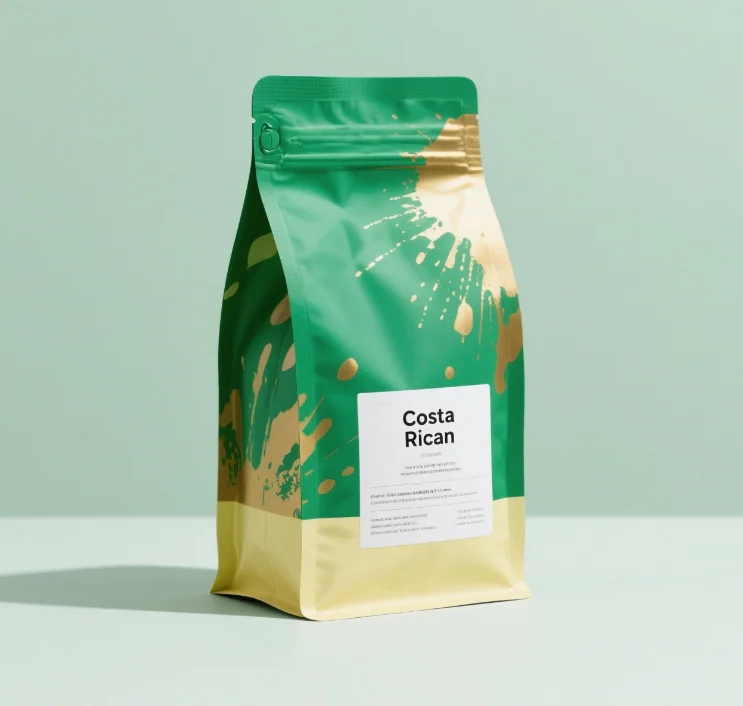
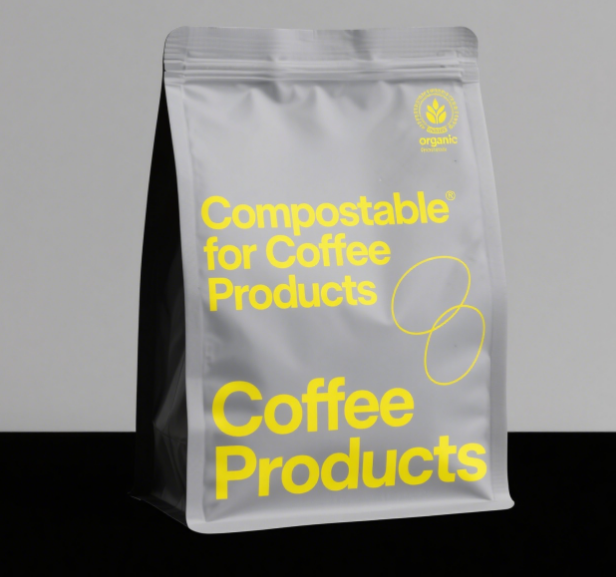
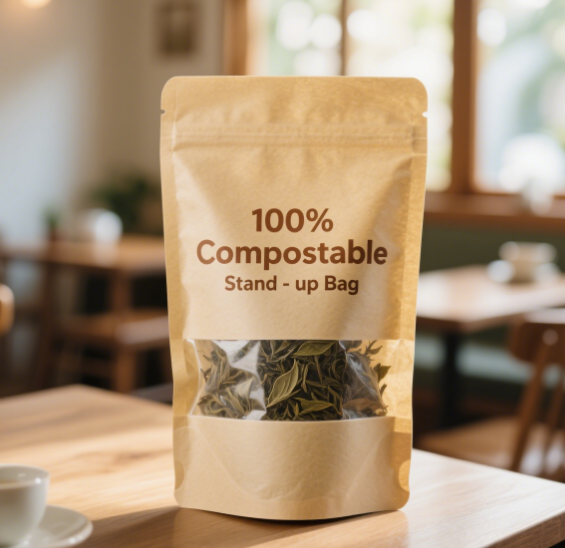
Compostable coffee packaging represents a revolutionary advancement in sustainable food packaging technology, specifically designed to address the environmental challenges posed by traditional coffee packaging materials. This innovative packaging solution combines advanced biodegradable polymers with specialized barrier technologies to create containers that maintain coffee freshness while completely breaking down in commercial composting facilities within 90 to 180 days. The main functions of compostable coffee packaging include preserving coffee bean quality through moisture and oxygen barrier properties, extending shelf life through innovative sealing mechanisms, and providing complete biodegradability without leaving harmful residues in soil systems. Technological features encompass plant-based film materials derived from cornstarch, sugarcane, and cellulose fibers, along with water-based adhesives and compostable valve systems that allow carbon dioxide release while preventing oxygen ingress. The packaging incorporates multilayer structures that combine different biodegradable materials to achieve optimal barrier performance, ensuring coffee beans remain fresh for extended periods. Applications span across various coffee industry sectors, including specialty coffee roasters, commercial coffee brands, single-serve pod manufacturers, and retail coffee distributors seeking sustainable packaging alternatives. The technology enables coffee companies to reduce their environmental footprint while meeting consumer demands for eco-friendly packaging solutions. Manufacturing processes utilize renewable energy sources and water-based printing inks that comply with composting standards, ensuring every component contributes to the packaging's complete biodegradability. Quality control systems monitor barrier performance, seal integrity, and compostability certifications throughout production cycles. The packaging design accommodates various coffee formats, from whole beans to ground coffee, while maintaining product visibility through clear biodegradable windows when required.

Popular Products

Compostable coffee packaging delivers substantial environmental benefits that directly translate into competitive advantages for coffee businesses and meaningful value for environmentally conscious consumers. The primary advantage lies in its complete biodegradability, which eliminates long-term waste accumulation in landfills and reduces the carbon footprint associated with traditional packaging disposal methods. Unlike conventional coffee packaging that can take decades to decompose, compostable alternatives break down naturally within months, returning valuable nutrients to soil systems and supporting circular economy principles. Cost efficiency emerges as another significant advantage, particularly as production scales increase and waste disposal costs continue rising globally. Companies adopting compostable coffee packaging often experience reduced waste management expenses and potential tax incentives offered by governments promoting sustainable business practices. Brand differentiation becomes increasingly valuable as consumer awareness of environmental issues grows, with compostable packaging serving as a tangible demonstration of corporate responsibility and environmental stewardship. Market research consistently shows that consumers willingly pay premium prices for products packaged in environmentally friendly materials, directly impacting profit margins and customer loyalty. Regulatory compliance advantages include staying ahead of emerging legislation targeting single-use plastics and packaging waste, protecting businesses from future regulatory penalties and adaptation costs. Supply chain benefits include partnerships with environmentally focused distributors and retailers who prioritize sustainable product offerings, opening new market channels and distribution opportunities. The packaging maintains superior freshness preservation through advanced barrier technologies, ensuring coffee quality remains uncompromised while delivering environmental benefits. Manufacturing flexibility allows customization of barrier properties, sizes, and designs to meet specific product requirements without sacrificing compostability characteristics. Employee satisfaction and recruitment advantages emerge as businesses demonstrate commitment to environmental values, attracting talent who prioritize working for socially responsible organizations. International market access improves as many regions implement stricter packaging regulations, making compostable options essential for global expansion strategies.

Practical Tips

Exploring Sustainable and Durable Options for Pet Food Packaging

08

Sep

Exploring Sustainable and Durable Options for Pet Food Packaging

The Evolution of Modern Pet Food Packaging Solutions The landscape of pet food packaging has undergone a remarkable transformation in recent years, driven by increasing environmental consciousness and the growing demand for sustainable solutions. As ...
View More
Aluminum Foil Bag vs Plastic: Which is Better?

27

Nov

Aluminum Foil Bag vs Plastic: Which is Better?

The packaging industry continues to evolve as businesses seek optimal solutions for product protection, sustainability, and cost-effectiveness. When comparing packaging materials, the debate between aluminum foil bag options and traditional plastic a...
View More
How to Choose Quality Aluminum Foil Bags for Packaging

27

Nov

How to Choose Quality Aluminum Foil Bags for Packaging

In today's competitive marketplace, selecting the right packaging solution is crucial for product protection, brand recognition, and customer satisfaction. An aluminum foil bag represents one of the most versatile and effective packaging options avai...
View More
Retort Pouch vs Canning: Which is Better for Food Storage?

27

Nov

Retort Pouch vs Canning: Which is Better for Food Storage?

Food preservation has evolved dramatically over the past century, with traditional canning methods now competing against innovative packaging technologies. Among the most significant advancements in food storage is the retort pouch, a flexible packag...
View More

Get a Free Quote

Our representative will contact you soon.
Email
Name
Company Name
Mobile
Message
0/1000

compostable coffee packaging

Advanced Barrier Technology for Superior Coffee Freshness

Advanced Barrier Technology for Superior Coffee Freshness

The barrier technology integrated into compostable coffee packaging represents a breakthrough in sustainable packaging engineering, delivering freshness protection that rivals or exceeds traditional plastic packaging while maintaining complete biodegradability. This advanced system utilizes multiple layers of plant-based polymers, each engineered to provide specific protective functions against moisture, oxygen, light, and aromatic compound migration. The outer layer consists of cellulose-based materials that provide structural integrity and printability, while inner layers incorporate specialized biopolymers derived from renewable sources like corn starch and potato starch. These materials create an effective barrier system that prevents oxidation of coffee oils, which is crucial for maintaining flavor profiles and aromatic compounds that define coffee quality. The technology includes microscopic clay particles dispersed throughout the polymer matrix, creating a tortuous path that significantly reduces gas permeability without compromising compostability. One-way valve systems integrated into the packaging allow carbon dioxide release from freshly roasted coffee while preventing oxygen ingress, maintaining optimal internal atmosphere conditions. The barrier performance equals conventional packaging standards, with oxygen transmission rates below 0.5 cc/m²/day and water vapor transmission rates under 0.1 g/m²/day, ensuring coffee remains fresh for months rather than weeks. Temperature stability ensures barrier properties remain consistent across various storage conditions, from warehouse environments to retail shelves and consumer kitchens. The technology undergoes rigorous testing protocols that simulate real-world conditions, including temperature fluctuations, humidity variations, and mechanical stress factors that packaging encounters throughout the supply chain. Quality assurance systems monitor barrier performance throughout the manufacturing process, ensuring consistent protection levels across all production batches while maintaining compostability certifications.
Complete Biodegradability with Certified Compostability Standards

Complete Biodegradability with Certified Compostability Standards

The compostability certification of coffee packaging represents the gold standard in sustainable packaging solutions, ensuring complete biodegradation within specific timeframes under controlled composting conditions while leaving no harmful residues in soil systems. This certification process involves rigorous testing protocols conducted by independent laboratories following international standards such as ASTM D6400, EN 13432, and AS 4736, which evaluate biodegradation rates, disintegration timelines, and ecotoxicity levels. The packaging materials undergo controlled composting tests lasting 90 to 180 days, during which microbial activity breaks down polymer chains into carbon dioxide, water, and biomass, with biodegradation rates exceeding 90 percent within the specified timeframe. Heavy metal content testing ensures that materials contain no toxic substances that could contaminate compost or soil, meeting strict limits for lead, cadmium, mercury, and other potentially harmful elements. Disintegration testing evaluates how quickly packaging breaks down into small fragments that integrate seamlessly with organic compost materials, ensuring no visible packaging remnants remain after the composting process completes. Ecotoxicity assessments examine the impact of composted materials on plant growth and soil organisms, confirming that the resulting compost supports healthy plant development without adverse environmental effects. The certification process includes molecular weight analysis to verify complete polymer breakdown and chemical composition analysis to ensure no synthetic additives or non-compostable components remain in the final compost product. Regular third-party audits of manufacturing facilities ensure ongoing compliance with compostability standards, maintaining certification validity and consumer trust in the packaging's environmental claims. Documentation requirements include batch tracking systems that monitor raw material sources, manufacturing processes, and quality control measures, ensuring traceability throughout the production chain. The certification enables commercial composting facilities to accept the packaging materials confidently, supporting waste diversion programs and municipal composting initiatives that reduce landfill burden.
Sustainable Manufacturing Process with Renewable Resource Utilization

Sustainable Manufacturing Process with Renewable Resource Utilization

The manufacturing process for compostable coffee packaging exemplifies sustainable industrial practices by utilizing renewable resources, minimizing energy consumption, and eliminating toxic chemicals typically associated with conventional packaging production. Raw material sourcing focuses on plant-based feedstocks including corn, sugarcane, potato starch, and cellulose fibers harvested from sustainably managed forests, ensuring the carbon cycle remains balanced and renewable resource depletion is prevented. Production facilities incorporate renewable energy systems such as solar panels, wind turbines, and biomass generators, significantly reducing the carbon footprint associated with manufacturing operations while demonstrating commitment to clean energy adoption. Water-based adhesives and printing inks replace solvent-based alternatives, eliminating volatile organic compounds that contribute to air pollution and worker health risks while maintaining high-quality printing and sealing performance. The extrusion and forming processes operate at lower temperatures compared to traditional plastic manufacturing, reducing energy consumption by up to 30 percent while maintaining material integrity and performance characteristics. Waste reduction initiatives include closed-loop systems that recapture and reprocess manufacturing byproducts, minimizing raw material waste and reducing disposal costs. Quality control systems utilize advanced sensors and automated monitoring to optimize material usage, reduce defect rates, and ensure consistent product quality without excessive material consumption. Supply chain partnerships prioritize local and regional suppliers when possible, reducing transportation emissions and supporting local economies while ensuring reliable material availability. Employee training programs focus on sustainable manufacturing practices, waste reduction techniques, and environmental stewardship, creating a workforce committed to continuous improvement in sustainability performance. Life cycle assessments conducted throughout the manufacturing process identify opportunities for further environmental impact reduction, ensuring ongoing optimization of resource utilization and waste minimization. The manufacturing facilities undergo regular environmental audits and maintain certifications for sustainable business practices, demonstrating transparency and accountability in environmental performance reporting.

Get a Free Quote

Our representative will contact you soon.
Email
Name
Company Name
Mobile
Message
0/1000