Premium Compostable Food Packaging Bags - Sustainable Solutions for Modern Food Industry

Get a Free Quote

Our representative will contact you soon.
Email
Name
Company Name
Mobile
Message
0/1000

compostable food packaging bags

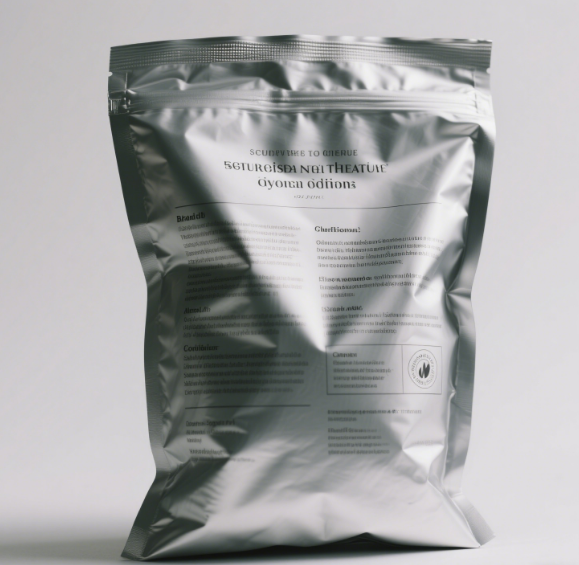
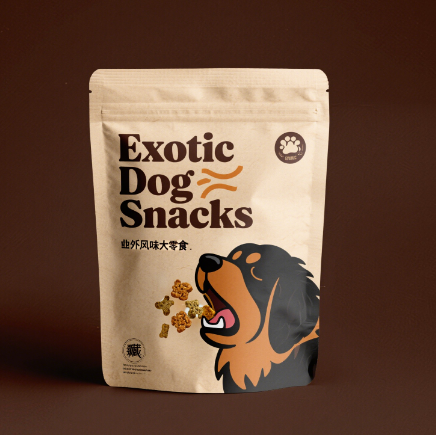
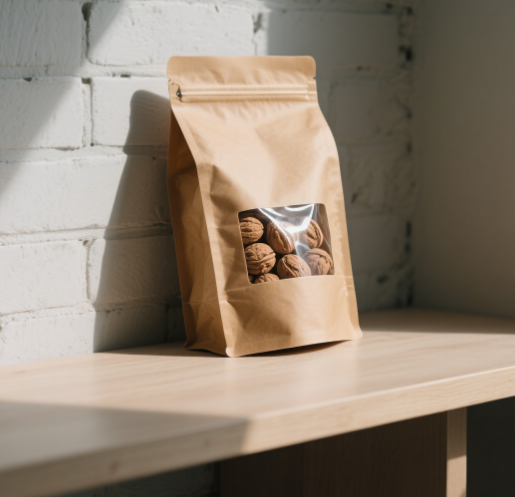
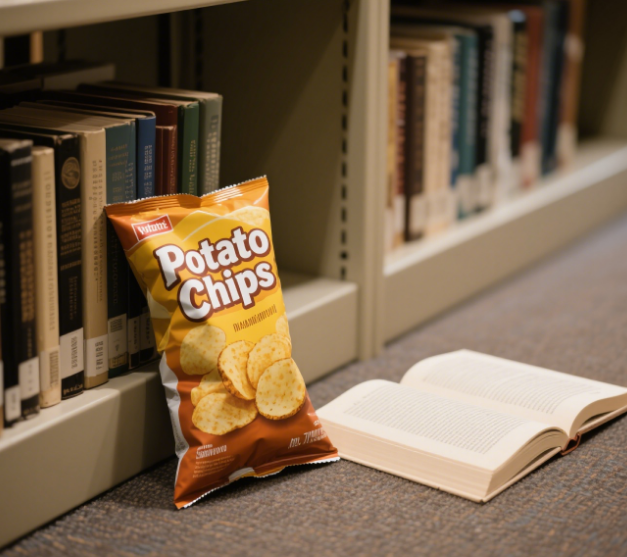
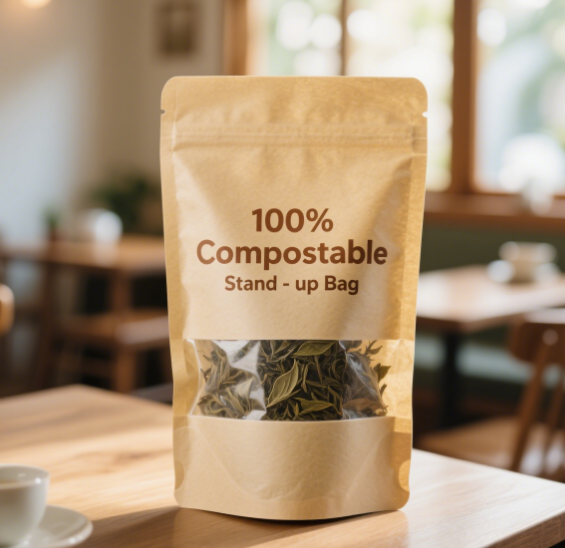
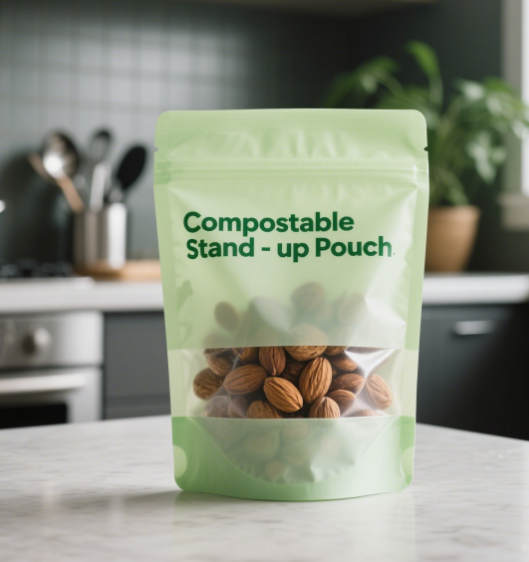
Compostable food packaging bags represent a revolutionary advancement in sustainable packaging solutions, designed to address growing environmental concerns while maintaining exceptional food safety standards. These innovative packaging solutions utilize plant-based materials such as cornstarch, sugarcane bagasse, and other renewable resources to create durable, functional containers that completely decompose in commercial composting facilities within 90-180 days. The main functions of compostable food packaging bags include moisture barrier protection, oxygen resistance, and temperature stability, ensuring food products maintain freshness and quality throughout their shelf life. Technological features encompass advanced bio-polymer construction that provides excellent tensile strength, puncture resistance, and seal integrity comparable to traditional plastic alternatives. The manufacturing process involves sophisticated extrusion techniques that blend natural polymers with biodegradable additives, creating packaging materials that meet stringent food safety regulations while offering superior environmental performance. Applications span across various food sectors including fresh produce packaging, frozen food containers, takeaway meal packaging, snack food pouches, and retail grocery bags. These compostable food packaging bags demonstrate remarkable versatility in accommodating different food types, from dry goods requiring moisture protection to fresh items needing breathable packaging. The technology behind these sustainable solutions incorporates controlled-atmosphere packaging capabilities, extending product shelf life while maintaining nutritional value and taste integrity. Manufacturing standards ensure compliance with international composting certifications including ASTM D6400 and EN 13432, guaranteeing complete biodegradation without harmful residues. The packaging design flexibility allows for custom printing, various sizes, and specialized features such as resealable closures, tear notches, and transparent windows, meeting diverse commercial requirements while supporting brand visibility and consumer convenience.


New Products

Compostable food packaging bags deliver significant environmental benefits that directly impact businesses and consumers seeking sustainable alternatives to traditional plastic packaging. These innovative solutions eliminate long-term waste accumulation by breaking down completely in commercial composting facilities, transforming into nutrient-rich soil amendment within months rather than persisting in landfills for decades. Businesses adopting compostable food packaging bags experience enhanced brand reputation as environmentally conscious organizations, attracting eco-minded consumers who prioritize sustainable purchasing decisions. Cost benefits emerge through reduced waste management expenses, as composting programs often cost less than traditional waste disposal methods, particularly in regions with landfill taxes or plastic waste penalties. The superior barrier properties of compostable food packaging bags maintain product freshness effectively, reducing food spoilage and minimizing inventory losses that typically occur with inferior packaging materials. These packaging solutions offer excellent printability and customization options, allowing brands to maintain attractive visual appeal while communicating sustainability commitments directly to consumers. Regulatory compliance becomes simplified as governments worldwide implement plastic reduction mandates and extended producer responsibility programs, positioning early adopters advantageously in evolving regulatory landscapes. Supply chain benefits include lighter weight compared to some traditional alternatives, reducing transportation costs and carbon footprints during distribution. Consumer convenience remains paramount, as compostable food packaging bags provide familiar functionality including easy opening, secure closure, and transparent viewing windows where needed. The versatile nature of these packaging solutions accommodates various food categories without requiring significant changes to existing packaging equipment or processes, enabling smooth transitions for manufacturers. Quality assurance standards ensure that compostable food packaging bags meet rigorous food safety requirements, providing barrier protection against contamination, moisture, and oxygen infiltration. Long-term cost stability emerges as production scales increase and raw material costs decrease, making sustainable packaging economically viable for businesses of all sizes.

Tips And Tricks

The impact of high-quality packaging on pet food sales

08

Sep

The impact of high-quality packaging on pet food sales

Transforming Pet Food Market Success Through Premium Packaging Solutions In today's competitive pet food industry, packaging has emerged as a critical differentiator that can make or break product success. Pet food packaging does more than just conta...
View More
Food/daily necessities universal: environmentally friendly self standing bag, sealed and non leaking+biodegradable, balancing convenience and green

18

Sep

Food/daily necessities universal: environmentally friendly self standing bag, sealed and non leaking+biodegradable, balancing convenience and green

The Evolution of Sustainable Packaging Solutions In our modern world, the intersection of convenience and environmental responsibility has become increasingly important. The emergence of environmentally friendly self standing bags represents a signif...
View More
Food grade PE material! Self standing bags have no odor or leakage, and can be used for baby snacks and elderly complementary foods

21

Oct

Food grade PE material! Self standing bags have no odor or leakage, and can be used for baby snacks and elderly complementary foods

Superior Food Storage Solutions: Understanding Food Grade PE Standing Bags When it comes to storing food safely, especially for our most vulnerable family members like babies and the elderly, the choice of packaging material becomes crucial. Food gra...
View More
Recyclable+self standing and stable storage! It is used for daily chemical samples and travel packaging, which is both environmentally friendly and leak proof

21

Oct

Recyclable+self standing and stable storage! It is used for daily chemical samples and travel packaging, which is both environmentally friendly and leak proof

Revolutionizing Storage with Sustainable Solutions In today's environmentally conscious world, the demand for sustainable storage solutions has never been greater. Recyclable self-standing containers have emerged as a game-changing innovation, offeri...
View More

Get a Free Quote

Our representative will contact you soon.
Email
Name
Company Name
Mobile
Message
0/1000

compostable food packaging bags

Complete Environmental Breakdown Without Harmful Residues

Complete Environmental Breakdown Without Harmful Residues

Compostable food packaging bags achieve complete environmental breakdown through carefully engineered bio-polymer compositions that transform entirely into carbon dioxide, water, and biomass under proper composting conditions. This remarkable characteristic distinguishes these packaging solutions from conventional plastics that fragment into microplastics or biodegradable alternatives that may leave toxic residues. The decomposition process occurs through microbial action in commercial composting facilities where controlled temperature, humidity, and oxygen levels accelerate natural breakdown processes. Independent testing laboratories verify that compostable food packaging bags meet international standards for complete disintegration, ensuring no visible fragments remain after standard composting timeframes. The absence of harmful residues means the resulting compost can safely enrich agricultural soils without introducing persistent organic pollutants or heavy metals that could compromise food safety or environmental health. This complete breakdown capability addresses critical waste management challenges facing municipalities and businesses worldwide, offering a genuine end-of-life solution rather than simply transferring environmental problems from one medium to another. The composting process actually generates valuable soil amendment products, creating a circular economy where packaging waste becomes a resource for agricultural productivity. Commercial composters increasingly welcome these materials because they contribute beneficial organic matter without contaminating finished compost products with non-degradable components. Home composting compatibility varies by product formulation, with some compostable food packaging bags designed specifically for backyard composting systems operating at lower temperatures than industrial facilities. The environmental impact assessment demonstrates significant advantages over landfilling or incineration, including reduced greenhouse gas emissions and elimination of persistent waste accumulation. Quality control measures ensure consistent compostability performance across production batches, providing reliable decomposition rates that composting facility operators can predict and manage effectively within their processing schedules.
Superior Food Protection With Sustainable Materials

Superior Food Protection With Sustainable Materials

Compostable food packaging bags deliver exceptional food protection capabilities through advanced bio-polymer technologies that rival traditional plastic performance while maintaining complete environmental compatibility. These innovative materials provide excellent barrier properties against moisture, oxygen, and light transmission, critical factors for preserving food quality, nutritional content, and shelf life across diverse product categories. The molecular structure of plant-based polymers used in compostable food packaging bags creates effective barriers through crystalline arrangements that resist permeability without relying on synthetic additives or chemical treatments that could compromise safety or compostability. Temperature resistance enables these packaging solutions to withstand freezing conditions for frozen food applications and moderate heat exposure during processing or transportation without compromising structural integrity or barrier performance. Mechanical strength properties including puncture resistance, tear strength, and seal integrity match or exceed conventional packaging materials, ensuring product protection throughout supply chain handling, retail display, and consumer use. The natural antimicrobial properties of certain bio-based materials provide additional food safety benefits by inhibiting bacterial growth and extending product freshness without artificial preservatives or chemical treatments. Compatibility with existing packaging equipment allows manufacturers to utilize compostable food packaging bags without significant machinery modifications or operational changes, maintaining production efficiency while transitioning to sustainable alternatives. Customizable barrier properties enable optimization for specific food applications, from high-moisture products requiring exceptional water vapor resistance to oxygen-sensitive items needing modified atmosphere packaging capabilities. Quality control testing protocols verify that each batch of compostable food packaging bags meets stringent food contact safety standards, ensuring no migration of harmful substances into packaged products. The transparent varieties of compostable food packaging bags maintain excellent clarity for product visibility while providing necessary protection, supporting consumer purchasing decisions and product appeal at retail locations. Advanced printing capabilities allow for high-resolution graphics and text application directly onto packaging surfaces, enabling effective branding and consumer communication without compromising material performance or compostability characteristics.
Cost-Effective Sustainability For Business Growth

Cost-Effective Sustainability For Business Growth

Compostable food packaging bags represent a strategically cost-effective sustainability investment that supports business growth through multiple financial and operational advantages. Initial material costs continue decreasing as production volumes increase globally and manufacturing efficiency improvements reduce unit prices, making sustainable packaging economically competitive with traditional alternatives. The total cost of ownership analysis reveals significant savings potential through reduced waste disposal fees, particularly in regions implementing plastic waste taxes or offering composting incentives that directly impact bottom-line expenses. Brand value enhancement achieved through sustainable packaging adoption translates into measurable market advantages, including increased consumer loyalty, premium pricing opportunities, and expanded market access to environmentally conscious retail partners and food service operators. Regulatory compliance benefits provide protection against future plastic restriction policies and extended producer responsibility requirements that could impose substantial costs on businesses using non-sustainable packaging materials. Supply chain optimization opportunities emerge from the lighter weight characteristics of many compostable food packaging bags, reducing transportation costs and carbon footprint calculations that increasingly influence corporate sustainability reporting requirements. Insurance and risk management advantages include reduced exposure to environmental liability concerns and improved stakeholder relations that can positively influence financing terms and business partnerships. Marketing and promotional benefits enable companies to differentiate products effectively in competitive markets, using sustainability messaging to justify premium positioning and attract target demographics willing to pay more for environmentally responsible options. Operational efficiency gains result from simplified waste stream management, as compostable materials can be processed through existing organic waste programs rather than requiring separate disposal arrangements. Employee engagement and recruitment advantages emerge as sustainability initiatives attract top talent and improve workplace satisfaction scores, reducing hiring and retention costs while building stronger organizational culture. Long-term strategic positioning benefits include preparation for evolving consumer preferences and regulatory requirements that increasingly favor sustainable business practices across all industries. Financial reporting advantages include improved ESG scores that can influence investment decisions and stakeholder confidence, particularly important for publicly traded companies or those seeking sustainable financing options.

Get a Free Quote

Our representative will contact you soon.
Email
Name
Company Name
Mobile
Message
0/1000