Sustainable Compostable Plastic Packaging Solutions - Eco-Friendly Alternative for Modern Businesses

Get a Free Quote

Our representative will contact you soon.
Email
Name
Company Name
Mobile
Message
0/1000

compostable plastic packaging

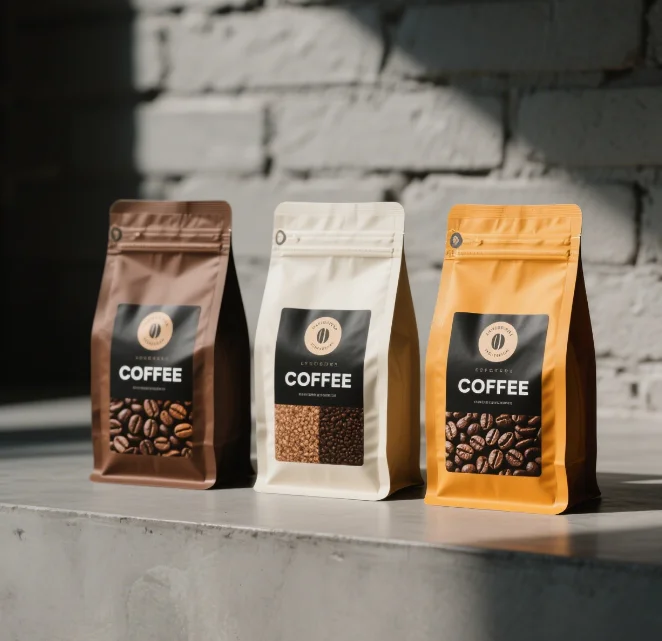
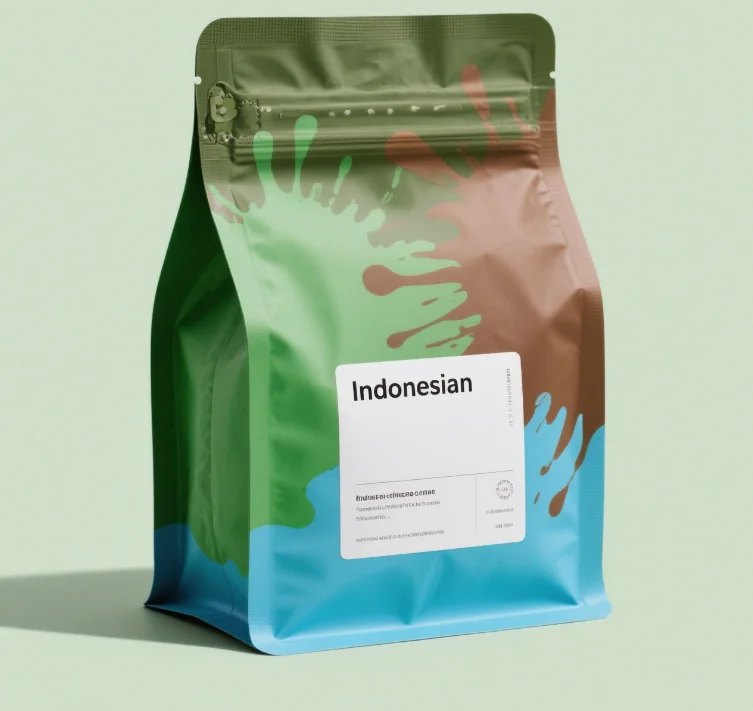
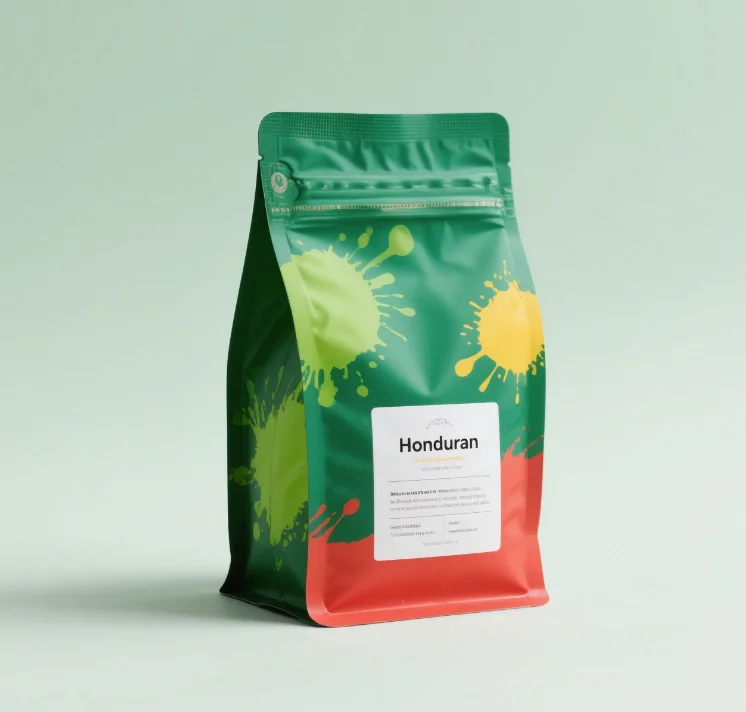
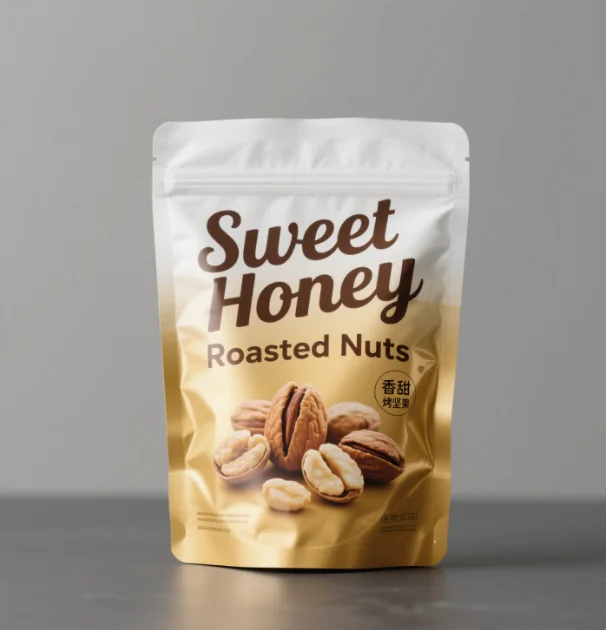
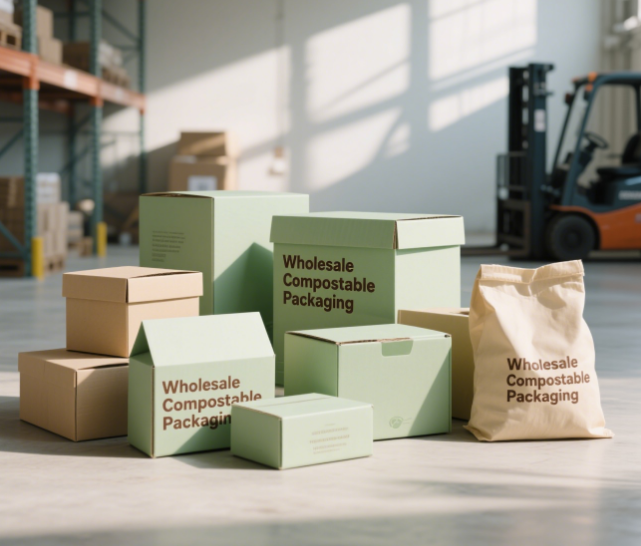
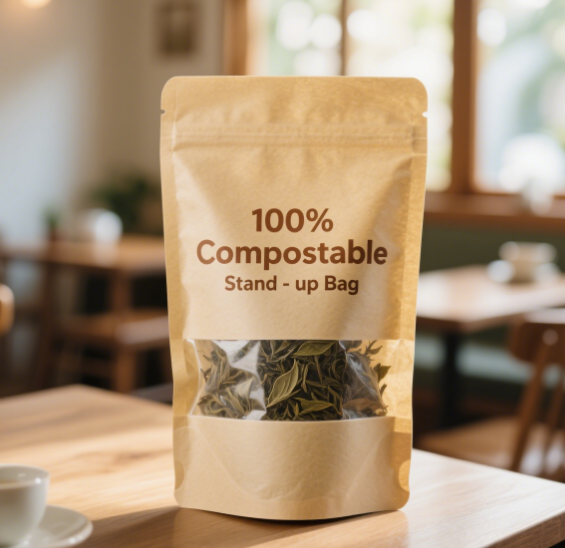
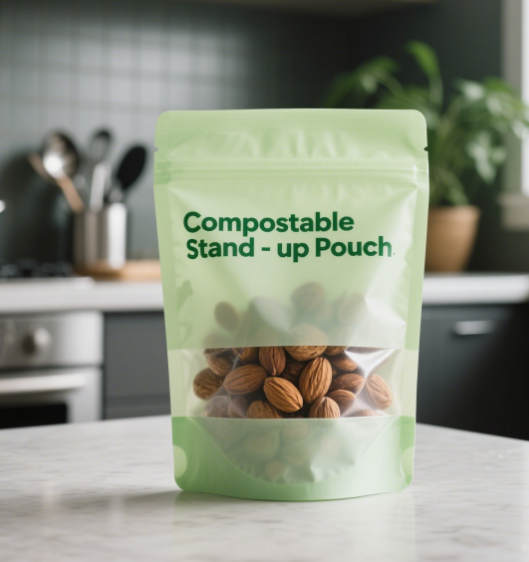
Compostable plastic packaging represents a revolutionary advancement in sustainable packaging solutions, designed to address the growing environmental concerns associated with traditional plastic waste. This innovative packaging material combines the functional benefits of conventional plastics with the environmental responsibility of biodegradable materials. Compostable plastic packaging breaks down naturally in commercial composting facilities within 90 to 180 days, leaving no toxic residues behind. The main functions of compostable plastic packaging include protecting products from moisture, oxygen, and contamination while maintaining structural integrity throughout the supply chain. These materials excel in barrier protection, ensuring food freshness and extending shelf life comparable to traditional packaging options. The technological features of compostable plastic packaging stem from advanced biopolymer chemistry, utilizing renewable resources such as cornstarch, sugarcane, and other plant-based materials. Manufacturing processes incorporate specialized additives that accelerate decomposition under proper composting conditions while maintaining durability during normal use. The molecular structure of these materials allows for controlled breakdown when exposed to specific temperature, humidity, and microbial conditions found in industrial composting environments. Applications for compostable plastic packaging span numerous industries, with food service leading adoption rates. Restaurants, cafeterias, and takeout establishments utilize these materials for containers, utensils, and food wraps. Retail grocery stores increasingly offer compostable produce bags and packaging for fresh items. The agriculture sector employs compostable mulch films and plant pots that eliminate removal requirements. E-commerce companies adopt compostable mailers and protective packaging to reduce shipping-related environmental impact. Medical and pharmaceutical industries explore applications for single-use items and sterile packaging. The versatility of compostable plastic packaging extends to various product formats including films, rigid containers, flexible pouches, and molded products, making it suitable for diverse packaging requirements across multiple sectors.


New Product Releases

Compostable plastic packaging delivers significant environmental benefits that directly address consumer and business sustainability goals. This packaging solution reduces landfill waste accumulation by breaking down completely in composting facilities, eliminating the centuries-long persistence of traditional plastics in the environment. Businesses adopting compostable plastic packaging demonstrate environmental leadership, attracting environmentally conscious consumers who prioritize sustainable purchasing decisions. The material composition derives from renewable resources, reducing dependence on fossil fuels and supporting agricultural economies through increased demand for plant-based raw materials. Cost advantages emerge through waste management savings, as many municipalities offer reduced fees for compostable waste streams compared to traditional garbage disposal. Companies experience enhanced brand reputation and customer loyalty when implementing compostable plastic packaging, often justifying premium pricing strategies. Regulatory compliance becomes streamlined as governments worldwide implement stricter packaging waste regulations, positioning early adopters ahead of mandatory requirements. The functional performance of compostable plastic packaging matches traditional options in most applications, providing adequate moisture barriers, puncture resistance, and printing capabilities for branding requirements. Supply chain benefits include lighter weight options that reduce transportation costs and carbon footprints during distribution. Manufacturing processes for compostable plastic packaging continue improving efficiency and reducing production costs, making adoption increasingly economical. Worker safety improves in facilities handling compostable materials, as these products typically contain fewer harmful chemicals compared to conventional plastic production. End-user convenience increases through simplified waste sorting, as consumers can dispose of food waste and packaging together in composting programs. Quality assurance standards for compostable plastic packaging ensure consistent performance while meeting international certification requirements. The circular economy benefits include soil enrichment from composted materials, creating valuable organic matter that supports agricultural productivity. Innovation opportunities expand as companies develop new applications and improve material properties, driving competitive advantages in sustainability-focused markets. Long-term economic benefits include reduced environmental cleanup costs and potential carbon credit opportunities as businesses demonstrate measurable environmental impact reductions through compostable plastic packaging adoption.

Practical Tips

The key to keeping pet food fresh: innovative packaging solutions

18

Sep

The key to keeping pet food fresh: innovative packaging solutions

Modern Innovations Revolutionizing Pet Food Freshness The evolution of pet food packaging has transformed dramatically over the past decade, with innovative solutions emerging to address the growing demands of pet owners who prioritize freshness and ...
View More
Food/daily necessities universal: environmentally friendly self standing bag, sealed and non leaking+biodegradable, balancing convenience and green

18

Sep

Food/daily necessities universal: environmentally friendly self standing bag, sealed and non leaking+biodegradable, balancing convenience and green

The Evolution of Sustainable Packaging Solutions In our modern world, the intersection of convenience and environmental responsibility has become increasingly important. The emergence of environmentally friendly self standing bags represents a signif...
View More
Food grade PE material! Self standing bags have no odor or leakage, and can be used for baby snacks and elderly complementary foods

21

Oct

Food grade PE material! Self standing bags have no odor or leakage, and can be used for baby snacks and elderly complementary foods

Superior Food Storage Solutions: Understanding Food Grade PE Standing Bags When it comes to storing food safely, especially for our most vulnerable family members like babies and the elderly, the choice of packaging material becomes crucial. Food gra...
View More
Recyclable+self standing and stable storage! It is used for daily chemical samples and travel packaging, which is both environmentally friendly and leak proof

21

Oct

Recyclable+self standing and stable storage! It is used for daily chemical samples and travel packaging, which is both environmentally friendly and leak proof

Revolutionizing Storage with Sustainable Solutions In today's environmentally conscious world, the demand for sustainable storage solutions has never been greater. Recyclable self-standing containers have emerged as a game-changing innovation, offeri...
View More

Get a Free Quote

Our representative will contact you soon.
Email
Name
Company Name
Mobile
Message
0/1000

compostable plastic packaging

Complete Biodegradation in Commercial Composting Facilities

Complete Biodegradation in Commercial Composting Facilities

The most compelling advantage of compostable plastic packaging lies in its ability to achieve complete biodegradation within industrial composting environments, transforming from functional packaging into nutrient-rich compost within 90 to 180 days. This remarkable capability addresses one of the most pressing environmental challenges of our time - plastic waste accumulation. Unlike traditional plastics that persist in landfills for hundreds of years, compostable plastic packaging undergoes controlled decomposition through microbial action under specific temperature and humidity conditions maintained in commercial composting facilities. The biodegradation process follows international standards such as ASTM D6400 and EN 13432, ensuring materials break down into carbon dioxide, water, and biomass without leaving harmful residues. This certification process involves rigorous testing to verify that materials disintegrate completely and support healthy plant growth in resulting compost. The value this brings to customers extends beyond environmental benefits to practical waste management solutions. Businesses can significantly reduce their waste disposal costs by diverting compostable packaging to commercial composting programs, which often charge lower fees than traditional waste streams. Restaurants and food service operations particularly benefit from this feature, as they can combine food waste and packaging in single disposal streams, simplifying waste sorting procedures and reducing labor costs. Municipalities increasingly offer compostable waste collection services, making disposal convenient for both businesses and consumers. The resulting compost creates valuable soil amendments that support local agriculture and landscaping projects, completing a true circular economy cycle. Companies utilizing compostable plastic packaging can quantify their environmental impact reduction, providing measurable data for sustainability reporting and marketing communications. This transparency appeals to environmentally conscious consumers who actively seek brands demonstrating genuine environmental stewardship. The complete biodegradation feature also future-proofs businesses against evolving environmental regulations, as governments worldwide implement stricter packaging waste requirements and plastic reduction mandates.
Renewable Resource Foundation with Superior Performance

Renewable Resource Foundation with Superior Performance

Compostable plastic packaging derives its structural integrity and functional performance from renewable biological resources, primarily plant-based materials such as cornstarch, sugarcane bagasse, and other agricultural byproducts. This renewable foundation represents a fundamental shift away from petroleum-based plastics while maintaining the performance characteristics that make plastic packaging indispensable across industries. The sophisticated manufacturing processes transform these natural materials into high-performance packaging through advanced polymer chemistry, creating materials that match or exceed traditional plastic performance in critical areas such as moisture barriers, puncture resistance, and thermal stability. This technological achievement eliminates the performance compromises historically associated with environmentally friendly packaging options. The renewable resource foundation provides substantial economic benefits for customers through price stability and supply chain security. Unlike petroleum-based plastics subject to volatile oil price fluctuations, plant-based raw materials offer more predictable pricing structures tied to agricultural commodities. This stability enables better cost planning and budgeting for businesses implementing sustainable packaging strategies. The agricultural sourcing also supports rural economies and creates additional revenue streams for farmers, contributing to broader economic sustainability goals. Manufacturing facilities producing compostable plastic packaging increasingly utilize renewable energy sources, further reducing the carbon footprint associated with production processes. Quality control measures ensure consistent material properties across production batches, providing reliable performance that meets demanding packaging requirements. The superior performance characteristics include excellent printability for branding and marketing messages, heat-sealability for secure closures, and clarity options for product visibility. Barrier properties effectively protect contents from oxygen, moisture, and light degradation, ensuring product quality and extending shelf life comparable to conventional packaging. Flexibility and strength properties accommodate various packaging formats from thin films to rigid containers, supporting diverse application requirements. The renewable resource foundation also enables continuous innovation in material properties, as researchers develop enhanced formulations that improve performance while maintaining environmental benefits.
Seamless Integration with Existing Packaging Operations

Seamless Integration with Existing Packaging Operations

Compostable plastic packaging demonstrates exceptional compatibility with existing packaging equipment, processing systems, and operational workflows, enabling businesses to transition to sustainable packaging without significant infrastructure investments or operational disruptions. This seamless integration capability addresses one of the primary barriers to sustainable packaging adoption - the concern about costly equipment modifications and process changes. The material properties of compostable plastic packaging allow processing on standard packaging machinery, including form-fill-seal equipment, thermoforming machines, and printing systems, requiring minimal adjustments to achieve optimal results. This compatibility extends to heat-sealing temperatures, processing speeds, and handling characteristics that align with established operational parameters. The integration benefits provide immediate value to customers through reduced implementation costs and faster adoption timelines. Companies can begin using compostable plastic packaging without extensive retraining programs or equipment replacements, minimizing transition periods and maintaining productivity levels. The familiar handling characteristics ensure worker safety and efficiency remain consistent throughout the changeover process. Quality assurance protocols translate directly from conventional packaging systems, utilizing existing testing equipment and measurement standards to verify package integrity and performance. Supply chain integration occurs smoothly as compostable plastic packaging maintains the same storage requirements, shelf stability, and transportation considerations as traditional options. Inventory management systems require no modifications, as product dimensions and packaging configurations remain consistent with existing specifications. The printing and branding capabilities support current marketing strategies and visual identity requirements, ensuring no compromise in product presentation or consumer recognition. Distribution networks accommodate compostable plastic packaging without modifications to handling procedures or storage conditions. Retail display systems work effectively with these materials, maintaining product visibility and shelf appeal. The integration extends to end-user experience, as consumers interact with compostable plastic packaging using familiar opening, closing, and disposal methods. This continuity reduces consumer education requirements while supporting adoption rates. Manufacturing scheduling remains flexible, as production runs can incorporate compostable materials alongside traditional options during transition periods, allowing gradual implementation strategies that minimize risk and optimize resource utilization.

Get a Free Quote

Our representative will contact you soon.
Email
Name
Company Name
Mobile
Message
0/1000