Affordable Food Packaging Solutions - High-Quality Inexpensive Food Packaging Options

Get a Free Quote

Our representative will contact you soon.
Email
Name
Company Name
Mobile
Message
0/1000

inexpensive food packaging

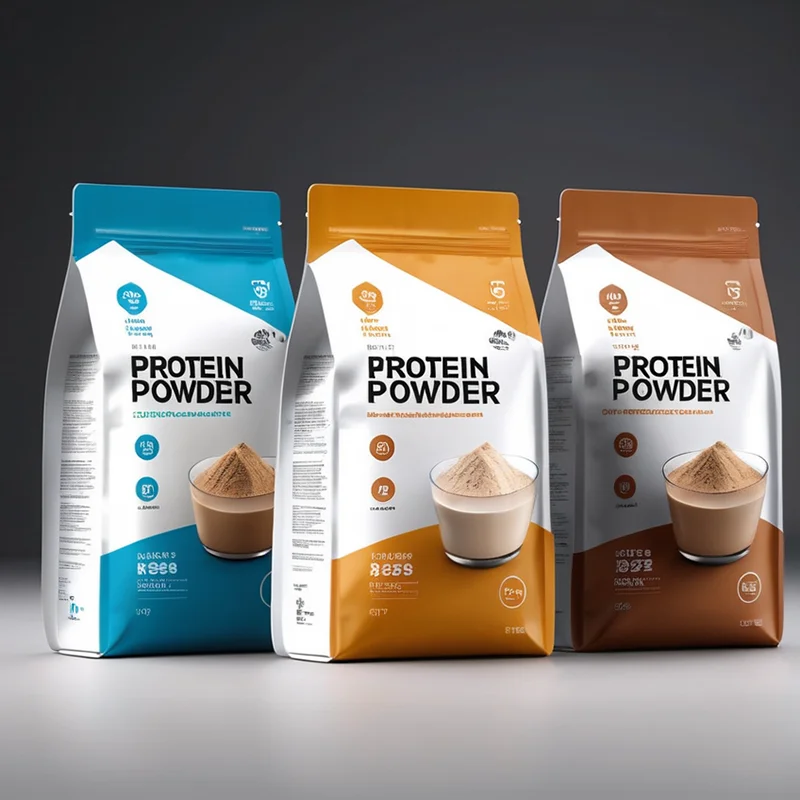
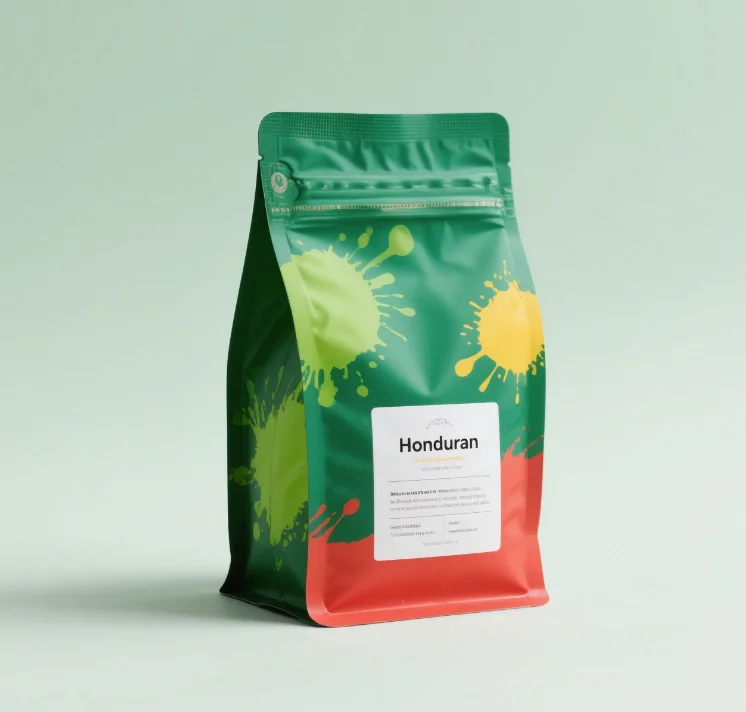
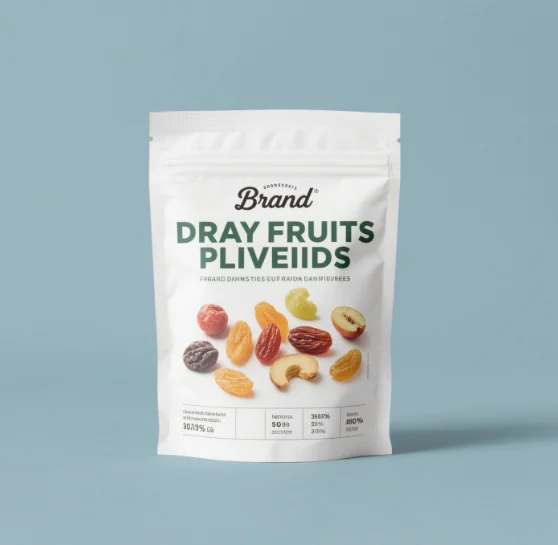
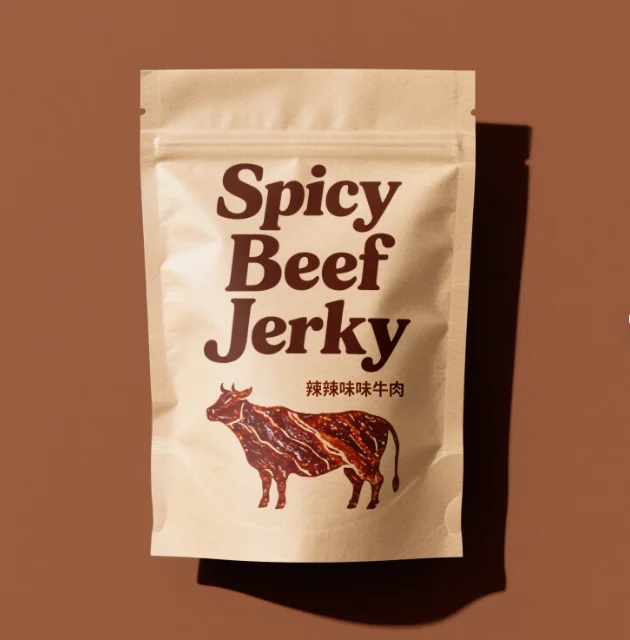
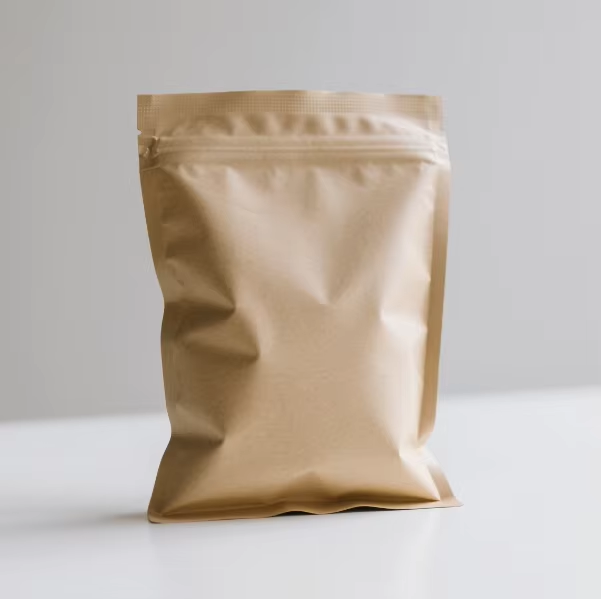
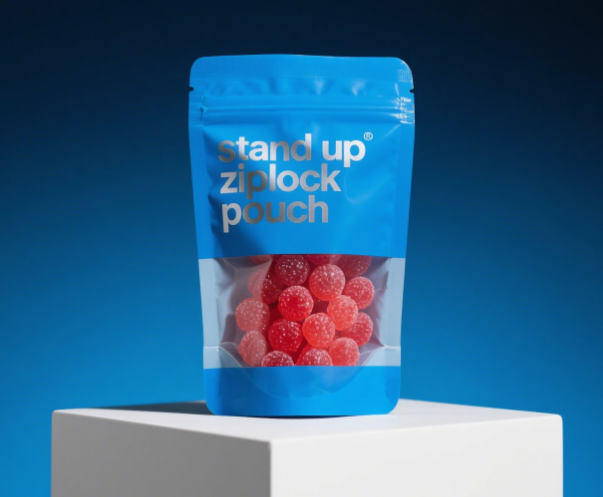
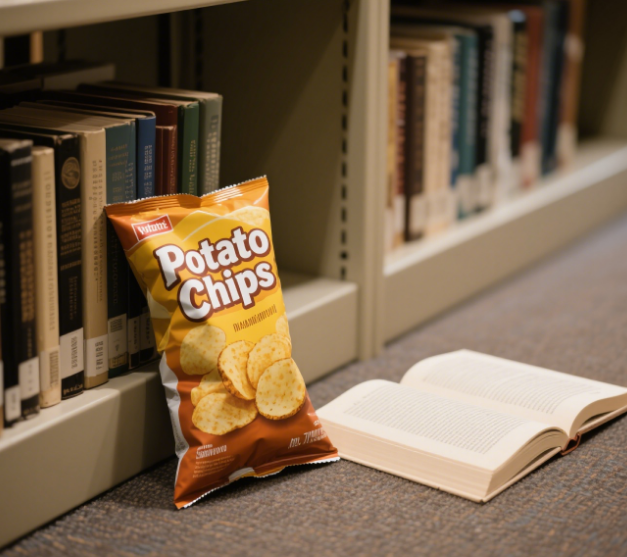
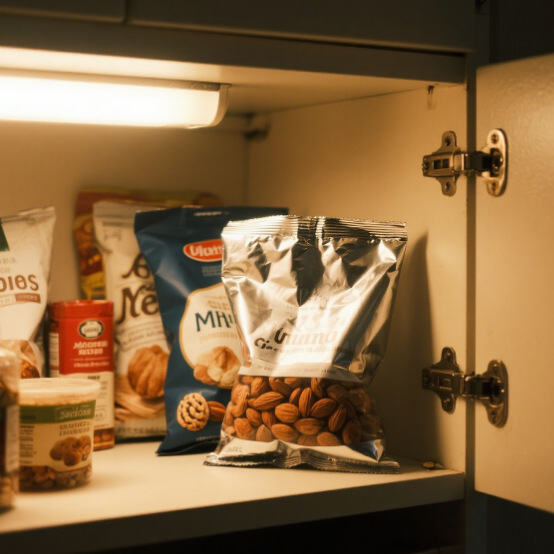
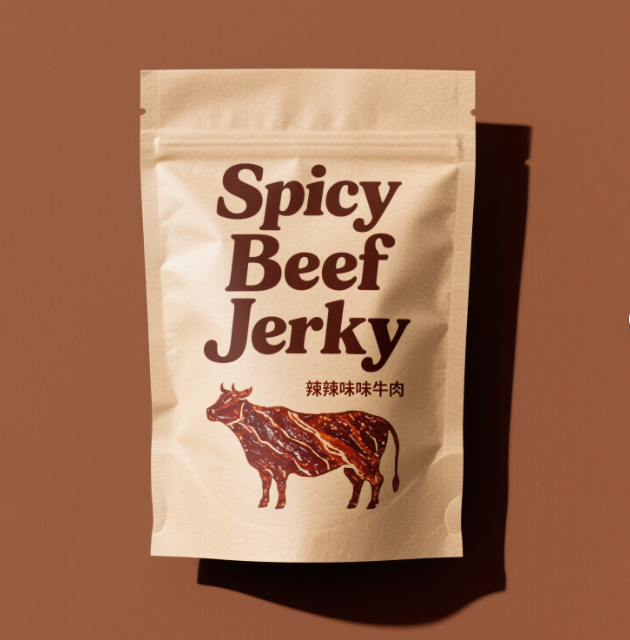
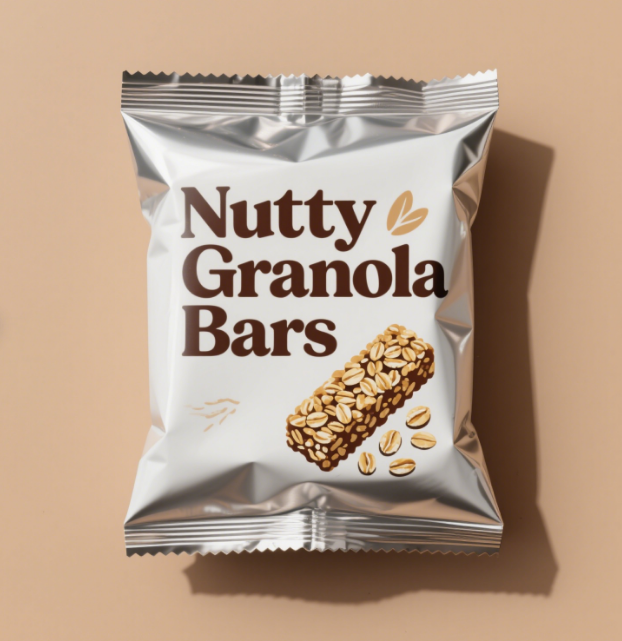
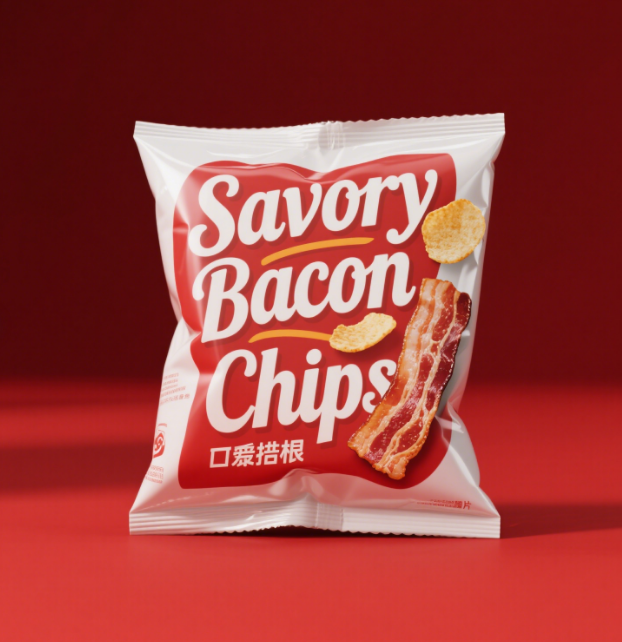
Inexpensive food packaging represents a revolutionary approach to product protection and presentation that delivers exceptional value without compromising quality or functionality. This cost-effective solution combines innovative materials science with practical design principles to create packaging systems that meet diverse industry needs while maintaining strict budget constraints. The primary functions of inexpensive food packaging encompass product preservation, contamination prevention, portion control, and brand communication, all achieved through carefully engineered materials and manufacturing processes that optimize both performance and affordability. Modern inexpensive food packaging utilizes advanced polymer technologies, including multi-layer barrier films, recyclable plastics, and biodegradable compounds that provide superior protection against moisture, oxygen, light, and physical damage. These technological features include heat-sealable properties, puncture resistance, temperature stability, and customizable printing capabilities that allow businesses to maintain professional appearance standards while controlling operational costs. The applications for inexpensive food packaging span numerous sectors including retail food service, catering operations, takeaway restaurants, food manufacturing, agricultural distribution, and institutional feeding programs. Manufacturing facilities leverage these solutions for bulk packaging, portion packaging, and secondary packaging applications that require consistent performance across high-volume production lines. Retail environments benefit from the versatility of inexpensive food packaging through improved shelf appeal, extended product freshness, and reduced waste management costs. The packaging systems accommodate various food categories including fresh produce, prepared meals, baked goods, dairy products, frozen items, and dry goods, each requiring specific barrier properties and structural characteristics. Contemporary inexpensive food packaging integrates sustainability considerations through material selection, design optimization, and end-of-life disposal options that align with environmental responsibility goals while maintaining cost-effectiveness objectives.


New Product Releases

The advantages of inexpensive food packaging extend far beyond simple cost savings, delivering comprehensive benefits that transform business operations and customer satisfaction levels. Budget optimization stands as the most immediate advantage, enabling companies to allocate resources more effectively across marketing, product development, and operational improvements while maintaining packaging standards that protect product integrity and enhance consumer appeal. Small businesses particularly benefit from reduced packaging costs that improve profit margins and competitive positioning in price-sensitive markets. Supply chain efficiency receives significant enhancement through inexpensive food packaging solutions that streamline inventory management, reduce storage requirements, and simplify procurement processes. The standardized dimensions and lightweight characteristics of these packaging options lower shipping costs, minimize storage space requirements, and accelerate handling procedures throughout distribution networks. Quality preservation capabilities ensure that food products maintain freshness, flavor, and nutritional value during transport and storage periods, reducing waste and improving customer satisfaction rates. The barrier properties of modern inexpensive food packaging effectively prevent contamination, extend shelf life, and maintain product appearance standards that support brand reputation and repeat purchase behavior. Versatility in application allows businesses to utilize single packaging solutions across multiple product lines, reducing complexity in inventory management and supplier relationships while achieving economies of scale in purchasing decisions. Customization options enable companies to incorporate branding elements, product information, and regulatory compliance details without significant cost increases, supporting marketing objectives and legal requirements simultaneously. Environmental considerations benefit from improved material efficiency, reduced packaging waste, and compatibility with recycling systems that address sustainability concerns while maintaining affordability targets. Production scalability accommodates business growth through packaging solutions that perform consistently across varying production volumes, from small batch operations to high-volume manufacturing environments. Consumer convenience features including easy-open mechanisms, portion control sizing, and microwave compatibility enhance user experience and product value perception. The rapid availability of inexpensive food packaging reduces lead times and inventory carrying costs while providing flexibility to respond quickly to market demands and seasonal fluctuations.

Latest News

From 'disposable' to 'return to nature': the environmental code for biodegradable packaging bags

27

Aug

From 'disposable' to 'return to nature': the environmental code for biodegradable packaging bags

The Revolution of Sustainable Packaging in Modern Commerce The packaging industry stands at a crucial turning point as environmental consciousness reshapes consumer behavior and business practices. At the heart of this transformation lies the growing...
View More
Stand on your own without tilting, take it upside down without spilling - a snack/dry goods special stand up bag that can be opened with one hand!

21

Oct

Stand on your own without tilting, take it upside down without spilling - a snack/dry goods special stand up bag that can be opened with one hand!

Revolutionizing Packaging Design with Innovative Stand Up Pouches The world of packaging has witnessed a remarkable transformation with the introduction of specialized stand up bags that are revolutionizing how we store and consume snacks and dry goo...
View More
Recyclable+self standing and stable storage! It is used for daily chemical samples and travel packaging, which is both environmentally friendly and leak proof

21

Oct

Recyclable+self standing and stable storage! It is used for daily chemical samples and travel packaging, which is both environmentally friendly and leak proof

Revolutionizing Storage with Sustainable Solutions In today's environmentally conscious world, the demand for sustainable storage solutions has never been greater. Recyclable self-standing containers have emerged as a game-changing innovation, offeri...
View More
Are Aluminum Foil Bags Safe? Facts You Need to Know

27

Nov

Are Aluminum Foil Bags Safe? Facts You Need to Know

Consumers today are increasingly concerned about packaging safety, particularly when it comes to food storage and preservation. The aluminum foil bag has become a popular choice for packaging various products, from coffee and tea to pharmaceuticals a...
View More

Get a Free Quote

Our representative will contact you soon.
Email
Name
Company Name
Mobile
Message
0/1000

inexpensive food packaging

Superior Cost-Performance Balance

Superior Cost-Performance Balance

The exceptional cost-performance balance of inexpensive food packaging represents a breakthrough in packaging economics that delivers premium functionality at budget-friendly prices. This advantage stems from innovative manufacturing processes that optimize material utilization, reduce production waste, and leverage economies of scale to create packaging solutions that perform comparably to premium alternatives while maintaining significantly lower price points. The value proposition becomes particularly compelling when analyzing total cost of ownership, which includes not only initial packaging costs but also storage expenses, handling efficiency, and waste reduction benefits. Manufacturing optimization techniques employed in producing inexpensive food packaging include precision extrusion processes that minimize material consumption while maintaining structural integrity, automated quality control systems that reduce defect rates and associated costs, and streamlined production workflows that eliminate unnecessary processing steps. These efficiencies translate directly into cost savings that benefit end users without compromising packaging performance standards. The material science behind this cost-performance balance involves carefully selected polymer blends that provide optimal barrier properties, mechanical strength, and processing characteristics at lower raw material costs compared to specialty packaging materials. Advanced testing protocols ensure that inexpensive food packaging meets or exceeds industry standards for food contact safety, barrier performance, and structural durability, providing businesses with confidence in product protection capabilities. Economic analysis consistently demonstrates that businesses utilizing inexpensive food packaging achieve improved profit margins, enhanced competitive positioning, and greater financial flexibility for investment in core business activities. The packaging solutions accommodate diverse application requirements including hot-fill processes, frozen storage conditions, and extended shelf life demands while maintaining cost advantages that support sustainable business growth. Long-term value creation occurs through reduced packaging-related operational costs, improved supply chain efficiency, and enhanced customer satisfaction levels that drive repeat business and market share expansion.
Enhanced Product Protection Technology

Enhanced Product Protection Technology

Enhanced product protection technology in inexpensive food packaging delivers advanced preservation capabilities through innovative barrier systems and structural engineering that safeguard food products against deterioration, contamination, and physical damage throughout the supply chain. The technological foundation includes multi-layer film structures that provide selective permeability characteristics, allowing beneficial properties like flexibility and clarity while blocking harmful elements such as oxygen, moisture, and ultraviolet light that cause product degradation. Oxygen barrier technology utilizes specialized polymer layers that significantly reduce oxygen transmission rates, extending shelf life for sensitive products including fresh meats, prepared foods, and baked goods without requiring expensive vacuum packaging or atmosphere modification systems. Moisture control mechanisms incorporate hydrophobic materials and vapor barriers that prevent humidity-related spoilage, texture changes, and microbial growth while maintaining optimal product moisture levels for quality preservation. The structural integrity features include puncture resistance, seal strength optimization, and temperature stability that protect against physical damage during handling, transport, and storage operations. Advanced sealing technologies ensure hermetic closure performance that maintains package integrity under varying environmental conditions, preventing contamination and preserving product freshness throughout distribution cycles. Antimicrobial properties integrated into select inexpensive food packaging materials provide additional protection against bacterial growth and food safety hazards while maintaining FDA compliance and consumer safety standards. Temperature resistance capabilities enable these packaging solutions to withstand processing conditions including pasteurization, sterilization, and freezing without compromising barrier performance or structural stability. Impact resistance engineering protects fragile products during shipping and handling through energy-absorbing design features that distribute stress loads and prevent package failure. The protection technology extends to light-sensitive products through UV-blocking additives and opaque material formulations that preserve color stability, nutritional content, and flavor profiles. Quality assurance protocols validate protection performance through accelerated aging studies, barrier property testing, and real-world distribution simulations that confirm packaging effectiveness under actual use conditions.
Sustainable and Eco-Friendly Manufacturing

Sustainable and Eco-Friendly Manufacturing

Sustainable and eco-friendly manufacturing processes in inexpensive food packaging demonstrate that environmental responsibility and cost-effectiveness can coexist successfully, creating packaging solutions that reduce ecological impact while maintaining economic advantages for businesses and consumers. The sustainability framework encompasses responsible material sourcing, energy-efficient production methods, waste minimization strategies, and end-of-life recyclability options that address environmental concerns without compromising packaging performance or affordability objectives. Raw material selection prioritizes recycled content incorporation, renewable resource utilization, and biodegradable polymer alternatives that reduce dependence on virgin petroleum-based materials while maintaining necessary functional properties for food protection applications. Manufacturing process optimization includes energy recovery systems, water conservation protocols, and emission reduction technologies that minimize environmental footprint during production while controlling operational costs that impact final product pricing. Waste stream management converts production byproducts into usable materials through recycling programs, energy recovery initiatives, and closed-loop manufacturing systems that eliminate landfill disposal and reduce raw material consumption. The packaging design philosophy emphasizes material efficiency through thickness optimization, structural engineering improvements, and multi-functional integration that reduces overall material consumption while maintaining protection and presentation standards. Life cycle assessment methodologies validate environmental benefits by quantifying resource consumption, emissions generation, and disposal impacts across the complete packaging lifecycle from raw material extraction through final disposal or recycling. Recycling compatibility ensures that inexpensive food packaging materials integrate seamlessly with existing municipal and commercial recycling infrastructure, facilitating proper disposal and material recovery for subsequent use cycles. Biodegradation characteristics in select packaging materials provide composting options for organic waste management systems, reducing landfill burden and supporting circular economy principles. Carbon footprint reduction strategies include local sourcing initiatives, transportation optimization, and manufacturing efficiency improvements that minimize greenhouse gas emissions associated with packaging production and distribution. Consumer education components promote proper disposal practices and environmental awareness through clear labeling and information resources that support community sustainability objectives while enhancing brand reputation for environmental stewardship.

Get a Free Quote

Our representative will contact you soon.
Email
Name
Company Name
Mobile
Message
0/1000