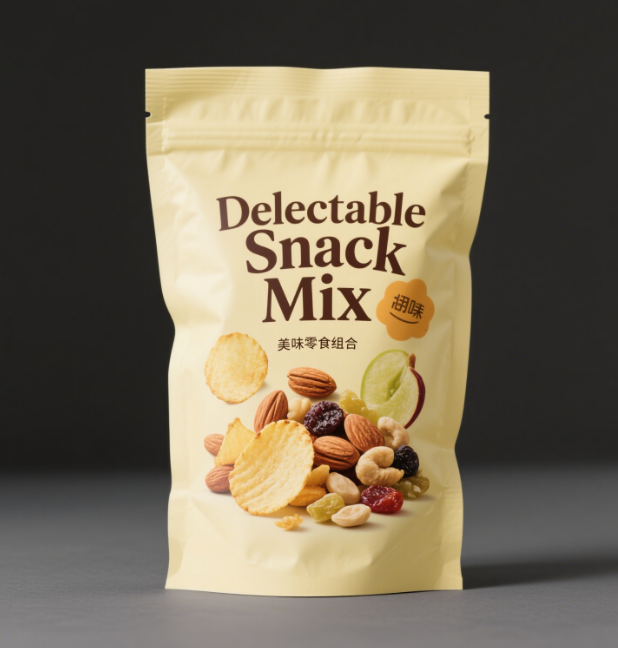
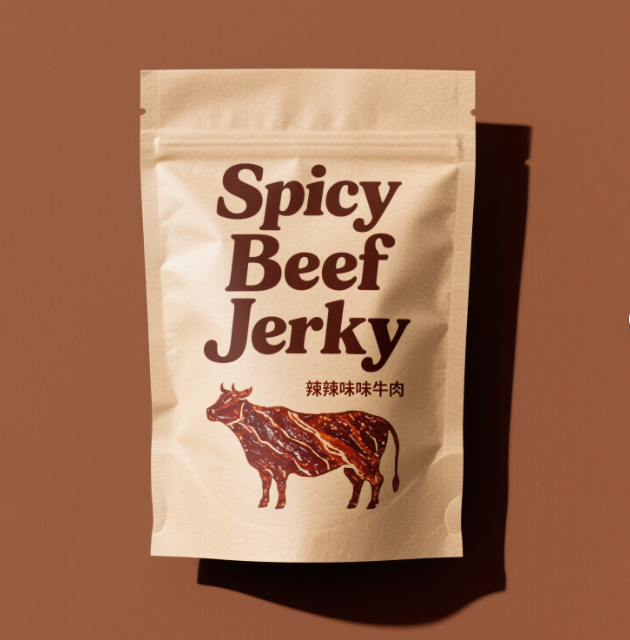
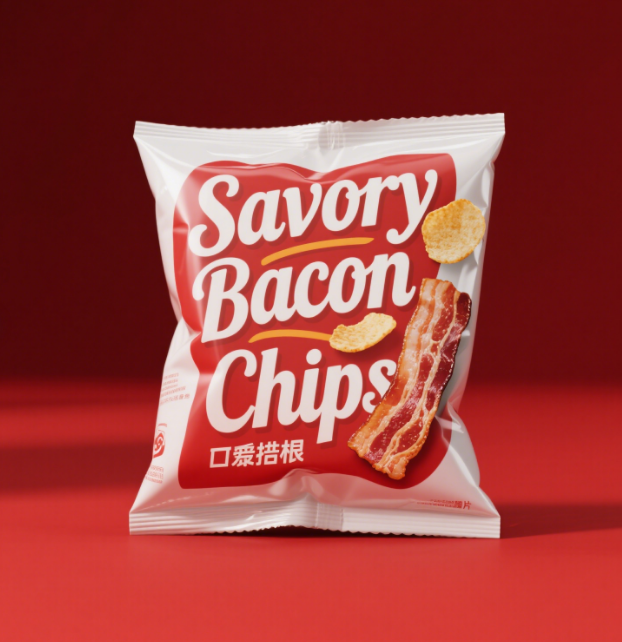
Advanced Food Packaging Solutions - Innovative Protection Technology for Modern Food Industry

Get a Free Quote

Our representative will contact you soon.
Email
Name
Company Name
Mobile
Message
0/1000

food packaging solutions

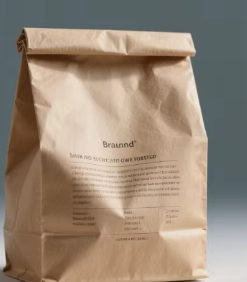
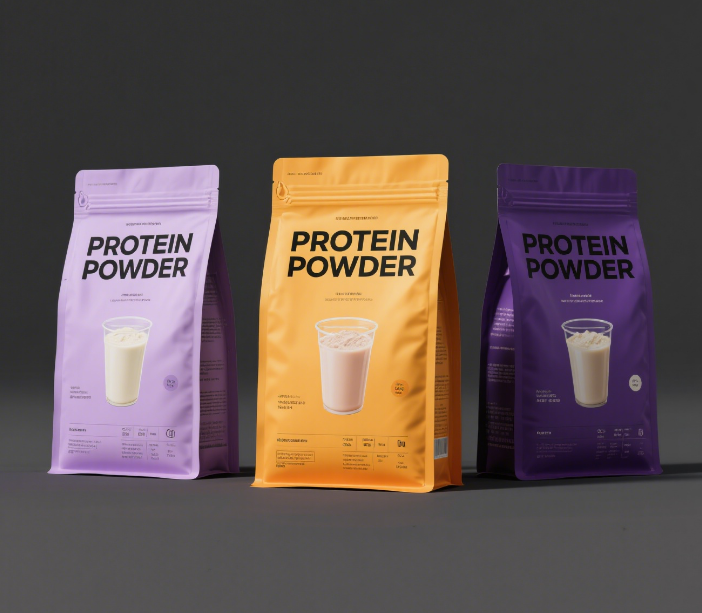
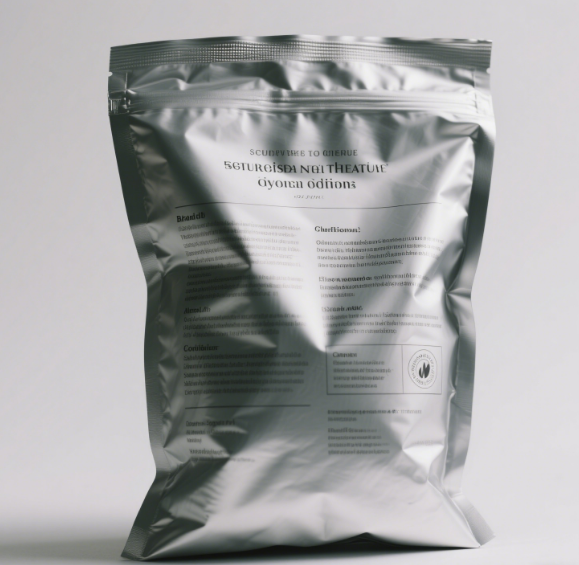
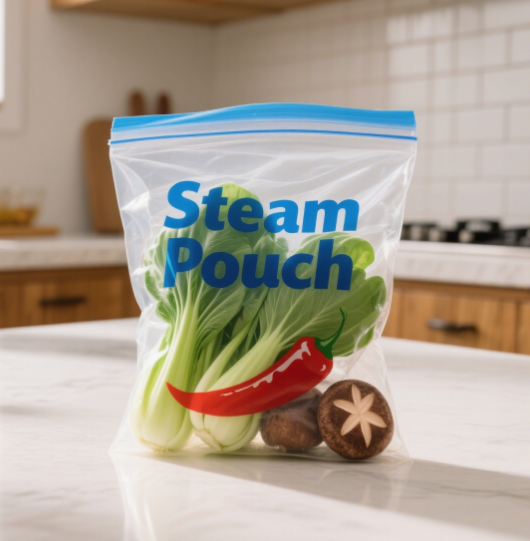
Food packaging solutions represent a comprehensive approach to preserving, protecting, and presenting consumable products throughout the supply chain. These innovative systems encompass various materials, technologies, and design methodologies that ensure food safety, extend shelf life, and maintain nutritional quality from production facilities to consumer tables. Modern food packaging solutions integrate advanced barrier properties, antimicrobial treatments, and smart sensing technologies to create optimal preservation environments. The primary functions include oxygen barrier protection, moisture control, contamination prevention, and temperature regulation. These solutions utilize diverse materials such as biodegradable polymers, recyclable plastics, aluminum composites, and paper-based substrates. Technological features encompass vacuum sealing capabilities, modified atmosphere packaging, active packaging systems, and intelligent labeling mechanisms. Advanced food packaging solutions incorporate nano-coatings that provide enhanced barrier properties while maintaining material flexibility and transparency. Temperature-sensitive indicators, freshness sensors, and tamper-evident seals represent cutting-edge technological integrations. Applications span across multiple food categories including fresh produce, dairy products, meat and poultry, seafood, bakery items, beverages, and processed foods. Industrial applications extend to bulk food storage, transportation containers, and retail display systems. Restaurant and foodservice industries rely on specialized food packaging solutions for takeout orders, meal delivery services, and catering operations. Pharmaceutical-grade food packaging solutions serve specialized dietary products, supplements, and medical nutrition applications. Sustainable food packaging solutions address environmental concerns through compostable materials, reduced plastic usage, and circular economy principles. These comprehensive systems support global food distribution networks while maintaining product integrity across diverse climate conditions and transportation methods.


New Products

Food packaging solutions deliver substantial cost savings by significantly reducing food waste throughout the entire supply chain. These systems prevent spoilage, contamination, and quality degradation that would otherwise result in product losses and financial setbacks. Businesses experience improved inventory management as extended shelf life allows for better planning, reduced emergency restocking, and optimized distribution schedules. Enhanced food safety protocols protect consumers from harmful bacteria, pathogens, and chemical contaminants while safeguarding brand reputation and avoiding costly recalls. Advanced barrier technologies maintain optimal freshness levels, preserving taste, texture, aroma, and nutritional content that directly translate to increased customer satisfaction and repeat purchases. Modern food packaging solutions streamline operational efficiency by enabling faster packaging processes, automated filling systems, and standardized portion controls that reduce labor costs and increase productivity. Temperature-resistant materials ensure product stability during transportation and storage, eliminating the need for expensive refrigerated shipping in many applications. Customizable designs accommodate various product sizes, shapes, and requirements without necessitating expensive equipment modifications or multiple packaging systems. Sustainability features align with environmental regulations and consumer preferences, potentially qualifying businesses for green certifications and tax incentives while attracting environmentally conscious customers. Tamper-evident seals and security features build consumer trust and reduce liability concerns related to product integrity and safety. Smart packaging technologies provide real-time monitoring capabilities that enable proactive quality management and reduce inspection costs. Lightweight materials decrease shipping expenses while maintaining protective properties, resulting in lower transportation costs and reduced carbon footprints. Portion control features help consumers manage food consumption while reducing household waste. Brand visibility improvements through high-quality printing and attractive designs enhance marketing effectiveness without additional advertising investments. Regulatory compliance support ensures adherence to food safety standards across different markets and jurisdictions.

Tips And Tricks

From Health to Environmental Protection: Why have eco-friendly packaging bags become a new standard in daily life?

27

Aug

From Health to Environmental Protection: Why have eco-friendly packaging bags become a new standard in daily life?

The Rise of Sustainable Packaging Solutions in Modern Society The landscape of consumer packaging has undergone a dramatic transformation in recent years, with eco-friendly packaging bags emerging as a cornerstone of sustainable living. As environmen...
View More
Exploring Sustainable and Durable Options for Pet Food Packaging

08

Sep

Exploring Sustainable and Durable Options for Pet Food Packaging

The Evolution of Modern Pet Food Packaging Solutions The landscape of pet food packaging has undergone a remarkable transformation in recent years, driven by increasing environmental consciousness and the growing demand for sustainable solutions. As ...
View More
The impact of high-quality packaging on pet food sales

08

Sep

The impact of high-quality packaging on pet food sales

Transforming Pet Food Market Success Through Premium Packaging Solutions In today's competitive pet food industry, packaging has emerged as a critical differentiator that can make or break product success. Pet food packaging does more than just conta...
View More
Portable and environmentally friendly self standing bag: suitable for both outdoor and storage use, biodegradable after use, does not add pressure to the environment

24

Sep

Portable and environmentally friendly self standing bag: suitable for both outdoor and storage use, biodegradable after use, does not add pressure to the environment

The Future of Sustainable Storage: Eco-Friendly Self-Standing Solutions In an era where environmental consciousness meets practical innovation, the environmentally friendly self standing bag emerges as a groundbreaking solution for both outdoor enthu...
View More

Get a Free Quote

Our representative will contact you soon.
Email
Name
Company Name
Mobile
Message
0/1000

food packaging solutions

Advanced Barrier Technology for Maximum Food Protection

Advanced Barrier Technology for Maximum Food Protection

Revolutionary barrier technology represents the cornerstone of superior food packaging solutions, delivering unprecedented protection against external elements that compromise food quality and safety. This sophisticated technology employs multiple protective layers that create an impermeable shield against oxygen infiltration, moisture penetration, light exposure, and volatile organic compounds. The multi-layer construction utilizes specialized polymer combinations, metallic barriers, and nano-coatings that work synergistically to maintain optimal internal environments. Oxygen barrier properties prevent oxidative degradation that causes rancidity, color changes, and nutrient loss in sensitive products such as nuts, oils, and vitamin-enriched foods. Advanced moisture control prevents bacterial growth, mold formation, and texture deterioration in products ranging from dried fruits to pharmaceutical supplements. Light-blocking capabilities protect photosensitive compounds, preserving essential vitamins, preventing flavor degradation, and maintaining visual appeal in products exposed to retail lighting. These barrier technologies extend shelf life by 200-400 percent compared to conventional packaging methods, enabling longer distribution cycles, reduced inventory turnover, and expanded market reach. Temperature-resistant properties ensure barrier integrity across extreme climate conditions, from frozen storage facilities to desert transportation routes. Chemical resistance prevents flavor transfer, odor absorption, and contamination from external sources during storage and handling. The technology accommodates various food categories through customizable barrier specifications, ensuring optimal protection for specific product requirements. Manufacturing processes integrate seamlessly with existing production lines, requiring minimal equipment modifications while delivering maximum protective benefits. Quality control measures include barrier integrity testing, permeability measurements, and accelerated aging studies that validate performance standards. Cost-effectiveness emerges through reduced product losses, extended distribution capabilities, and decreased quality complaints. Environmental considerations include recyclable materials and reduced food waste that align with sustainability objectives while maintaining superior protective performance.
Smart Sensing Technology for Real-Time Quality Monitoring

Smart Sensing Technology for Real-Time Quality Monitoring

Intelligent sensing technology revolutionizes food packaging solutions by providing continuous monitoring capabilities that ensure optimal product quality throughout the entire supply chain. These sophisticated systems integrate miniaturized sensors, wireless communication modules, and data analytics platforms that deliver real-time insights into product conditions and environmental factors. Temperature sensors continuously monitor thermal exposure, detecting fluctuations that could compromise product integrity and triggering alerts for immediate corrective action. Humidity sensors track moisture levels within packaging environments, preventing condensation buildup and bacterial growth that leads to spoilage and safety concerns. Oxygen sensors monitor atmospheric composition changes, identifying potential seal failures or barrier compromises before they impact product quality. pH indicators provide chemical stability assessments for products sensitive to acidity changes, ensuring consistent taste profiles and nutritional content. Freshness indicators utilize color-changing technologies that provide visual confirmation of product quality status for consumers and supply chain partners. Gas composition sensors detect volatile compounds associated with spoilage, enabling proactive quality management and preventing distribution of compromised products. Time-temperature integrators calculate cumulative thermal exposure, providing comprehensive cold chain monitoring for temperature-sensitive products throughout transportation and storage. Blockchain integration ensures data integrity and traceability, creating immutable quality records that support regulatory compliance and consumer confidence. Mobile applications enable stakeholders to access real-time quality data, receive automated alerts, and make informed decisions regarding product handling and distribution. Predictive analytics capabilities analyze historical data patterns to forecast potential quality issues and optimize inventory management strategies. Cost benefits include reduced product losses, improved quality control efficiency, and enhanced customer satisfaction through consistent product quality. Supply chain optimization results from improved visibility into product conditions, enabling better routing decisions and storage management. Consumer trust increases through transparency and quality assurance, supporting premium pricing strategies and brand differentiation in competitive markets.
Sustainable Materials Engineering for Environmental Responsibility

Sustainable Materials Engineering for Environmental Responsibility

Cutting-edge sustainable materials engineering transforms food packaging solutions by developing environmentally responsible alternatives that maintain superior performance while minimizing ecological impact. These innovative materials utilize renewable resources, biodegradable polymers, and circular economy principles that address growing environmental concerns without compromising product protection capabilities. Plant-based materials derived from agricultural waste, corn starch, and cellulose fibers provide renewable alternatives to petroleum-based plastics while delivering comparable barrier properties and mechanical strength. Biodegradable formulations break down safely in industrial composting facilities within 90-180 days, reducing landfill accumulation and supporting waste management infrastructure. Compostable materials meet international standards for home composting, enabling consumers to dispose of packaging through organic waste streams. Recycled content integration utilizes post-consumer and post-industrial waste materials, supporting circular economy objectives while maintaining food safety standards. Water-based coatings replace solvent-based alternatives, reducing volatile organic compound emissions during manufacturing processes. Renewable energy integration in production facilities minimizes carbon footprints associated with material manufacturing and processing. Life cycle assessments demonstrate significant environmental improvements compared to conventional packaging materials, including reduced greenhouse gas emissions, lower water consumption, and decreased energy requirements. Material optimization reduces packaging weight while maintaining protective properties, resulting in lower transportation costs and reduced fuel consumption throughout distribution networks. Innovative barrier technologies utilize bio-based materials that provide equivalent protection against oxygen, moisture, and contaminants compared to traditional synthetic alternatives. Manufacturing scalability ensures sustainable materials can meet large-scale production requirements without compromising availability or cost-effectiveness. Certification programs validate environmental claims through third-party testing and verification, supporting marketing initiatives and regulatory compliance. Consumer education initiatives highlight environmental benefits and proper disposal methods, encouraging adoption and supporting sustainability objectives. Supply chain partnerships facilitate material sourcing, processing, and distribution while maintaining quality standards and cost competitiveness in evolving markets.

Get a Free Quote

Our representative will contact you soon.
Email
Name
Company Name
Mobile
Message
0/1000