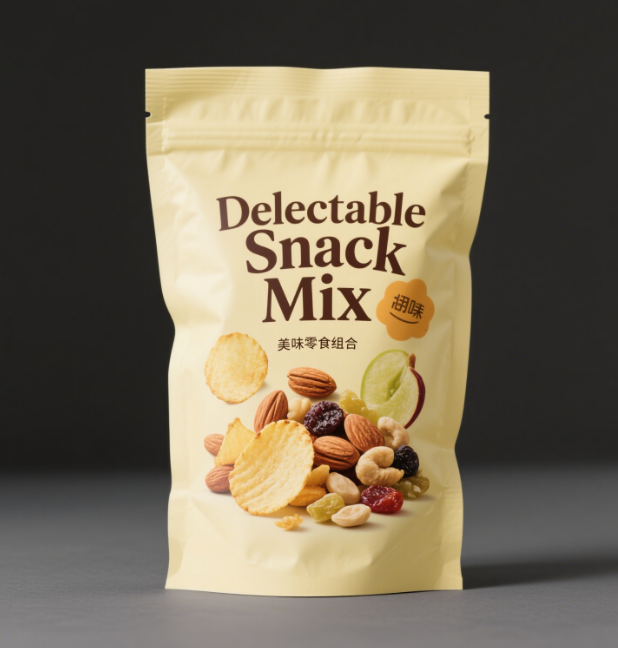
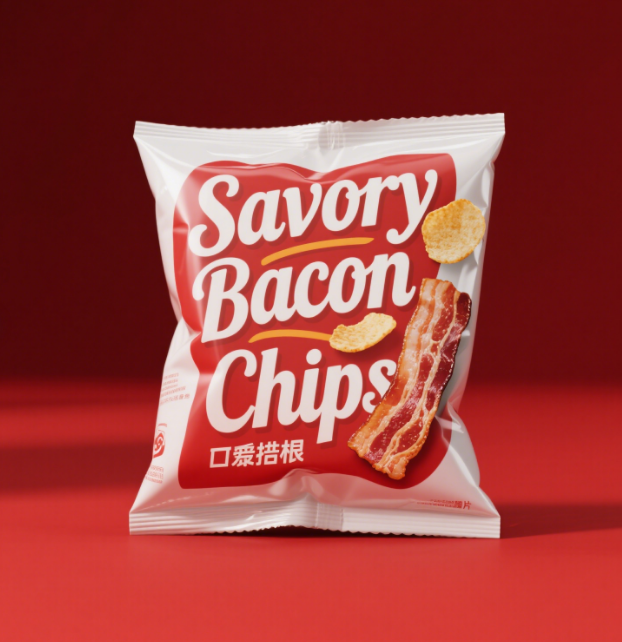
innovative food packaging
Innovative food packaging represents a revolutionary advancement in the preservation, protection, and presentation of food products across global markets. This cutting-edge packaging technology incorporates advanced materials science, smart sensors, and sustainable design principles to address contemporary challenges in food safety, shelf life extension, and environmental responsibility. The primary functions of innovative food packaging extend far beyond traditional containment methods, encompassing active preservation systems that monitor freshness levels, antimicrobial barriers that prevent contamination, and intelligent indicators that communicate product quality to consumers and retailers alike. Modern innovative food packaging utilizes nanotechnology integration, biodegradable polymers, and oxygen-absorbing compounds that create optimal storage environments for diverse food categories. These technological features include temperature-sensitive films that change color when products experience harmful temperature fluctuations, moisture-regulating membranes that maintain ideal humidity levels, and vacuum-sealed compartments that eliminate oxidation processes responsible for food degradation. Applications for innovative food packaging span numerous industries including fresh produce distribution, processed meat preservation, dairy product storage, and ready-to-eat meal preparation. Retail chains implement these advanced packaging solutions to reduce waste, minimize spoilage costs, and enhance customer satisfaction through improved product quality assurance. Food manufacturers adopt innovative food packaging to extend distribution reach, enter new geographic markets, and comply with stringent safety regulations across different jurisdictions. Restaurant chains utilize specialized packaging systems to maintain food quality during delivery services, ensuring hot items remain warm while cold products stay properly chilled. The technology also supports pharmaceutical-grade food products, organic certification requirements, and specialty dietary needs through customizable barrier properties and contamination prevention mechanisms that preserve nutritional integrity throughout extended storage periods.

 EN
EN