Complete Guide to Different Types of Food Packaging: Benefits, Technologies & Applications

Get a Free Quote

Our representative will contact you soon.
Email
Name
Company Name
Mobile
Message
0/1000

different types of food packaging

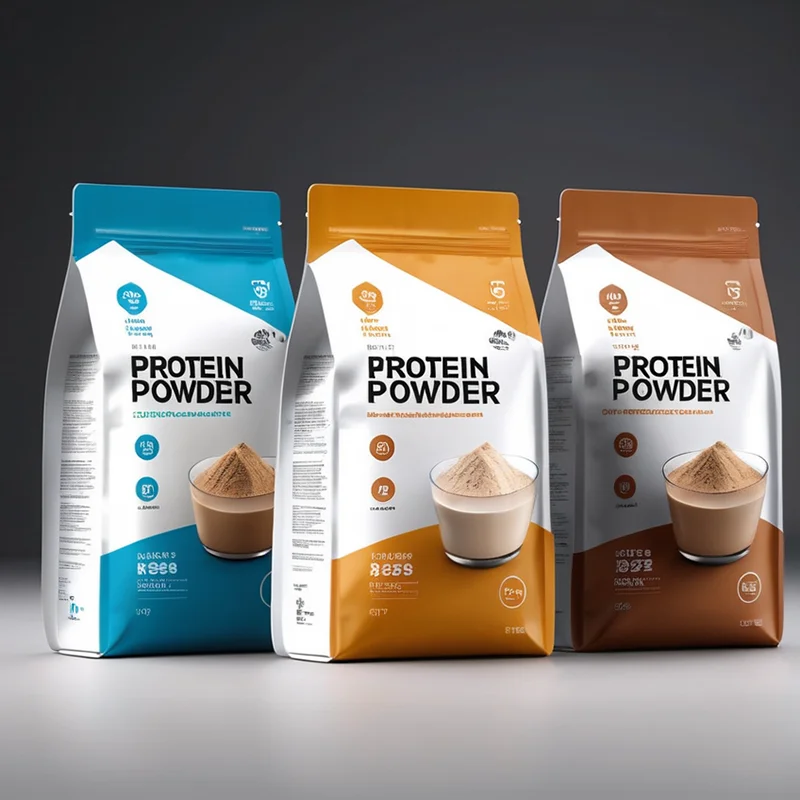
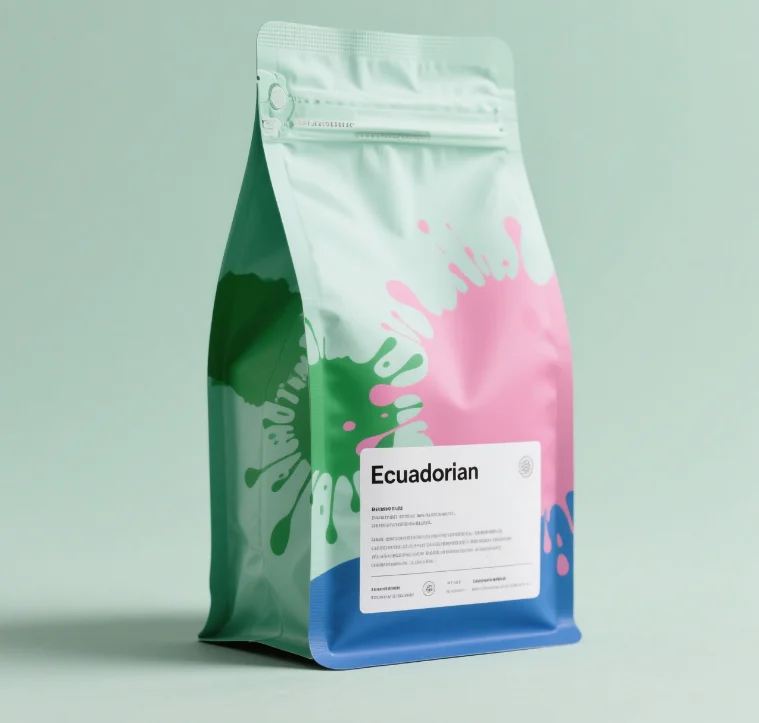
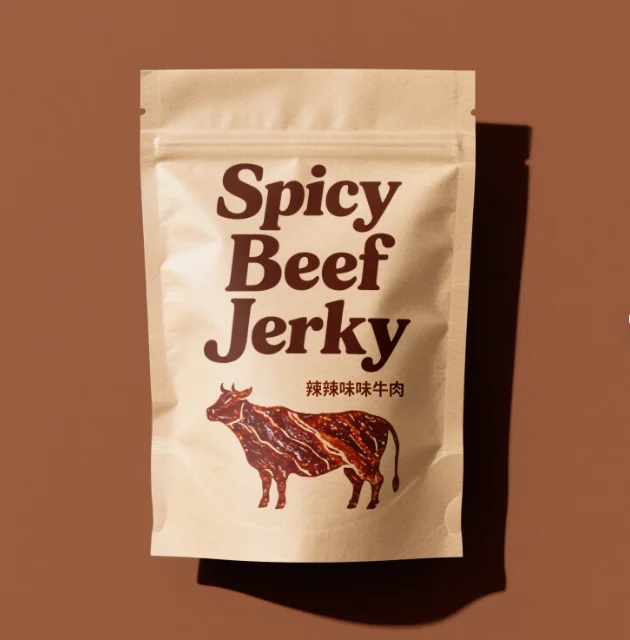
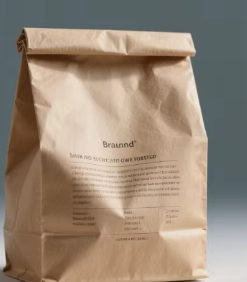
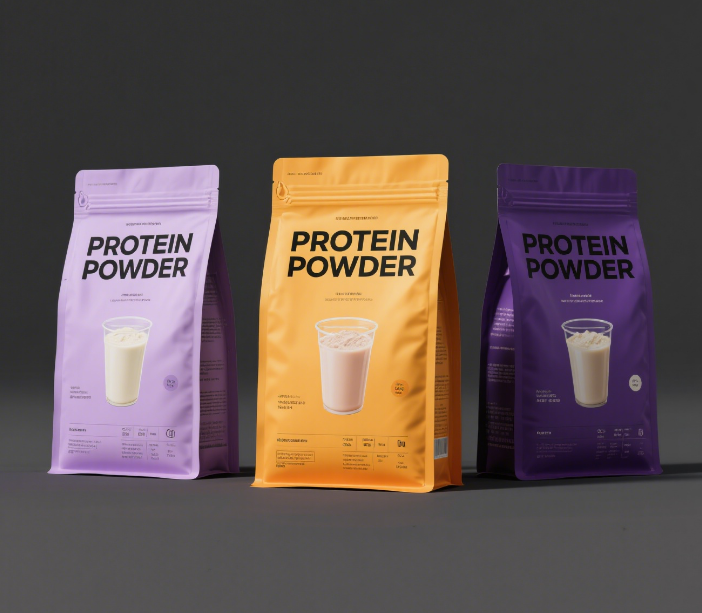
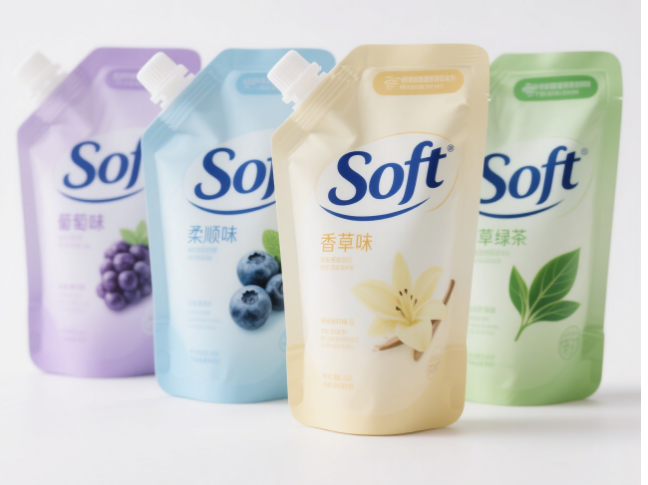
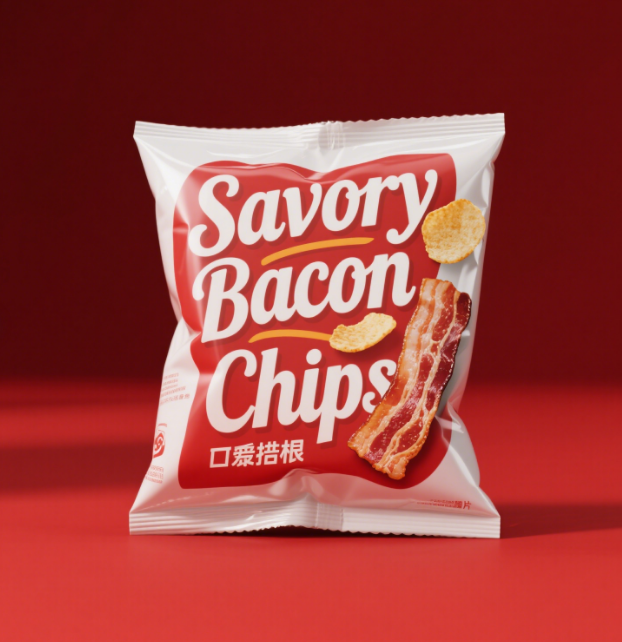
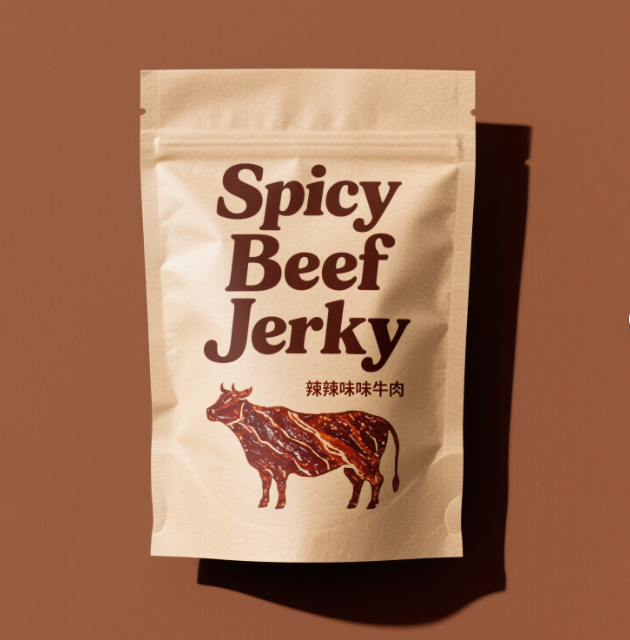
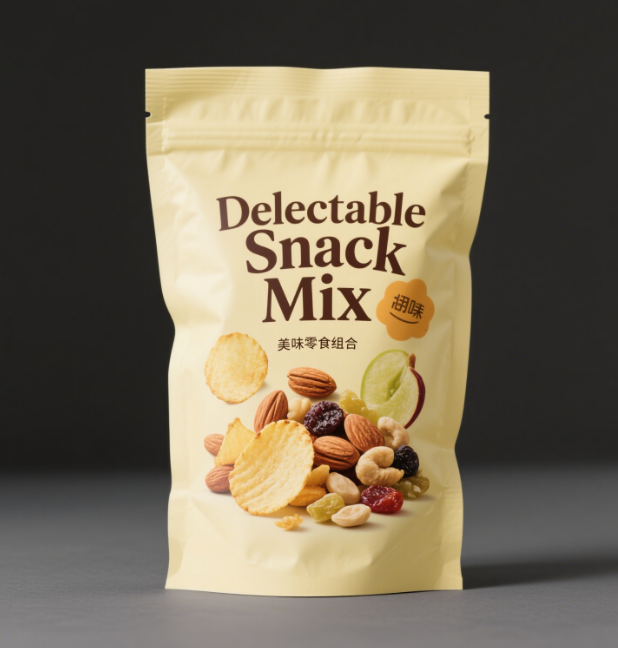
Different types of food packaging serve as critical barriers between consumables and environmental factors that could compromise safety, quality, and shelf life. The primary functions of food packaging include protection from physical damage, moisture control, oxygen barrier properties, and contamination prevention. Modern packaging solutions also provide convenience features, portion control, and marketing opportunities through visual appeal and brand communication. Primary packaging makes direct contact with food products, such as plastic bottles for beverages, aluminum cans for carbonated drinks, and vacuum-sealed pouches for processed meats. Secondary packaging groups primary packages together, like cardboard boxes containing multiple cereal boxes or shrink wrap bundling yogurt cups. Tertiary packaging facilitates transportation and distribution, including pallets, stretch films, and shipping containers. Flexible packaging encompasses materials like plastic films, foil laminates, and paper composites that conform to product shapes. These materials offer excellent barrier properties while maintaining lightweight characteristics and cost-effectiveness. Rigid packaging includes glass containers, metal cans, plastic bottles, and cardboard cartons that maintain structural integrity under various conditions. Semi-rigid packaging combines flexibility with shape retention, such as thermoformed trays and blister packs. Smart packaging incorporates advanced technologies like freshness indicators, temperature sensors, and QR codes for enhanced consumer interaction. Biodegradable packaging addresses environmental concerns through compostable materials derived from renewable resources. Aseptic packaging enables long-term storage without refrigeration by sterilizing both product and container before filling. Modified atmosphere packaging replaces air with specific gas mixtures to extend product freshness. Vacuum packaging removes air to prevent oxidation and bacterial growth. Each type of food packaging serves specific purposes based on product requirements, storage conditions, distribution channels, and consumer preferences while maintaining food safety standards.


New Products

Different types of food packaging deliver substantial benefits that directly impact product quality, consumer convenience, and business success. Barrier protection stands as the most significant advantage, preventing moisture, oxygen, light, and contaminants from degrading food products. This protection extends shelf life considerably, reducing waste and allowing products to reach distant markets while maintaining freshness. Flexible packaging offers exceptional versatility by accommodating various product sizes and shapes while using minimal storage space. These lightweight solutions reduce transportation costs and carbon footprint compared to rigid alternatives. The resealable features in many flexible packages provide consumers with portion control and extended freshness after initial opening. Rigid packaging provides superior structural integrity, protecting fragile items during handling and transportation. Glass containers offer complete inertness, ensuring no chemical migration into food products while providing excellent visibility for marketing purposes. Metal cans deliver outstanding barrier properties with virtually unlimited shelf life for many products, making them ideal for emergency preparedness and global distribution. Smart packaging technologies enhance consumer engagement through interactive features like freshness indicators and augmented reality experiences. These innovations build brand loyalty while providing valuable product information and usage guidance. Sustainable packaging options address growing environmental concerns while maintaining product protection standards. Biodegradable materials reduce landfill waste and appeal to environmentally conscious consumers, potentially commanding premium pricing. Portion-controlled packaging reduces food waste at the consumer level while promoting healthier eating habits through pre-measured servings. Convenience features like easy-open tabs, microwave-safe materials, and ergonomic designs improve user experience and accessibility for all demographics. Cost-effective production methods enable competitive pricing while maintaining quality standards, benefiting both manufacturers and consumers. Customizable printing and shaping options provide unlimited branding opportunities, helping products stand out in crowded retail environments and communicate value propositions effectively.

Tips And Tricks

From Health to Environmental Protection: Why have eco-friendly packaging bags become a new standard in daily life?

27

Aug

From Health to Environmental Protection: Why have eco-friendly packaging bags become a new standard in daily life?

The Rise of Sustainable Packaging Solutions in Modern Society The landscape of consumer packaging has undergone a dramatic transformation in recent years, with eco-friendly packaging bags emerging as a cornerstone of sustainable living. As environmen...
View More
How to Elevate Your Product Presentation with High-Quality Packaging Bags

27

Aug

How to Elevate Your Product Presentation with High-Quality Packaging Bags

Transform Your Brand Identity Through Strategic Packaging Solutions The way you present your products speaks volumes about your brand's values and commitment to quality. In today's competitive market, packaging bags have become more than just protect...
View More
Exploring Sustainable and Durable Options for Pet Food Packaging

08

Sep

Exploring Sustainable and Durable Options for Pet Food Packaging

The Evolution of Modern Pet Food Packaging Solutions The landscape of pet food packaging has undergone a remarkable transformation in recent years, driven by increasing environmental consciousness and the growing demand for sustainable solutions. As ...
View More
The key to keeping pet food fresh: innovative packaging solutions

18

Sep

The key to keeping pet food fresh: innovative packaging solutions

Modern Innovations Revolutionizing Pet Food Freshness The evolution of pet food packaging has transformed dramatically over the past decade, with innovative solutions emerging to address the growing demands of pet owners who prioritize freshness and ...
View More

Get a Free Quote

Our representative will contact you soon.
Email
Name
Company Name
Mobile
Message
0/1000

different types of food packaging

Superior Barrier Protection Technology

Superior Barrier Protection Technology

Advanced barrier protection technology represents the cornerstone advantage of modern different types of food packaging, delivering unprecedented levels of product preservation and safety. Multi-layer laminated structures combine various materials to create comprehensive barriers against moisture, oxygen, ultraviolet light, and aromatic compounds that cause product degradation. These sophisticated barrier systems utilize aluminum foil layers for complete light and gas impermeability, specialized polymer coatings for moisture resistance, and metallized films for enhanced protection with maintained flexibility. The technology prevents lipid oxidation in fatty products, maintains carbonation in beverages, preserves volatile flavors in spices and aromatics, and inhibits bacterial growth through controlled atmosphere environments. Oxygen scavenger sachets and films actively remove residual oxygen from packages, extending shelf life beyond traditional passive barrier methods. Moisture control systems prevent both dehydration in fresh products and moisture absorption in dry goods, maintaining optimal texture and preventing spoilage. UV-blocking properties protect light-sensitive vitamins, preventing nutritional degradation while maintaining product appearance and flavor profiles. These barrier technologies enable global food distribution by maintaining product integrity during extended transportation periods and varying climatic conditions. Advanced testing methods ensure barrier performance consistency, providing predictable shelf life extensions that reduce inventory risks and waste throughout the supply chain. Manufacturers benefit from reduced product returns, extended market reach, and improved customer satisfaction through consistent quality delivery. Consumers receive fresher products with longer home storage capabilities, reducing shopping frequency and food waste while ensuring food safety. The investment in superior barrier protection technology pays dividends through reduced spoilage costs, expanded market opportunities, and enhanced brand reputation for quality and reliability in competitive food markets.
Sustainable Environmental Solutions

Sustainable Environmental Solutions

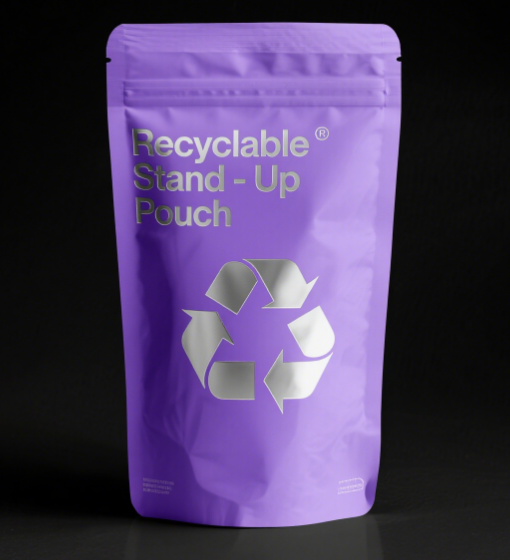
Sustainable environmental solutions in different types of food packaging address critical ecological concerns while maintaining essential protective functions and consumer convenience. Biodegradable materials derived from renewable plant sources, including cornstarch, sugarcane fiber, and cellulose, decompose naturally without leaving harmful residues in soil or water systems. These innovative materials undergo rigorous testing to ensure they meet both performance standards for food protection and environmental certifications for compostability. Recyclable packaging designs facilitate closed-loop systems where materials return to production cycles, reducing raw material consumption and manufacturing energy requirements. Advanced recycling technologies enable complex multi-layer materials to be separated and reprocessed, expanding recyclability options beyond traditional single-material packages. Reduced material usage through lightweighting initiatives decreases resource consumption while maintaining structural integrity and barrier properties. Concentrated product formulations enable smaller package sizes, reducing packaging material requirements and transportation impacts. Refillable and reusable packaging systems eliminate single-use waste while providing cost savings for frequent consumers of specific products. Bio-based inks and adhesives replace petroleum-derived chemicals, creating fully sustainable package systems that align with circular economy principles. Life cycle assessments demonstrate measurable environmental benefits including reduced carbon emissions, water usage, and waste generation compared to conventional packaging alternatives. Consumer education programs help maximize environmental benefits through proper disposal and recycling practices. Certifications from recognized environmental organizations provide credibility and transparency for sustainability claims, building consumer trust and brand differentiation. Corporate sustainability goals drive innovation in eco-friendly packaging solutions, creating competitive advantages in environmentally conscious market segments. Government regulations and incentives support adoption of sustainable packaging technologies, making environmental responsibility economically viable for businesses of all sizes while contributing to global sustainability objectives.
Smart Technology Integration

Smart Technology Integration

Smart technology integration in different types of food packaging revolutionizes consumer interaction, supply chain management, and product safety monitoring through innovative digital solutions. Near Field Communication (NFC) chips and QR codes embedded in packaging provide instant access to comprehensive product information, including sourcing details, nutritional data, preparation instructions, and authenticity verification. Time-temperature indicators change color or appearance when products experience temperature abuse, alerting consumers and retailers to potential safety concerns before consumption. Freshness sensors detect specific gases or chemical changes that occur during spoilage, providing real-time feedback about product quality that surpasses traditional expiration date systems. Augmented reality features activated through smartphone applications create immersive brand experiences, recipe suggestions, and interactive educational content that enhances consumer engagement and loyalty. Blockchain integration enables complete supply chain traceability, allowing consumers to track products from origin to purchase while providing manufacturers with valuable data for quality control and recall management. RFID tags facilitate automated inventory management, reducing stockouts and waste while improving supply chain efficiency through real-time location and condition monitoring. Programmable packaging responds to environmental conditions by adjusting barrier properties or releasing preservative compounds, actively maintaining optimal product conditions throughout distribution and storage. Anti-counterfeiting technologies protect brand integrity and consumer safety through unique digital signatures and tamper-evident features that are difficult to replicate. Data collection capabilities provide manufacturers with insights into consumer behavior, usage patterns, and preferences, enabling personalized marketing and product development strategies. Smart packaging reduces food waste by providing accurate freshness information and usage guidance, while improving convenience through features like portion tracking and preparation reminders. Integration costs continue decreasing as technology advances, making smart packaging accessible for products across various price points while delivering measurable value to both businesses and consumers through enhanced functionality and user experience.

Get a Free Quote

Our representative will contact you soon.
Email
Name
Company Name
Mobile
Message
0/1000