Sustainable Recyclable Food Packaging Solutions - Eco-Friendly Packaging Innovation

Get a Free Quote

Our representative will contact you soon.
Email
Name
Company Name
Mobile
Message
0/1000

recyclable food packaging

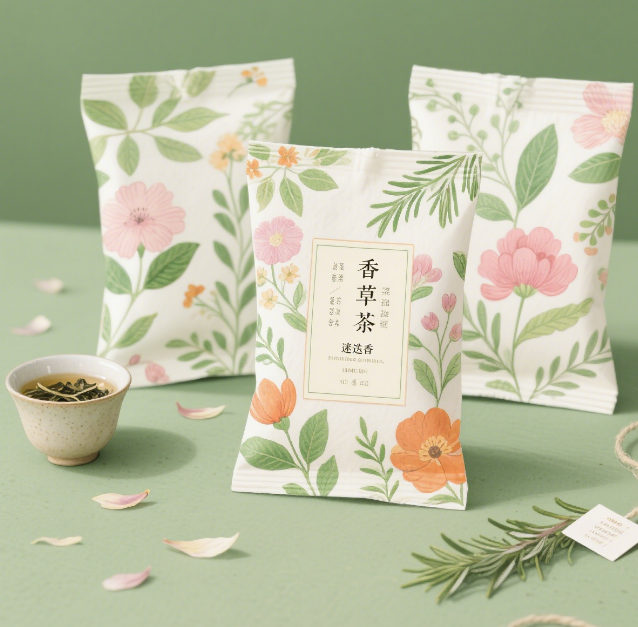
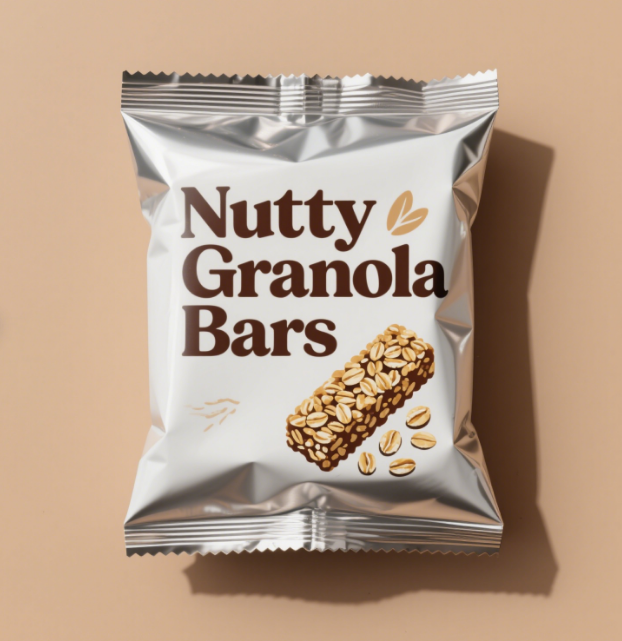
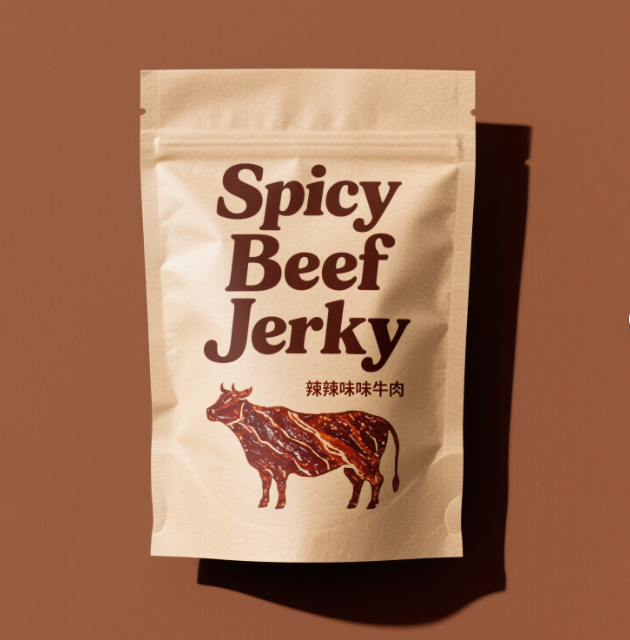
Recyclable food packaging represents a revolutionary approach to sustainable food storage and distribution, addressing the growing environmental concerns while maintaining product safety and quality. This innovative packaging solution utilizes materials that can be processed and transformed into new products after their initial use, creating a circular economy model that significantly reduces waste accumulation in landfills and oceans. The main functions of recyclable food packaging extend beyond simple containment, encompassing protection against contamination, preservation of freshness, extension of shelf life, and facilitation of convenient transportation and storage. These packages serve as effective barriers against moisture, oxygen, light, and microbial contamination while maintaining the nutritional value and sensory characteristics of food products. Technologically, recyclable food packaging incorporates advanced materials science, featuring biodegradable polymers, post-consumer recycled content, and innovative barrier technologies that ensure food safety without compromising recyclability. The packaging employs sophisticated design principles that optimize material usage, reduce thickness without sacrificing strength, and integrate smart labeling systems that facilitate proper sorting and recycling processes. Applications span across diverse food categories including fresh produce, processed foods, beverages, dairy products, meat and seafood, baked goods, and frozen items. The versatility of recyclable food packaging makes it suitable for retail environments, food service operations, e-commerce platforms, and industrial food processing facilities. Modern recyclable food packaging solutions incorporate cutting-edge technologies such as water-based coatings, mechanical recycling compatibility, and chemical recycling enablement. These technological features ensure that the packaging maintains its protective properties while allowing for efficient recovery and reprocessing into new packaging materials or alternative products, creating a sustainable lifecycle that benefits both businesses and consumers.


Popular Products

Recyclable food packaging delivers substantial environmental benefits that directly translate into cost savings and improved brand reputation for businesses adopting these solutions. Companies implementing recyclable food packaging experience reduced waste disposal costs, as materials can be processed through existing recycling infrastructure rather than expensive landfill disposal. The economic advantages extend to supply chain efficiency, where lightweight recyclable materials reduce transportation costs and storage requirements. Consumers increasingly prefer brands that demonstrate environmental responsibility, leading to enhanced customer loyalty and market positioning for businesses utilizing recyclable food packaging. The regulatory compliance benefits become increasingly important as governments worldwide implement stricter packaging regulations and extended producer responsibility programs. Recyclable food packaging helps companies stay ahead of regulatory requirements while avoiding potential penalties and compliance costs associated with non-sustainable packaging options. From an operational perspective, recyclable food packaging often provides superior performance characteristics, including improved barrier properties that extend product shelf life and reduce food waste throughout the supply chain. The manufacturing processes for recyclable food packaging have become increasingly efficient, often requiring less energy and water compared to traditional packaging production methods. Supply chain resilience improves significantly when companies adopt recyclable food packaging, as these materials often source from more diverse supplier networks and reduce dependence on virgin raw materials that may face price volatility. Consumer acceptance rates for recyclable food packaging continue to rise, with studies showing increased willingness to pay premium prices for sustainably packaged products. The marketing advantages include access to green certifications, eligibility for sustainability awards, and enhanced corporate social responsibility profiles that attract environmentally conscious investors and partners. Recyclable food packaging also supports circular economy initiatives, creating opportunities for businesses to participate in closed-loop systems where waste becomes input for new production cycles. The innovation potential within recyclable food packaging drives continuous improvement in material science, manufacturing processes, and design optimization, ensuring long-term competitive advantages for early adopters.

Tips And Tricks

The impact of high-quality packaging on pet food sales

08

Sep

The impact of high-quality packaging on pet food sales

Transforming Pet Food Market Success Through Premium Packaging Solutions In today's competitive pet food industry, packaging has emerged as a critical differentiator that can make or break product success. Pet food packaging does more than just conta...
View More
Portable and environmentally friendly self standing bag: suitable for both outdoor and storage use, biodegradable after use, does not add pressure to the environment

24

Sep

Portable and environmentally friendly self standing bag: suitable for both outdoor and storage use, biodegradable after use, does not add pressure to the environment

The Future of Sustainable Storage: Eco-Friendly Self-Standing Solutions In an era where environmental consciousness meets practical innovation, the environmentally friendly self standing bag emerges as a groundbreaking solution for both outdoor enthu...
View More
Block air+stand on your own and stabilize! Pet food/flower tea can still be stored standing after opening

21

Oct

Block air+stand on your own and stabilize! Pet food/flower tea can still be stored standing after opening

Revolutionary Storage Solutions for Maintaining Freshness After Opening In our daily lives, we often struggle with keeping opened packages of pet food and flower tea fresh and properly stored. The innovative block air+stand storage solution addresses...
View More
Aluminum Foil Bag vs Plastic: Which is Better?

27

Nov

Aluminum Foil Bag vs Plastic: Which is Better?

The packaging industry continues to evolve as businesses seek optimal solutions for product protection, sustainability, and cost-effectiveness. When comparing packaging materials, the debate between aluminum foil bag options and traditional plastic a...
View More

Get a Free Quote

Our representative will contact you soon.
Email
Name
Company Name
Mobile
Message
0/1000

recyclable food packaging

Advanced Barrier Technology with Complete Recyclability

Advanced Barrier Technology with Complete Recyclability

The breakthrough barrier technology integrated into recyclable food packaging represents a paradigm shift in sustainable packaging solutions, combining exceptional protective performance with end-of-life recyclability. Traditional food packaging often relies on multi-layer structures that incorporate non-recyclable materials or complex laminations that prevent effective recycling, but modern recyclable food packaging utilizes innovative mono-material designs and recyclable barrier coatings that maintain product integrity while enabling complete material recovery. This advanced barrier technology employs specialized polymers and surface treatments that create effective moisture, oxygen, and light barriers without compromising the recyclability of the entire package structure. The technology addresses one of the most significant challenges in sustainable packaging by eliminating the trade-off between protective performance and environmental responsibility. Food manufacturers can now maintain strict quality standards, extend shelf life, and protect product freshness while ensuring their packaging contributes to circular economy principles. The barrier technology incorporates molecular-level engineering that creates tortuous paths for gas transmission, effectively blocking unwanted elements while maintaining the chemical compatibility necessary for recycling processes. This innovation particularly benefits products requiring extended shelf life, such as processed foods, snacks, and ready-to-eat meals, where maintaining product quality throughout distribution and storage remains critical. The technology supports various packaging formats including flexible films, rigid containers, and hybrid structures, providing versatility across different food categories and packaging requirements. Implementation of this advanced barrier technology results in reduced food waste, lower environmental impact, and enhanced consumer satisfaction through improved product quality and freshness retention throughout the entire supply chain.
Circular Economy Integration and Supply Chain Optimization

Circular Economy Integration and Supply Chain Optimization

Recyclable food packaging creates unprecedented opportunities for circular economy integration, transforming traditional linear packaging models into regenerative systems that continuously cycle materials through production, use, and recovery phases. This integration fundamentally changes how businesses approach packaging procurement, waste management, and supply chain optimization, creating value streams that were previously impossible with conventional packaging solutions. The circular economy model enabled by recyclable food packaging allows companies to participate in closed-loop systems where post-consumer packaging becomes raw material for new package production, reducing dependence on virgin materials and creating more stable, predictable supply chains. This integration provides significant cost advantages through reduced material costs, improved supplier relationships, and enhanced supply chain resilience against market fluctuations in raw material prices. Companies implementing recyclable food packaging within circular economy frameworks often develop strategic partnerships with recycling facilities, material recovery organizations, and other manufacturers, creating collaborative networks that strengthen the entire value chain. The supply chain optimization benefits extend beyond cost reduction to include improved logistics efficiency, reduced storage requirements for packaging materials, and enhanced inventory management through better demand forecasting enabled by circular material flows. Environmental impact reduction becomes measurable and quantifiable within circular economy systems, providing companies with concrete data for sustainability reporting, regulatory compliance, and stakeholder communication. The integration process involves redesigning packaging specifications to optimize recyclability while maintaining performance requirements, implementing tracking systems for material flows, and developing relationships with certified recycling partners. This comprehensive approach to circular economy integration positions companies as leaders in sustainable business practices while creating competitive advantages through cost reduction, risk mitigation, and enhanced brand value in increasingly environmentally conscious markets.
Consumer Engagement and Brand Differentiation Benefits

Consumer Engagement and Brand Differentiation Benefits

Recyclable food packaging serves as a powerful tool for consumer engagement and brand differentiation, creating meaningful connections between companies and environmentally conscious consumers while establishing clear competitive advantages in crowded marketplaces. The visual and functional characteristics of recyclable food packaging communicate brand values directly to consumers, demonstrating corporate commitment to environmental stewardship and social responsibility through tangible, everyday interactions. This engagement extends beyond simple marketing messages to create authentic experiences where consumers actively participate in sustainability efforts through proper disposal and recycling behaviors. Research consistently demonstrates that consumers increasingly base purchasing decisions on environmental considerations, with recyclable food packaging serving as a clear indicator of brand alignment with consumer values. The differentiation benefits become particularly pronounced in retail environments where recyclable food packaging stands out through clear labeling, attractive design elements, and consumer education features that explain proper recycling procedures and environmental benefits. Companies utilizing recyclable food packaging often experience enhanced customer loyalty, increased word-of-mouth marketing, and improved brand perception among target demographics that prioritize sustainability. The engagement opportunities extend to digital platforms where brands can share sustainability stories, recycling education content, and circular economy participation updates that resonate with socially conscious consumers. Recyclable food packaging enables companies to participate in retailer sustainability programs, access premium shelf placement, and qualify for green product certifications that enhance market positioning. The brand differentiation extends to B2B relationships where companies seeking sustainable supply chain partners increasingly prioritize suppliers that demonstrate environmental responsibility through packaging choices. Consumer education initiatives surrounding recyclable food packaging create opportunities for deeper brand engagement through sustainability workshops, recycling drives, and community partnership programs that strengthen local market presence and demonstrate authentic commitment to environmental improvement beyond simple compliance requirements.

Get a Free Quote

Our representative will contact you soon.
Email
Name
Company Name
Mobile
Message
0/1000