Revolutionary Healthy Food Packaging Solutions: Advanced Biodegradable Technology for Superior Food Preservation

Get a Free Quote

Our representative will contact you soon.
Email
Name
Company Name
Mobile
Message
0/1000

healthy food packaging

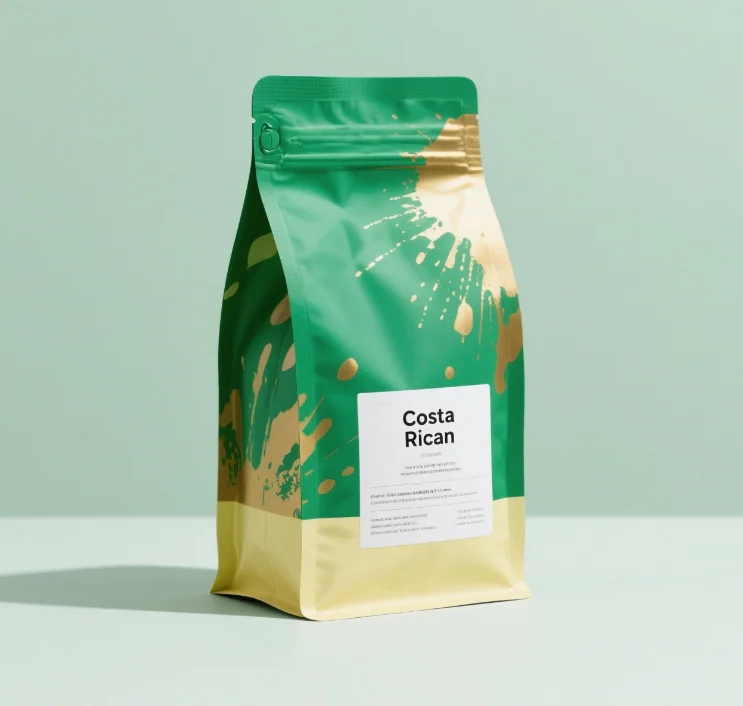
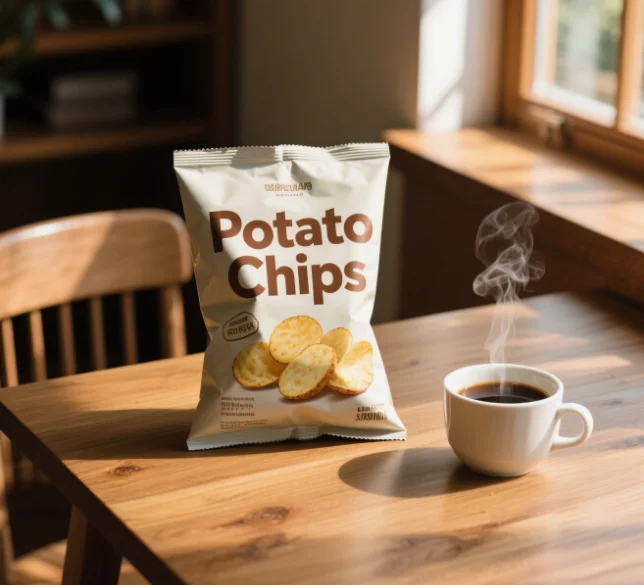
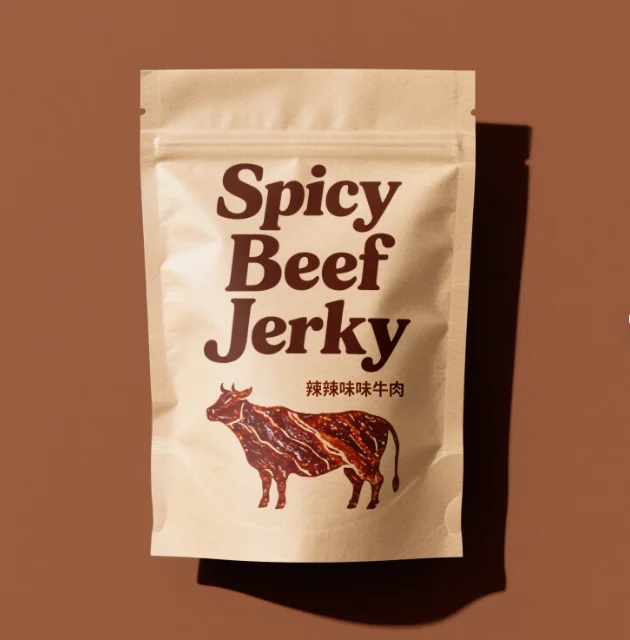
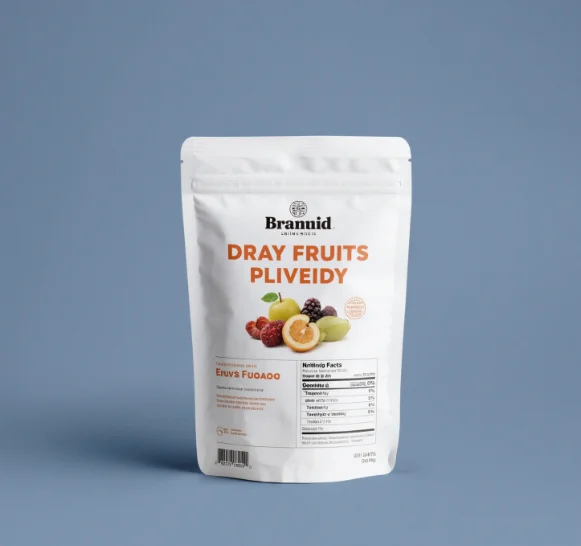
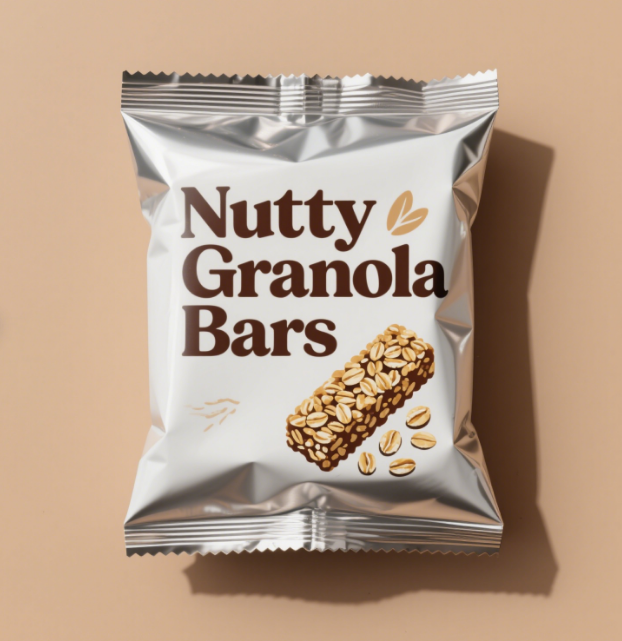
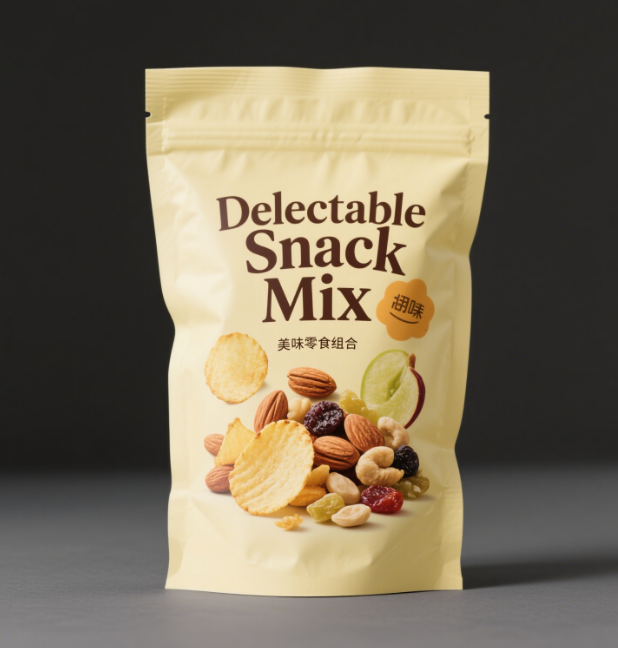
Healthy food packaging represents a revolutionary approach to food preservation and consumer safety that prioritizes both nutritional integrity and environmental responsibility. This innovative packaging solution combines advanced materials science with sustainable practices to create protective barriers that maintain food quality while minimizing ecological impact. The main functions of healthy food packaging extend beyond traditional preservation methods, incorporating active and intelligent packaging technologies that monitor freshness, prevent contamination, and extend shelf life naturally. These systems utilize biodegradable materials, antimicrobial coatings, and oxygen-absorbing compounds to create optimal storage conditions. Technological features include smart sensors that detect temperature fluctuations, moisture levels, and bacterial growth, providing real-time feedback about food safety. Advanced barrier properties prevent harmful substances from migrating into food products while maintaining optimal atmospheric conditions inside packages. Modern healthy food packaging incorporates nanotechnology applications, including nanocellulose films and silver nanoparticles that provide natural antimicrobial protection without chemical additives. Applications span across fresh produce, dairy products, meat packaging, ready-to-eat meals, and organic foods. The packaging adapts to different food categories with specialized features such as controlled atmosphere packaging for fruits and vegetables, vacuum-sealed systems for proteins, and modified atmosphere packaging for baked goods. Industries including retail grocery, food service, meal delivery services, and organic food manufacturers increasingly adopt these solutions. The technology supports cold chain management, reduces food waste through improved preservation, and meets growing consumer demands for clean-label products. Implementation ranges from small-scale artisanal producers to large commercial food processors, with scalable solutions that accommodate various production volumes and distribution networks.


New Products

Healthy food packaging delivers exceptional benefits that transform how consumers store, transport, and consume their food products. The primary advantage lies in superior preservation capabilities that extend freshness periods significantly compared to conventional packaging methods. This extended shelf life reduces household food waste by up to forty percent, translating to substantial cost savings for families and businesses alike. The packaging maintains nutritional content more effectively, preventing vitamin degradation and mineral loss that typically occurs with traditional storage methods. Advanced barrier properties protect against light, oxygen, and moisture damage that compromises food quality over time. Safety features include tamper-evident seals and contamination indicators that provide visible warnings when products may have been compromised. The packaging eliminates the need for artificial preservatives and chemical additives, supporting cleaner eating habits and reducing exposure to potentially harmful substances. Environmental benefits include complete biodegradability and compostable materials that break down naturally without leaving toxic residues. Manufacturing processes utilize renewable resources and generate lower carbon footprints compared to plastic alternatives. Cost-effectiveness emerges through reduced product losses, decreased transportation expenses due to lighter packaging weights, and elimination of secondary packaging requirements. Consumer convenience increases through easy-open features, resealable closures, and portion-control designs that accommodate modern lifestyle needs. The packaging supports meal preparation efficiency with microwave-safe and oven-ready options that eliminate transfer requirements. Temperature stability maintains food safety during transportation and storage, reducing spoilage risks in various climate conditions. Brand differentiation opportunities arise through premium positioning and eco-conscious marketing appeals that attract environmentally aware consumers. Regulatory compliance becomes simplified as materials meet international safety standards and organic certification requirements. Supply chain optimization results from improved stackability, reduced storage space requirements, and enhanced distribution efficiency. Quality assurance improves through built-in monitoring systems that track product condition throughout the entire distribution cycle, ensuring optimal freshness reaches end consumers.

Practical Tips

Exploring Sustainable and Durable Options for Pet Food Packaging

08

Sep

Exploring Sustainable and Durable Options for Pet Food Packaging

The Evolution of Modern Pet Food Packaging Solutions The landscape of pet food packaging has undergone a remarkable transformation in recent years, driven by increasing environmental consciousness and the growing demand for sustainable solutions. As ...
View More
The key to keeping pet food fresh: innovative packaging solutions

18

Sep

The key to keeping pet food fresh: innovative packaging solutions

Modern Innovations Revolutionizing Pet Food Freshness The evolution of pet food packaging has transformed dramatically over the past decade, with innovative solutions emerging to address the growing demands of pet owners who prioritize freshness and ...
View More
Food/daily necessities universal: environmentally friendly self standing bag, sealed and non leaking+biodegradable, balancing convenience and green

18

Sep

Food/daily necessities universal: environmentally friendly self standing bag, sealed and non leaking+biodegradable, balancing convenience and green

The Evolution of Sustainable Packaging Solutions In our modern world, the intersection of convenience and environmental responsibility has become increasingly important. The emergence of environmentally friendly self standing bags represents a signif...
View More
No excess waste generated! The self standing bag can stand on its own when opened, without the need to find additional containers. It is environmentally friendly and convenient

21

Oct

No excess waste generated! The self standing bag can stand on its own when opened, without the need to find additional containers. It is environmentally friendly and convenient

Transforming Everyday Storage with Innovative Self-Supporting Design In our fast-paced world, the evolution of storage solutions has taken a remarkable turn with the introduction of self standing bags. These innovative containers represent a perfect ...
View More

Get a Free Quote

Our representative will contact you soon.
Email
Name
Company Name
Mobile
Message
0/1000

healthy food packaging

Revolutionary Biodegradable Material Technology

Revolutionary Biodegradable Material Technology

The cornerstone of modern healthy food packaging lies in its groundbreaking biodegradable material composition that represents a paradigm shift from traditional petroleum-based plastics. These innovative materials derive from renewable sources including plant-based polymers, seaweed extracts, mushroom mycelium, and agricultural waste products that naturally decompose without environmental harm. The biodegradation process occurs within controlled timeframes ranging from sixty to one hundred eighty days under proper composting conditions, leaving no toxic residues or microplastic contamination. Advanced polymer science has enabled the development of materials that maintain structural integrity during product lifecycle while breaking down completely after disposal. The technology incorporates engineered decomposition triggers that activate under specific environmental conditions, ensuring package durability during use and rapid breakdown post-disposal. Manufacturing processes utilize fermentation techniques and bio-based synthesis methods that reduce energy consumption by up to fifty percent compared to conventional plastic production. Material properties include excellent barrier protection against moisture, oxygen, and light while remaining completely food-safe and non-toxic. The flexibility and strength characteristics match or exceed traditional packaging performance standards, providing reliable protection during transportation and storage. Customization options allow for varying decomposition rates based on product requirements and regional waste management infrastructure. Cost competitiveness has improved significantly as production scales increase and raw material availability expands globally. Environmental impact assessments demonstrate substantial reductions in carbon footprint, water usage, and waste generation throughout the complete lifecycle. Consumer acceptance continues growing as awareness of plastic pollution increases and sustainable alternatives become more accessible. Quality certifications from international organizations validate safety standards and biodegradability claims, providing confidence for both manufacturers and end users. Future developments focus on enhancing barrier properties, reducing production costs, and expanding application possibilities across diverse food categories and market segments.
Intelligent Freshness Monitoring Systems

Intelligent Freshness Monitoring Systems

The integration of intelligent monitoring technology within healthy food packaging creates unprecedented visibility into product condition and safety parameters throughout the entire supply chain journey. These sophisticated systems employ embedded sensors, color-changing indicators, and smart labels that provide real-time feedback about temperature exposure, bacterial growth, and chemical changes that affect food quality. Advanced sensor technology detects minute variations in atmospheric composition, moisture levels, and pH changes that indicate spoilage onset before visible signs appear. Time-temperature indicators track cumulative heat exposure, alerting consumers when products have experienced conditions that may compromise safety or nutritional value. Bacterial detection capabilities utilize biosensors that identify specific pathogen markers and communicate warnings through visual color changes or smartphone applications. Integration with mobile technology enables consumers to scan packages for detailed freshness reports, storage recommendations, and optimal consumption timing. The monitoring systems operate without external power sources, utilizing ambient energy harvesting and chemical reaction principles to maintain continuous surveillance. Data collection capabilities support supply chain optimization by identifying temperature excursions, storage violations, and handling issues that impact product quality. Predictive analytics algorithms process sensor data to forecast remaining shelf life with remarkable accuracy, enabling better inventory management and reduced waste. Cost-effectiveness improves through prevention of product recalls, reduced liability exposure, and enhanced consumer confidence that drives repeat purchases. Customization options accommodate different sensitivity levels based on product requirements, from highly perishable items requiring constant monitoring to stable products needing basic indicators. Manufacturing integration occurs seamlessly within existing packaging production lines without significant equipment modifications or process disruptions. Regulatory compliance benefits include automatic documentation of cold chain maintenance and safety protocol adherence required by food safety authorities. Consumer education features provide clear interpretation of indicator signals, storage recommendations, and safety guidance that promotes proper food handling practices. Future enhancements include blockchain integration for complete traceability, artificial intelligence analysis for predictive modeling, and expanded detection capabilities for additional quality parameters.
Enhanced Nutritional Preservation Technology

Enhanced Nutritional Preservation Technology

The sophisticated nutritional preservation capabilities of healthy food packaging represent a quantum leap forward in maintaining food value and safety through scientifically engineered protection systems. This technology addresses the critical challenge of nutrient degradation that occurs during storage, transportation, and display, ensuring consumers receive maximum nutritional benefits from their food purchases. Advanced barrier films incorporate specialized layers that create optimal atmospheric conditions while preventing harmful light wavelengths from penetrating and destroying sensitive vitamins and antioxidants. Oxygen scavenging systems actively remove residual oxygen that causes oxidation reactions responsible for nutrient loss, flavor deterioration, and color changes in packaged foods. Modified atmosphere packaging technology replaces harmful gases with protective gas mixtures that slow enzymatic reactions and maintain cellular integrity in fresh produce and prepared foods. Antimicrobial properties derived from natural compounds including essential oils, chitosan, and plant extracts provide protection against bacterial and fungal contamination without chemical preservatives. Moisture management systems regulate humidity levels to prevent dehydration that concentrates flavors while avoiding excess moisture that promotes spoilage and nutrient leaching. Temperature-responsive materials adapt their permeability characteristics based on environmental conditions, providing enhanced protection during temperature fluctuations that commonly occur in distribution chains. Enzymatic inhibition technology utilizes natural compounds that slow down enzymatic browning and degradation processes that diminish nutritional content over time. The preservation systems maintain cellular structure integrity in fruits and vegetables, preventing mechanical damage that leads to nutrient loss and shortened shelf life. Vitamin stability improvements result from specialized coating technologies that shield light-sensitive nutrients from degradation while maintaining package transparency for product visibility. Mineral retention capabilities prevent leaching and chemical interactions that reduce bioavailability of essential nutrients including calcium, iron, and trace elements. Quality maintenance extends to protein structures, preventing denaturation and maintaining amino acid profiles crucial for nutritional value. Research collaboration with nutritionists and food scientists ensures preservation methods support dietary requirements and health objectives while meeting taste and texture expectations.

Get a Free Quote

Our representative will contact you soon.
Email
Name
Company Name
Mobile
Message
0/1000