Popular Food Packaging Solutions: Advanced Protection, Convenience & Sustainability

Get a Free Quote

Our representative will contact you soon.
Email
Name
Company Name
Mobile
Message
0/1000

popular food packaging

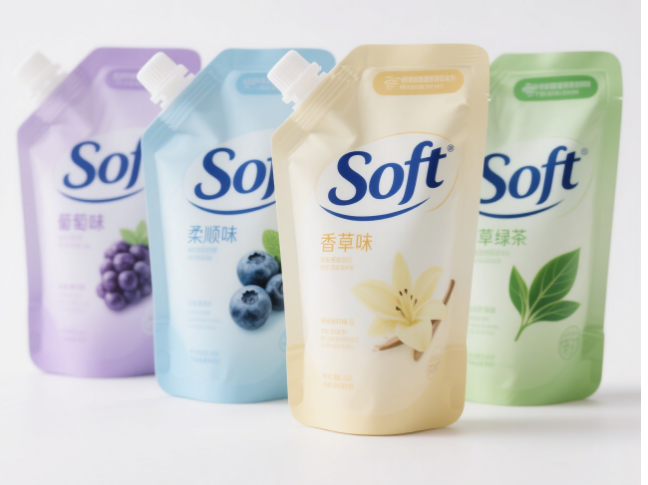
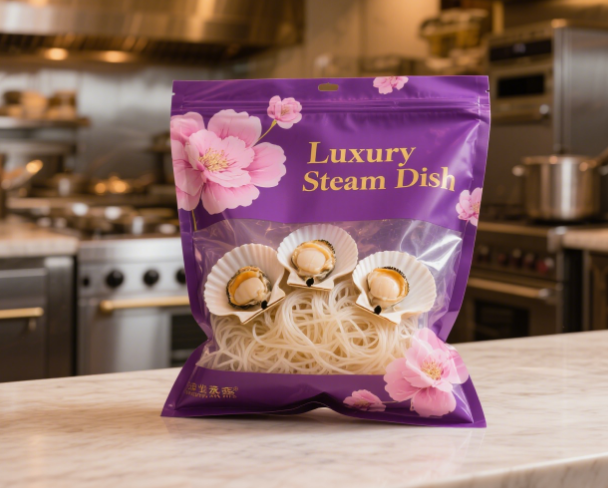
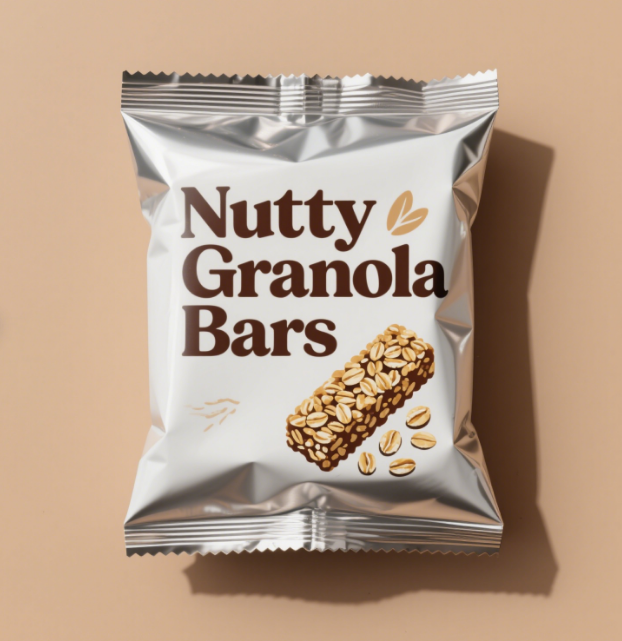
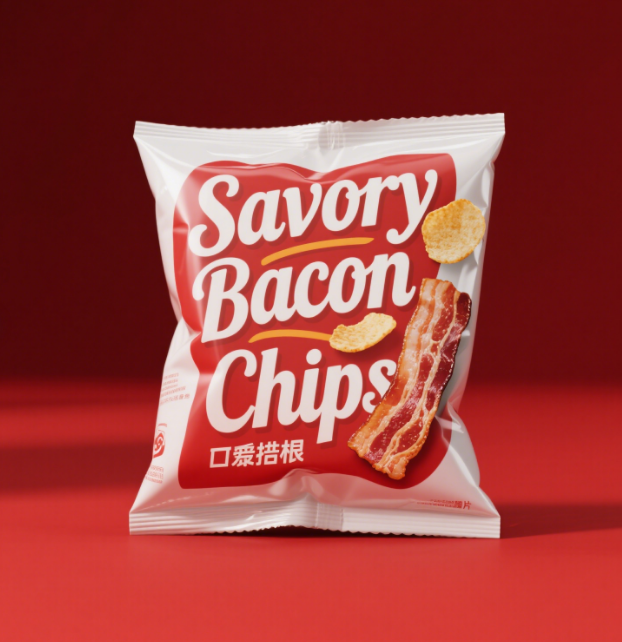
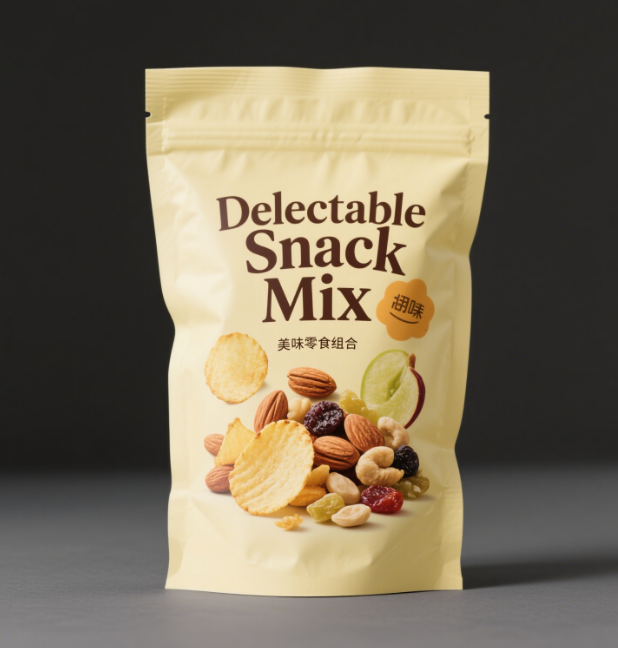
Popular food packaging represents a comprehensive solution designed to preserve, protect, and present food products while meeting modern consumer demands for convenience, sustainability, and safety. This innovative packaging system combines advanced materials science with cutting-edge manufacturing techniques to create containers that maintain product freshness, extend shelf life, and enhance user experience. The main functions of popular food packaging include creating an effective barrier against moisture, oxygen, light, and contaminants that could compromise food quality. These packages utilize multi-layer structures incorporating materials like polyethylene, polypropylene, aluminum foil, and specialized barrier coatings to ensure optimal protection. Technological features of popular food packaging encompass modified atmosphere packaging (MAP) systems that replace air with protective gas mixtures, vacuum sealing capabilities that remove oxygen to prevent spoilage, and tamper-evident seals that guarantee product integrity. Smart packaging technologies integrate QR codes, temperature indicators, and freshness sensors that provide real-time information about product status. Applications span across diverse food categories including fresh produce, dairy products, meat and poultry, processed foods, snacks, and beverages. Popular food packaging serves the retail industry through attractive shelf presentation and brand differentiation, while supporting food service operations with portion control and easy handling. The packaging industry continues evolving with biodegradable materials, recyclable components, and reduced plastic usage responding to environmental concerns. Modern popular food packaging also addresses portion sizing, nutritional labeling requirements, and consumer convenience through resealable features, microwave compatibility, and easy-open mechanisms that enhance daily food consumption experiences for millions of households worldwide.


Popular Products

Popular food packaging delivers numerous practical benefits that directly impact consumer satisfaction and business success. Food safety stands as the primary advantage, with these packages creating protective barriers that prevent bacterial contamination, chemical exposure, and physical damage during transportation and storage. Advanced sealing technologies ensure products remain uncontaminated from production facility to consumer table, reducing foodborne illness risks significantly. Extended shelf life represents another crucial benefit of popular food packaging, with specialized barrier materials blocking oxygen and moisture that cause spoilage. This preservation capability allows consumers to store products longer without quality degradation, reducing food waste and saving money on frequent grocery trips. Convenience features built into popular food packaging transform daily meal preparation through microwave-safe materials, easy-tear openings, and resealable closures that maintain freshness between uses. These design elements save time and effort while ensuring consistent product quality. Cost effectiveness emerges through reduced product loss, lower transportation expenses due to lightweight materials, and decreased need for additional preservation methods. Popular food packaging enables bulk purchasing and longer storage periods, helping families manage grocery budgets more effectively. Environmental considerations increasingly influence popular food packaging development, with manufacturers incorporating recyclable materials, biodegradable components, and reduced plastic usage without compromising protection capabilities. These eco-friendly options allow environmentally conscious consumers to make sustainable choices while maintaining food safety standards. Brand recognition and marketing benefits stem from customizable printing surfaces that showcase nutritional information, cooking instructions, and brand messaging effectively. Popular food packaging serves as a communication tool between manufacturers and consumers, building trust through transparent ingredient listings and clear usage guidelines. Temperature resistance in popular food packaging accommodates various storage conditions from freezer to pantry, providing flexibility for different food types and consumer preferences while maintaining structural integrity throughout the supply chain.

Practical Tips

New Choice of Green Packaging: Analysis of the Multiple Advantages of Environmentally Friendly Packaging Bags

27

Aug

New Choice of Green Packaging: Analysis of the Multiple Advantages of Environmentally Friendly Packaging Bags

The Rise of Sustainable Packaging Solutions in Modern Commerce As global environmental awareness reaches unprecedented levels, the packaging industry stands at a crucial turning point. Environmentally friendly packaging bags have emerged as a revolut...
View More
The key to keeping pet food fresh: innovative packaging solutions

18

Sep

The key to keeping pet food fresh: innovative packaging solutions

Modern Innovations Revolutionizing Pet Food Freshness The evolution of pet food packaging has transformed dramatically over the past decade, with innovative solutions emerging to address the growing demands of pet owners who prioritize freshness and ...
View More
How to Choose Quality Aluminum Foil Bags for Packaging

27

Nov

How to Choose Quality Aluminum Foil Bags for Packaging

In today's competitive marketplace, selecting the right packaging solution is crucial for product protection, brand recognition, and customer satisfaction. An aluminum foil bag represents one of the most versatile and effective packaging options avai...
View More
Retort Pouch vs Canning: Which is Better for Food Storage?

27

Nov

Retort Pouch vs Canning: Which is Better for Food Storage?

Food preservation has evolved dramatically over the past century, with traditional canning methods now competing against innovative packaging technologies. Among the most significant advancements in food storage is the retort pouch, a flexible packag...
View More

Get a Free Quote

Our representative will contact you soon.
Email
Name
Company Name
Mobile
Message
0/1000

popular food packaging

Advanced Barrier Technology for Maximum Freshness Protection

Advanced Barrier Technology for Maximum Freshness Protection

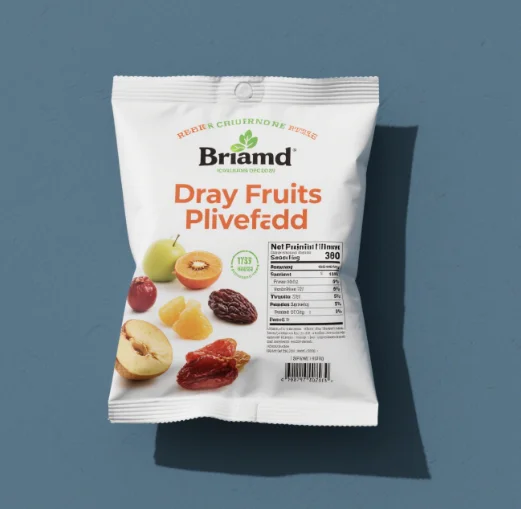
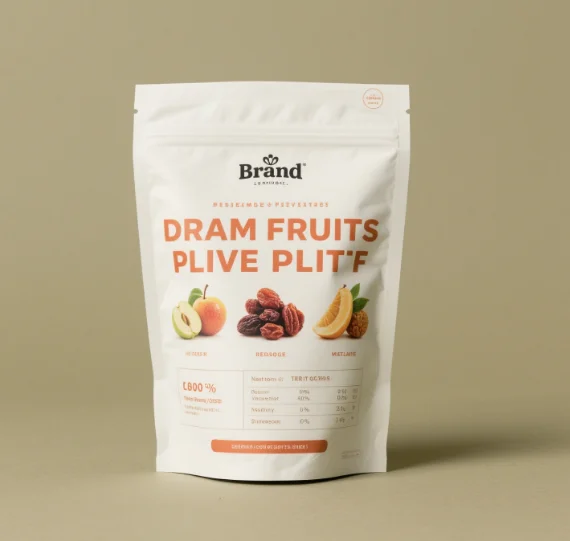
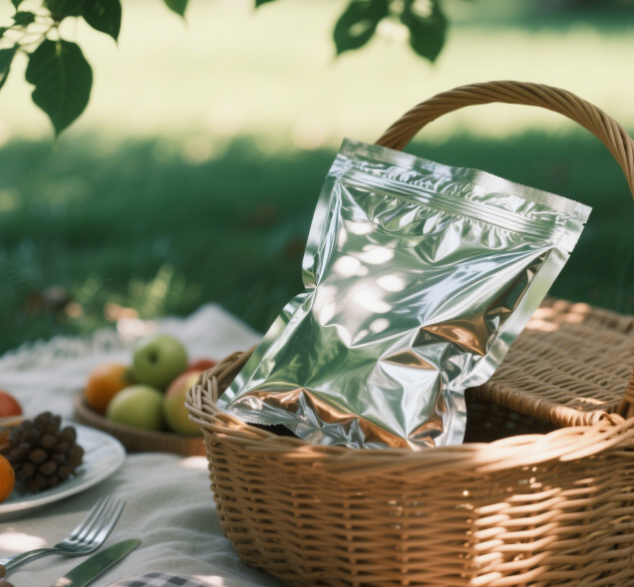
Popular food packaging incorporates sophisticated multi-layer barrier technology that creates an impenetrable shield against environmental factors threatening food quality and safety. This innovative system combines multiple material layers, each serving specific protective functions to ensure products maintain their intended taste, texture, nutritional value, and appearance throughout extended storage periods. The outer layer provides structural strength and printable surface for branding, while intermediate layers feature specialized barrier materials like ethylene vinyl alcohol (EVOH) or aluminum foil that block oxygen transmission rates to less than 0.1 cubic centimeters per square meter per day. Inner layers utilize food-grade materials that directly contact products without leaching harmful chemicals or affecting taste profiles. This comprehensive barrier system extends shelf life significantly compared to traditional packaging methods, with some popular food packaging solutions maintaining product freshness for months rather than days. Oxygen scavenging technology embedded within barrier layers actively removes residual oxygen that might remain after packaging, creating an oxygen-free environment that prevents rancidity in oils, browning in fruits, and staleness in baked goods. Moisture control features regulate humidity levels inside packages, preventing condensation that could promote mold growth while maintaining optimal texture in products like crackers, cereals, and dried fruits. Light barrier properties protect photosensitive nutrients like vitamins A, C, and riboflavin from degradation, ensuring consumers receive full nutritional benefits. Temperature stability allows popular food packaging to withstand thermal processing, refrigeration, and freezing without compromising barrier effectiveness or structural integrity. This advanced protection system reduces food waste substantially, saving consumers money while supporting sustainability goals through decreased product spoilage and replacement needs.
User-Friendly Design Features for Enhanced Consumer Experience

User-Friendly Design Features for Enhanced Consumer Experience

Popular food packaging prioritizes consumer convenience through thoughtfully engineered design features that simplify food handling, storage, and preparation while maintaining product safety and quality. Easy-open mechanisms eliminate the frustration associated with difficult-to-access packages, incorporating tear strips, perforated edges, and pull-tabs that allow effortless opening without scissors or knives. These user-friendly features particularly benefit elderly consumers, individuals with arthritis, or anyone dealing with mobility limitations that make traditional package opening challenging. Resealable closure systems built into popular food packaging enable multiple access occasions while preserving freshness between uses, featuring zip-lock mechanisms, adhesive strips, or snap-fit lids that create airtight seals. This functionality proves especially valuable for snack foods, coffee, cereal, and other products consumed over extended periods, allowing families to maintain quality while controlling portion sizes effectively. Portion control features integrated into popular food packaging support healthy eating habits and reduce waste through pre-measured servings, individual compartments, or clearly marked serving suggestions printed directly on package surfaces. These design elements help consumers make informed dietary choices while managing caloric intake more precisely. Microwave compatibility ensures popular food packaging can transition directly from storage to heating without product transfer, saving time and reducing dirty dishes during meal preparation. Heat-resistant materials maintain structural integrity at elevated temperatures while allowing steam venting through specialized valve systems that prevent dangerous pressure buildup. Stackable designs optimize storage space in pantries, refrigerators, and freezers, featuring flat surfaces and uniform dimensions that maximize capacity utilization in limited spaces. Clear viewing windows or transparent sections allow consumers to assess product condition and quantity without opening packages, supporting purchasing decisions and inventory management. Ergonomic handles, grip surfaces, and balanced weight distribution make popular food packaging comfortable to carry and manipulate during shopping, transport, and usage scenarios.
Sustainable Materials and Environmental Responsibility

Sustainable Materials and Environmental Responsibility

Popular food packaging embraces environmental responsibility through innovative sustainable materials and manufacturing processes that reduce ecological impact while maintaining superior protection and functionality standards. Biodegradable components derived from plant-based sources like corn starch, potato starch, and sugarcane fiber replace traditional petroleum-based plastics in many applications, decomposing naturally in composting environments within specified timeframes. These bio-based materials perform comparably to conventional packaging materials while supporting circular economy principles that minimize waste accumulation in landfills and oceans. Recyclable material selection enables popular food packaging to enter existing waste management systems effectively, featuring clear recycling symbols and material identification codes that facilitate proper sorting and processing. Post-consumer recycled content incorporation reduces demand for virgin materials while maintaining package performance, with some popular food packaging solutions containing up to 75 percent recycled materials without compromising barrier properties or safety standards. Reduced material usage through lightweight design optimization decreases raw material consumption and transportation emissions while maintaining structural integrity and protection capabilities. Advanced engineering techniques create thinner walls, optimized geometries, and efficient material distribution that achieve identical performance with significantly less material input. Water-based printing inks and adhesives replace solvent-based alternatives, eliminating volatile organic compound emissions during manufacturing while ensuring vibrant graphics and strong bonds between package layers. Renewable energy integration in popular food packaging production facilities reduces carbon footprint through solar, wind, and hydroelectric power sources that minimize fossil fuel dependency. Compostable barrier coatings derived from renewable sources provide moisture and grease resistance equivalent to traditional chemical treatments while breaking down completely in industrial composting facilities. Source reduction initiatives focus on eliminating unnecessary packaging components, optimizing package sizes to match product requirements precisely, and developing concentrated products that require less packaging material per serving. These comprehensive sustainability measures position popular food packaging as an environmentally conscious choice that allows consumers to maintain convenience and food safety while supporting ecological preservation goals for future generations.

Get a Free Quote

Our representative will contact you soon.
Email
Name
Company Name
Mobile
Message
0/1000