
 EN
EN



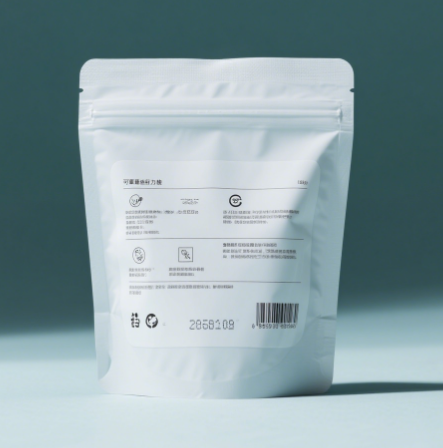
The snack retail industry is undergoing a profound transformation as sustainability moves from a marketing trend to a genuine business imperative. Brands across every segment — from organic granola to artisan trail mix — are actively searching for packaging solutions that align with their environmental values and consumer expectations. A compostable stand up food pouch has emerged as one of the most practical and commercially viable answers to this challenge, offering brands a way to reduce their plastic footprint without compromising shelf appeal, product protection, or retail functionality.
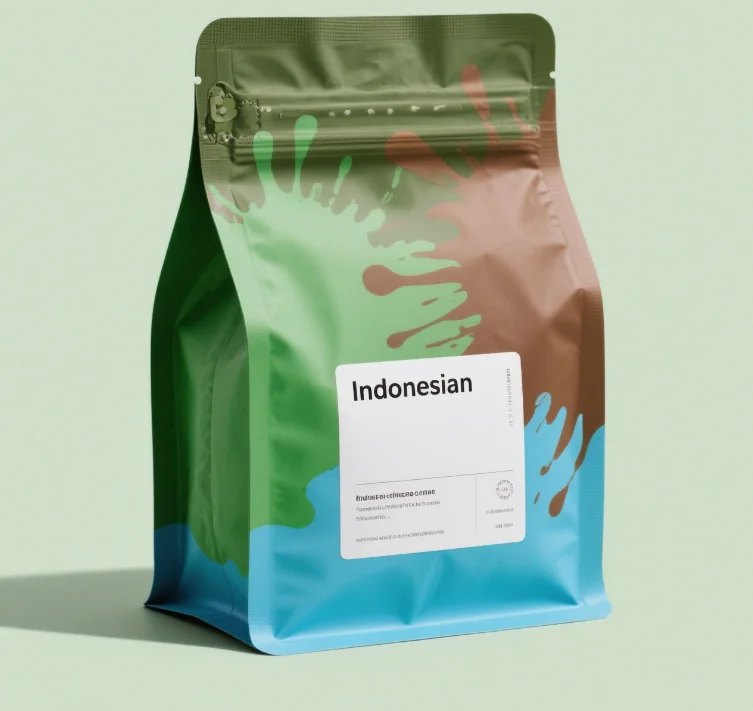
For snack brands preparing retail packs, the compostable stand up food pouch represents far more than an eco-label opportunity. It is a structural packaging format that delivers real shelf presence, robust barrier performance, and end-of-life disposal credentials that increasingly matter to retail buyers and environmentally conscious consumers alike. Understanding what makes this format the right choice for snack retail — and how to select and use it correctly — is essential for any brand that wants to compete in a greener marketplace.
What Makes a Stand Up Pouch Truly Compostable
The Distinction Between Compostable and Biodegradable
One of the most common points of confusion in sustainable packaging is the difference between compostable and biodegradable materials. Biodegradable simply means a material will eventually break down, but this process may take decades and can leave behind toxic residues. A compostable stand up food pouch, by contrast, is specifically engineered to break down within a defined timeframe under composting conditions, leaving behind no harmful substances — only water, carbon dioxide, and organic matter.
For snack brands, this distinction carries significant implications. Retailers, certification bodies, and consumers are increasingly scrutinizing packaging claims, and using the word compostable without appropriate certification can expose a brand to greenwashing accusations. A certified compostable stand up food pouch must meet internationally recognized standards such as EN 13432 in Europe or ASTM D6400 in North America, ensuring the breakdown claims are substantiated by third-party testing.
The material composition of a genuine compostable stand up food pouch typically involves plant-based films derived from sources such as PLA (polylactic acid), PBAT (polybutylene adipate terephthalate), or other biopolymer laminates. These materials are specifically chosen to replicate the barrier and structural performance of conventional plastics while achieving full compostability within certified timelines.
Compostable Material Layers and Their Functional Roles
A compostable stand up food pouch is not a single-layer structure. Like conventional flexible packaging, it relies on a laminated film architecture where each layer contributes a specific functional property. The outer layer typically provides printability and structural integrity, the middle layer delivers moisture and oxygen barrier performance, and the inner sealant layer ensures food-safe contact and reliable heat sealing.
For snack products such as nuts, dried fruit, chips, and granola, moisture and oxygen barrier performance is critical. The compostable stand up food pouch must protect the product from humidity and oxidation during the entire retail shelf life, which can range from several weeks to more than a year. Advances in compostable film technology have significantly improved barrier performance in recent years, making these pouches viable for a wider range of snack categories than was previously possible.
It is also worth noting that some compostable stand up food pouch formats incorporate a thin coating of naturally derived minerals or waxes to further enhance barrier properties, avoiding the use of synthetic aluminum foil. This approach maintains full compostability while still meeting the protection requirements of demanding snack retail applications.
The Structural Advantages of the Stand Up Format for Retail
Shelf Stability and Visual Merchandising
The stand up format is arguably the dominant packaging format in modern snack retail, and for very good reasons. A compostable stand up food pouch has the structural ability to hold an upright position on the shelf through its gusseted base, creating a broad display footprint that maximizes brand visibility. This self-standing capability makes the format ideal for retail environments where shelf space is premium and product differentiation is fierce.
From a visual merchandising perspective, the compostable stand up food pouch offers a large, uninterrupted printable surface on both front and back panels. This is particularly valuable for snack brands that invest heavily in packaging design to communicate their origin story, ingredient transparency, and sustainability credentials. The combination of stand-up presence and generous print area gives emerging snack brands the shelf impact they need to compete against established players.
The square-bottom design available in many compostable stand up food pouch configurations further enhances stability, allowing the pouch to stand confidently even when partially filled. This is especially relevant for portion-controlled snack retail packs where the volume of product inside the pouch changes as the consumer uses it.
Zipper Resealability and Consumer Convenience
A zipper-equipped compostable stand up food pouch addresses one of the core functional requirements of modern snack packaging: resealability. Consumers today expect to be able to open a snack pack, enjoy a portion, and reseal the package to maintain freshness for later use. The integrated zipper closure on a compostable stand up food pouch provides exactly this convenience while keeping the overall packaging structure within compostable material specifications.
Compostable zipper technology has advanced significantly, with zipper profiles now available in plant-based formulations that maintain full compostability compliance. For snack brands, specifying a certified compostable zipper on their compostable stand up food pouch is an important step in ensuring the entire package — not just the film — meets the sustainability promise made to consumers and retail buyers.
Beyond the functional benefits, the presence of a resealable zipper also reduces food waste, which is itself a sustainability benefit. A snack brand that uses a compostable stand up food pouch with a zipper closure can legitimately claim that its packaging helps consumers reduce product spoilage, reinforcing a comprehensive sustainability narrative that goes beyond materials alone.
Application Suitability Across Snack Retail Categories
Dry Snack Products and Shelf Life Compatibility
The compostable stand up food pouch is well-suited for a broad range of dry snack categories. Nuts, seeds, dried fruits, trail mixes, granola, puffed grains, rice crackers, and similar products are among the most natural fits for this packaging format. These products share the characteristic of being sensitive to moisture ingress and oxygen exposure, and modern compostable stand up food pouch formulations have been designed specifically to address these protection requirements.
For brands in the organic and natural snack segment, the compostable stand up food pouch carries additional value because it is fully consistent with the clean, transparent brand identity that drives purchasing decisions in these categories. Consumers who seek out organic granola or natural trail mix are precisely the consumers who respond positively to packaging that reinforces the brand's environmental commitment.
It is important for brands to conduct shelf life validation testing when transitioning to a compostable stand up food pouch, particularly if they are moving from a conventional foil laminate structure. While modern compostable barrier films perform impressively, slight differences in water vapor transmission rate (WVTR) and oxygen transmission rate (OTR) compared to aluminum foil structures may require product reformulation or packaging headspace management to maintain target shelf life.
Tea, Herbs, and Specialty Food Applications
Beyond mainstream snack categories, the compostable stand up food pouch is finding growing adoption in specialty food segments including premium loose-leaf tea, culinary herbs, spice blends, and artisan coffee. These categories share a common characteristic: consumers are highly discerning and willing to pay a premium for products that reflect authenticity and quality, including in the packaging format chosen.
Tea in particular benefits from the compostable stand up food pouch format because tea drinkers are among the most environmentally aware consumer groups. A tea brand that packages its products in a compostable stand up food pouch is communicating alignment between the purity of its product and the environmental integrity of its packaging. The cowhide-textured film variant of the compostable stand up food pouch adds an artisan aesthetic that resonates strongly with premium tea and herbal product positioning.
The compostable stand up food pouch format is also suitable for ground spices, cocoa powder, protein powders, and other fine particulate food products, provided the zipper and seal integrity are specified correctly to prevent bridging or contamination during filling operations.
Customization and Brand Differentiation Capabilities
Print and Finish Options for Retail Impact
A compostable stand up food pouch can be customized to a high degree of visual sophistication, enabling snack brands to achieve the brand differentiation necessary for retail success. High-quality flexographic or rotogravure printing can be applied to compostable film substrates, producing vibrant colors, fine details, and premium finishes that match or exceed what is achievable on conventional plastic packaging.
Matte finishes are particularly popular with brands using the compostable stand up food pouch format, as they reinforce the natural, earth-friendly brand story and give the package a tactile quality that stands out on shelf. Kraft-style or natural brown cowhide finishes are another option that aligns the visual aesthetics of the packaging with its sustainable material origins, creating a cohesive brand story that resonates with eco-conscious shoppers.
Window panels, die-cut shapes, and transparent sections can also be incorporated into a compostable stand up food pouch design, allowing consumers to see the product inside. For snack categories where product appearance is a key purchase driver — such as colorful trail mixes or premium nuts — a window panel on a compostable stand up food pouch provides the visual transparency that drives shelf conversion.
Size, Volume, and Format Versatility
The compostable stand up food pouch is available in a wide range of sizes, making it suitable for everything from single-serve snack packs to bulk retail formats. For snack brands that sell across multiple retail channels — including convenience stores, specialty grocery, online direct-to-consumer, and club stores — having access to a compostable stand up food pouch across multiple volume specifications is a logistical and commercial advantage.
Small-format compostable stand up food pouch options in the 50g to 150g range are ideal for impulse snack purchases and convenience store placements, while larger formats in the 500g to 1kg range serve bulk buyers and health food store channels. The ability to maintain consistent branding and material credentials across all these format sizes using the compostable stand up food pouch format helps brands communicate a unified sustainability commitment regardless of where the product is sold.
Custom die-cutting of the base gusset on a compostable stand up food pouch can further refine the standing stability and visual profile of the package, with options for a flat base, a K-seal gusset, or a true square-bottom construction depending on the volume and product requirements.
FAQ
Is a compostable stand up food pouch suitable for products with a long shelf life?
Modern compostable stand up food pouch formulations have significantly improved barrier performance and are suitable for many dry snack products with shelf lives of six to twelve months or longer. However, brands should conduct product-specific shelf life testing to confirm compatibility, as barrier performance can vary depending on the specific compostable film laminate and the moisture sensitivity of the product inside.
Can a compostable stand up food pouch be customized with full-color printing?
Yes. A compostable stand up food pouch supports high-quality flexographic and rotogravure printing, enabling full-color brand artwork, matte or gloss finishes, and sophisticated design treatments. The printable surface area of the stand-up format is generous, giving snack brands ample space to communicate their brand story, ingredient information, and sustainability credentials effectively.
How does a compostable stand up food pouch need to be disposed of properly?
A certified compostable stand up food pouch should be disposed of through an industrial composting facility, where controlled temperature and humidity conditions ensure complete breakdown within the certified timeframe. Some formulations are home-compostable, which means they can break down in a domestic compost heap, though this typically requires a longer breakdown period. Brands should clearly communicate the correct disposal method on pack to help consumers act on the sustainability promise.
What certifications should I look for when sourcing a compostable stand up food pouch?
When sourcing a compostable stand up food pouch, look for third-party certifications such as EN 13432 for the European market, ASTM D6400 for North America, or OK Compost certification from TÜV Austria. These certifications confirm that the material has been independently tested and verified to meet defined compostability standards, protecting your brand from greenwashing exposure and providing credibility with retail buyers and consumers.
Table of Contents
- What Makes a Stand Up Pouch Truly Compostable
- The Structural Advantages of the Stand Up Format for Retail
- Application Suitability Across Snack Retail Categories
- Customization and Brand Differentiation Capabilities
-
FAQ
- Is a compostable stand up food pouch suitable for products with a long shelf life?
- Can a compostable stand up food pouch be customized with full-color printing?
- How does a compostable stand up food pouch need to be disposed of properly?
- What certifications should I look for when sourcing a compostable stand up food pouch?